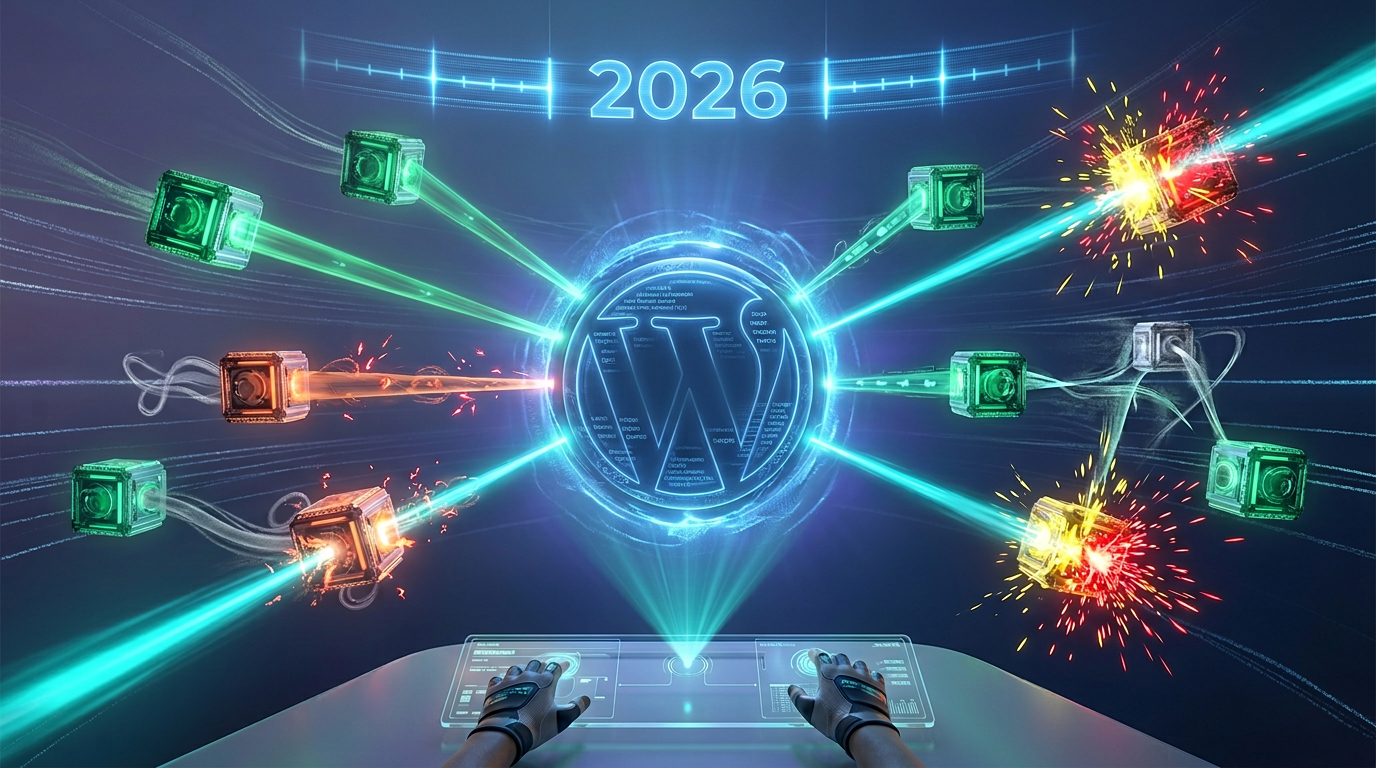
WordPress Advanced Network Protocols Explained
In the evolving digital landscape of 2026, understanding WordPress advanced network protocols is more crucial than ever for website owners and developers. While many focus on content and design, the underlying network communication dictates performance, security, and integration capabilities. This article delves into the often-overlooked role of WordPress plugins that leverage and manage these sophisticated protocols, ensuring your website operates efficiently and securely in an increasingly interconnected world. We will explore how these 'silent virtuosos' orchestrate complex data exchanges, from secure API calls to real-time updates, directly impacting your site's functionality and user experience.
Understanding WordPress Advanced Network Protocols: The Backbone of Modern Websites
Modern WordPress websites are dynamic applications constantly interacting with external services, databases, and user devices. This intricate dance is entirely dependent on WordPress advanced network protocols. These protocols define the rules for how data is formatted, transmitted, and received across networks. From HTTP/3 for faster content delivery to specialized API protocols for third-party integrations, these underpinnings are vital.
Ultimately, ignoring the nuances of these protocols can lead to significant vulnerabilities, performance bottlenecks, and compatibility issues. As we move further into 2026, the reliance on robust and secure network communication will only intensify, making a deep understanding of these concepts indispensable for any serious WordPress administrator.
Key Advanced Protocols in WordPress Ecosystems
- HTTP/3 (QUIC): Offering significant performance improvements over HTTP/2 by utilizing UDP. This reduces latency and improves multiplexing. Many hosting providers and CDNs now fully support HTTP/3, and optimizing WordPress to leverage it is paramount for speed.
- REST API: The native WordPress REST API uses HTTP methods (GET, POST, PUT, DELETE) for stateless operations. This allows external applications and plugins to interact with and manage WordPress content programmatically. It is a cornerstone for headless WordPress and complex integrations.
- GraphQL: This is an increasingly popular alternative to REST, offering a more efficient way to fetch data from APIs. Plugins are emerging that enable WordPress sites to expose a GraphQL endpoint, allowing clients to request precisely the data they need, thereby reducing over-fetching.
- WebSockets: Essential for real-time, bidirectional communication between the browser and the server. This is crucial for live chat, notification systems, and collaborative editing features within WordPress.
- SFTP/SCP: While primarily for file transfer, secure protocols like SFTP are crucial for plugin and theme updates, ensuring that core files are exchanged without interception.
Plugins Orchestrating WordPress Advanced Network Protocols: Key Categories
A vast array of WordPress plugins are designed to interact with and manage WordPress advanced network protocols. Often, this happens without the user realizing the complex networking happening behind the scenes. These plugins fall into several key categories, each addressing specific needs related to communication, security, and performance.
Furthermore, evaluating these plugins requires a keen eye not just for their advertised features but also for their underlying implementation of network protocols. Poorly coded plugins can introduce security gaps or significant performance overhead by inefficiently handling network requests or failing to properly secure data transmissions. For more insights into security, consider delving into The Silent Cryptographers: Unmasking WordPress Plugins and Next-Gen Encryption in 2026.
Performance Optimization Plugins
Plugins like WP Rocket, LiteSpeed Cache, and WP Super Cache do not just optimize your database or minify CSS/JS; they actively influence how your site interacts via network protocols. They can:
- Implement browser caching headers (via HTTP).
- Manage CDN integrations (affecting HTTP/S request routing).
- Support HTTP/3 preloading and pushing assets.
- Optimize lazy loading of images and scripts, reducing initial page load size over the network.
Security Plugins
Security plugins such as Wordfence Security, Sucuri Security, and iThemes Security are heavily reliant on secure network communications. They often:
- Utilize secure API calls to communicate with cloud-based firewalls or malware scanners.
- Enforce SSL/TLS for all connections (ensuring HTTPS adoption).
- Monitor for suspicious network traffic patterns (via IP blocking, brute force detection).
- Implement two-factor authentication, often relying on secure protocols for token exchange. For more on safeguarding data, see Unmasking WordPress Plugins as Data Sovereignty Agents & Their Global Impact in 2026.
Integration and API Management Plugins
For connecting WordPress to external services like CRM systems, email marketing platforms, or third-party APIs, plugins like WP Fusion, Uncanny Automator, or specialized WooCommerce integration plugins are essential. These tools:
- Make extensive use of the WordPress REST API or external APIs (often via OAuth for authentication).
- Handle secure data transmission to and from external services.
- May facilitate Webhook communication for real-time data synchronization.
- Require robust handling of various authentication protocols (e.g., API keys, Basic Auth, Bearer tokens). Plugins that manage microservices architecture often heavily rely on these integration methods.
Evaluating Risks: Security, Performance, and Compatibility with WordPress Advanced Network Protocols
While plugins extending WordPress advanced network protocols offer immense power, they also introduce significant risks. As part of our plugin analysis project in 2026, we emphasize that every plugin interacting with network protocols must be thoroughly vetted. An oversight here can compromise the entire website.
The inherent complexity of network communication means that plugins handling these aspects need to be exceptionally well-coded, actively maintained, and adhere strictly to security best practices. Even a minor flaw can open a gateway for attackers or cripple your site's performance.
Common Plugin-Related Threats
- Outdated Code: Plugins that do not keep up with evolving protocol standards (e.g., still using insecure TLS versions or deprecated API endpoints) become immediate security liabilities. Attackers actively seek out these vulnerabilities.
- Insecure Configurations: Defaults that expose sensitive information, weak API key storage, or improperly configured firewalls can lead to unauthorized access or data breaches.
- Excessive Permissions: A plugin requesting more network-related permissions than it needs, or granting itself broad capabilities to make external requests, poses a significant risk. If compromised, it could be used for malicious outbound connections.
- Third-Party Dependencies: Many plugins rely on external libraries to handle network calls or authentication. If these dependencies are outdated, contain vulnerabilities, or are no longer maintained, the plugin inherits these risks.
- Performance Overheads: Inefficient network requests (e.g., making too many API calls, not caching responses, using synchronous instead of asynchronous communication) can severely slow down your site, negatively impacting user experience and SEO. For ways to mitigate these, exploring real-time event processing might be beneficial.
- Compatibility Issues: Conflicts between plugins trying to manage the same network settings or protocols can lead to broken functionality, site crashes, or unpredictable behavior.
Best Practices for Managing Plugins Handling Advanced Network Protocols
Effectively managing plugins that leverage WordPress advanced network protocols requires a proactive and informed approach. Adopting best practices is not just about avoiding problems but also about unlocking the full potential of your WordPress site in 2026.
Prioritizing secure development, diligent updates, and continuous monitoring will ensure that these powerful tools enhance your website's capabilities without introducing undue risk. Remember, the goal is always a secure, stable, and high-performance WordPress platform.
Strategies for optimizing and securing your network protocol plugins
- Regular Updates: Always keep themes, plugins, and WordPress core updated. Updates often patch security vulnerabilities related to network protocols or introduce optimizations for newer standards like HTTP/3.
- Code Reviews (When Possible): If you develop custom plugins or can hire a specialist, conducting code reviews for plugins that handle sensitive network interactions is highly recommended. Look for secure coding practices regarding API keys, data transmission, and error handling. For reference on secure coding practices, the WordPress Plugin Handbook on Security offers valuable guidelines.
- Minimize External API Calls: Use plugins that are efficient with their external API requests. Cache responses where possible and ensure that calls are asynchronous to prevent blocking the main thread.
- Use Reputable Plugins: Stick to plugins from well-known developers with good security track records, active support, and regular updates. Check reviews and community discussions for any reported network-related issues. The official WordPress Plugin Directory is an excellent starting point for discovering reputable plugins.
- Monitor Network Activity: Utilize security plugins and server logs to monitor outbound and inbound network requests. Unusual activity might indicate a compromised plugin.
- Implement a Web Application Firewall (WAF): A WAF acts as a shield, inspecting all traffic to and from your WordPress site. This helps to block malicious network requests and filter out potential threats before they reach your site or leave your server insecurely. Many leading hosting providers offer WAF services, or you can opt for solutions like Cloudflare's WAF.
- Strictly Enforce HTTPS: Ensure all facets of your WordPress site use HTTPS. Plugins should be configured to only make secure network requests (e.g., using
https://endpoints for APIs). - Least Privilege Principle: Ensure that any plugin making external connections only has the necessary permissions. Avoid plugins that demand excessive or broad network access without clear justification.
The Future of WordPress Advanced Network Protocols in 2026 and Beyond
As we navigate further into 2026, the landscape of WordPress advanced network protocols will continue to evolve rapidly. The push for faster, more secure, and more interconnected experiences will drive innovation in protocol development and plugin capabilities. We can anticipate even greater integration with emerging technologies and a heightened focus on real-time data exchange.
Keeping abreast of these changes is essential for maintaining a competitive, secure, and high-performing WordPress website. The 'silent virtuosos' – those plugins masterfully orchestrating complex network communications – will remain critical enablers for the sophisticated web experiences users expect.
Looking ahead, expect to see:
- Increased adoption of WebAssembly (Wasm) for client-side and server-side processing. This will impact how data is transformed and transmitted over networks.
- More intelligent use of AI and machine learning within plugins to optimize network traffic, predict user behavior, and enhance real-time personalized content delivery. Explore more at The Silent Augmenters: How WordPress Plugins Are Extending Core Functionality with Explainable AI (XAI) in 2026.
- Further advancements in decentralized network protocols, potentially influencing how WordPress interacts with blockchain-based services and verifiable credentials.
- Ultimately, stricter global data privacy regulations driving more sophisticated, privacy-preserving network communication methods.
Understanding and proactively managing the plugins that leverage WordPress advanced network protocols is not just a technical task; it is a strategic imperative for any WordPress site owner aiming for success in the dynamic digital environment of 2026 and beyond.
Frequently Asked Questions

Written by Aras Akıncılar
Uzun yıllara dayanan WordPress deneyimine sahip bir siber güvenlik uzmanı olarak, eklenti ekosisteminin derinlemesine analizine odaklanıyorum. Güvenlik açıkları, performans düşüşleri ve uyumluluk sorunları üzerine hazırladığım makalelerle, WordPress kullanıcılarının sitelerini daha güvenli ve verimli hale getirmelerine yardımcı olmayı hedefliyorum.