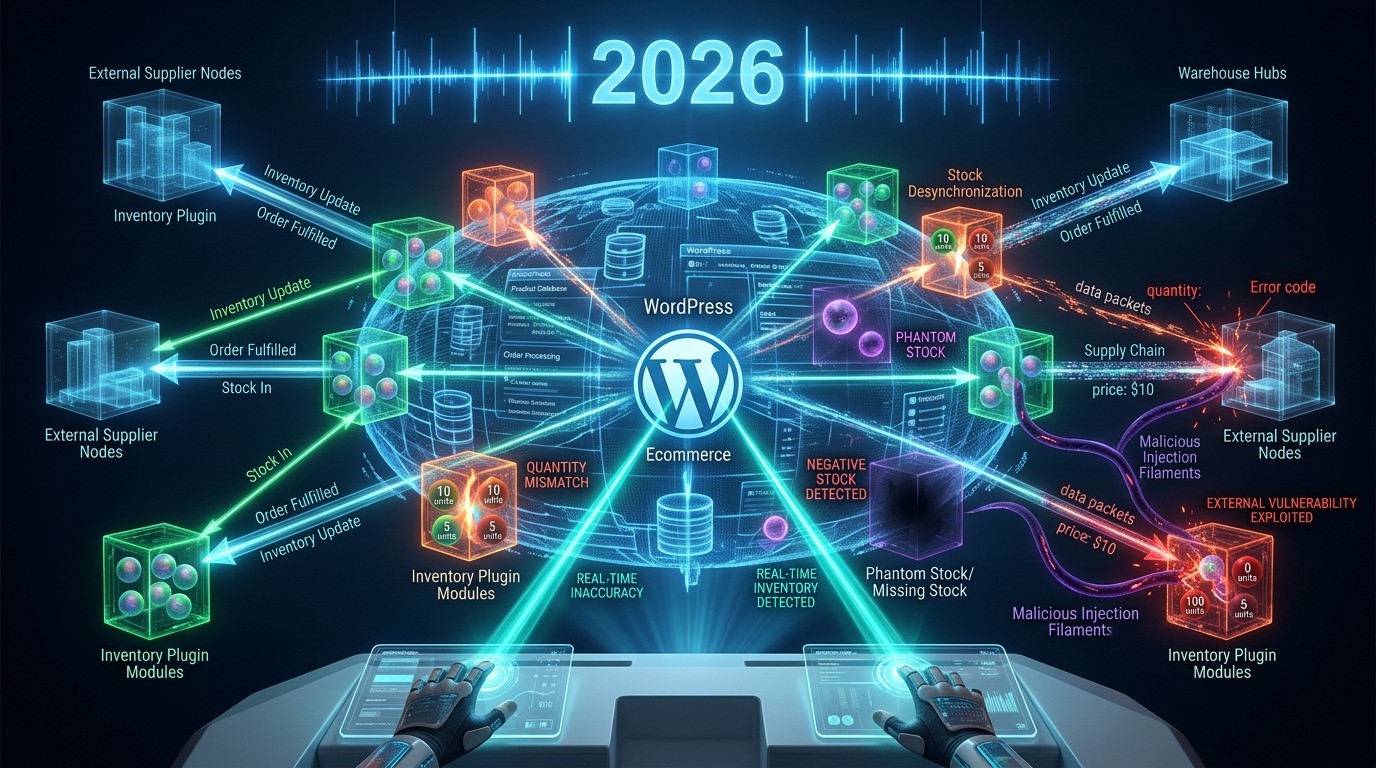
The Silent Cartographers: Unmasking Digital Terrain Mapping & Spatial Intelligence Risks in WordPress geospatial security (2026)
In the rapidly evolving digital landscape of 2026, understanding and mitigating risks associated with plugins has become paramount for WordPress administrators. Our exploration into WordPress geospatial security delves into the often-overlooked vulnerabilities tied to digital terrain mapping and spatial intelligence functionalities within various plugins. This comprehensive analysis will unmask how seemingly innocuous features, designed to enhance user experience or provide location-based services, can inadvertently introduce significant security exposures to your WordPress site.
For a broader understanding of how plugins influence network structures, you might also be interested in The Silent Cartographers: Unmasking WordPress Plugins That Redefine Network Topologies in 2026.
Navigating the Terrain: Understanding WordPress Geospatial Security Threats
Geolocation and mapping functionalities offered by WordPress plugins are incredibly versatile, powering everything from store locators and event maps to complex real estate listings and logistics management. However, this power comes with inherent risks if not properly secured. The collection, storage, and display of spatial data introduce multiple attack vectors that malicious actors can exploit.
As of 2026, the complexity of these plugins often involves integrating with third-party APIs (like Google Maps, OpenStreetMap, or custom GIS services), processing user location data, and sometimes even storing sensitive geographic information on your server. Each integration point is a potential vulnerability that needs careful scrutiny.
Outdated Code and Insecure Configurations in Geospatial Plugins
One of the most persistent threats in the WordPress ecosystem is the use of outdated plugin code. Developers often release updates that patch newly discovered vulnerabilities. If a geospatial plugin is not regularly updated, it becomes an easy target for attackers leveraging known exploits. Furthermore, insecure default configurations, such as hardcoded API keys or publicly accessible data directories, can grant unauthorized access to spatial data or even the entire WordPress installation.
- Unpatched Vulnerabilities: Exploiting known flaws in older plugin versions.
- Default Weaknesses: Relying on insecure default settings for API keys or data storage.
- Improper Access Control: Allowing unauthorized users to view or manipulate geospatial data.
Excessive Permissions and Data Handling
Many geospatial plugins request broad permissions, often for legitimate reasons, to access and process location data, user profiles, or even server resources. However, if these permissions are excessive or poorly managed, they can be abused. For instance, a plugin that requires write access to the entire WordPress directory when it only needs to update its own map data creates an unnecessary security hole.
The handling of spatial data itself is another critical area. Is the data encrypted at rest and in transit? Are personal geolocational data points anonymized or stored securely? Failing to address these questions can lead to severe privacy breaches and compliance issues, especially with modern data protection regulations in 2026. For further insights into broader data risks, read about The Silent Gatekeepers: Unmasking Digital Sovereignty & Data Transfer Risks in WordPress Plugins (2026).
Third-Party Dependencies and Supply Chain Attacks in Spatial Intelligence Solutions
The intricate world of spatial intelligence plugins often relies heavily on third-party libraries, external APIs, and even other plugins to function correctly. This interconnectedness, while enabling rich features, also introduces significant supply chain risks. A vulnerability in one of these dependencies can cascade, affecting your WordPress site even if the core geospatial plugin itself is robust.
Recent supply chain attacks in 2026 have highlighted the importance of scrutinizing not just the primary plugin but also all its underlying components. Attackers are increasingly targeting less-secure dependencies to gain access to broader systems. This makes thoroughly vetting all aspects of a geospatial solution crucial for maintaining strong WordPress geospatial security. You can learn more about how plugins interact with external data sources in The Silent Augmenters: How WordPress Plugins Enhance & Distort Real-World Data in 2026.
- API Key Exposure: Hardcoded or poorly secured API keys for mapping services.
- External Library Vulnerabilities: Exploits in JavaScript libraries or backend spatial processing tools.
- Dependency Confusion: Malicious packages with similar names to legitimate dependencies being installed.
Real-World Examples of Geospatial Security Lapses (2026 Trends)
In 2026, we continue to see incidents where geospatial data or related plugin vulnerabilities lead to compromises. For example, a popular store locator plugin was recently found to have a flaw allowing authenticated users to inject malicious code into map markers, leading to cross-site scripting (XSS) attacks. Another case involved an event mapping plugin that exposed API keys, allowing attackers to incur significant billing charges on associated cloud accounts.
These real-world scenarios underscore that generic security practices are not enough. Specific attention must be paid to the nuances of location-based data and API interactions to truly bolster WordPress geospatial security. Developers and site owners must stay informed about the latest attack vectors and apply updates diligently.
For more detailed information on common vulnerabilities, consider consulting resources like the OWASP Top 10, which remains a relevant guide for web application security in 2026.
Identifying and Mitigating Common Vulnerabilities
To effectively manage the risks, website owners must be proactive. Regular security audits, penetration testing focused on geospatial functionalities, and keeping an eye on security advisories for all installed plugins are non-negotiable. Furthermore, using a Web Application Firewall (WAF) can help filter out malicious requests targeting known geospatial plugin vulnerabilities.
- Regular Audits: Scan for vulnerabilities in plugins and their dependencies.
- Strong API Key Management: Use server-side proxies and restrict API key usage where possible.
- Input Validation: Ensure all user-submitted data for maps and locations is rigorously validated.
Best Practices for Enhancing WordPress Geospatial Security
Securing your WordPress site against geospatial-related threats requires a multi-layered approach. Beyond the standard WordPress security best practices, there are specific considerations for plugins that handle location data and mapping functions. Implementing these strategies will significantly reduce your attack surface in 2026 and beyond.
Choosing Secure Geospatial Plugins
Before installing any plugin, especially one dealing with geospatial data, conduct thorough research. Look for plugins with a strong reputation for security, frequent updates, and good support. Check reviews for any reported vulnerabilities and ensure the developer has a clear security policy. Prefer plugins that follow the latest coding standards and utilize WordPress’s established security APIs.
- Developer Reputation: Choose plugins from trusted and active developers.
- Update Frequency: Opt for plugins that receive regular security and feature updates.
- Security Audits: Look for plugins that have undergone independent security audits.
Securing API Keys and Endpoints
API keys are the gateways to your mapping services. Never hardcode them directly into publicly accessible files. Instead, use environment variables or WordPress constants. Restrict API key usage to specific domains (your website) and specific APIs, preventing unauthorized use. Monitor API usage closely for any anomalies that might indicate compromise. This is a crucial element of robust WordPress geospatial security.
Data Privacy and Compliance Considerations
When collecting and storing user location data, especially for spatial intelligence, compliance with data privacy regulations (like GDPR, CCPA, etc.) is paramount. Ensure your plugin respects user consent, provides options for data deletion, and anonymizes data where appropriate. Clearly communicate your data handling policies to users through a comprehensive privacy policy. Regularly review your data storage practices to ensure they meet 2026’s stringent privacy requirements. For current data privacy guidelines, refer to official resources like the General Data Protection Regulation (GDPR) website.
Ongoing Monitoring and Incident Response
Even with the best preventative measures, security incidents can occur. Implement continuous monitoring for your WordPress site, looking for unusual activity related to spatial data access, API calls, or plugin file modifications. Have a clear incident response plan in place to quickly identify, contain, and remediate any geospatial security breaches. Timely response can significantly reduce the impact of an attack. Consider how these monitoring efforts intertwine with broader concerns discussed in The Silent Storytellers: Unmasking Embedded Analytics & User Tracking in WordPress Plugins (2026).
Conclusion
The integration of digital terrain mapping and spatial intelligence features through WordPress plugins offers immense value, but it is not without its perils. As we navigate 2026, the landscape of cyber threats is more sophisticated than ever. By understanding the unique vulnerabilities associated with WordPress geospatial security, adopting best practices for plugin selection and configuration, and maintaining vigilance through ongoing monitoring, site administrators can effectively guard their platforms against silent cartographers seeking to exploit locational data. Prioritizing security in this domain is not just about protecting your website; it's about safeguarding user privacy and maintaining trust in your digital presence.
Frequently Asked Questions

Written by Aras Akıncılar
Uzun yıllara dayanan WordPress deneyimine sahip bir siber güvenlik uzmanı olarak, eklenti ekosisteminin derinlemesine analizine odaklanıyorum. Güvenlik açıkları, performans düşüşleri ve uyumluluk sorunları üzerine hazırladığım makalelerle, WordPress kullanıcılarının sitelerini daha güvenli ve verimli hale getirmelerine yardımcı olmayı hedefliyorum.