The Silent Alchemists: How WordPress Plugins Transform Code Quality & Future-Proof Your Site in 2026
In the dynamic world of web development, maintaining exceptional WordPress plugin code quality is paramount for any successful online presence. As we navigate 2026, the reliance on WordPress for creating robust and scalable websites continues to grow, making the integrity of its plugin ecosystem more critical than ever. This article delves into how well-developed plugins, often the silent alchemists of your site, can significantly uplift your overall code quality, enhance security, and ensure your WordPress platform is future-proof.
Understanding the Core of WordPress Plugin Code Quality
At its heart, WordPress plugin code quality refers to the standards, practices, and architectural integrity employed during a plugin's development. This encompasses everything from clean, readable code to efficient algorithms and robust security measures. Poor code quality can lead to a cascade of problems, including performance bottlenecks, security vulnerabilities, and compatibility nightmares.
What Defines High-Quality Plugin Code?
- Readability and Maintainability: Code that is well-commented, consistently formatted, and follows established coding standards. This makes it easier for other developers (or your future self) to understand, debug, and update.
- Efficiency and Performance: Optimized algorithms and database queries that don't unnecessarily burden your server resources, ensuring your site remains fast and responsive. For more on this, consider reading about how WordPress plugins dictate browser performance and page load speed in 2026.
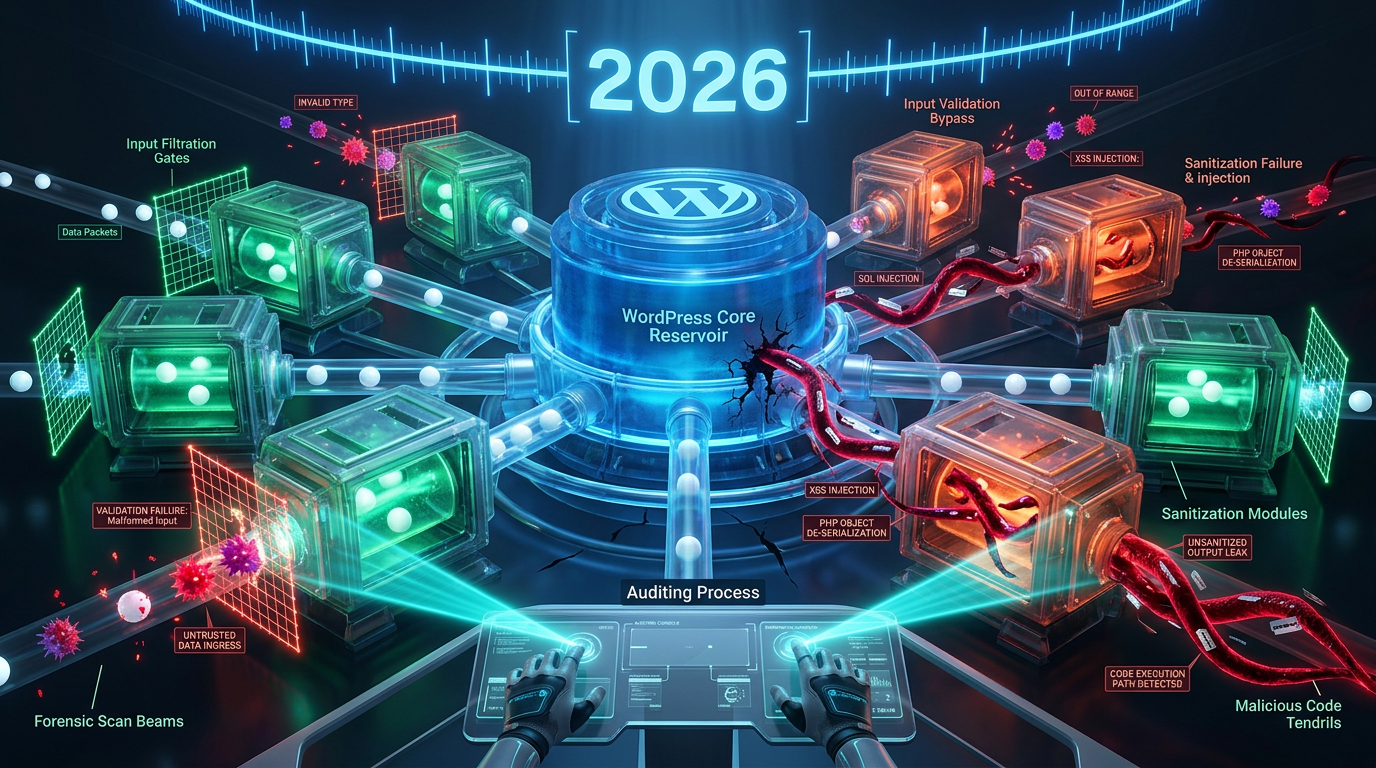
- Security Best Practices: Adherence to WordPress security guidelines, including proper input validation, output sanitization, nonce implementation, and protection against common attack vectors like SQL injection and cross-site scripting (XSS).
- Modularity and Extensibility: Code structured in a way that allows for easy integration with other plugins and themes, and permits future feature additions without causing extensive refactoring.
- Error Handling and Logging: Robust mechanisms to gracefully handle errors and log important events, aiding in troubleshooting and performance monitoring.
Evaluating these aspects systematically is crucial for anyone managing a WordPress site in 2026. A great WordPress plugin code quality not only improves the plugin's functionality but also elevates the entire website's stability.
The Risks of Neglecting WordPress Plugin Code Quality
Ignoring the importance of WordPress plugin code quality is akin to building a house on a shaky foundation. While a poorly coded plugin might initially appear to deliver functionality, it introduces a host of potential risks that can undermine your website's performance, security, and long-term viability.
Performance Degradation
Bloated or inefficient code can significantly slow down your WordPress site. This often manifests through:
- Excessive database queries that strain your server.
- Unoptimized JavaScript and CSS files that block render time.
- Lack of caching mechanisms.
- Resource-intensive background processes that consume CPU cycles.
In 2026, website speed directly impacts user experience, SEO rankings, and conversion rates. A slow site due to poor quality plugins can be detrimental to your online business. For deeper insights, explore how WordPress plugins dictate browser performance.
Security Vulnerabilities
This is arguably the most critical risk. Plugins with weak WordPress plugin code quality often contain security flaws that hackers can exploit. Common vulnerabilities include:
- SQL Injection: Improperly sanitized input allowing attackers to manipulate database queries.
- Cross-Site Scripting (XSS): Lack of output sanitization, enabling malicious scripts to be injected into web pages.
- Arbitrary File Uploads: Insufficient checks on uploaded files, permitting attackers to upload malicious code.
- Broken Authentication: Weak password handling or session management.
- Information Disclosure: Plugins inadvertently exposing sensitive data.
These vulnerabilities can lead to data breaches, site defacement, malware injection, and even complete compromise of your server. For more on this, check out an article on unmasking injection vulnerabilities in WordPress plugin hooks in 2026.
Compatibility Issues and Conflicts
Poorly written plugins often do not adhere to WordPress coding standards, leading to conflicts with other plugins or your active theme. This can result in:
- Fatal errors that crash your website.
- Unexpected functionality breakdowns.
- Difficulty in updating WordPress core or other essential components.
Diagnosing and resolving these conflicts can be a time-consuming and frustrating process, impacting your site's uptime and your team's productivity. For further reading, consider our article on unmasking WordPress plugin interoperability & dependency conflicts in 2026.
Best Practices for Ensuring Superior WordPress Plugin Code Quality
Proactively managing the WordPress plugin code quality on your site involves a combination of careful selection, regular auditing, and adherence to development best practices. For site owners and developers alike, these steps are crucial in 2026.
Thorough Plugin Selection
Before installing any plugin, conduct due diligence:
- Check Reviews and Ratings: Look for plugins with high ratings and positive reviews, especially those that mention good support.
- Active Development: Ensure the plugin is regularly updated and compatible with the latest WordPress version. Outdated plugins are a massive security risk.
- Developer Reputation: Research the developer or team behind the plugin. Do they have other reputable plugins or a strong community presence?
- Code Inspection (if possible): For developers, a quick glance at the plugin's code repository (if publicly available) can reveal initial insights into its quality.
- Performance Footprint: Use tools to test the plugin's impact on your staging environment before deploying to live.
Regular Audits and Updates
Once installed, the work isn't over. Regular maintenance is key:
- Keep Plugins Updated: Always apply updates promptly. These often include critical security patches and performance improvements.
- Remove Unused Plugins: Deactivate and delete any plugins you no longer need. Even inactive plugins can pose a security risk or codebase clutter.
- Security Scans: Utilize security plugins like Wordfence or Sucuri to regularly scan for vulnerabilities and malware.
- Performance Monitoring: Use tools like New Relic, Query Monitor, or site speed testing tools to identify plugins causing performance issues.
Secure Development Principles for Custom Plugins
If you're developing custom plugins, adherence to secure coding standards is non-negotiable:
- WordPress Coding Standards: Follow the official PHP, CSS, and JavaScript coding standards for WordPress.
- Nonce Verification: Implement nonces for all forms and actions to protect against Cross-Site Request Forgery (CSRF).
- Input Validation and Output Sanitization: Validate all user inputs and sanitize all outputs to prevent SQL injection and XSS attacks.
- Principle of Least Privilege: Ensure your plugin only has the permissions it absolutely needs to function.
- Use WordPress APIs: Leverage core WordPress functions and APIs instead of reinventing the wheel, as they are generally more secure and optimized.
- Regular Code Reviews: Have other developers review your code for bugs, inefficiencies, and security flaws.
The Crucial Role of Automated Tools in Maintaining WordPress Plugin Code Quality
In 2026, manual checks alone are insufficient for maintaining optimal WordPress plugin code quality, especially for complex sites. Automated tools have become indispensable, providing immediate feedback and enforcing coding standards across development teams.
Static Analysis Tools
These tools analyze code without executing it, identifying potential bugs, security vulnerabilities, and deviations from coding standards:
- PHP CodeSniffer (PHPCS): Configured with WordPress coding standards, PHPCS can automatically check if your plugin's PHP code adheres to the required guidelines.
- ESLint (for JavaScript): Ensures your JavaScript code follows a consistent style and catches common programming errors.
- Stylelint (for CSS): Similarly, helps maintain consistent and error-free CSS.
Integrating these into your CI/CD pipeline ensures that no subpar code makes it to production, significantly boosting your WordPress plugin code quality.
Security Scanners and Vulnerability Detectors
Automated security scanners are vital for proactively identifying threats:
- WPScan: A popular vulnerability scanner specifically for WordPress that can detect known vulnerabilities in plugins, themes, and WordPress core.
- Snyk.io or Dependabot: These tools scan your project for known vulnerabilities in third-party dependencies, which is common in many modern WordPress plugins.
- Dynamic Application Security Testing (DAST) Tools: These tools test your running application for vulnerabilities by simulating attacks.
Regularly running these scans can catch issues before they are exploited, protecting your site from malicious attacks.
Performance Profilers
Tools that help identify performance bottlenecks within your plugin code:
- Query Monitor: A free WordPress plugin that helps debug database queries, PHP errors, and hooks. It can pinpoint inefficient queries caused by other plugins.
- Blackfire.io or Xdebug: Advanced PHP profilers that provide detailed insights into function call stacks and execution times, helping optimize your plugin's performance.
The Future-Proofing Power of High-Quality WordPress Plugins
A commitment to excellent WordPress plugin code quality isn't just about avoiding problems; it's about building a sustainable, adaptable, and forward-looking website. In an internet landscape that is constantly evolving, this approach becomes a strategic advantage in 2026 and beyond.
Adaptability to WordPress Core Updates
Plugins with high code quality are typically built with future compatibility in mind, adhering to WordPress's stable APIs and best practices. This means they are less likely to break when WordPress core releases major updates, saving you significant downtime and development costs.
Scalability and Growth
As your website grows, so do its demands. Well-coded plugins are designed to handle increased traffic and data volumes efficiently. They utilize optimized database interactions and resource management, preventing your site from slowing down or crashing under heavier loads. This scalability is vital for businesses experiencing rapid growth.
Enhanced User Experience (UX) and SEO
A fast, secure, and reliable website, largely supported by quality plugins, directly translates to a superior user experience. Users are less likely to abandon a site that loads quickly and functions flawlessly. Furthermore, excellent site performance is a significant ranking factor for search engines, improving your SEO and overall visibility. To understand more about how plugins remodel user interfaces, check out The Silent Alchemists: How WordPress Plugins Remodel User Interfaces & User Experience in 2026.
Reduced Total Cost of Ownership (TCO)
While an initial investment in quality plugins or development might seem higher, it significantly reduces the long-term total cost of ownership. You'll spend less on:
- Debugging and fixing broken functionality.
- Recovering from security breaches.
- Performance optimization efforts.
- Compatibility issues after updates.
Ultimately, prioritizing WordPress plugin code quality is an investment in the longevity and success of your digital presence. It ensures your WordPress site remains a stable, secure, and high-performing asset for years to come, truly future-proofing it in the competitive online environment of 2026.
Frequently Asked Questions

Written by Aras Akıncılar
Uzun yıllara dayanan WordPress deneyimine sahip bir siber güvenlik uzmanı olarak, eklenti ekosisteminin derinlemesine analizine odaklanıyorum. Güvenlik açıkları, performans düşüşleri ve uyumluluk sorunları üzerine hazırladığım makalelerle, WordPress kullanıcılarının sitelerini daha güvenli ve verimli hale getirmelerine yardımcı olmayı hedefliyorum.