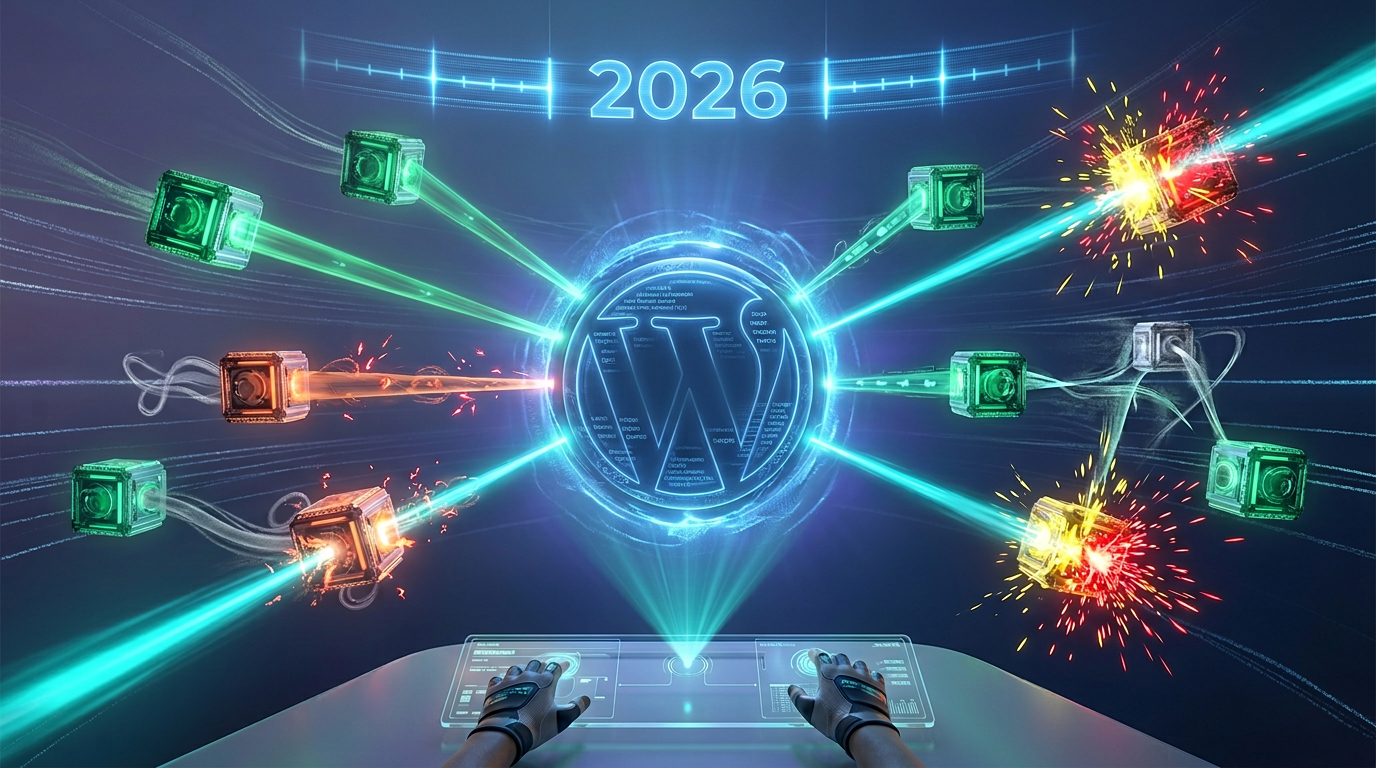
WordPress Plugin Energy Consumption: Unmasking Hidden Impacts & Solutions
In the digital landscape of 2026, where sustainability is a global imperative, understanding the environmental impact of our online activities has never been more critical. One often-overlooked area contributing to this impact is WordPress plugin energy consumption. While individual plugins may seem insignificant, their cumulative effect across millions of websites can lead to a substantial carbon footprint. This comprehensive guide will delve into how these seemingly innocuous pieces of software contribute to energy usage, identify the culprits, and provide actionable strategies to mitigate their environmental toll.
Understanding WordPress Plugin Energy Consumption: The Digital Footprint
Every interaction with a WordPress website, from loading a page to processing a form, involves server resources, data transfer, and ultimately, electricity. Plugins, by adding functionalities, often increase these demands. The more complex or poorly optimized a plugin is, the more processing power, memory, and database queries it requires. This translates directly into higher energy expenditure in data centers worldwide. In 2026, as internet usage continues to soar, even marginal inefficiencies in widely used plugins accumulate rapidly, significantly impacting overall WordPress plugin energy consumption.
The Mechanics of Energy Drain
Several factors inherent in plugin operation contribute to increased energy consumption:
- Excessive Database Queries: Plugins that frequently query the database for dynamic content, user settings, or statistics can put a significant load on the server. For a deeper dive into database optimization, explore The Silent Archaeologists: Uncovering Relict Database Queries & Schema Bloat in WordPress Plugins (2026).
- Inefficient Code Execution: Poorly written or unoptimized code requires more CPU cycles to process, leading to higher energy use. This often involves hidden JavaScript Dependencies that metabolize resources.
- Frequent External API Calls: Plugins that constantly connect to third-party services or APIs for data can increase network traffic and latency, consuming more resources.
- Resource-Intensive Features: Features like complex animations, real-time analytics, or advanced image processing, however useful, are often resource hogs. Understanding how plugins orchestrate micro-animations can shed light on some of these resource drains.
It's crucial to acknowledge that not all plugins are created equal regarding their environmental impact. Identifying the practices that lead to elevated WordPress plugin energy consumption is the first step towards a greener website.
Identifying High-Impact Plugins: Where the Energy Goes
Pinpointing the specific plugins that disproportionately contribute to energy consumption can be challenging but is essential for optimization efforts. General categories of plugins are often more resource-intensive due to their nature, directly influencing overall WordPress plugin energy consumption.
Common Culprits of Increased Energy Use
- Page Builders: While offering immense flexibility, complex page builders can generate bloated code and numerous database entries, increasing server load.
- Security Scanners and Firewalls: Constant monitoring, file integrity checks, and brute-force protection, though vital, demand significant background processing.
- Backup and Migration Plugins: Periodically backing up an entire site is a resource-intensive operation, especially for large websites.
- E-commerce Platforms (e.g., WooCommerce): Handling inventory, transactions, and user accounts adds substantial overhead compared to static sites.
- Analytics and Tracking Tools: Gathering and processing detailed visitor data often involves continuous database interactions and script execution.
- Image Optimization/Lazy Loading: While intended to improve performance, inefficient implementations can sometimes be resource-heavy themselves.
The key isn't necessarily to avoid these plugins entirely, but to choose well-optimized alternatives and configure them judiciously. A poorly selected or configured plugin in any of these categories can drastically increase WordPress plugin energy consumption.
Measuring and Monitoring WordPress Plugin Energy Consumption
To effectively reduce your website's carbon footprint, you need to understand where the biggest energy drains are. While directly measuring the kWh consumed by a specific plugin is difficult, proxy metrics can provide valuable insights into WordPress plugin energy consumption.
Tools and Techniques for Assessment
- Performance Monitoring Tools: Tools like GTmetrix, PageSpeed Insights, and WebPageTest analyze page load times, request counts, and file sizes. These indirectly indicate resource usage.
- Server Resource Monitoring: Check your hosting provider's control panel or use server monitoring tools (e.g., New Relic, cPanel metrics) to track CPU, RAM, and database usage. Spikes often correlate with plugin activity.
- Query Monitor Plugin: This WordPress plugin provides detailed insights into database queries, script execution times, and HTTP API calls, helping to pinpoint inefficient plugins.
- Plugin Activity Logs: Some robust plugins offer their own logging, which can reveal frequent background tasks or resource-intensive operations.
By regularly monitoring these metrics, website administrators can identify plugins contributing significantly to server load and, consequently, WordPress plugin energy consumption. This proactive approach is crucial in 2026 for maintaining an environmentally responsible online presence.
Best Practices to Reduce WordPress Plugin Energy Consumption
Mitigating the environmental impact of WordPress plugins involves a combination of careful selection, smart configuration, and ongoing maintenance. Implement these strategies to build a more sustainable website and reduce WordPress plugin energy consumption.
Strategic Plugin Management for Sustainability
- Audit Regularly: Routinely review installed plugins. Deactivate and delete any that are not actively used or are redundant. Every inactive plugin still represents potential overhead.
- Choose Lightweight Alternatives: When possible, opt for plugins known for their efficiency and minimal resource footprint. Read reviews and look for performance benchmarks.
- Configure Judiciously: Many plugins offer extensive settings. Disable unnecessary features, background processes, and external calls that aren't critical for your website's function.
- Keep Plugins Updated: Developers frequently release updates that include performance improvements and bug fixes. Outdated plugins can be less efficient and pose security risks.
- Optimize Your Database: Plugins often leave behind orphaned data. Regularly clean and optimize your WordPress database to improve query efficiency.
- Implement Caching Aggressively: Caching plugins significantly reduce server load by serving static versions of pages, thereby lowering the need for repeated database queries and script execution.
- Use a Reliable Host: Choose a web host that uses green energy, has optimized server configurations, and offers robust performance. The efficiency of the underlying infrastructure directly impacts energy use. A great starting point for finding eco-friendly hosting is The Green Web Foundation.
Adopting these best practices not only helps reduce WordPress plugin energy consumption but also leads to faster, more secure, and more reliable websites, benefiting both users and the planet.
The Future of Green WordPress: Innovations in 2026
As awareness of digital sustainability grows, the WordPress ecosystem is evolving. In 2026, we're seeing more tools and methodologies aimed at fostering greener web development and reducing WordPress plugin energy consumption.
Emerging Trends and Technologies
- Sustainable Coding Practices: Developers are increasingly prioritizing efficient algorithms, minimal resource usage, and clean code to reduce the environmental footprint of their plugins. This ethos aligns with broader discussions on sustainable web design principles.
- Serverless WordPress Solutions: While still evolving, serverless architectures can dynamically scale resources, potentially leading to more efficient energy use by only consuming power when requests are made.
- Automated Optimization Tools: Advanced AI-driven tools are emerging that can automatically identify and suggest optimizations for plugin configurations and website performance.
- Green Hosting Standards: The demand for eco-friendly hosting is pushing providers towards 100% renewable energy sources and more energy-efficient data center designs. For more on how data centers are tackling energy efficiency, refer to reports from organizations like the U.S. EPA on Green Data Centers.
- Core WordPress Improvements: The WordPress core itself continues to be optimized for better performance, which inherently reduces the resource demands on plugins.
By embracing these innovations and making conscious choices, website owners and developers have a significant opportunity to collectively reduce the WordPress plugin energy consumption and contribute to a more sustainable internet. The journey towards a truly green web is ongoing, and every optimized plugin is a step in the right direction.
Frequently Asked Questions

Written by Aras Akıncılar
Uzun yıllara dayanan WordPress deneyimine sahip bir siber güvenlik uzmanı olarak, eklenti ekosisteminin derinlemesine analizine odaklanıyorum. Güvenlik açıkları, performans düşüşleri ve uyumluluk sorunları üzerine hazırladığım makalelerle, WordPress kullanıcılarının sitelerini daha güvenli ve verimli hale getirmelerine yardımcı olmayı hedefliyorum.