WordPress Plugin Vulnerabilities and Protection
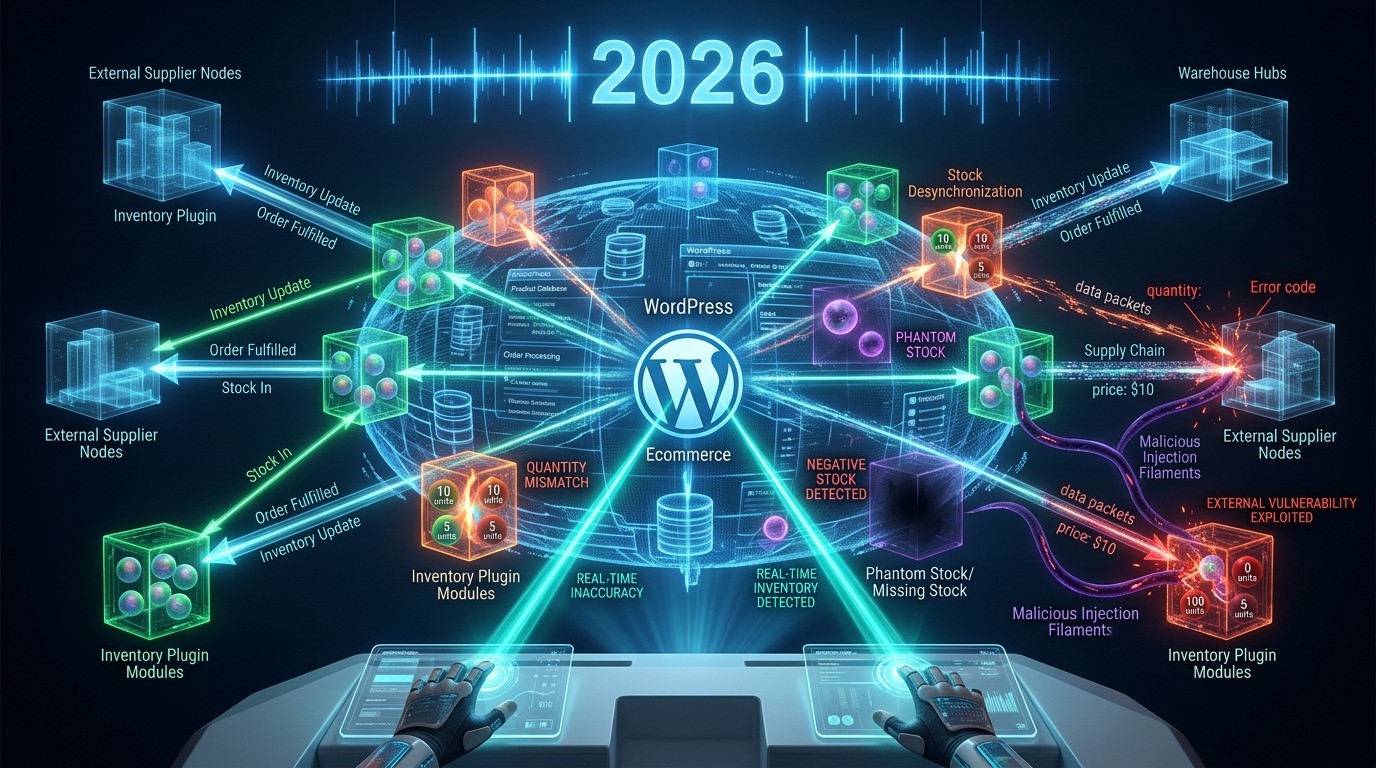
WordPress powers a significant portion of the internet, making it a prime target for malicious actors. While its flexibility and vast plugin ecosystem are major strengths, they also introduce potential security risks. This comprehensive guide delves into WordPress plugin vulnerabilities, exploring common threats, examining their impact, and providing practical strategies for protection. We will analyze and evaluate various aspects of plugin security, offering insights into maintaining a secure, stable, and high-performance WordPress website.
Understanding the WordPress Plugin Ecosystem
The WordPress plugin ecosystem is a double-edged sword. With tens of thousands of plugins available, users can extend their website's functionality almost infinitely. From e-commerce solutions to SEO tools, contact forms to security enhancements, plugins offer immense value. However, the sheer volume and diverse development practices within this ecosystem mean that not all plugins are created equal in terms of security.
Plugins are essentially pieces of software that integrate with your WordPress installation. They have access to your website's files, database, and often interact with external services. This level of access, while necessary for their functionality, also means that a vulnerable plugin can become a gateway for attackers to compromise your entire site.
Common WordPress Plugin Vulnerabilities
Understanding the types of vulnerabilities commonly found in WordPress plugins is the first step towards effective protection. These issues often stem from poor coding practices, lack of security awareness during development, or insufficient testing.
Cross-Site Scripting (XSS)
Cross-Site Scripting (XSS) is a prevalent vulnerability where attackers inject malicious scripts into web pages viewed by other users. In the context of WordPress plugins, this can happen if a plugin doesn't properly sanitize user input before displaying it. An attacker could, for instance, inject a script into a comment field or a custom post type, which then executes in the browser of anyone viewing that content.
The impact of XSS can range from stealing user session cookies, defacing websites, to redirecting users to malicious sites. It's a critical vulnerability that can compromise user data and site integrity.
SQL Injection
SQL Injection is another severe vulnerability, occurring when an attacker can manipulate database queries through user input. If a plugin constructs SQL queries without properly escaping or sanitizing input, an attacker can inject malicious SQL code. This code could then be executed by the database, allowing the attacker to retrieve sensitive information, modify data, or even gain administrative access to your WordPress site.
Protecting against SQL Injection requires diligent input validation and the use of prepared statements or parameterized queries in plugin development.
Arbitrary File Upload
Some plugins allow users to upload files, such as images for a gallery or documents for a download section. If these plugins do not adequately validate the type and content of uploaded files, an attacker could upload malicious files, like PHP scripts. Once uploaded, these scripts could be executed on the server, giving the attacker full control over your website.
Proper file type validation, size restrictions, and storing uploaded files outside the web root (or with strict permissions) are crucial to prevent this.
Broken Access Control
Broken Access Control vulnerabilities occur when users can perform actions they are not authorized to do. This might happen if a plugin doesn't correctly implement permission checks. For example, a regular subscriber might be able to access administrator-only functions, or a user could delete posts belonging to another user.
This type of vulnerability can lead to data loss, unauthorized content modification, and full site compromise if an attacker gains privileged access.
Insecure Direct Object References (IDOR)
IDOR vulnerabilities arise when an application exposes a direct reference to an internal implementation object, such as a file, directory, or database key. If a plugin uses a predictable ID in a URL or form field without proper authorization checks, an attacker could change the ID to access or modify other users' data or system files.
For example, if a plugin displays user profiles based on a numerical ID in the URL, an attacker could simply change that number to view or edit other users' private information.
Plugin-Related Threats: Beyond Code Vulnerabilities
Beyond specific code vulnerabilities, several other threats related to plugins can jeopardize your WordPress site's security and performance.
Outdated Code
One of the most common security risks stems from outdated plugins. Developers frequently release updates to fix bugs, improve features, and, critically, patch security vulnerabilities. If you're running an old version of a plugin, you're exposing your site to known exploits that have already been addressed in newer versions.
Regularly updating your plugins is paramount. Many attacks target publicly disclosed vulnerabilities in older plugin versions.
Insecure Configurations
Even a well-coded plugin can become a security risk if it's configured insecurely. Default settings are not always the most secure. For example, a security plugin might offer strong protection, but if its firewall rules are too permissive, or if logging is disabled, its effectiveness is diminished.
Always review and customize plugin settings to align with best security practices and your site's specific needs.
Excessive Permissions
Plugins often require certain permissions to function. However, some plugins request more permissions than they actually need. Granting excessive permissions can increase the attack surface. If such a plugin is compromised, the attacker gains control over all the permissions the plugin was granted, potentially leading to a more severe breach.
Always scrutinize the permissions a plugin requests, especially during installation, and question why a plugin might need access to sensitive areas of your site if its functionality doesn't strictly demand it.
Third-Party Dependencies
Many WordPress plugins rely on third-party libraries, frameworks, or external services to function. If these dependencies contain vulnerabilities, they can indirectly compromise your plugin and, by extension, your WordPress site. The plugin developer might not even be aware of these deeper vulnerabilities.
Keeping track of these dependencies and ensuring they are also up-to-date and secure adds another layer of complexity to plugin security.
Best Practices for WordPress Plugin Protection
Protecting your WordPress site from plugin-related vulnerabilities requires a multi-faceted approach, combining proactive measures with diligent maintenance.
1. Choose Reputable Plugins
The first line of defense is to be selective about the plugins you install. Always prioritize plugins from reputable sources, such as the official WordPress Plugin Directory.
* Check Reviews and Ratings: Look at the plugin's average rating and read user reviews. Pay attention to comments related to security, performance, and developer support.
* Active Development: Ensure the plugin is actively maintained. Check the "Last Updated" date, compatibility with the latest WordPress versions, and the frequency of updates. Stagnant plugins are a red flag.
* Developer Reputation: If possible, research the plugin developer. Do they have a good track record? Are they responsive to support requests?
* Installation Count: While not a definitive indicator of security, plugins with a large number of active installations often receive more scrutiny and bug reports, leading to more robust development.
2. Keep Plugins Updated
This cannot be stressed enough. Updates often contain critical security patches. Enable automatic updates for plugins where possible, or make it a routine to check for and install updates manually. Before updating, always back up your website.
3. Minimize Plugin Usage
Every plugin you install adds potential complexity and a new attack vector. Only install plugins that are absolutely essential for your website's functionality. If you're not using a plugin, deactivate and delete it. Deactivating alone isn't enough, as its files still reside on your server.
4. Implement a Robust Security Plugin
Install a reputable WordPress security plugin (e.g., Wordfence, Sucuri Security, iThemes Security). These plugins offer a suite of features that can help detect and prevent attacks, including:
* Firewall: To block malicious traffic.
* Malware Scanning: To identify compromised files.
* Login Security: Brute-force protection, two-factor authentication.
* Security Auditing: To monitor changes and suspicious activity.
5. Regular Backups
Even with the best security measures, breaches can occur. Regular, reliable backups are your last line of defense. Ensure you have a backup strategy that includes both your database and your files, and test your backups periodically to confirm they are restorable.
6. Use Strong Passwords and Two-Factor Authentication (2FA)
While not directly plugin-related, strong passwords and 2FA for all user accounts, especially administrators, add a crucial layer of security. If an attacker gains access through a plugin vulnerability, they still need to bypass login credentials.
7. Limit User Permissions
Follow the principle of least privilege. Grant users only the minimum necessary permissions required for their role. Avoid giving editor or author roles unnecessary access to plugin settings or administrative functions.
8. Conduct Security Audits and Scans
Periodically scan your WordPress site for vulnerabilities using online scanners or your security plugin's features. Consider professional security audits for high-value websites. These audits can uncover deeper issues that automated tools might miss.
9. Understand Plugin Functionality
Before installing a plugin, take the time to understand exactly what it does and what permissions it requires. If a simple contact form plugin asks for permissions to create new users or modify core files, it's a red flag.
10. Stay Informed About Vulnerabilities
Keep an eye on security news and vulnerability databases specific to WordPress. Sites like WPScan, Sucuri, and Wordfence regularly publish information about newly discovered vulnerabilities in plugins and themes. Subscribing to their newsletters can keep you informed.
Real-World Examples of Plugin Vulnerabilities
Numerous high-profile vulnerabilities have affected popular WordPress plugins over the years, underscoring the importance of vigilance.
* Slider Revolution: A premium plugin that had a critical vulnerability allowing attackers to upload arbitrary files, leading to widespread site compromises. This vulnerability highlighted the danger of not updating premium plugins promptly.
* Yoast SEO: While generally a very secure plugin, it has had XSS and SQL injection vulnerabilities in the past, quickly patched by the developers. This demonstrates that even leading plugins can have issues and why updates are so vital.
* Contact Form 7: Another widely used plugin that has experienced various vulnerabilities, including arbitrary file upload and XSS, emphasizing the need for proper input validation in any plugin handling user-submitted data.
These examples serve as stark reminders that no plugin is entirely immune to vulnerabilities, and continuous monitoring and updating are essential.
Conclusion
The WordPress plugin ecosystem is a powerful asset for website owners, offering unparalleled flexibility and functionality. However, this power comes with the responsibility of understanding and mitigating the inherent security risks. By being selective about plugin choices, diligently keeping them updated, and implementing robust security practices, you can significantly reduce your website's exposure to vulnerabilities.
Prioritizing security is not just about protecting your data; it's about safeguarding your reputation, ensuring business continuity, and providing a safe experience for your users. By following the guidelines outlined in this comprehensive guide, you can maintain a secure, stable, and high-performance WordPress website, effectively navigating the complex landscape of WordPress plugin vulnerabilities. Remember, proactive security is always more effective than reactive damage control.