The Silent Chronographs: Unmasking WordPress Time-Based Vulnerabilities in Plugins (2026)
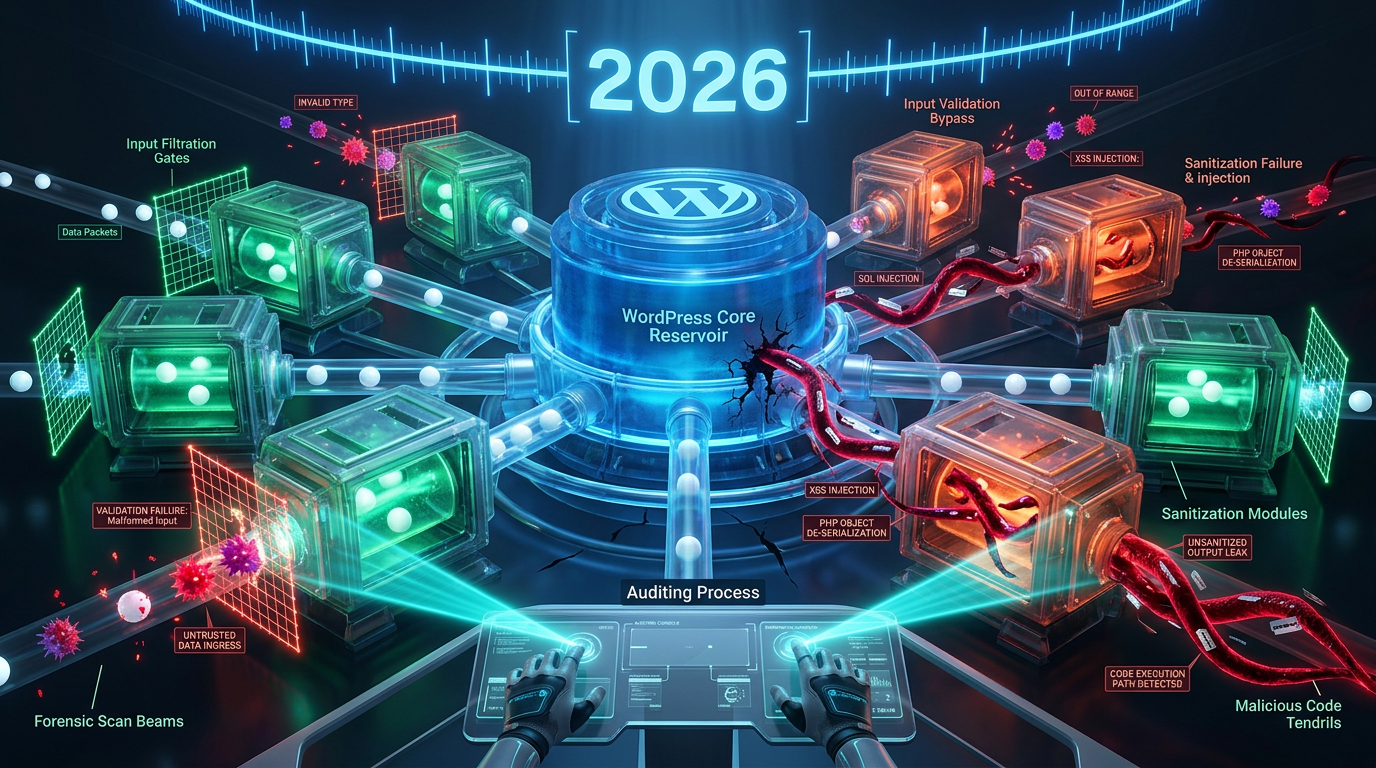
In the ever-evolving landscape of web security, understanding and mitigating risks is paramount, especially for platforms as widely used as WordPress. One often-overlooked yet critical area of concern involves WordPress time-based vulnerabilities. These subtle flaws, often disguised within seemingly benign plugin functionalities, can have significant implications for website security, performance, and data integrity. For a broader understanding of how plugins impact various aspects, consider exploring How WordPress Plugins Shape Code Quality & Maintainability in 2026. As we navigate 2026, the sophistication of cyber threats continues to escalate, making a proactive stance against all forms of vulnerabilities, including those tied to timestamps and time-sensitive operations, more essential than ever.
Understanding the Nature of WordPress Time-Based Vulnerabilities
Time-based vulnerabilities are a unique class of security flaws that exploit the dependency of an application's logic on time, or the timing of events. In the context of WordPress plugins, this can manifest in various ways, from race conditions to improperly handled expiry times for sessions, tokens, or temporary data. These silent chronographs can tick away, unnoticed, until exploited by an attacker, leading to unauthorized access, denial-of-service, or data manipulation.
Unlike more overt vulnerabilities like SQL injection or cross-site scripting, WordPress time-based vulnerabilities often require a more nuanced understanding of a plugin's internal workings and how it interacts with the WordPress core and other plugins over time.
What Constitutes a Time-Based Flaw?
A time-based flaw isn't just about a "timing attack" in the traditional cryptographic sense, though that can be a component. It encompasses any scenario where the outcome of an operation or the security posture of the site can be altered or compromised due to:
- Predictable or manipulable timestamps.
- Race conditions where the order of operations matters critically.
- Insecure handling of time-limited resources (e.g., password reset tokens, nonce values).
- Client-side time dependency that can be bypassed.
Real-World Impact on WordPress Sites (2026)
The consequences of neglecting WordPress time-based vulnerabilities can be severe. Imagine a plugin that handles temporary user sessions, but doesn't properly invalidate them after a set period, or allows for the manipulation of session expiry dates. An attacker could potentially maintain persistent access, even after a legitimate user has logged out. Similarly, race conditions in order processing plugins could lead to users receiving items without proper payment confirmation, or even double-spending exploits.
In 2026, with WordPress powering over 43% of the web, such vulnerabilities in popular plugins represent a substantial attack surface that sophisticated threat actors are increasingly targeting. For insights into other critical security areas, delve into Unmasking Hidden Authentication Bypasses in WordPress Plugins (2026).
Common Scenarios for WordPress Time-Based Vulnerabilities in Plugins
WordPress plugins, by their nature, often introduce complex logic and interact deeply with the site's data and user management. This complexity, combined with varying levels of development expertise, creates fertile ground for WordPress time-based vulnerabilities to emerge.
Race Conditions in Plugin Operations
Race conditions occur when multiple processes or threads attempt to access and modify shared resources simultaneously, and the final outcome depends on the non-deterministic order of operations. In WordPress plugins, this could involve:
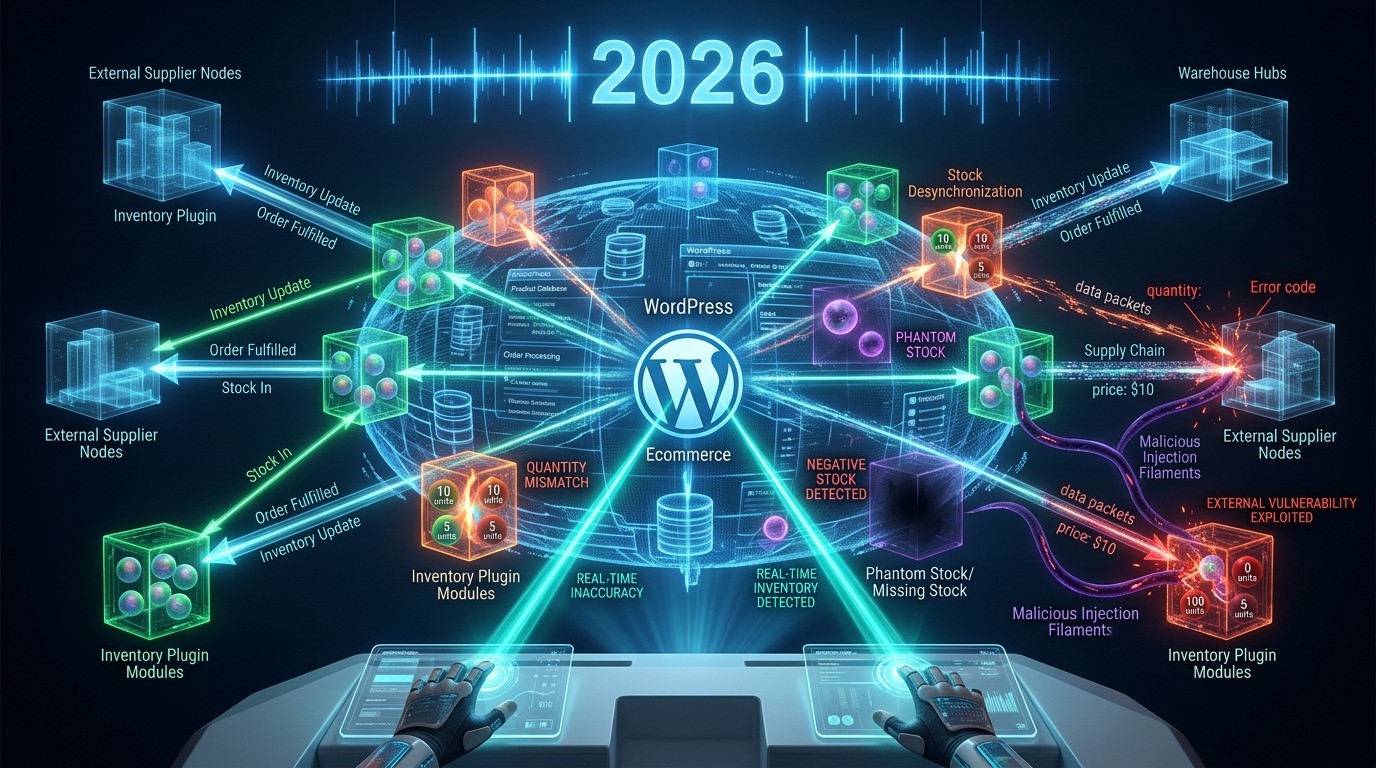
- Inventory management: Two users simultaneously adding the last item of a product to their cart. If not handled correctly, both might "buy" the item, leading to overselling.
- User registration/login: Exploiting timing differences to bypass rate limiting or acquire duplicate resources.
- File uploads: If a plugin processes a file immediately upon upload and then performs a security scan, a race condition could allow an attacker to replace the clean file with a malicious one before the scan completes.
Expired Nonces and Token Handling Issues
WordPress Nonces (Number Used Once) are a crucial security measure designed to protect against Cross-Site Request Forgery (CSRF) attacks. They are context- and time-sensitive. However, if a plugin:
- Generates nonces with excessively long lifespans, or without proper validation.
- Fails to invalidate nonces after use, making them reusable.
- Relies on client-side timestamps for nonce validity without server-side verification.
...it introduces significant WordPress time-based vulnerabilities, potentially allowing attackers to replay actions or bypass security checks. Similar issues arise with password reset tokens or API keys that lack proper time-based expiration and invalidation.
Insecure Session Management and Timeouts
Plugins that implement custom session management (rather than relying solely on WordPress's built-in system) are particularly susceptible. If session expiry times are easily manipulable, or if sessions are not properly terminated after inactivity or logout, an attacker can hijack a legitimate user's session, leading to unauthorized access. This can be a critical wordpress time-based vulnerabilities vector.
Identifying and Mitigating WordPress Time-Based Vulnerabilities
For both plugin developers and site administrators, recognizing and addressing these subtle flaws is crucial. The proactive approach is always the best defense against WordPress time-based vulnerabilities.
Best Practices for Plugin Development
- Server-Side Time Validation: Always validate time-sensitive data (e.g., expiry dates, timestamps) on the server-side. Never solely trust client-side time.
- Atomic Operations: For critical operations involving shared resources, use database transactions or locks to ensure atomicity, preventing race conditions.
- Short-Lived Nonces and Tokens: Implement nonces with appropriate, short lifespans and ensure they are invalidated immediately after use. For non-WordPress generated tokens, enforce strict expiry.
- Secure Session Handling: If custom sessions are necessary, ensure they are securely managed, have reasonable inactivity and absolute timeouts, and are invalidated upon logout.
- Rate Limiting: Implement robust rate limiting on sensitive endpoints (e.g., login attempts, password resets) to mitigate timing attacks and brute force.
- Thorough Testing: Conduct extensive testing, including concurrency testing, to identify potential race conditions.
For WordPress Site Administrators (2026)
While developers are responsible for secure coding, site administrators play a vital role in choosing and managing plugins:
- Choose Reputable Plugins: Opt for plugins from well-established developers with a strong security track record. Websites like the official WordPress plugin directory are excellent resources.
- Keep Plugins Updated: Developers frequently release patches for identified vulnerabilities, including WordPress time-based vulnerabilities. Staying updated is non-negotiable.
- Security Scanners: Utilize security scanning tools that can identify known vulnerabilities in plugin code. While these might not catch every novel time-based exploit, they are a strong first line of defense.
- Regular Audits: Periodically review installed plugins, removing any that are no longer needed or are from untrusted sources.
- Monitor Logs: Keep an eye on your WordPress activity logs for unusual patterns or failed login attempts that might indicate attempts to exploit timing-related weaknesses.
The Future of Time-Based Security in WordPress Plugins (2026 and Beyond)
As the WordPress ecosystem continues to grow, and plugins evolve to offer more complex functionalities, the scrutiny on all types of vulnerabilities, including WordPress time-based vulnerabilities, will intensify. In 2026, we are seeing a greater emphasis on automated security analysis tools and more comprehensive security reviews within the official WordPress plugin repository. Understanding the broader security implications of plugin choices is crucial, as highlighted in The Silent Battleground: Unmasking Digital Supply Chain Risks in WordPress Plugins for 2026. The community's collective effort in sharing knowledge about potential threats and best practices is paramount. By understanding the subtle yet powerful nature of time-based exploits, both developers and users can contribute to a more secure WordPress environment for everyone.
Protecting against these "silent chronographs" requires diligence, continuous education, and a commitment to secure coding practices. The security of WordPress sites depends on it. For more detailed insights into plugin management and its impact, consider exploring resources like WordPress Developer Handbook for Plugins.
Frequently Asked Questions

Written by Aras Akıncılar
Uzun yıllara dayanan WordPress deneyimine sahip bir siber güvenlik uzmanı olarak, eklenti ekosisteminin derinlemesine analizine odaklanıyorum. Güvenlik açıkları, performans düşüşleri ve uyumluluk sorunları üzerine hazırladığım makalelerle, WordPress kullanıcılarının sitelerini daha güvenli ve verimli hale getirmelerine yardımcı olmayı hedefliyorum.