Unlocking Modern UIs: WordPress Web Components in 2026
The landscape of web development is constantly evolving, and a significant shift is underway in how we build user interfaces. One of the most exciting advancements is the growing adoption of WordPress Web Components, which empower developers to create reusable, encapsulated, and framework-agnostic UI elements. In 2026, these custom elements are no longer just a theoretical concept; they are becoming a practical and powerful tool for extending HTML within the WordPress ecosystem, allowing for more dynamic and performant websites. This integration is changing how plugins enrich WordPress functionalities, moving beyond traditional shortcodes and into a realm of truly modular design.
Understanding WordPress Web Components: The New Frontier
WordPress Web Components represent a paradigm shift in front-end development, offering a standardized way to create custom, reusable, and encapsulated HTML tags. This technology is a collection of several W3C specifications:
- Custom Elements: Allow you to define new HTML tags and their behavior.
- Shadow DOM: Provides encapsulation for a component's internal structure and styles, preventing conflicts with other parts of the page.
- HTML Templates: Define markup snippets that are not rendered immediately but can be instantiated later.
- ES Modules: The standard for organizing JavaScript code, offering a native module system.
The beauty of Web Components lies in their interoperability. They work seamlessly with any JavaScript framework, or no framework at all, making them an ideal candidate for integration into a robust and diverse platform like WordPress. This flexibility is crucial for developers accustomed to the vast array of themes and plugins that often come with their own styling and scripting conventions.
Why Web Components Matter for WordPress
The ability to create truly reusable UI components brings numerous benefits:
- Enhanced Reusability: Build once, use anywhere. This reduces development time and ensures consistency across different parts of a website.
- Improved Maintainability: Encapsulated components are easier to debug and update, as changes within one component are less likely to affect others.
- Framework Agnosticism: Unlike proprietary solutions, Web Components can be used with React, Vue, Angular, or even plain JavaScript, future-proofing your development efforts.
- Better Performance: By loading only the necessary assets for a component, and leveraging native browser functionality, Web Components can contribute to faster page loads.
As of 2026, browser support for Web Components is excellent across all major browsers, making them a viable and reliable option for production environments within WordPress. For a deeper understanding of how plugins are shaping the client-side experience, explore The Silent Conductors: How WordPress Plugins Dictate Browser Scripting & Client-Side Logic in 2026.
Plugin Integration: Extending WordPress with Custom Elements
The adoption of WordPress Web Components within the plugin ecosystem is where their true power becomes evident. Historically, plugins have relied heavily on shortcodes, JavaScript libraries, and custom PHP to render dynamic content. While effective, this approach often led to "plugin bloat," styling conflicts, and performance bottlenecks. Web Components offer a cleaner, more modular way to achieve similar, and often superior, results.
For instance, a plugin that provides a complex booking widget can now package it as a single Web Component. This component would encapsulate all its HTML, CSS, and JavaScript, rendering it as a simple custom tag like <my-booking-widget></my-booking-widget>. This approach simplifies theme integration and reduces the chances of conflicts with other plugins or theme styles.
Building Web Components for WordPress Plugins
Integrating Web Components into WordPress plugins typically involves:
- Defining the Custom Element: Using JavaScript, register your custom element with the
customElements.define()method. - Templating with Shadow DOM: Utilize CSS and HTML within the Shadow DOM for encapsulated styling and structure.
- Handling Attributes and Properties: Pass data into your component via HTML attributes or JavaScript properties.
- Registering Scripts and Styles: Enqueue the necessary JavaScript and CSS files for your Web Component using WordPress's standard enqueueing functions.
- Frontend Integration: Output the custom HTML tag in your plugin's shortcode, block, or widget output.
Modern build tools like Webpack or Rollup are often used to bundle and optimize Web Component assets, ensuring efficient loading and delivery to the browser. This approach greatly enhances a site's Core Web Vitals, a critical factor for search engine ranking in 2026.
Security Considerations and Best Practices for WordPress Web Components
While WordPress Web Components offer significant advantages, it's crucial to address potential security implications, especially when integrating them through plugins. The primary concern revolves around the integrity of the code and the data they handle. Just like any other script or element, poorly constructed Web Components can open doors to vulnerabilities.
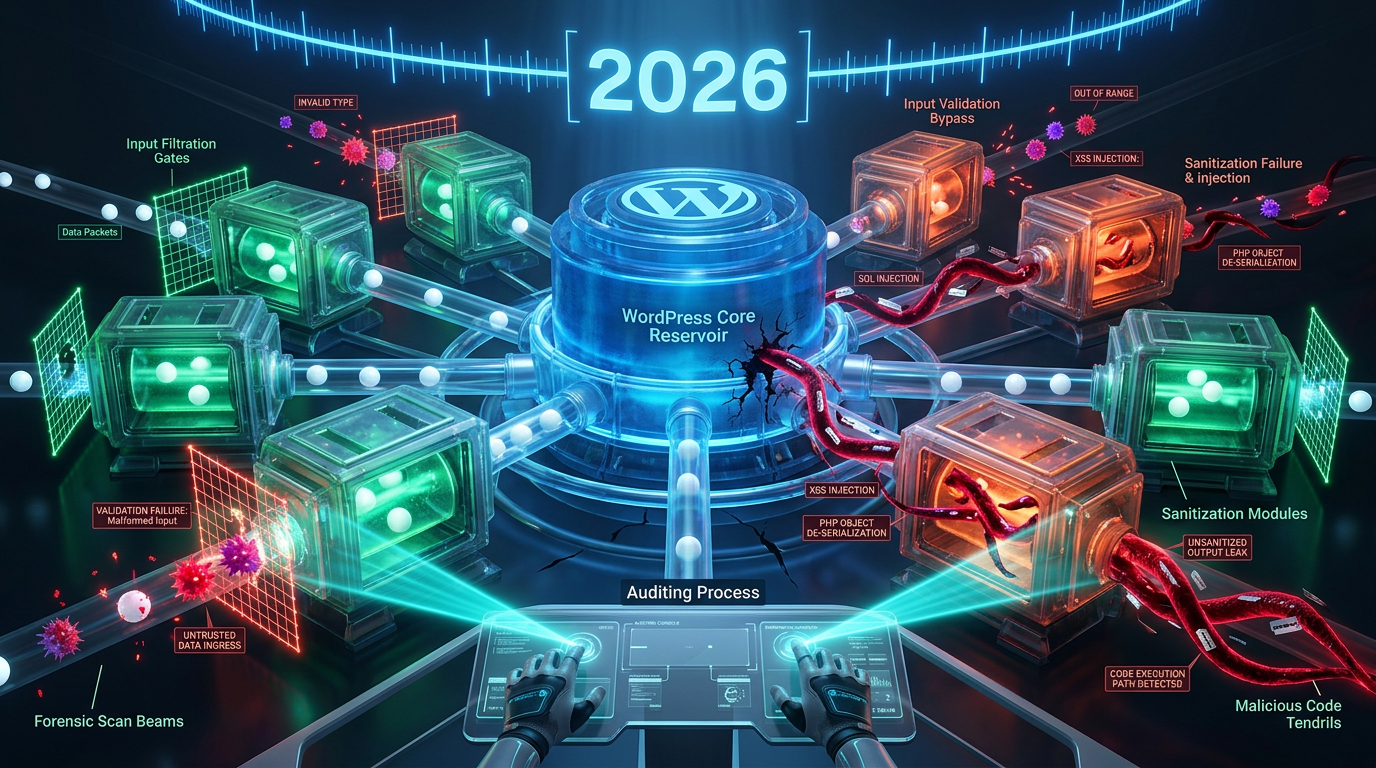
One major risk is Cross-Site Scripting (XSS). If a component processes user-provided content without proper sanitization, malicious scripts could be injected. Similarly, insecure configurations within the component's logic might bypass security measures elsewhere on the site. Developers must be diligent in sanitizing all inputs and outputs associated with their Web Components.
Mitigating Risks in Web Component Development
- Input Validation and Sanitization: Always validate and sanitize any data that enters your component, especially data originating from user input or external APIs.
- Strict Content Security Policy (CSP): Implement a robust CSP to restrict the sources from which scripts and other assets can be loaded, limiting potential injection attacks.
- Regular Updates: Keep all Web Component libraries and dependencies up-to-date to patch known vulnerabilities.
- Code Audits: Periodically review your Web Component code for security flaws and adhere to secure coding practices.
- Principle of Least Privilege: Ensure your components only have access to the resources and data absolutely necessary for their function.
For plugin developers, transparent documentation about how their WordPress Web Components handle data and security is paramount to building trust within the community. In 2026, security is not an afterthought but an integral part of the development cycle. For more on fortifying your WordPress site, consider best practices in user permissions and privilege elevation.
Performance Implications of WordPress Web Components for Plugins
The performance of a WordPress website is critical for user experience and SEO. The way plugins integrate and utilize WordPress Web Components can significantly impact loading times and overall responsiveness. While Web Components promise better performance through encapsulation and native browser support, improper implementation can lead to new bottlenecks.
Loading multiple, unoptimized Web Components can increase initial page load times due to larger script payloads. Additionally, complex rendering logic within a component, especially without proper optimization techniques, can strain the browser's main thread, leading to a sluggish user interface. It's essential to strike a balance between modularity and efficient delivery.
Optimizing Web Component Performance in WordPress
- Lazy Loading: Implement lazy loading for Web Components that are not critical for the initial page render. Load them only when they become visible or are needed.
- Code Splitting: Break down large Web Component bundles into smaller, more manageable chunks using build tools, loading only what's necessary on a given page.
- Optimized Asset Delivery: Ensure all JavaScript and CSS files related to your Web Components are minified, gzipped, and served from efficient CDNs.
- Efficient Rendering: Design your components to minimize re-renders and avoid expensive DOM operations, particularly within the Shadow DOM.
- Browser Caching: Leverage browser caching for Web Component assets to reduce subsequent load times for returning visitors.
Plugins incorporating WordPress Web Components should prioritize these performance best practices to deliver a superior user experience, aligning with the ever-increasing demands for faster websites in 2026. This optimization also plays a role in how search engines crawl and index your site.
The Future of WordPress Web Components in the Ecosystem
Looking ahead into 2026, the integration of WordPress Web Components is poised to become even more pervasive. We are witnessing a trend towards more declarative and component-driven development within WordPress, partly driven by the Block Editor (Gutenberg), which itself utilizes a component-based architecture (React). This synergy between native WordPress approaches and Web Components is creating a powerful new toolkit for developers.
The community is actively exploring standardized ways to integrate Web Components more seamlessly into the Block Editor, potentially allowing custom elements to be registered and managed as native blocks. This would further democratize the creation of advanced UI elements, making them accessible even to less technical users through the familiar block interface.
Anticipated Developments and Challenges
- Increased Tooling Support: Expect more sophisticated tools for building, testing, and debugging Web Components specifically tailored for WordPress environments.
- Standardization in Plugin Development: A move towards more consistent patterns for integrating Web Components will emerge, reducing fragmentation.
- Accessibility Best Practices: Greater emphasis will be placed on ensuring Web Components are built with accessibility in mind from the ground up, providing inclusive web experiences. Visit W3C's Web Accessibility Initiative for comprehensive guidelines on accessible component development.
- Interoperability with Legacy Systems: Challenges will remain in ensuring seamless compatibility with older themes and plugins that do not inherently understand Web Components. For insights on managing compatibility, refer to The Silent Orchestrators: How WordPress Plugins Dictate Future-Proofing & Backward Compatibility in 2026.
- Education and Adoption: As with any new technology, educating the broader WordPress developer community about the benefits and best practices of Web Components will be crucial for widespread adoption. Resources like web.dev's Web Components learning path can be invaluable for developers looking to get started.
The journey of WordPress Web Components is still unfolding, but its trajectory in 2026 indicates a future where modular, performant, and maintainable user interfaces become the standard, pushing the boundaries of what's possible within the world's most popular CMS. The future development of Web Components is also closely linked to browsers' evolving capabilities, as discussed on MDN Web Docs on Web Components.
Frequently Asked Questions

Written by Aras Akıncılar
Uzun yıllara dayanan WordPress deneyimine sahip bir siber güvenlik uzmanı olarak, eklenti ekosisteminin derinlemesine analizine odaklanıyorum. Güvenlik açıkları, performans düşüşleri ve uyumluluk sorunları üzerine hazırladığım makalelerle, WordPress kullanıcılarının sitelerini daha güvenli ve verimli hale getirmelerine yardımcı olmayı hedefliyorum.