The Ecosystem Unraveled: How Niche WordPress Plugins Thrive (or Fail) in 2026
In the expansive and ever-evolving universe of WordPress, the right tools can make all the difference. This is especially true for businesses and individuals operating in specialized sectors. Understanding the dynamics of niche WordPress plugins is crucial for anyone looking to optimize their online presence in 2026. These tailored solutions cater to specific, often underserved, market segments, offering functionalities that generic plugins simply cannot match. However, their success and longevity are subject to a unique set of challenges and opportunities.
Defining and Discovering Niche WordPress Plugins
What exactly constitutes a "niche" WordPress plugin? Simply put, it's a plugin designed with a very specific, often narrow, industry or user base in mind. Instead of aiming for mass appeal, these plugins solve precise problems for a defined group. Think along the lines of a plugin for managing veterinary practice appointments, a custom booking system for escape rooms, or a donation platform for non-profits specializing in environmental conservation. Their strength lies in their hyper-specialization.
Identifying these specialized plugins requires a keen understanding of your specific needs and the market. Generic searches often yield generic results. Instead, focus on problem-solving. What unique challenges does your niche face that a standard plugin can't address? This approach will guide you to the appropriate niche WordPress plugins.
Examples of Thriving Niche WordPress Plugin Categories
- Event Management for Specific Industries: From music festivals to medical conferences, plugins offering tailored registration, scheduling, and communication features excel.
- Specialized E-commerce Add-ons: Beyond WooCommerce, there are plugins for selling digital art, custom-printed merchandise with design tools, or even subscription boxes for niche hobbies.
- Industry-Specific Directories/Listings: Think real estate with advanced filtering, local service providers with specialized booking, or educational resource platforms.
- CRM/ERP Integrations for Small Businesses: Plugins that seamlessly connect a WordPress site with a CRM system bespoke to a certain service industry, like beauty salons or automotive repair shops.
The Anatomy of Success: What Makes Niche WordPress Plugins Thrive in 2026
For a niche WordPress plugin to truly succeed in today's competitive landscape, several factors must align. It's not enough to simply exist; the plugin must provide substantial value, maintain high standards, and adapt to the ever-changing WordPress ecosystem. Developers of successful niche solutions understand their target audience intimately and build accordingly.
Deep Understanding of the Niche
The foremost success factor is an unparalleled understanding of the target niche. This includes their workflows, pain points, terminology, and legal requirements. A developer who works closely with professionals in a given niche can create a plugin that feels intuitive and indispensable. This deep insight ensures the plugin addresses actual needs, not just perceived ones.
Uncompromising Quality and Support
Even for niche solutions, quality is paramount. This encompasses clean code, robust functionality, and an intuitive user interface. Furthermore, excellent customer support can be a significant differentiator. Users of niche WordPress plugins often rely heavily on these tools for their core operations, making responsive and knowledgeable support non-negotiable. Regular updates to ensure compatibility with the latest WordPress versions and other popular plugins are also essential.
Effective Marketing and Community Building
Marketing for niche plugins often differs from broader market approaches. It involves targeting specific communities, forums, and industry publications. Building a strong community around the plugin, fostering discussions, and gathering feedback can create loyalty and drive organic growth. Testimonials and case studies from satisfied users within the niche are incredibly powerful.
Common Pitfalls and Why Niche WordPress Plugins Fail
While the potential for success is significant, many niche WordPress plugins struggle to gain traction or sustain themselves. Understanding these common pitfalls is crucial for both users choosing plugins and developers creating them. The WordPress ecosystem, while flexible, demands diligence and foresight.
Security Vulnerabilities and Outdated Code
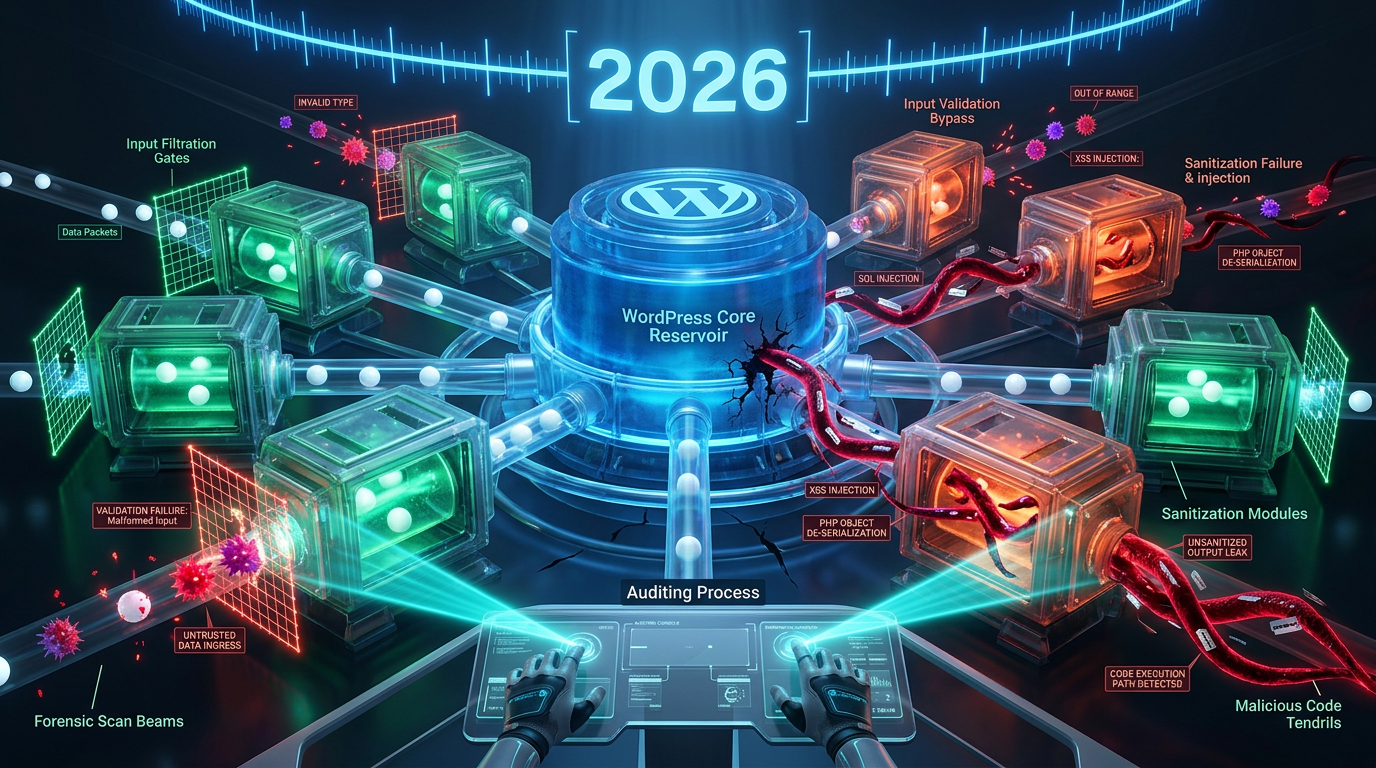
One of the most critical reasons for failure involves security. Niche plugins, especially those with smaller development teams, can sometimes lag in security updates. This leaves websites vulnerable to attacks, data breaches, and other malicious activities. Outdated code, an issue frequently encountered in less maintained plugins, can lead to performance degradation, compatibility problems with newer WordPress versions or PHP, and even complete site breakdowns. Ensuring your niche WordPress plugins are regularly updated and vetted for security is non-negotiable. For a deeper dive into protecting your site, explore our article on WordPress Plugin Vulnerabilities and Protection.
Performance Issues and Resource Hogging
Poorly coded plugins, regardless of their niche focus, can significantly impact website performance. Excessive database queries, unoptimized scripts, or bloated code can slow down page load times, affecting user experience and SEO rankings. In 2026, where site speed is a major ranking factor, a slow plugin can be a deal-breaker. To understand this better, read about The Silent Sabotage: Unmasking CPU Hogs and Memory Leaks in WordPress Plugins (2026). Users should always check reviews and developer responsiveness regarding performance concerns before committing to a niche solution.
Compatibility Problems and Third-Party Dependencies
The WordPress ecosystem is a complex web of themes, core updates, and other plugins. Niche plugins often rely on specific third-party libraries or might conflict with popular themes or other essential plugins. These compatibility issues can lead to unexpected errors, broken functionalities, and significant frustration. Before installing any niche plugin, it's wise to test it in a staging environment and check for documented compatibility with your existing stack. Excessive reliance on external, unmaintained dependencies is a red flag, as detailed in The Silent Upgrade: Uncovering Hidden Dependencies and Their Impact on WordPress in 2026.
Lack of Support and Future Development
A thriving plugin requires ongoing support and development. Niche plugins from smaller developers might suffer if the original creator loses interest, moves on, or lacks the resources to continue maintenance. This can result in abandonment, leaving users with an unsupported product that quickly becomes obsolete or insecure. Always evaluate the developer's track record, community engagement, and commitment to long-term support for their niche WordPress plugins.
Best Practices for Using and Evaluating Niche WordPress Plugins in 2026
Navigating the world of niche WordPress plugins effectively requires a strategic approach. Both site owners and developers can employ best practices to ensure stability, security, and peak performance. The key is to be proactive and informed in your decision-making processes.
Thorough Vetting Before Installation
- Read Reviews and Ratings: Pay close attention to recent reviews, especially those mentioning support responsiveness, update frequency, and bug fixes.
- Check Update History: A plugin that hasn't been updated in over a year (as of 2026) is a potential liability. Consistent updates indicate active development and security patching.
- Examine Developer Background: Research the developer or team. Do they have other reputable plugins? Are they active in the WordPress community?
- Review Support Forums/Documentation: Gauge the quality and speed of developer support. Comprehensive documentation is also a good sign. For external insights on plugin selection, consider resources like WordPress Developer Handbook: Plugins.
- Test in a Staging Environment: Never install new plugins directly on a live site. Use a staging site to test for compatibility, performance impact, and potential conflicts.
Security Audits and Regular Maintenance
For any niche WordPress plugins you rely on, regular security audits are essential. Utilize security plugins that can scan for vulnerabilities, and consider professional audits for critical niche functionalities. Implement a robust backup strategy to quickly restore your site in case of issues. Keep all plugins, themes, and WordPress core updated to their latest versions to patch known vulnerabilities and ensure optimal performance. Learn more about Future-Proofing Your WordPress: Essential Plugin Auditing Strategies for 2026.
Considering Custom Development vs. Niche Plugins
Sometimes, even the best niche WordPress plugins might not perfectly fit your unique requirements. In such cases, weighing the cost and benefits of custom development against modifying an existing niche plugin is crucial. Custom development offers complete control and perfect fit but comes with higher initial costs and ongoing maintenance responsibilities. A hybrid approach, utilizing a well-built niche plugin as a base and then customizing it, can often provide a balanced solution. For a broader understanding of plugin choices, consider exploring WPBeginner's Plugin Guides.
The Future of Niche WordPress Plugins: Opportunities and Challenges
As 2026 unfolds, the landscape for niche WordPress plugins continues to evolve. The demand for highly specialized, efficient, and integrated solutions shows no signs of slowing down. Artificial Intelligence and machine learning are poised to integrate more deeply into these niche tools, offering predictive analytics, automated workflows, and more personalized user experiences. For insights into the broader technological landscape impacting WordPress, refer to Kinsta's WordPress Statistics and Facts.
However, challenges persist. WordPress's block editor (Gutenberg) continues its evolution, demanding that older plugins adapt or risk becoming incompatible. The increasing emphasis on sustainability and energy efficiency in web development will also influence plugin design and deployment. Developers who prioritize modularity, performance, and forward-thinking compatibility will be the ones whose niche WordPress plugins truly thrive in the coming years.
Ultimately, the success or failure of any niche WordPress plugin hinges on its ability to solve specific problems effectively, securely, and sustainably, earning the trust and sustained loyalty of its specialized user base.
Frequently Asked Questions

Written by Aras Akıncılar
Uzun yıllara dayanan WordPress deneyimine sahip bir siber güvenlik uzmanı olarak, eklenti ekosisteminin derinlemesine analizine odaklanıyorum. Güvenlik açıkları, performans düşüşleri ve uyumluluk sorunları üzerine hazırladığım makalelerle, WordPress kullanıcılarının sitelerini daha güvenli ve verimli hale getirmelerine yardımcı olmayı hedefliyorum.