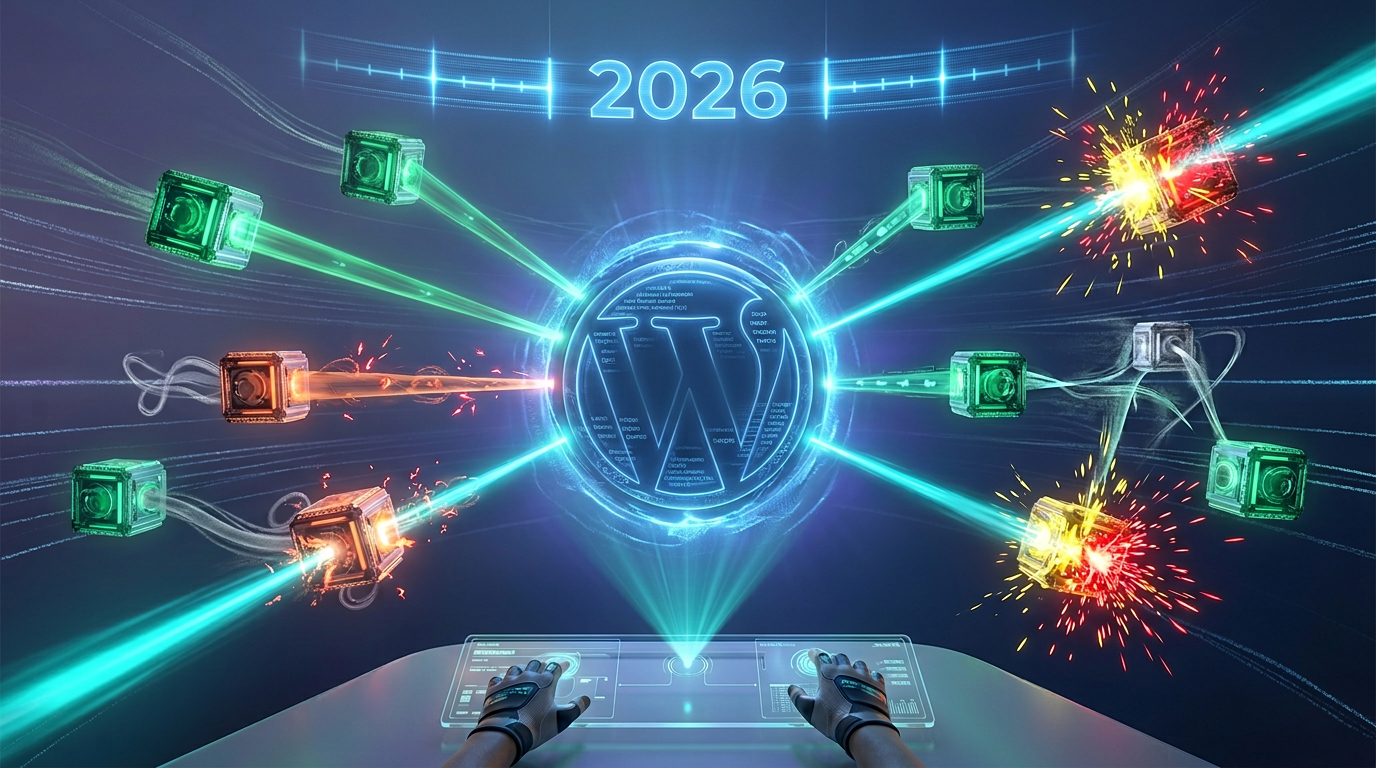
Unlocking Peak Performance with a WordPress Adaptive Rendering Plugin in 2026
In the rapidly evolving landscape of web development, optimizing user experience and site performance has become more critical than ever. One of the most significant advancements in this domain is the emergence of intelligent rendering techniques, and at the forefront for WordPress users is the WordPress Adaptive Rendering Plugin. These innovative plugins are designed to dynamically adjust how content is delivered and displayed to visitors, leading to faster load times, improved SEO, and a more seamless browsing experience across all devices. As we navigate 2026, understanding the power and potential pitfalls of such sophisticated tools is paramount for any serious WordPress site owner.
For a broader perspective on how plugins are silently orchestrating other advanced web functionalities, consider diving into The Silent Virtuosos: Unmasking WordPress Plugins Orchestrating Advanced Browser APIs & Device Functionality in 2026.
The Evolution of Web Rendering: Why a WordPress Adaptive Rendering Plugin is Essential
The traditional server-side rendering (SSR) and client-side rendering (CSR) models each have their strengths and weaknesses. SSR offers quick initial page loads for SEO, while CSR provides richer, more interactive user experiences. However, modern web applications, especially those built on platforms like WordPress, demand a hybrid approach that leverages the best of both worlds. This is where adaptive rendering techniques, often powered by a robust WordPress Adaptive Rendering Plugin, truly shine.
Adaptive rendering monitors various factors, such as network conditions, device capabilities, and user behavior, to decide the most efficient way to render content. This dynamic approach means a user on a slow mobile connection might receive a highly optimized, lean version of a page, while a user on a high-bandwidth desktop connection experiences a fully interactive, feature-rich version. The result is a consistently high-quality experience for everyone, regardless of their circumstances. Implementing a WordPress Adaptive Rendering Plugin ensures your site performs optimally for every visitor.
Understanding Adaptive Rendering vs. Traditional Methods
- Server-Side Rendering (SSR): The server generates the complete HTML for a page before sending it to the browser.
- Pros: Excellent for SEO, fast initial load time, good for static content.
- Cons: Can be slow for interactive elements, entire page reload on navigation.
- Client-Side Rendering (CSR): The browser downloads a minimal HTML shell and JavaScript, then renders the content dynamically.
- Pros: Highly interactive, smooth transitions, rich user interfaces.
- Cons: Slower initial load, potential SEO challenges, requires JavaScript to be enabled.
- Adaptive Rendering: A dynamic approach that combines aspects of both, often utilizing techniques like progressive hydration.
- Pros: Optimized for diverse user conditions, better overall performance and user experience, improved SEO.
- Cons: Can add complexity to development and debugging, requires careful configuration.
The Rise of Progressive Hydration in 2026
Progressive hydration is a key technique often integrated into a sophisticated WordPress Adaptive Rendering Plugin. Instead of hydrating the entire page at once (making it interactive), progressive hydration makes parts of the page interactive as they become visible or as the user interacts with them. This significantly reduces the time to interactivity, making the site feel much faster and more responsive. It's a game-changer for complex WordPress sites laden with plugins and dynamic content.
This method focuses on prioritizing critical components, ensuring that users can interact with the most important parts of your website almost immediately, even as other, less critical elements continue to load in the background. It’s a smart way to manage the performance overhead often associated with highly interactive web experiences. For more insights into how plugins manage resources, read about The Silent Bioreactors: How WordPress Plugins Metabolize & Excrete JavaScript Dependencies in 2026.
Key Features to Look for in a WordPress Adaptive Rendering Plugin
When selecting a WordPress Adaptive Rendering Plugin in 2026, it's crucial to evaluate its features beyond just basic rendering capabilities. The right plugin should offer a comprehensive suite of tools to optimize your site effectively without introducing new complications. Here are some essential features to consider for your WordPress Adaptive Rendering Plugin:
- Intelligent Device and Network Detection: The plugin should accurately identify the user's device type (desktop, tablet, mobile), screen size, and current network speed to tailor the rendering strategy accordingly.
- Conditional Component Loading: The ability to load specific WordPress components, widgets, or blocks only when they are needed or visible to the user.
- Progressive Hydration Support: As discussed, this is vital for improving time to interactivity and overall perceived performance.
- Lazy Loading of Images and Videos: Standard performance optimization, but essential for adaptive rendering to prevent unnecessary resource loading.
- Critical CSS Extraction: Automatically identifying and inlining the CSS required for the above-the-fold content to render immediately.
- Integration with Caching Solutions: Seamless compatibility with popular WordPress caching plugins to further boost performance.
- User-Friendly Configuration: While powerful, the plugin should ideally offer an intuitive interface for setup and management, minimizing technical hurdles.
- Performance Monitoring and Reporting: Tools that allow you to track the impact of the plugin on key performance metrics.
Potential Risks and Considerations with a WordPress Adaptive Rendering Plugin
While the benefits of a WordPress Adaptive Rendering Plugin are significant, it's vital to approach their implementation with caution. Like any powerful tool, they can introduce complexities if not carefully managed. Our project extensively analyzes these potential risks to provide users with a balanced perspective.
1. Security Vulnerabilities
Complex plugins, especially those altering fundamental rendering processes, can sometimes present security risks. An improperly coded plugin might:
- Introduce XSS (Cross-Site Scripting) vulnerabilities: If user inputs are not properly sanitized before being rendered adaptively.
- Expose sensitive data: Malfunctions in conditional rendering could inadvertently expose data meant for specific user roles or conditions.
- Be susceptible to injection attacks: If data processed during adaptive rendering is not validated rigorously.
Always ensure the WordPress Adaptive Rendering Plugin comes from a reputable developer, has a strong security track record, and is regularly updated. Before and after installation, security scans are advisable. For related information on security, explore The Silent Cartographers: Unmasking Digital Identity & Authentication Risks in WordPress Plugins (2026).
2. Performance Issues and Overhead
The irony of a performance-enhancing plugin causing performance issues is a real concern. This can happen if:
- The adaptive logic is inefficient: Overly complex or poorly optimized rendering decisions can burden the server or client.
- Excessive JavaScript: Some adaptive plugins might add significant JavaScript, which can slow down page parsing and execution on low-end devices.
- Conflicting optimizations: The plugin's optimizations might clash with other performance plugins (e.g., caching, image optimization), leading to a net negative effect.
Thorough testing in various environments (different devices, network speeds) is critical to ensure the WordPress Adaptive Rendering Plugin truly improves performance and doesn't hinder it.
3. Compatibility and Plugin Conflicts
WordPress's strength lies in its vast plugin ecosystem, but this can also be its Achilles' heel. A sophisticated rendering plugin interacts deeply with how your site's content is processed and displayed, making it prone to conflicts:
- Theme conflicts: Themes with custom rendering logic or heavily customized structures can clash with an adaptive rendering plugin.
- Other performance plugins: As mentioned, caching, minify, or defer JS plugins might conflict, requiring careful configuration.
- Builder plugins: Page builders and block editors, which often have their own rendering pipelines, can be particularly susceptible to conflicts.
Always test new plugins in a staging environment before deploying them to a live site. Regularly check plugin compatibility updates from the developers.
4. SEO Implications and JavaScript Dependencies
While adaptive rendering generally aims to improve SEO, incorrect implementation can have adverse effects:
- Incomplete content for search engines: If content essential for SEO is loaded too late or dynamically without proper server-side fallback, search engine crawlers might miss it.
- Increased reliance on JavaScript: While Google's crawlers are excellent at executing JavaScript, over-reliance without server-side rendering for critical content can still pose risks for other search engines or in specific crawling scenarios.
Ensure that the WordPress Adaptive Rendering Plugin you choose implements server-side rendering or static generation for initial content delivery to uphold SEO best practices.
Best Practices for Implementing a WordPress Adaptive Rendering Plugin
To maximize the benefits and mitigate the risks associated with a WordPress Adaptive Rendering Plugin, follow these best practices:
- Choose Reputable Plugins: Prioritize plugins from established developers with good reviews, active support, and regular updates.
- Staging Environment Testing: Never install a complex rendering plugin directly on a live site. Always test thoroughly in a staging environment first, checking for functionality, performance, and conflicts.
- Monitor Performance Continuously: Use tools like Google PageSpeed Insights, GTmetrix, and Lighthouse before and after installation, and regularly thereafter, to track performance metrics. Look for improvements in FCP (First Contentful Paint), LCP (Largest Contentful Paint), and TTI (Time to Interactive).
- Backup Your Site: Before any major plugin installation or configuration change, always create a full backup of your website.
- Understand the Configuration: Take the time to understand the plugin's settings. Some offer granular control that can be tweaked for optimal results.
- Server-Side Rendering for Critical Content: Ensure that your plugin or setup prioritizes server-side rendering for critical content and metadata vital for SEO.
- Accessibility Checks: Verify that adaptive rendering doesn't negatively impact the accessibility of your site. Dynamic changes should remain perceivable and operable for users of assistive technologies.
- Stay Updated: Keep both your WordPress core, theme, and all plugins (especially your WordPress Adaptive Rendering Plugin) updated to the latest versions to benefit from security patches and performance enhancements.
The Future is Adaptive: Embracing a WordPress Adaptive Rendering Plugin in 2026
As we move deeper into 2026, the demand for lightning-fast, highly responsive websites will only grow. A WordPress Adaptive Rendering Plugin is not just a trend; it's a fundamental shift in how we approach web performance optimization. By intelligently serving content based on user context, these plugins empower WordPress sites to deliver exceptional experiences, reduce bounce rates, and improve conversion rates. While requiring careful consideration during selection and implementation, the rewards of adopting such a powerful tool are substantial, paving the way for a more performant and user-centric web.
By staying informed about the latest advancements and following best practices, WordPress users can harness the full potential of adaptive rendering and ensure their websites remain at the cutting edge of web technology. For more on extending core WordPress functionality, consider reading about The Silent Augmenters: How WordPress Plugins Are Extending Core Functionality with Semantic Versioning & Dependency Resolution (2026).
Frequently Asked Questions

Written by Aras Akıncılar
Uzun yıllara dayanan WordPress deneyimine sahip bir siber güvenlik uzmanı olarak, eklenti ekosisteminin derinlemesine analizine odaklanıyorum. Güvenlik açıkları, performans düşüşleri ve uyumluluk sorunları üzerine hazırladığım makalelerle, WordPress kullanıcılarının sitelerini daha güvenli ve verimli hale getirmelerine yardımcı olmayı hedefliyorum.