WordPress Identity Management: Navigating Digital Identity & Authentication Risks in Plugins (2026)
In the dynamic digital landscape of 2026, robust WordPress identity management is not just a best practice; it's a critical necessity for any website administrator. The ever-growing reliance on WordPress plugins to extend functionality also introduces a complex web of potential risks, particularly concerning user identities and authentication processes. Understanding how these extensions handle sensitive data and control access is paramount to maintaining a secure and trustworthy online presence. This article delves deep into the silent cartographers – the plugins that map out your site's user identities – and unmasks the digital identity and authentication risks they might pose.
The Evolving Landscape of WordPress Identity Management
The concept of identity on the web has matured significantly. Beyond simple usernames and passwords, modern WordPress identity management encompasses multifactor authentication (MFA), single sign-on (SSO), and sophisticated access control mechanisms. As WordPress powers over 43% of the internet, the integrity of these systems is a prime target for malicious actors.
The Shift Towards Decentralized Identities
We're observing a growing trend towards decentralized identity solutions, even within the WordPress ecosystem. While still nascent, plugins exploring technologies like blockchain for identity verification hint at future directions for secure user management. These advancements aim to give users more control over their data, lessening reliance on centralized databases susceptible to breaches. For an in-depth look at how WordPress is integrating with emerging cryptographic solutions, explore The Silent Gatekeepers: Unmasking Digital Content Ownership & Blockchain Integration in WordPress Plugins (2026).
Impact of AI on Authentication
Artificial intelligence is increasingly playing a role in enhancing authentication security, from sophisticated bot detection to adaptive authentication systems that analyze user behavior patterns. WordPress plugins are starting to integrate these AI-driven features to provide a more dynamic and resilient layer of security around user access. Insights into how AI contributes to granular threat intelligence can be found in a related article, The Silent Symbiotes: How WordPress Plugins Are Harnessing Explainable AI for Granular Threat Intelligence in 2026.
Unmasking Common Plugin-Related Threats to WordPress Identity Management
While plugins offer immense value, they can also be conduits for security vulnerabilities if not properly vetted and managed. Focusing on WordPress identity management, several common threats emerge from the plugin ecosystem.
- Outdated Code: Plugins that haven't been updated in years often contain known vulnerabilities that attackers can easily exploit. These exploits can lead to unauthorized access, privilege escalation, or data exfiltration.
- Insecure Configurations: Default or poorly configured plugin settings can unintentionally expose sensitive identity data or create weak points in the authentication flow. This includes leaving administrative interfaces unsecured or using weak encryption protocols.
- Excessive Permissions: Many plugins request more permissions than they actually need to function. Granting a plugin broad access can be dangerous; if compromised, the plugin could be used to manipulate user accounts, reset passwords, or even create new administrative users. For further reading on plugin architecture and its implications, consider The Silent Augmenters: How WordPress Plugins Are Extending Core with Event-Driven Architectures (EDA) in 2026.
- Third-Party Dependencies: Plugins often rely on external libraries or APIs. Vulnerabilities within these dependencies can ripple through to the WordPress site, even if the core plugin code is robust. Keeping track of these nested dependencies is a significant challenge for developers and users alike. This challenge mirrors insights discussed in The Silent Bioreactors: How WordPress Plugins Metabolize & Excrete JavaScript Dependencies in 2026.
Data Handling and Privacy Concerns
How a plugin handles user data is crucial. Does it encrypt data at rest and in transit? Does it comply with contemporary privacy regulations such as GDPR or CCPA? Plugins that collect excessive personal information without proper justification or security measures pose a significant risk to user privacy and can lead to severe compliance issues. The broader context of regulatory adherence is explored in The Silent Cartographers: Unmasking Digital Zoning & Regulatory Compliance in WordPress Plugins (2026).
Authentication Bypass Vulnerabilities
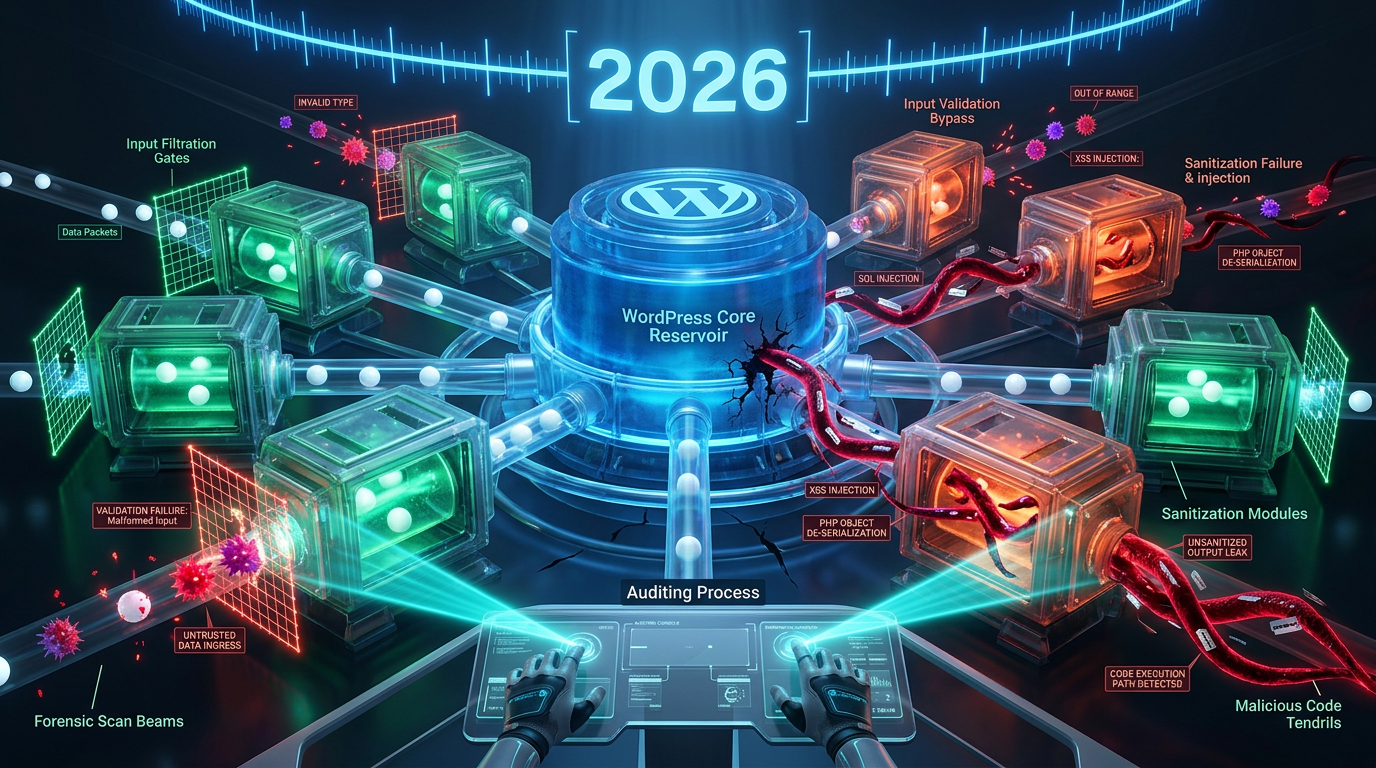
One of the most critical risks relates to authentication bypass. Flaws in a plugin's code could allow an attacker to circumvent login procedures, gaining access to user accounts or even administrative panels without proper credentials. This could stem from weak input validation, logical errors in authentication checks, or insecure session management.
Best Practices for Secure WordPress Identity Management with Plugins
Adopting a proactive approach is key to mitigating risks associated with plugins and strengthening WordPress identity management.
- Choose Reputable Plugins: Always download plugins from official sources (WordPress.org repository) or well-known, trusted developers. Check reviews, active installations, and update frequency. This careful selection aligns with strategies for managing your site's Digital Microbiome.
- Regular Updates: Keep all plugins, themes, and WordPress core up to date. Updates often include security patches for newly discovered vulnerabilities.
- Principle of Least Privilege: Grant plugins only the necessary permissions. If a plugin requires excessive access for a simple function, reconsider its necessity or look for alternatives.
- Security Audits and Scans: Regularly scan your website for vulnerabilities, especially after installing new plugins or making significant changes. Utilize security plugins that monitor file integrity and track changes.
- Implement Multi-Factor Authentication (MFA): For all users, especially administrators, MFA adds an essential layer of security, making it exponentially harder for unauthorized users to gain access even if they compromise a password.
- Strong Password Policies: Enforce strong password requirements for all users. Consider plugins that can help manage and enforce these policies effectively.
Leveraging Security Headers and WAFs
Beyond plugin-specific measures, implementing HTTP security headers (like Content Security Policy) and deploying a Web Application Firewall (WAF) can further bolster your site's defenses. A WAF can detect and block malicious requests attempting to exploit plugin vulnerabilities related to WordPress identity management before they even reach your server. For a comprehensive overview of how plugins interact with browser security, read The Silent Catalysts: Unmasking WordPress Plugins as Transformers of Browser Security Standards in 2026.
Regular Backups and Disaster Recovery
Despite all precautions, breaches can occur. Maintaining regular, tested backups of your entire WordPress site is crucial. A robust disaster recovery plan ensures you can quickly restore your site to a secure state after an incident without significant data loss or downtime. This emphasis on resilience is echoed in The Silent Alchemists: How WordPress Plugins Remodel Digital Resilience & Disaster Recovery in 2026.
The Role of Developers in Enhancing WordPress Identity Management
Plugin developers bear a significant responsibility in contributing to a secure WordPress ecosystem. Their commitment to security best practices directly impacts the overall integrity of WordPress identity management.
Secure Development Lifecycle (SDL)
Developers should adopt a Secure Development Lifecycle (SDL) approach, integrating security considerations from the initial design phase through to deployment and maintenance. This includes threat modeling, secure coding practices, and rigorous security testing.
Transparent Security Disclosures
Transparency is vital. When vulnerabilities are discovered, developers should promptly disclose them, issue patches, and communicate clearly with their user base. This helps users take appropriate actions to protect their sites.
Adherence to WordPress Security Standards
Following WordPress's own security guidelines and coding standards helps ensure compatibility and reduces the likelihood of introducing vulnerabilities. The community's collective effort in adherence to these standards strengthens the platform as a whole. You can find more information about WordPress security standards on the official WordPress Developer Resources site.
Conclusion: A Continuous Effort in WordPress Identity Management
Securing WordPress identity management in 2026 is an ongoing, multifaceted endeavor. While the convenience and extended functionalities offered by countless plugins are undeniable, the potential risks they introduce to user identities and authentication processes cannot be overlooked. By understanding common threats, adhering to best practices, and actively choosing and managing plugins responsibly, website administrators can significantly enhance their site's security posture. The collaboration between informed users, diligent developers, and a constantly evolving security landscape ensures that WordPress continues to be a robust and reliable platform for digital identity and authentication.
Frequently Asked Questions

Written by Aras Akıncılar
Uzun yıllara dayanan WordPress deneyimine sahip bir siber güvenlik uzmanı olarak, eklenti ekosisteminin derinlemesine analizine odaklanıyorum. Güvenlik açıkları, performans düşüşleri ve uyumluluk sorunları üzerine hazırladığım makalelerle, WordPress kullanıcılarının sitelerini daha güvenli ve verimli hale getirmelerine yardımcı olmayı hedefliyorum.