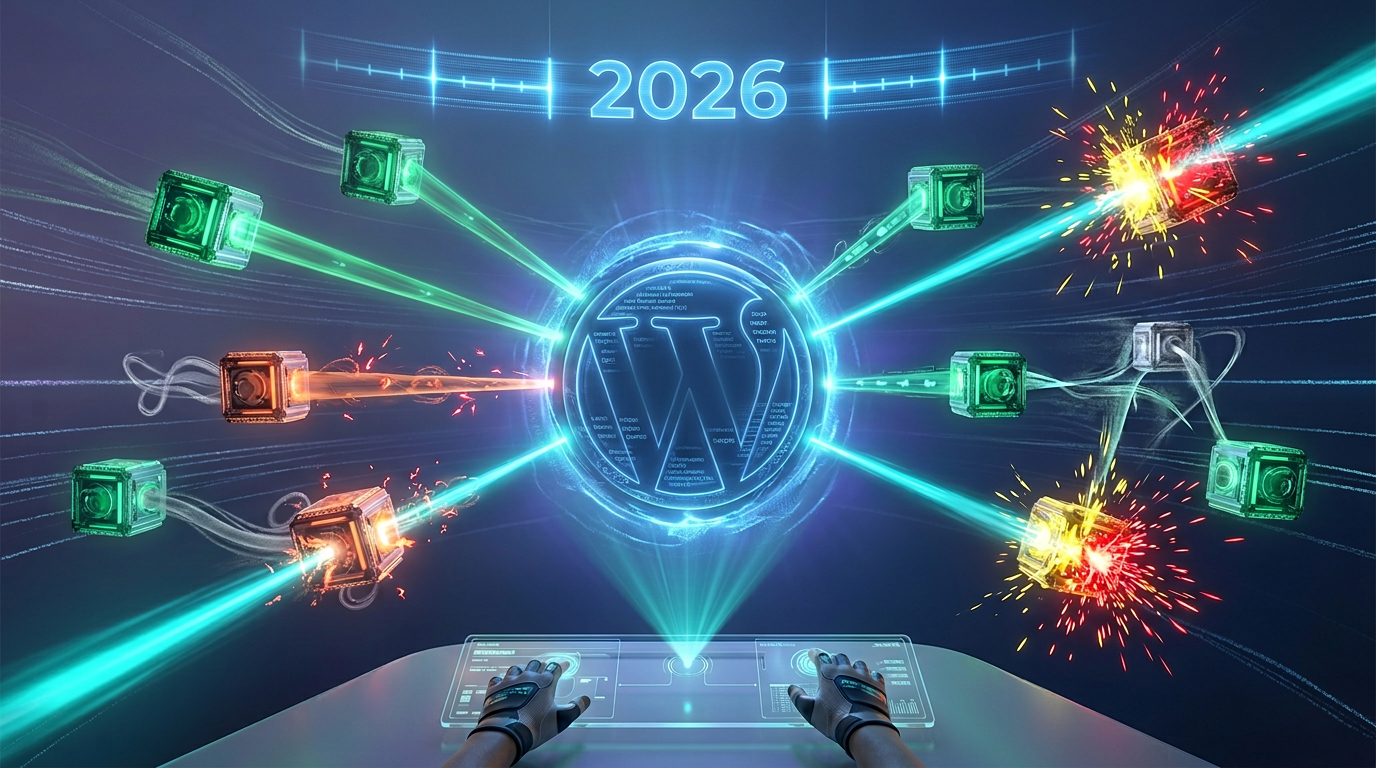
The Silent Gestures: Unmasking WordPress Plugins Orchestrating WordPress Biometric Authentication & User Authentication in 2026
In an increasingly digital world, the demand for more secure and convenient access methods has never been higher. This is particularly true for website administrators and users alike, who are constantly seeking robust protection against unauthorized entry. Enter WordPress biometric authentication. This cutting-edge technology is transforming how users interact with their WordPress sites, moving beyond traditional passwords to embrace unique biological identifiers like fingerprints, facial recognition, and voice patterns. As we navigate 2026, the integration of biometric solutions into the WordPress ecosystem is no longer a niche concept but a growing standard for enhancing security and user experience. This article delves into the landscape of WordPress plugins that are championing the adoption of biometric input and user authentication, analyzing their functionalities, benefits, and potential pitfalls, as part of our ongoing project to evaluate WordPress plugins in depth.
For a deeper dive into how WordPress plugins are redefining security, you might also be interested in The Silent Alchemists: How WordPress Plugins Are Remodeling Trust Architectures & Verifiable Credentials in 2026.
The Rise of Biometric Authentication in WordPress
The ubiquity of smartphones equipped with biometric sensors has paved the way for widespread adoption of these authentication methods. For WordPress, a platform powering over 40% of the internet, integrating such advanced security measures is a critical step towards a more secure web. WordPress biometric authentication offers a significant leap over alphanumeric passwords, which are prone to phishing, brute-force attacks, and human error (e.g., weak or reused passwords).
In 2026, the reliance on biometrics is not just about security; it's also about convenience. Users can log in almost instantaneously with a touch or a glance, streamlining their interaction with websites. This frictionless experience contributes significantly to improved user satisfaction and reduced login abandonment rates. Furthermore, regulatory compliance standards, particularly those pertaining to data security and privacy, are increasingly encouraging stronger authentication mechanisms, making biometric options highly attractive for businesses and individuals managing sensitive data on their WordPress platforms. The move towards passwordless authentication is also being championed by initiatives like the FIDO Alliance, whose standards are becoming integral to these WordPress solutions.
Understanding Different Biometric Modalities
- Fingerprint Recognition: The most common form, leveraging unique ridge patterns. Widely supported across mobile devices and some laptops.
- Facial Recognition: Uses unique facial features for verification. Increasingly accurate with advancements in AI and 3D mapping.
- Voice Recognition: Analyzes speech patterns and vocal characteristics. Less common for web login but gaining traction for specialized applications.
- Iris/Retina Scans: Highly secure but requires dedicated hardware, typically found in high-security environments.
Key Features of WordPress Biometric Authentication Plugins
When selecting a plugin for WordPress biometric authentication, several features are paramount. These plugins typically don't store biometric data directly on your server, but rather leverage the secure enclaves of user devices (like smartphones or FIDO2-compatible hardware) to verify identity. This approach significantly reduces the risk of biometric data breaches from the WordPress site itself. You can find more about securing user data in The Silent Mnemocytes: Unmasking Digital Forgetting & Data Minimization in WordPress Plugins (2026).
A good biometric plugin for WordPress should offer seamless integration with existing login forms, robust backend security for handling authentication requests, and clear user interfaces for setup and management. Compatibility with various device types and operating systems is also crucial, ensuring a broad reach for your user base. Furthermore, multi-factor authentication (MFA) capabilities, where biometrics can be combined with a second factor like an email OTP or a physical security key, provide an even stronger layer of defense. Many of these advancements are built upon the open standards of WebAuthn and FIDO2, which are the backbone of secure, passwordless authentication.
Essential Plugin Functionalities
- FIDO2/WebAuthn Support: Compliance with these open standards ensures interoperability and enhanced security. Many plugins discussed in The Silent Cryptographers: Unmasking WordPress Plugins Orchestrating WebAuthn & FIDO2 for Passwordless Authentication in 2026 already adopt these.
- Two-Factor/Multi-Factor Authentication (2FA/MFA): Allows biometrics to act as one of multiple authentication factors.
- User Role Integration: Granular control over which user roles can utilize biometric login.
- Customizable Login Experience: Options to tailor the biometric login prompt to match website branding.
- Auditing and Logging: Tracks biometric login attempts for security monitoring and compliance.
Security Concerns and Risks of WordPress Biometric Authentication Plugins
While WordPress biometric authentication significantly bolsters security, it's not without its challenges and potential risks. Our project emphasizes identifying potential vulnerabilities introduced by plugins. For biometric plugins, these risks often revolve around the plugin's implementation of industry standards, its handling of the authentication workflow, and potential compatibilities with other plugins or themes.
One major concern is ensuring that the biometric data itself never leaves the user's secure device. A poorly coded plugin might inadvertently expose authentication tokens or session data during the verification process. Another risk lies in the strength of the "fallback" options. If biometric authentication fails, what alternative methods are available, and how secure are they? Outdated code, insecure configurations, and excessive permissions in a plugin can create doorways for attackers, even with advanced biometric capabilities in place. For instance, a plugin that requests unnecessary file system access could be a red flag, regardless of its primary function. For more on plugin security, check out resources from organizations like OWASP, which detail common web application vulnerabilities.
Potential Vulnerabilities to Watch Out For
- Improper Implementation of WebAuthn: Incorrectly handling cryptographic challenges can undermine the entire security model.
- Weak Fallback Mechanisms: If biometrics fail, insecure password resets or easily guessable backup codes can compromise accounts.
- Plugin Bloat and Dependencies: Plugins with excessive features or numerous third-party dependencies can introduce vulnerabilities from unvetted external code.
- Lack of Timely Updates: Developers who don't regularly update their plugins to address newly discovered security flaws leave sites exposed.
- Privilege Escalation Bugs: Flaws that could allow a malicious actor to gain higher-level access through the plugin's authentication processes.
Performance and Compatibility Considerations with Biometric Plugins
Beyond security, the performance and compatibility of WordPress biometric authentication plugins are crucial factors in our evaluation. A plugin, no matter how secure, is ineffective if it slows down the website or conflicts with other essential components. Heavyweight plugins can add significant load to server resources, increasing page load times, which negatively impacts user experience and SEO rankings. You can learn more about optimizing client-side performance in The Silent Conductors: How WordPress Plugins Are Remodelling Client-Side Resource Management & Performance in 2026.
Compatibility issues are another common headache in the WordPress ecosystem. A biometric plugin might conflict with caching plugins, security plugins (ironically), or even the theme's core JavaScript, leading to broken functionality or display errors. Thorough testing in a staging environment is always recommended before deploying any new authentication plugin to a live site. Developers should prioritize plugins with clean code, minimal resource consumption, and a proven track record of compatibility with a wide range of popular WordPress setups. As of 2026, the community expects plugins to be developed with modularity and extensibility in mind, reducing the likelihood of conflicts.
Best Practices for Integration
- Staging Environment Testing: Always test new plugins on a non-production site first.
- Review Plugin Documentation: Understand the plugin's requirements and potential conflicts.
- Monitor Performance: Use tools to track page load times and server resource usage after installation.
- Check for Developer Support: Active development and responsive support are indicators of a well-maintained plugin.
- Regular Updates: Keep all plugins, themes, and WordPress core updated to their latest versions.
Looking Ahead: The Future of WordPress Biometric Authentication in 2026
The trajectory for WordPress biometric authentication is one of continued growth and sophistication. As WebAuthn and FIDO2 standards become even more entrenched, we anticipate a broader array of plugins offering seamless, hardware-level biometric integration. The focus will likely shift towards more nuanced use cases, such as biometric approval for high-privilege actions (e.g., publishing posts, changing settings) rather than just login.
Further advancements in AI and machine learning will undoubtedly enhance the accuracy and anti-spoofing capabilities of biometric systems, making them even more resilient against sophisticated attacks. We also expect to see tighter integration with enterprise identity management solutions, allowing organizations to leverage their existing biometric infrastructure within WordPress. Privacy-enhancing technologies will also play a larger role, ensuring that biometric verification adheres to the highest data protection standards. Overall, 2026 marks a pivotal year where biometric authentication is truly coming into its own within the vast and dynamic world of WordPress.
Frequently Asked Questions

Written by Aras Akıncılar
Uzun yıllara dayanan WordPress deneyimine sahip bir siber güvenlik uzmanı olarak, eklenti ekosisteminin derinlemesine analizine odaklanıyorum. Güvenlik açıkları, performans düşüşleri ve uyumluluk sorunları üzerine hazırladığım makalelerle, WordPress kullanıcılarının sitelerini daha güvenli ve verimli hale getirmelerine yardımcı olmayı hedefliyorum.