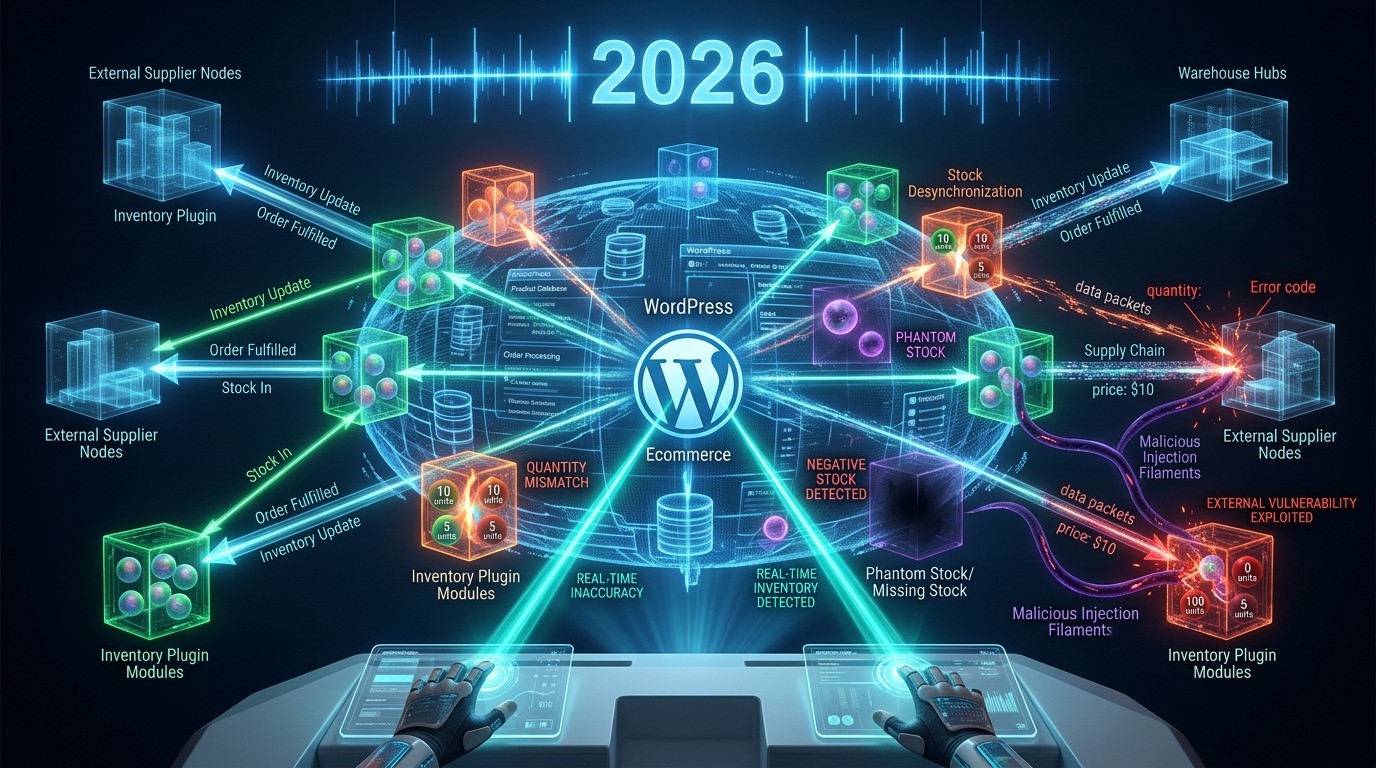
Auditing WordPress Plugins for WordPress Biometric Authentication Risks
In an increasingly digital world, the security of online platforms remains paramount. For the millions of websites powered by WordPress, this means a constant vigilance against evolving threats. One area rapidly gaining traction, yet often overlooked in its security implications for WordPress, is WordPress biometric authentication. As we navigate 2026, the adoption of biometric technologies – from fingerprint scans to facial recognition – for website login is steadily growing. While offering enhanced user convenience, these advanced authentication methods introduce a new layer of complexity and potential risks for WordPress site owners, especially when integrated via plugins. This article will delve into the critical need for auditing WordPress plugins to identify and mitigate these emerging biometric authentication risks. For a broader understanding of how WordPress plugins are shaping the digital landscape, consider exploring the impact of WordPress Plugins Modulating Your Site's Digital Microbiome.
The Rise of Biometric Authentication and Its WordPress Integration
Biometric authentication has moved beyond smartphones and into broader web applications. Users are now accustomed to logging into services with a touch or a glance, demanding similar ease and security from their WordPress experiences. This demand has spurred the development of various WordPress plugins designed to integrate biometric capabilities.
However, the implementation of WordPress biometric authentication is not without its challenges. Developers must contend with browser compatibility, device-specific APIs, and the sensitive nature of biometric data itself. Improper handling or insecure integration can turn a convenience into a significant liability, exposing sensitive user information. To learn more about how plugins handle sensitive data, read about Unmasking WordPress Plugins as Data Sovereignty Agents & Their Global Impact in 2026.
Understanding Biometric Authentication Methods in WordPress Context
- Fingerprint Recognition: Often leveraging WebAuthn (Web Authentication API) standards, allowing browsers to interact with device-level fingerprint readers.
- Facial Recognition: Similarly, using WebAuthn or proprietary JS libraries to interface with device cameras and analyze facial features for authentication.
- Voice Recognition: Less common for primary login on WordPress but sometimes used for secondary verification steps.
Each method carries unique data handling requirements and potential attack vectors. A robust plugin audit is essential to ensure these are addressed.
Auditing WordPress Plugins for Biometric Authentication Vulnerabilities
The core of securing a WordPress site featuring biometric authentication lies in a meticulous audit of its plugins. This is not just about finding glaring security holes, but also about understanding the architectural choices and data flows implemented by these plugins. Given the sensitivity of biometric data, any vulnerability can have far-reaching consequences.
Here’s what to look for when evaluating plugins that offer WordPress biometric authentication:
Code Security and Best Practices
Outdated code, insecure configurations, and improper data handling are common culprits in plugin vulnerabilities. When dealing with biometric data, these issues are magnified.
- Input Validation and Sanitization: Are all user inputs, especially those related to biometric identifiers or preferences, rigorously validated and sanitized to prevent injection attacks (SQL, XSS)?
- Secure API Usage: How does the plugin interact with WebAuthn APIs or third-party biometric services? Is it using secure, authenticated connections (e.g., HTTPS, OAuth)?
- Error Handling: Does the plugin reveal sensitive information in error messages? Secure error handling is critical to prevent attackers from gaining insights into the system. For more on error handling, see How WordPress Plugins Remold Error Handling & Fault Tolerance in 2026.
- Principle of Least Privilege: Does the plugin request only the necessary permissions? Overly broad permissions can be exploited.
Data Handling and Storage of Biometric Information
The single most critical aspect of WordPress biometric authentication is how biometric data is handled. Ideally, raw biometric data should never be stored on the server. Instead, derivatives (like cryptographic hashes or public keys as per WebAuthn) are used.
- No Raw Biometric Data Storage: Verify that the plugin does not store actual fingerprint images, facial scans, or voice recordings on the WordPress database or server.
- Secure Storage of Derivatives: If cryptographic hashes or public keys are stored, are they adequately protected? This includes encryption at rest and in transit, and proper access controls. Learn more about advanced encryption strategies for WordPress plugins in 2026.
- GDPR and CCPA Compliance: Does the plugin’s data handling align with global privacy regulations, particularly regarding the collection and processing of sensitive personal data? Consent mechanisms should be clearly defined.
Third-Party Dependencies and Supply Chain Risks
Many plugins rely on third-party libraries or services. Each dependency introduces a potential new attack surface. This is a significant concern in 2026, as supply chain attacks continue to be a prominent threat vector. For more insights into plugin risks, consider Wordfence's latest vulnerability report.
- Dependency Auditing: Scrutinize all external libraries and services the plugin uses. Are they actively maintained? Do they have known vulnerabilities?
- Regular Updates: Does the plugin developer regularly update its dependencies? Stagnant dependencies are a red flag.
- Reputation of Third Parties: What is the security track record of any external biometric authentication providers the plugin integrates with?
Performance and Compatibility Considerations for Biometric Plugins
Beyond security, biometric authentication plugins must also demonstrate robust performance and compatibility. A secure yet slow or conflict-prone plugin diminishes user experience and operational efficiency.
Impact on Site Speed
Biometric checks, especially those involving client-side processing, should be optimized to minimize page load times and login delays. Poorly optimized JavaScript or excessive resource requests can negate the convenience benefits.
- Asset Loading: Assess how plugin scripts and styles are loaded. Are they deferred or async? Are they optimized for size?
- Server-Side Load: Does the biometric verification process put undue strain on the WordPress server or database?
Cross-Browser and Device Compatibility
Given the diverse ecosystem of browsers and devices, a biometric plugin must function seamlessly across common configurations. This is particularly relevant for WebAuthn implementations which rely on browser and OS-level support.
- Browser Support Matrix: Does the plugin clearly state its supported browsers (Chrome, Firefox, Safari, Edge) and their minimum versions?
- Mobile Device Responsiveness: How does the authentication flow perform on various mobile devices and operating systems (iOS, Android)?
Ensuring broad compatibility is key to a positive user experience for WordPress biometric authentication.
Best Practices for Implementing Secure WordPress Biometric Authentication
Adopting biometric authentication on your WordPress site requires a strategic approach that prioritizes security from the outset. By adhering to best practices, site owners can harness the benefits of convenience without compromising on protection.
Choose Reputable Plugins and Developers
The foundation of secure WordPress biometric authentication starts with the choice of plugin. Opt for plugins from established developers with a strong security track record, good reviews, and active support.
- Regular Updates: Ensure the plugin receives consistent updates to patch vulnerabilities and maintain compatibility.
- Documentation: Look for comprehensive documentation that explains the security architecture and data handling practices.
- Community Support: A thriving community around a plugin can often flag issues and contribute to quicker resolutions.
Implement Multi-Factor Authentication (MFA)
While biometrics offer a strong single factor, combining it with other authentication methods (like a traditional password or a security key) greatly enhances security. MFA is a non-negotiable security layer in 2026. Data from organizations like NIST (National Institute of Standards and Technology) continually emphasizes the importance of MFA.
- Biometric as One Factor: Use biometric authentication as a convenient and strong "something you are" factor within an MFA setup.
- Backup Methods: Always provide secure fallback authentication methods in case biometric authentication fails or is unavailable.
Regular Security Audits and Monitoring
Even with the best plugins, ongoing vigilance is crucial. Regular security audits, penetration testing, and continuous monitoring can identify emerging threats to your WordPress biometric authentication implementation.
- Penetration Testing: Engage ethical hackers to attempt to exploit your biometric login system.
- Vulnerability Scanners: Utilize automated tools to scan your WordPress installation and plugins for known vulnerabilities.
- Activity Logging: Implement robust logging to track authentication attempts, successful logins, and any suspicious activities. For comprehensive insights into digital forensics within WordPress, consider this article on Digital Forensics & Incident Response in WordPress Plugins (2026).
By treating biometric authentication not as a standalone solution but as part of a comprehensive security strategy, WordPress sites can effectively combat the evolving threat landscape of 2026.
Conclusion: Navigating the Future of WordPress Biometric Authentication
The promise of enhanced security and unparalleled convenience makes WordPress biometric authentication an attractive prospect for site owners and users alike. As biometric technologies become more integrated into our daily digital lives, their presence on WordPress will only grow. However, this advancement comes with a responsibility to understand and mitigate the associated security risks.
By diligently auditing plugins, prioritizing secure development practices, and maintaining a proactive security posture, WordPress site owners can confidently embrace biometric authentication. In this ever-evolving digital ecosystem, the silent empath – a secure and carefully considered WordPress biometric authentication implementation – will be the cornerstone of trust and accessibility for millions of users in 2026 and beyond.
Frequently Asked Questions

Written by Aras Akıncılar
Uzun yıllara dayanan WordPress deneyimine sahip bir siber güvenlik uzmanı olarak, eklenti ekosisteminin derinlemesine analizine odaklanıyorum. Güvenlik açıkları, performans düşüşleri ve uyumluluk sorunları üzerine hazırladığım makalelerle, WordPress kullanıcılarının sitelerini daha güvenli ve verimli hale getirmelerine yardımcı olmayı hedefliyorum.