The Phoenix Effect: Reviving Core WordPress Functionality with Strategic Plugin Replacement in 2026
In the ever-evolving digital landscape of 2026, maintaining a robust, secure, and efficient WordPress website is paramount for online success. Understanding the intricacies of WordPress core functionality is the first step towards achieving this. While plugins offer incredible extensibility, they can also introduce complexities, performance bottlenecks, and security risks. This article delves into the "Phoenix Effect," a strategic approach to optimizing your WordPress site by critically evaluating existing plugins and surgically replacing those that detract from, rather than enhance, the fundamental operations of WordPress.
Understanding and Preserving WordPress Core Functionality
At its heart, WordPress is a content management system designed for ease of use and powerful publishing. The WordPress core functionality includes content creation, user management, theme customization, media handling, and fundamental database interactions. These are the bedrock features that make WordPress so popular. Any plugin should ideally extend these features without compromising their stability or efficiency.
Many common issues arise when plugins interfere with these core operations. Slow loading times, broken features, and even security breaches often stem from poorly coded or excessive plugins. Our goal is to identify and address these issues proactively.
What Constitutes Core Functionality?
- Content Management: Pages, posts, categories, tags, and comments.
- User Roles & Permissions: Managing who can do what on your site.
- Theme & Customization Framework: The backbone for visual design.
- Media Library: Uploading, managing, and embedding images/videos.
- Database Interactions: How WordPress stores and retrieves data.
Understanding these fundamental components helps in discerning whether a plugin truly adds value or merely duplicates/overwrites existing capabilities in a less optimal way. Prioritizing the integrity of WordPress core functionality is crucial for long-term site health.
The Impact of Plugin Bloat on Performance
Each activated plugin consumes resources, from server memory to database queries. An excessive number of plugins, or even a few poorly optimized ones, can significantly degrade site performance. This manifests as slower page load times, which directly impact user experience and SEO rankings in 2026's competitive online environment. Identifying plugins that duplicate or inefficiently extend WordPress core functionality is key to combating bloat. For more insights, refer to "The Silent Sabotage: Unmasking CPU Hogs and Memory Leaks in WordPress Plugins (2026)."
Identifying and Mitigating Plugin-Related Risks to WordPress Core Functionality
Plugins, while powerful, are also the most common vector for security vulnerabilities and performance issues. This section focuses on how to identify these risks to ensure the integrity of your WordPress core functionality.
Security Vulnerabilities: A Silent Threat
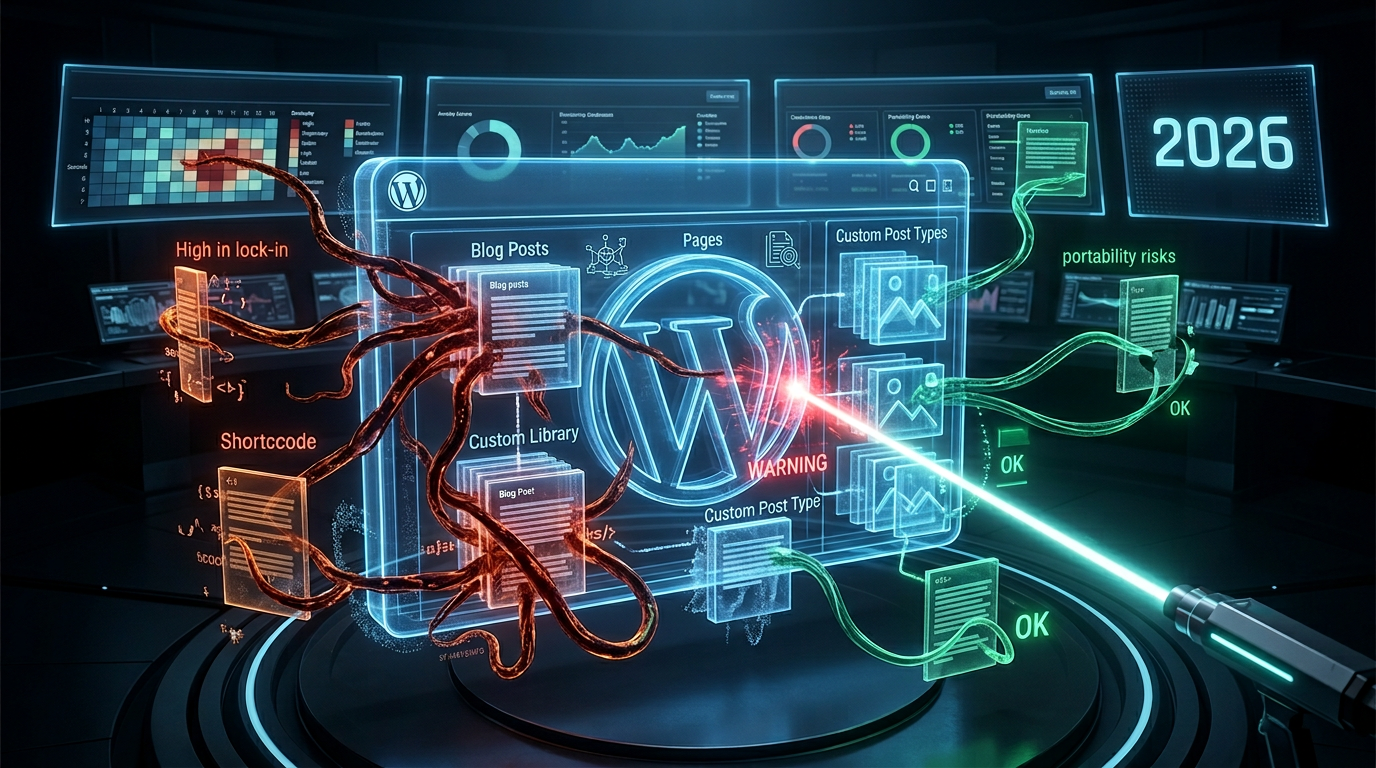
Outdated plugins, insecure configurations, and excessive permissions are critical security concerns. A single vulnerable plugin can provide an attacker with an entry point to your entire WordPress site. This can lead to data breaches, defacement, or even complete loss of control. Regularly auditing plugins for known vulnerabilities and keeping them updated is non-negotiable in 2026. For a deeper dive into protecting your site, read "WordPress Plugin Security: Fundamental Risks and Precautions."
- Outdated Code: Old plugins may contain unpatched vulnerabilities that hackers actively exploit.
- Insecure Configurations: Default settings of some plugins can be insecure if not properly configured.
- Excessive Permissions: Plugins requesting more access than necessary can be a red flag. Learn more about this in "The Overlooked Gatekeepers: Unmasking Excessive Permissions in WordPress Plugins (2026)."
Always review plugin permissions before activation. If a gallery plugin asks for FTP access, reconsider its necessity. Protecting your WordPress core functionality starts with scrutiny.
Performance Degradation and Compatibility Issues
Beyond security, plugins can introduce performance drains through inefficient code, excessive database queries, or conflicts with other plugins or themes. These issues directly undermine the expected performance of WordPress core functionality.
Compatibility problems often arise when plugins are not regularly updated to align with the latest WordPress core releases. This can lead to broken features, white screens of death, or unexpected behavior. To avoid these pitfalls, consider adopting strategies outlined in "Future-Proofing Your WordPress: Essential Plugin Auditing Strategies for 2026."
Strategic Plugin Evaluation and Replacement for Enhanced WordPress Functionality
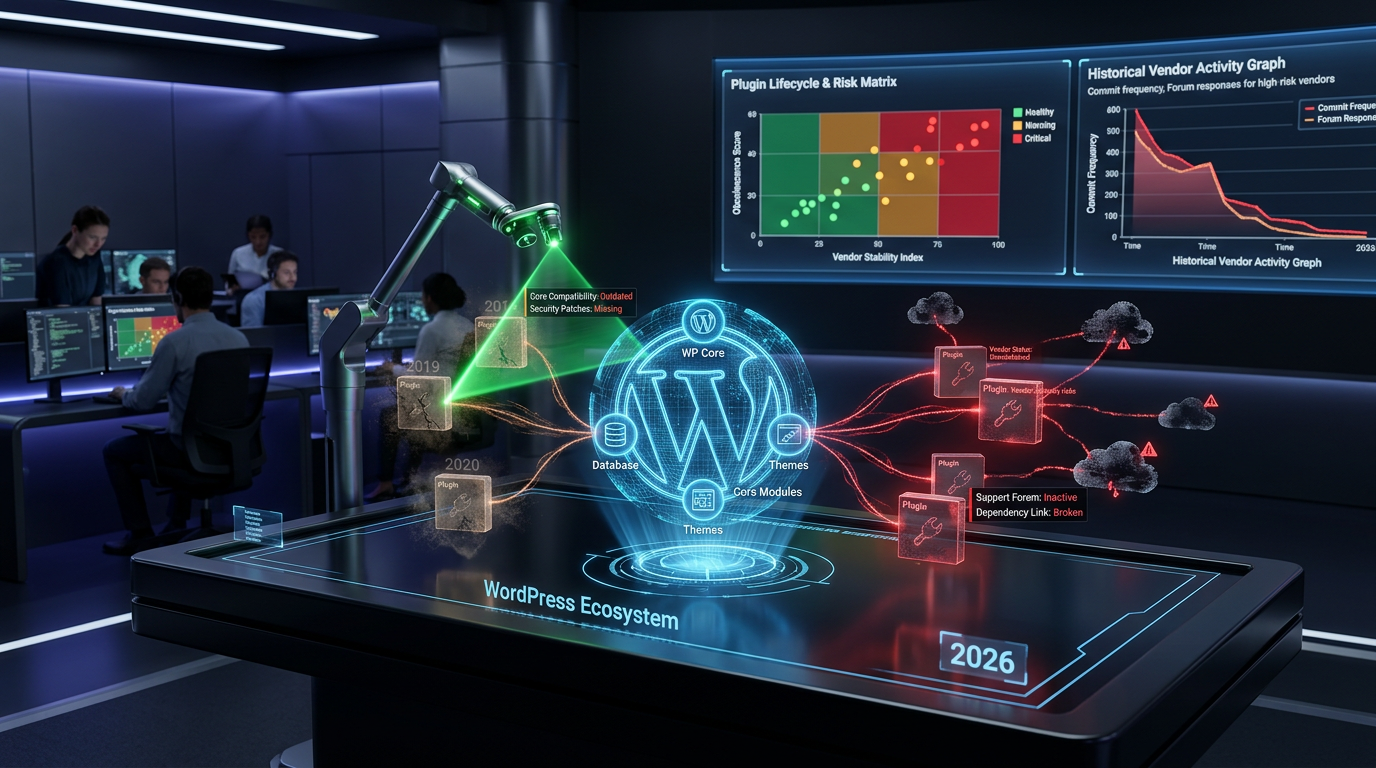
The "Phoenix Effect" involves a methodical process of deactivating, evaluating, and replacing plugins to ensure that only essential and high-performing solutions remain. This revitalizes your site by reinforcing WordPress core functionality.
The Audit Process: Deactivate and Evaluate
- List All Plugins: Create a comprehensive list of every active and inactive plugin.
- Purpose Assessment: For each plugin, clearly define its purpose and whether it's truly essential.
- Dependency Check: Identify any plugin 'chains' where one relies on another, as discussed in "The Silent Upgrade: Uncovering Hidden Dependencies and Their Impact on WordPress in 2026."
- Security Scan: Use security plugins or online tools to scan for known vulnerabilities.
- Performance Test: Test your site's speed with and without various combinations of plugins.
During this audit, you might discover plugins performing tasks that WordPress core functionality can now handle natively or with a lighter-weight solution. For instance, some simple SEO meta tags might no longer require a full-fledged SEO plugin if your theme provides adequate options.
Choosing the Right Replacement Plugins in 2026
When replacing a plugin, consider the following:
- Reputation and Reviews: Opt for plugins with strong reputations and positive reviews in the WordPress community, such as those found on the official WordPress Plugin Directory.
- Active Development & Support: Ensure the plugin is regularly updated and has responsive support.
- Security Audits: Look for plugins that have undergone independent security audits.
- Performance Impact: Test replacements in a staging environment to assess their impact on speed and resource usage.
- Minimalism: Choose plugins that perform a specific task well without excessive bloat or unnecessary features. Focus on solutions that enhance WordPress core functionality without extraneous baggage. Consider resources like WPBeginner's Plugin Guides for well-vetted options.
Many developers are now creating lightweight, modular plugins that focus on single functionalities, which can be a better choice than monolithic plugins trying to do everything.
Best Practices for Maintaining a Lean and Secure WordPress Installation
Beyond the initial "Phoenix Effect" overhaul, ongoing maintenance is crucial for sustaining peak performance and security of your WordPress core functionality.
Regular Updates and Backups
Always keep WordPress core, themes, and plugins updated to their latest versions. Updates often include critical security patches and performance enhancements. Before any major update, perform a full site backup. This allows you to quickly restore your site if an update causes unforeseen issues, preserving your WordPress core functionality.
Minimizing Plugin Count and Reviewing Dependencies
Continually question the necessity of every plugin. If a plugin's functionality can be achieved through custom code snippets or is now integrated into WordPress core functionality or your theme, consider removing it. Regularly review plugin dependencies to ensure you're not keeping a non-performing plugin active just because another one relies on it.
For example, if you replace a page builder, ensure all its associated add-ons are also removed. This granular approach prevents orphaned tables and settings from cluttering your database. A useful resource for understanding plugin impact is Kinsta's WordPress Performance Guide.
The Future of WordPress Core Functionality and Plugin Development in 2026
As 2026 progresses, WordPress continues to evolve, with more features being integrated directly into the core. This trend reduces the reliance on certain types of plugins, empowering users to leverage WordPress core functionality more effectively. Block editor enhancements, performance optimizations, and built-in security features are constantly being improved.
Plugin developers are responding by creating more specialized, modular, and efficient solutions that complement, rather than duplicate, the core. The emphasis is shifting towards quality over quantity, with a strong focus on security, accessibility, and performance. Embracing this shift will be key to managing successful WordPress sites in the coming years, always prioritizing the integrity and efficiency of the underlying WordPress core functionality.
Frequently Asked Questions

Written by Aras Akıncılar
Uzun yıllara dayanan WordPress deneyimine sahip bir siber güvenlik uzmanı olarak, eklenti ekosisteminin derinlemesine analizine odaklanıyorum. Güvenlik açıkları, performans düşüşleri ve uyumluluk sorunları üzerine hazırladığım makalelerle, WordPress kullanıcılarının sitelerini daha güvenli ve verimli hale getirmelerine yardımcı olmayı hedefliyorum.