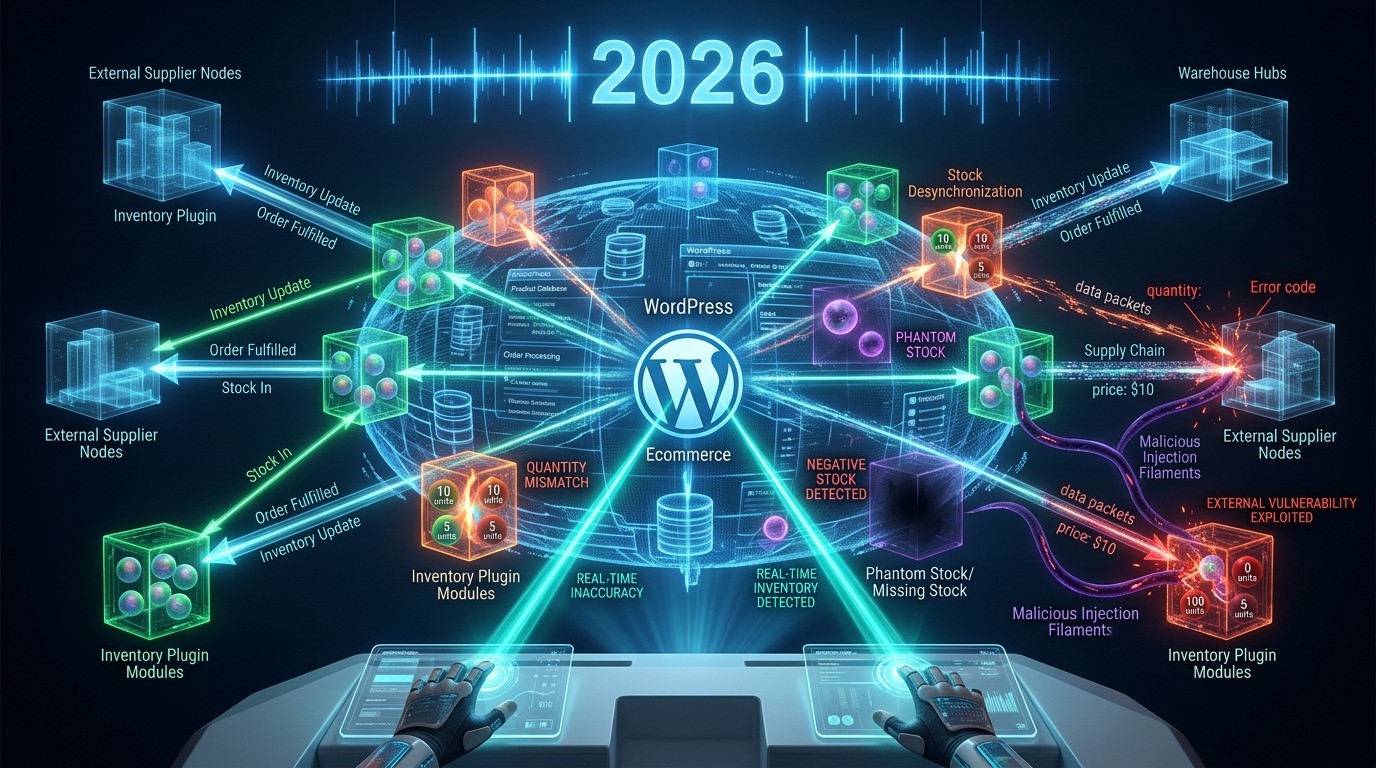
WordPress Plugin Permissions: Essential Security & Management
In the vast and dynamic ecosystem of WordPress, plugins are the lifeblood, extending functionality and tailoring websites to myriad needs. However, a significant yet often overlooked aspect that can compromise your site's security and performance is understanding and managing WordPress plugin permissions. Understanding how these permissions operate and identifying instances of excess is crucial for any WordPress administrator dedicated to maintaining a secure and stable online presence.
As we navigate 2026, the complexity of plugin interactions and the subtle ways they can introduce vulnerabilities highlight the importance of diligent permission management from installation to ongoing maintenance. For a deeper dive into overall plugin security, consider exploring WordPress Plugin Vulnerabilities and Protection.
Understanding WordPress Plugin Permissions and Their Impact
Every WordPress plugin, by design, needs certain capabilities to perform its intended functions. These capabilities translate into permissions, dictating what the plugin can access, modify, or execute on your website. When a plugin requests more permissions than it genuinely requires, it creates an "excessive permission" scenario – a significant security risk.
In fact, such overreach can be exploited by malicious actors if the plugin itself is compromised or contains vulnerabilities. Imagine a simple contact form plugin asking for permissions to modify core WordPress files or create new administrator accounts. This disparity between function and capability is a red flag that merits immediate attention. This often ties into broader discussions about WordPress Plugin Security: Fundamental Risks and Precautions.
What Constitutes "Excessive" Permission?
Determining what constitutes "excessive" depends heavily on the plugin's stated purpose. For instance, a security plugin will naturally require more extensive permissions to scan files and database entries than a simple social sharing button. The key is to evaluate whether the requested permissions align logically with the plugin’s advertised features.
- File System Access: Does a plugin truly need to write to arbitrary directories outside its own?
- User Management: Should a gallery plugin have the ability to create or delete user accounts?
- Database Manipulation: Is a caching plugin requesting full database schema modification rights?
- Remote Communications: Is a local SEO plugin connecting to external servers without clear justification?
The Security Implications of Over-Permitted Plugins
The potential risks associated with excessive WordPress plugin permissions are multifaceted. A compromised plugin with broad permissions can grant an attacker not just access to the plugin's data, but potentially to your entire WordPress installation. This includes other plugins, themes, and even the core system.
Ultimately, an attacker could gain full control over your website, injecting malware, defacing pages, or stealing sensitive data. This is why thorough vetting of WordPress plugin permissions is an essential security practice in 2026. For further insights into potential threats, consider our article on The Invisible Threats: Unmasking WordPress Plugin Supply Chain Risks in 2026.
Identifying and Auditing WordPress Plugin Permissions
Proactive identification of excessive permissions is your first line of defense. Unfortunately, WordPress itself doesn't offer a built-in, granular reporting tool for individual plugin capabilities. This often requires a combination of manual inspection, third-party security tools, and an understanding of WordPress's role and capability system. Managing WordPress plugin permissions effectively starts here.
Therefore, before installing any new plugin, always scrutinize its description and reviews. Reputable plugins often detail their permission requirements or explain why certain capabilities are needed. If anything seems unusually broad or unexplained, proceed with caution.
Manual Review of Plugin Code (Advanced)
For those with technical expertise, a direct review of a plugin's code can reveal its permission requests. Look for functions like add_cap(), current_user_can(), and how roles and capabilities are defined within the plugin's main files. This offers the most accurate insight but requires a good understanding of PHP and WordPress development practices. For more on how plugin code impacts your site, read The Silent Saboteurs: How Unseen WordPress Plugin Code Changes Impact Your Site in 2026.
- Examine the plugin's main PHP files for capability declarations.
- Search for instances where the plugin dynamically adds or modifies user roles.
- Look for actions that interact with the file system (e.g.,
wp_filesystem,file_put_contents).
Utilizing Security Plugins to Assess Permissions
Several robust WordPress security plugins offer functionality to audit installed plugins. These tools sometimes include insights into declared capabilities or potential permission issues. While they might not always provide a definitive "excessive" label, they can highlight unusual access requests or known vulnerabilities associated with certain plugins. This helps in managing WordPress plugin permissions more effectively.
In 2026, such tools have become more sophisticated, integrating AI-driven analysis to detect anomalous behavior patterns or permission sets that deviate from typical plugin functionalities. For recommended auditing practices, check out Future-Proofing Your WordPress: Essential Plugin Auditing Strategies for 2026.
Checking Plugin Changelogs and Documentation
Plugin developers often update their products to address security concerns or modify permission requirements. Regularly reviewing changelogs on the WordPress.org plugin repository or the developer's website can provide vital clues about changes in how WordPress plugin permissions are handled.
Good documentation will clearly explain why a plugin needs specific permissions, helping you understand if they are justified.
Best Practices for Managing WordPress Plugin Permissions
Effective management of WordPress plugin permissions is an ongoing process, not a one-time task. Establishing a set of best practices can significantly enhance your website's security posture and minimize potential vulnerabilities from over-privileged plugins.
Principle of Least Privilege (PoLP)
This fundamental security concept dictates that every user, program, or process should be granted only the minimum set of permissions necessary to perform its function. When applied to WordPress plugins, it means questioning every permission request and ensuring it aligns perfectly with the plugin's core purpose.
Consequently, if a plugin could function with fewer permissions, it should be configured to do so. While directly altering plugin permissions can be complex and might break functionality, exercising careful selection and only installing well-vetted plugins aligns with PoLP. For more on making secure choices, see Navigating the WordPress Plugin Minefield: A Guide to Secure & Stable Integrations in 2026.
Regular Plugin Audits and Updates
The security landscape evolves rapidly. What was considered secure last year might have vulnerabilities discovered in 2026. Therefore, regular audits of your installed plugins are vital. Remove any unused or outdated plugins, as they are often vectors for attacks.
Always keep your plugins, themes, and WordPress core updated to their latest versions. Updates frequently include security patches that address vulnerabilities related to permissions or other exploits. This also affects how plugins handle dependencies, which can introduce new security considerations.
Vetting Plugins Before Installation
Prevention is better than cure. Before installing any plugin, consider these steps to manage WordPress plugin permissions proactively:
- Check its reviews and ratings on WordPress.org.
- Look at the number of active installations and last update date. A plugin that hasn't been updated in years is a red flag.
- Read the support forum for common issues, especially security or permission-related complaints.
- If possible, test new plugins on a staging environment before deploying them to your live site. For instance, consider resources like WordPress Developer Resources for best practices.
The Future of WordPress Plugin Permissions in 2026 and Beyond
As WordPress continues to mature and security threats become more sophisticated, the way WordPress plugin permissions are handled is likely to evolve. We're seeing increasing calls for more transparent and granular permission management directly within the WordPress admin interface. While a universal solution remains challenging due to the diverse nature of plugins, the conversation is gaining traction.
The community is pushing for better sandboxing techniques and clearer permission declarations from plugin developers. This would empower site owners with more control and better insight into what each plugin is truly capable of doing on their site. In 2026, security is paramount, and the transparency of plugin operations is a key component. The OWASP Top Ten consistently highlights permission-related vulnerabilities, reinforcing this criticality.
Toward More Transparent Permission Control
Future iterations of WordPress might introduce a dashboard where users can review and potentially modify permissions for individual plugins. This would be similar to how modern operating systems manage app permissions. This would be a significant step forward in giving users more agency over their site's security without needing deep technical knowledge.
This kind of functionality would also encourage plugin developers to be more explicit about their permission needs, further fostering a more trustworthy ecosystem for WordPress plugin permissions.
The Role of AI and Machine Learning in Security
Advanced security solutions utilizing AI and machine learning are predicted to play a larger role in automatically identifying anomalous WordPress plugin permissions and behaviors. These systems could flag plugins that request unusually broad permissions for their stated function or suddenly start exhibiting behavior that goes beyond their typical operation.
Ultimately, such tools would offer a crucial layer of automated defense, complementing human oversight in managing plugin security effectively in the coming years.
Frequently Asked Questions

Written by Aras Akıncılar
Uzun yıllara dayanan WordPress deneyimine sahip bir siber güvenlik uzmanı olarak, eklenti ekosisteminin derinlemesine analizine odaklanıyorum. Güvenlik açıkları, performans düşüşleri ve uyumluluk sorunları üzerine hazırladığım makalelerle, WordPress kullanıcılarının sitelerini daha güvenli ve verimli hale getirmelerine yardımcı olmayı hedefliyorum.