WordPress Database Evolution: Plugins & Performance in 2026
In the dynamic landscape of web development, the WordPress database evolution stands as a testament to constant adaptation and optimization. At the heart of this transformation are WordPress plugins, acting as silent alchemists. These powerful extensions remodel underlying data structures, introducing new tables, modifying existing schemas, and refining how information is stored and retrieved. Understanding this profound impact is critical for any WordPress site owner or developer in 2026, as poor plugin choices can severely impede performance and introduce vulnerabilities.
Understanding the Core Mechanism of WordPress Database Evolution
The WordPress database, primarily leveraging MySQL or MariaDB, is initially structured to support core functionalities like posts, pages, comments, users, and settings. However, the true power of WordPress lies in its extensibility. Plugins don't just add features on the surface; they often dive deep into the database architecture, enacting significant changes.
Crucially, each plugin, depending on its complexity and purpose, can introduce new custom tables. For instance, an e-commerce plugin like WooCommerce adds dozens of tables for products, orders, customers, and shipping information. Similarly, SEO plugins might create tables for managing redirects, sitemaps, or analytics data. This fundamental alteration is a key driver of the WordPress database evolution. You can delve deeper into how plugins dictate data flow by reading about WordPress Plugins That Dictate Data Flow and Integration Architecture in 2026.
How Plugins Reshape WordPress Database Structures
Plugins employ several mechanisms to integrate their data, significantly altering the default WordPress database structure, which is central to WordPress database evolution.
- New Tables: First, plugins frequently introduce entirely new tables to house their specific data. This is a clean way to manage complex data sets without cluttering existing core WordPress tables.
- Custom Post Types (CPTs) and Custom Taxonomies (CTs): Furthermore, while CPTs and CTs don't always create new tables themselves (they often leverage existing
wp_postsandwp_termstables with additional metadata), they significantly extend the logical structure and querying capabilities of the database. Plugins often define these to categorize and display unique content types. - Meta Data: Moreover, most plugins heavily rely on WordPress's meta data system (
wp_postmeta,wp_usermeta,wp_commentmeta). They add custom fields, effectively extending the attributes of existing data types without altering the core table schema. However, excessive use or inefficient querying of meta data can become a performance bottleneck, impacting WordPress database evolution. For more on semantic changes, see how WordPress Plugins Remodel Content Semantics & SEO Context in 2026.
The Impact of Plugins on Database Performance and WordPress Database Evolution
While plugins are essential for functionality, their direct influence on database performance cannot be overstated. A well-coded plugin respects database best practices, ensuring efficient queries and optimal data storage. Conversely, a poorly designed plugin can lead to excessive database queries, inefficient data storage, and ultimately, a slow website. This performance aspect is a critical consideration in the ongoing WordPress database evolution.
Optimizing database interactions is paramount for high-performing websites in 2026. Therefore, developers need to be acutely aware of how their plugin choices impact database load and response times. Regular review and optimization of database queries introduced by plugins are considered best practice. Insights into WordPress Plugins that Dictate Browser Performance & Page Load Speed can offer further context.
Security Vulnerabilities and Data Integrity in 2026
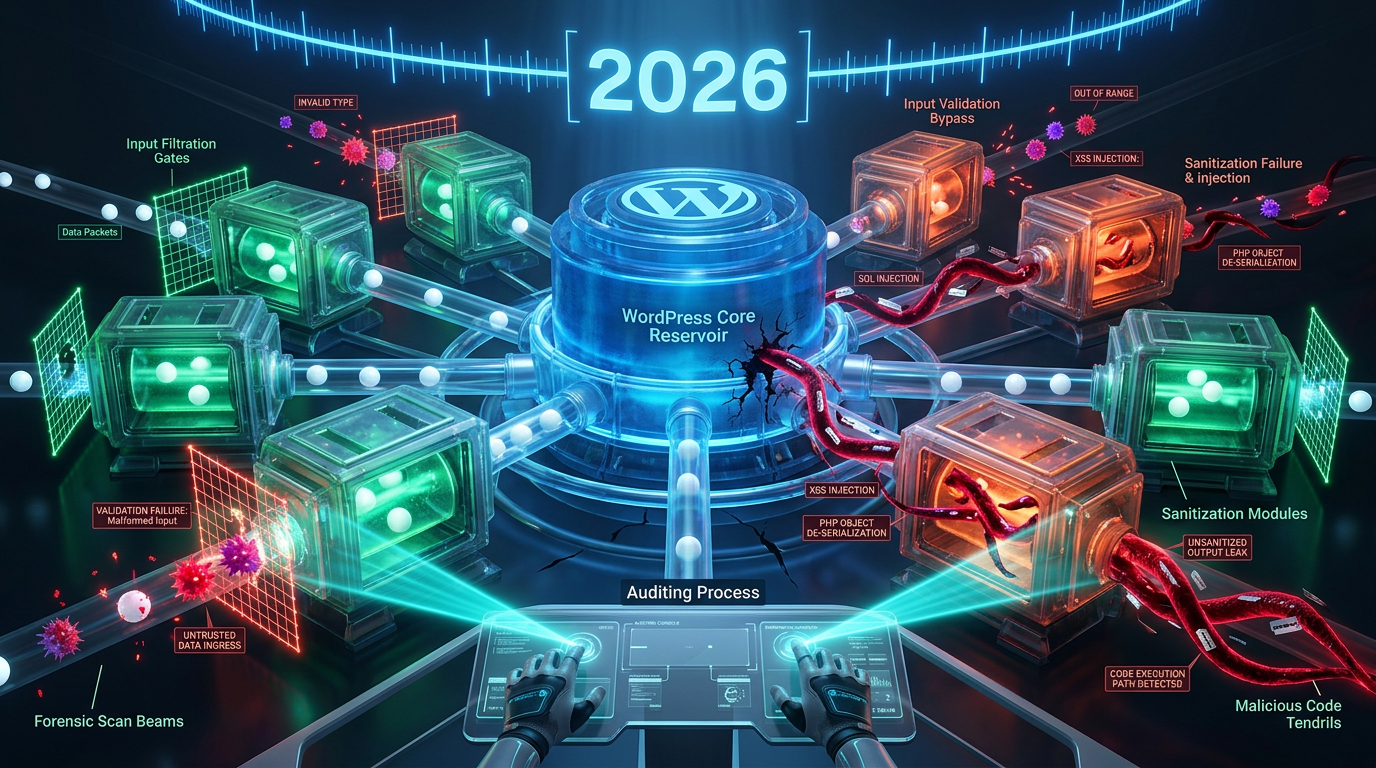
Beyond performance, plugins are a primary vector for security vulnerabilities that can compromise the database. Outdated code, insecure configurations, and excessive permissions granted to plugins can open doors for attackers to access, alter, or delete sensitive information. Protecting the integrity of the database is a non-negotiable aspect of managing a WordPress site in 2026, especially within the context of WordPress database evolution. Learn more about Injection Vulnerabilities in WordPress Plugin Hooks in 2026.
Consequently, regular security audits, keeping plugins updated, and exercising caution when granting plugin permissions are essential to mitigate these risks. A compromised database can lead to data breaches, website defacement, or complete site loss. For a broader perspective on plugin security risks, consider reading about WordPress Plugin Security Vulnerabilities in 2026.
Best Practices for Managing Plugin-Driven WordPress Database Evolution
To harness the power of plugins without succumbing to their potential downsides, site owners and developers must adopt stringent best practices. These involve careful selection, regular maintenance, and a deep understanding of how plugins interact with the database. Proactive management ensures a healthy and secure database, fostering positive WordPress database evolution.
Ultimately, a strategic approach to plugin management is crucial for maintaining a robust and efficient WordPress presence. This includes ongoing monitoring and optimization efforts to ensure long-term stability and performance. For deeper insights into code quality, refer to how WordPress Plugins Transform Code Quality & Future-Proof Your Site in 2026.
The Future of WordPress Database Evolution in 2026 and Beyond
As WordPress continues to mature and evolve, so too will its database architecture. We can anticipate further optimizations, potentially including greater reliance on object caching, improved indexing strategies for custom fields, and more robust built-in tools for database management. The WordPress database evolution will be influenced by emerging technologies and an increasing demand for high-performance, scalable websites.
Significantly, with an ever-growing ecosystem of plugins, the responsibility for maintaining a healthy database will remain a shared one, between the core WordPress team, plugin developers, and site administrators. Staying informed about the latest database best practices and security advisories will be paramount for success in the coming years. Looking ahead, the role of artificial intelligence and machine learning in optimizing database operations and identifying potential bottlenecks or security risks will likely grow, offering new avenues for improving the long-term health and efficiency of WordPress installations. This continuous refinement ensures that WordPress remains a leading platform, adaptable to the complex demands of the modern web in 2026 and beyond.
Frequently Asked Questions

Written by Aras Akıncılar
Uzun yıllara dayanan WordPress deneyimine sahip bir siber güvenlik uzmanı olarak, eklenti ekosisteminin derinlemesine analizine odaklanıyorum. Güvenlik açıkları, performans düşüşleri ve uyumluluk sorunları üzerine hazırladığım makalelerle, WordPress kullanıcılarının sitelerini daha güvenli ve verimli hale getirmelerine yardımcı olmayı hedefliyorum.