The Silent Storytellers: Unmasking Digital Identity & Authentication Risks in WordPress Plugins (2026)
In the digital landscape of 2026, where WordPress powers over 43% of all websites, understanding the underlying security challenges is more critical than ever. One of the most insidious threats often flies under the radar: WordPress plugin authentication risks. These vulnerabilities, embedded within the very tools designed to enhance website functionality, can compromise user accounts, expose sensitive data, and even lead to complete site takeover. This article delves deep into these silent storytellers, revealing how authentication flaws in plugins can become gateways for malicious actors and offering practical advice to fortify your WordPress security posture.
Understanding WordPress Plugin Authentication Risks
Authentication is the bedrock of secure access, verifying a user's identity before granting entry. When this process is flawed within a WordPress plugin, the entire security framework can crumble. These risks often stem from various development oversights or a lack of stringent security practices during a plugin's lifecycle.
Many plugins require varying levels of user authentication, from simple login forms to complex API key integrations. Each interaction point presents a potential vulnerability if not properly secured. The consequences can range from unauthorized content modification to a full-scale data breach, significantly impacting your brand reputation and compliance obligations in 2026. For a broader look at potential vulnerabilities, consider exploring injection vulnerabilities in WordPress plugin hooks.
Common Authentication Vulnerabilities
- Weak Credential Management: Plugins that store credentials insecurely (e.g., plain text) or use weak hashing algorithms are a prime target.
- Broken Authentication Schemes: Flaws in how a plugin handles session management, password resets, or multi-factor authentication can be exploited.
- Insecure API Key Handling: Many plugins integrate with third-party services using API keys. If these keys are exposed or poorly validated, it creates significant WordPress plugin authentication risks.
- Brute-Force Attack Vulnerabilities: Plugins without proper rate limiting or CAPTCHA implementation are susceptible to automated login attempts.
- Privilege Escalation Flaws: Bugs that allow lower-privileged users to gain administrator-level access through a plugin’s authentication mechanism. You can learn more about related concerns in unmasking excessive permissions in WordPress plugins.
The Impact of Compromised Authentication
When authentication mechanisms fail, the repercussions for a WordPress site can be severe. A compromised user account, especially an administrator account, opens the door to a plethora of attacks. Hackers can inject malware, deface your website, steal customer data, or use your server for malicious activities like spam distribution. The financial and reputational damage can be immense, requiring extensive recovery efforts and potentially legal ramifications in an increasingly regulated digital environment. For insights into mitigating such threats, see our article on how WordPress plugins monitor and thwart real-time cyber attacks.
Real-World Examples of WordPress Plugin Authentication Risks in 2026
While specific plugin names are often swiftly patched, the patterns of WordPress plugin authentication risks persist. In 2026, we continue to see reports of authentication bypasses and insecure session handling being exploited across various plugin types, from e-commerce solutions to membership platforms.
One common scenario involves plugins that create custom user roles or extend WordPress’s native authentication. If these extensions are not rigorously vetted, they can introduce loopholes. For instance, a plugin designed for event registration might have a flaw allowing an unauthenticated user to impersonate a registered attendee and access restricted content or features.
Another prevalent issue involves plugins that integrate with social media logins or single sign-on (SSO) services. While convenient, improper implementation can lead to token hijacking or cross-site request forgery (CSRF) vulnerabilities that bypass traditional login protections. Staying informed about recent advisories and promptly updating plugins is crucial to mitigating these ongoing threats.
Case Study: Insecure API Key Usage
A hypothetical case from late 2025 involved a popular analytics plugin that stored API keys for a third-party service directly in the database without encryption. A minor SQL injection vulnerability in another, unrelated plugin allowed an attacker to dump parts of the database. The exposed API keys were then used to access sensitive analytics data and, in some cases, manipulate report generation, severely impacting the integrity of businesses relying on that data. This highlights how one plugin's flaw can cascade and exacerbate authentication risks in others. More on the security implications of third-party integrations can be found at OWASP Top 10 web application security risks.
Best Practices to Mitigate WordPress Plugin Authentication Risks
Protecting your WordPress site from authentication vulnerabilities requires a multi-faceted approach. Proactive measures, regular monitoring, and a commitment to security best practices are paramount in 2026.
- Choose Reputable Plugins: Always download plugins from the official WordPress directory or trusted developers. Vet plugins by checking reviews, update frequency, and support forums.
- Keep Plugins Updated: Developers constantly release patches for known vulnerabilities, including those related to authentication. Enable automatic updates for minor releases and schedule regular checks for major ones.
- Implement Strong Authentication: Use strong, unique passwords for all WordPress accounts. Consider enforcing two-factor authentication (2FA) for administrators and other privileged users, especially if your plugins support it.
- Limit Plugin Usage: Install only essential plugins. Every additional plugin introduces a potential attack vector, increasing the chances of encountering WordPress plugin authentication risks.
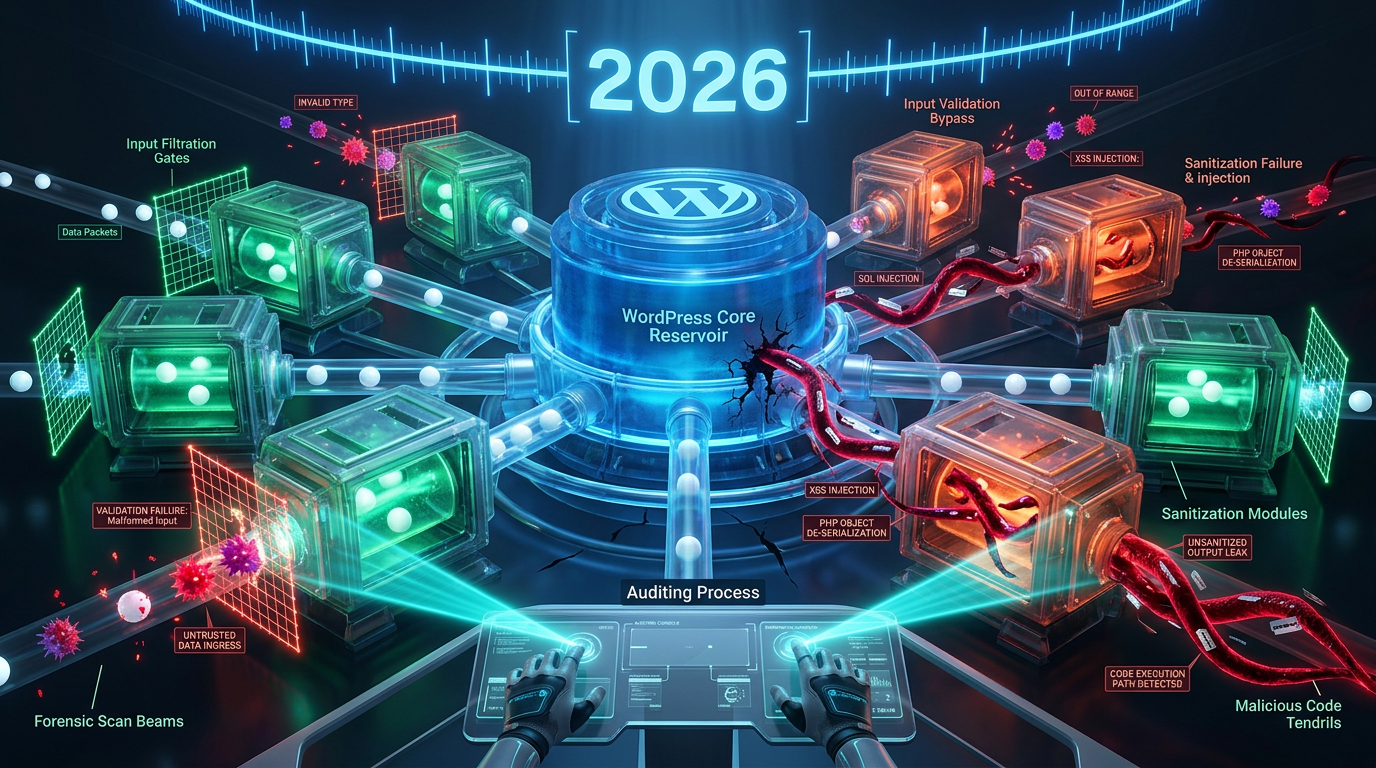
- Regular Security Audits: Periodically scan your WordPress site for vulnerabilities using reputable security plugins or professional security services. Focus on authentication-related issues in these audits.
- Understand Plugin Permissions: Before installing, understand what permissions a plugin requests. Excessive permissions can be a red flag.
Developer Responsibilities in Securing Authentication
Developers play a critical role in preventing WordPress plugin authentication risks. They must adhere to secure coding standards, conduct thorough security testing, and responsibly disclose and patch vulnerabilities. Implementing robust input validation, secure session management, and careful handling of credentials are non-negotiable for any plugin developer in 2026. Resources like the WordPress Plugin Handbook on Security offer essential guidelines.
Advanced Strategies for Enhanced Authentication Security
Beyond the basic best practices, advanced strategies can further bolster your defenses against sophisticated authentication attacks targeting WordPress plugins. These methods often involve server-side configurations, specialized security tools, and a deep understanding of WordPress architecture.
Consider using a Web Application Firewall (WAF) to filter malicious traffic before it reaches your WordPress site. WAFs can detect and block various attack types, including those targeting authentication endpoints. Additionally, implementing strict access control policies at the server level can restrict who can access certain files and directories, reducing the impact of a compromised plugin.
For high-stakes websites, consider implementing a security information and event management (SIEM) solution to aggregate and analyze logs from your WordPress site and server. This can help detect anomalous login patterns or suspicious activities that might indicate a breach related to WordPress plugin authentication risks.
Using Security Plugins Effectively
While security plugins themselves can introduce risks if poorly coded, reputable ones can significantly enhance your site's security posture. Look for plugins that offer:
- Two-Factor Authentication (2FA) enforcement.
- Brute-force protection and rate limiting.
- Login attempt monitoring and IP blocking.
- Secure password policies.
- Activity logging to track all user actions, especially authentication-related events.
Always ensure that the security plugin itself is from a trusted source and kept up to date to prevent it from becoming a source of vulnerability rather than a solution. Further reading on web security best practices can be found at PortSwigger Web Security Academy.
Conclusion: Staying Ahead of Authentication Threats in 2026
The evolving threat landscape in 2026 demands constant vigilance, especially concerning the hidden dangers posed by WordPress plugin authentication risks. By understanding how these vulnerabilities manifest, staying informed about current threats, and diligently implementing security best practices, website administrators can significantly reduce their attack surface.
Remember, security is not a one-time setup but an ongoing process. Regular audits, prompt updates, and a proactive mindset are your best allies in maintaining a secure and trustworthy WordPress website. Don't let the silent storytellers of authentication flaws dictate the narrative of your digital presence; empower yourself with knowledge and action to build resilient security.
Frequently Asked Questions

Written by Aras Akıncılar
Uzun yıllara dayanan WordPress deneyimine sahip bir siber güvenlik uzmanı olarak, eklenti ekosisteminin derinlemesine analizine odaklanıyorum. Güvenlik açıkları, performans düşüşleri ve uyumluluk sorunları üzerine hazırladığım makalelerle, WordPress kullanıcılarının sitelerini daha güvenli ve verimli hale getirmelerine yardımcı olmayı hedefliyorum.