The Invisible Threats: Unmasking WordPress Plugin Supply Chain Risks in 2026
In the rapidly evolving digital landscape of 2026, understanding and mitigating WordPress plugin supply chain security risks has never been more critical. As WordPress continues to power over 43% of all websites globally, the security of its vast plugin ecosystem directly impacts millions of businesses and individuals. This blog post delves into the often-invisible threats lurking within the supply chain of WordPress plugins, exploring how vulnerabilities can be introduced long before a plugin even reaches your website. We will analyze and evaluate these risks in depth, providing practical insights and best practices to safeguard your WordPress installations.
Understanding WordPress Plugin Supply Chain Security
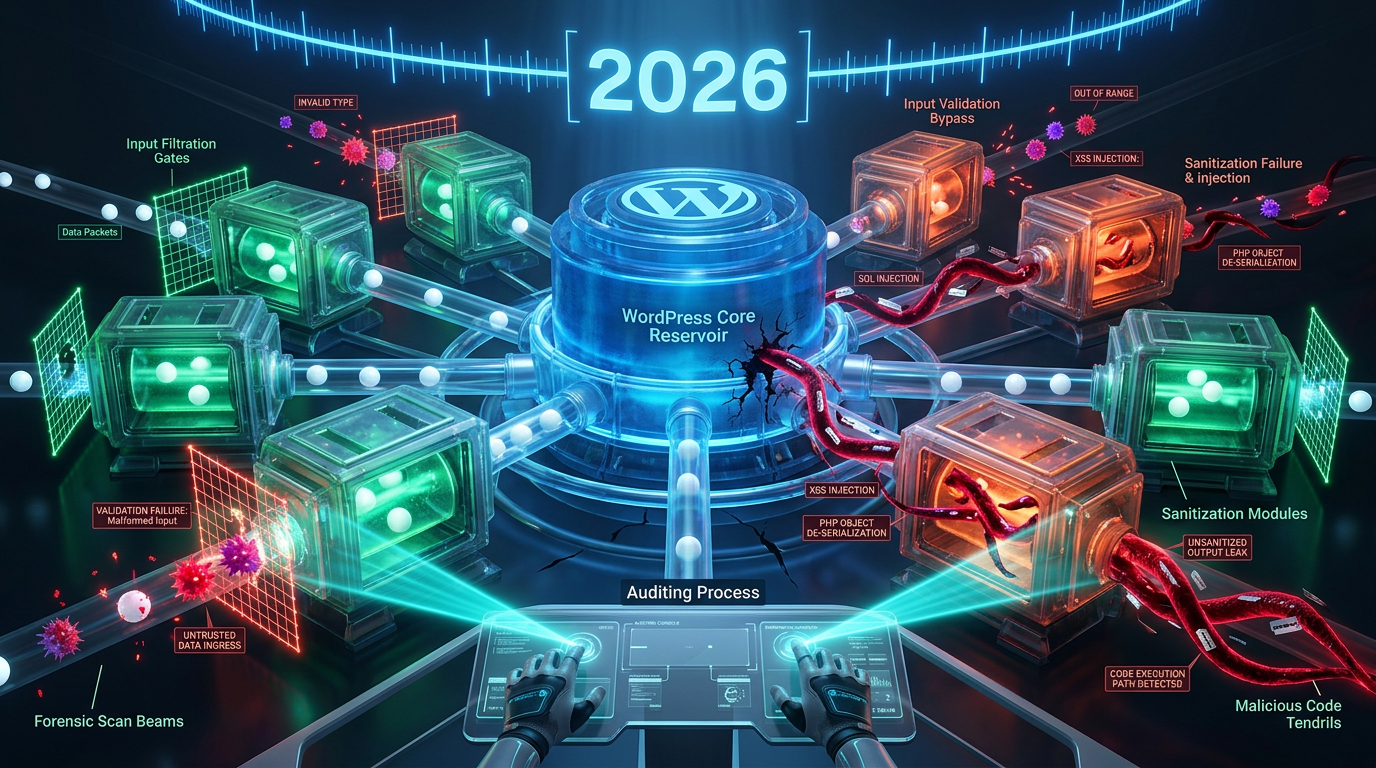
The concept of supply chain security extends beyond just the final product; it encompasses every stage of development, distribution, and maintenance. For WordPress plugins, this means examining the journey from a developer’s initial code commit to its installation and ongoing updates on your server. Any weak link in this chain can expose your website to significant threats, ranging from data breaches to complete site compromise.
In 2026, sophisticated attackers increasingly target the weakest points in software supply chains. Instead of directly attacking well-secured websites, they aim for upstream vulnerabilities in the components or third-party libraries that make up popular plugins. This indirect approach can have a cascading effect, compromising thousands, if not millions, of sites simultaneously.
What Constitutes the WordPress Plugin Supply Chain?
- Developer Environment: The security practices, tools, and dependencies used by plugin developers.
- Third-Party Libraries and Dependencies: Open-source or proprietary components integrated into a plugin.
- Distribution Channels: The WordPress Plugin Directory, third-party marketplaces, and private repositories.
- Update Mechanisms: How plugins receive and implement updates.
- Maintenance and Support: The ongoing commitment of developers to patch vulnerabilities and provide assistance.
Common Plugin-Related Threats to Your Supply Chain
The vast universe of WordPress plugins, while offering unparalleled functionality, also introduces a myriad of potential security pitfalls. Identifying these common threats is the first step towards bolstering your WordPress plugin supply chain security in 2026.
Attackers are continually refining their methods, making it essential for website administrators to stay informed about the latest attack vectors. These threats are not always obvious, often hiding within seemingly innocuous pieces of code or outdated configurations.
Outdated Code and Insecure Configurations
One of the most persistent threats stems from plugins utilizing outdated code or maintaining insecure default configurations. Legacy codebases might contain known vulnerabilities that have been patched in newer versions of languages or frameworks but remain unaddressed in older plugin versions.
- Outdated Libraries: Plugins often integrate third-party libraries. If these libraries are not regularly updated by the plugin developer, they can become a gateway for exploits.
- Insecure Defaults: Many plugins ship with default settings that prioritize ease of use over security, such as weak user roles, broad file permissions, or exposed debug modes.
- Lack of Maintenance: Abandoned or poorly maintained plugins rarely receive security patches, turning them into ticking time bombs as new vulnerabilities are discovered.
Excessive Permissions and Third-Party Dependencies
Plugins frequently request broad permissions to function correctly. While some permissions are necessary, excessive permissions can be exploited. Similarly, the reliance on third-party dependencies introduces external risks that are often outside the direct control of the plugin developer.
- Over-Privileged Roles: A plugin might require administrator privileges, but if compromised, it gains full control over your site.
- Unvetted Dependencies: Many plugins bundle code from other projects. If these dependencies haven't undergone rigorous security audits, they can introduce critical vulnerabilities.
- Dependency Confusion Attacks: In 2026, these attacks are increasingly sophisticated, tricking systems into downloading malicious versions of internal packages from public repositories rather than secure private ones.
Evaluating Plugin Trustworthiness and Best Practices for WordPress Plugin Supply Chain Security
To effectively manage WordPress plugin supply chain security, it's crucial to adopt a proactive approach to evaluating every plugin you consider installing. This involves more than just checking reviews; it requires a deep dive into the plugin's development practices and community standing.
Before integrating any new functionality, a thorough assessment can save countless hours of recovery and prevent potential data loss or reputation damage. Treat every plugin as a potential entry point for attackers.
Before Installation: Due Diligence
- Check Developer Reputation: Investigate the developer's history, their other plugins, and their responsiveness to bug reports and security concerns.
- Review Code Quality (if possible): For open-source plugins, a quick scan of the code for obvious red flags, such as hardcoded credentials or insecure functions, can be insightful.
- Examine Update Frequency: Regularly updated plugins indicate active development and a commitment to patching vulnerabilities.
- Read Reviews and Support Forum: Look for patterns of security issues, compatibility problems, or unaddressed vulnerabilities reported by other users.
- Assess Requested Permissions: Understand why a plugin needs certain permissions and determine if they are excessive for its advertised functionality.
Ongoing Security Hygiene in 2026
- Regular Updates: Always keep your WordPress core, themes, and plugins updated to their latest versions. This is the simplest yet most effective security measure. Learn more about WordPress Plugin Vulnerabilities and Protection.
- Security Scans: Utilize robust security plugins and external scanning services to regularly check your site for malware, vulnerabilities, and misconfigurations.
- Principle of Least Privilege: Grant plugins and users only the minimum necessary permissions to perform their functions.
- Backup Strategy: Implement a comprehensive backup strategy, including off-site backups, to ensure quick recovery in case of a compromise.
- Limit Plugin Usage: The more plugins you have, the larger your attack surface. Only install plugins that are absolutely essential for your website's functionality. This also relates to finding the right WordPress plugin performance and security tradeoffs.
- Stay Informed: Keep abreast of the latest WordPress security news, vulnerability disclosures, and best practices.
The Role of Security Audits and Monitoring in Enhancing WordPress Plugin Supply Chain Security
Beyond initial vetting, continuous security audits and real-time monitoring are indispensable components of a robust WordPress plugin supply chain security strategy in 2026. These practices enable early detection of anomalies and threats that might bypass initial reviews.
Modern cybersecurity demands constant vigilance. Static checks and infrequent audits are no longer sufficient against dynamic and evolving threats. Proactive monitoring provides an essential layer of defense, identifying malicious activity before it escalates.
Advanced Auditing Techniques
- Code Auditing: Regular, in-depth code reviews, potentially by third-party security experts, for critical plugins can uncover hidden vulnerabilities.
- Dependency Monitoring: Tools that track the security status of third-party libraries and alert you to newly discovered vulnerabilities in components used by your plugins.
- Vulnerability Disclosure Programs: Support and participate in responsible disclosure programs for plugins you use, encouraging security researchers to report findings.
Real-time Monitoring and Incident Response
- File Integrity Monitoring (FIM): Implement FIM solutions to detect unauthorized changes to plugin files, which could indicate a compromise.
- Web Application Firewalls (WAFs): A WAF can protect against common web exploits and filter out malicious traffic targeting plugin vulnerabilities. Consider exploring resources like Cloudflare's guide on WAFs for more information.
- Security Information and Event Management (SIEM): For larger sites, a SIEM system can aggregate and analyze security logs from various sources to identify suspicious activity related to plugin usage.
- Incident Response Plan: Have a clear, tested plan in place for how to respond to a security incident involving a compromised plugin, including communication, containment, and recovery steps.
The Future Landscape of WordPress Plugin Supply Chain Security in 2026 and Beyond
As we navigate through 2026, the discussion around WordPress plugin supply chain security will undoubtedly continue to evolve. Expect an increased emphasis on automated security checks, AI-powered threat detection, and more rigorous standards from the WordPress community itself.
The goal is to move towards a more secure-by-design ecosystem, where security is not an afterthought but an integral part of the development and deployment process for every plugin.
Emerging Trends and Technologies
- Software Bill of Materials (SBOM): The broader adoption of SBOMs for plugins could provide greater transparency into all included components and their versions, making dependency tracking easier. For a deeper dive into SBOMs, refer to resources like CISA's SBOM resources.
- Automated Vulnerability Scanning in Developer Workflows: Expect more integration of automated security tools (SAST, DAST) into plugin development pipelines to catch issues early.
- AI-Powered Threat Intelligence: AI and machine learning will play a growing role in identifying patterns of malicious code and predicting potential supply chain attacks.
- WordPress Core Enhancements: The WordPress core team will likely continue to introduce features and guidelines to further harden the platform against plugin-related risks.
- Community Collaboration: Enhanced collaboration between security researchers, plugin developers, and hosting providers will be crucial in sharing threat intelligence and developing collective defenses.
By understanding the intricate layers of the WordPress plugin supply chain and implementing stringent security measures, website owners can significantly reduce their exposure to threats. The proactive approach outlined in this guide is not merely a recommendation but a necessity for maintaining a secure and reliable online presence in 2026 and beyond.
Frequently Asked Questions

Written by Aras Akıncılar
Uzun yıllara dayanan WordPress deneyimine sahip bir siber güvenlik uzmanı olarak, eklenti ekosisteminin derinlemesine analizine odaklanıyorum. Güvenlik açıkları, performans düşüşleri ve uyumluluk sorunları üzerine hazırladığım makalelerle, WordPress kullanıcılarının sitelerini daha güvenli ve verimli hale getirmelerine yardımcı olmayı hedefliyorum.