WordPress Plugin Technical Debt: The Silent Burden of Hidden Issues in 2026
In the vibrant ecosystem of WordPress, plugins are the building blocks that extend functionality and customize websites. However, with great power comes the potential for what is known as WordPress Plugin Technical Debt. This silent burden, often unseen until it causes critical problems, can significantly impact a website's security, performance, and long-term maintainability. As we navigate 2026, understanding and actively managing this debt has become more crucial than ever for any serious WordPress user or developer.
What Exactly Is WordPress Plugin Technical Debt?
Technical debt, a concept borrowed from software engineering, refers to the implied cost of additional rework caused by choosing an easy (limited) solution now instead of using a better approach that would take longer. When applied to WordPress plugins, WordPress Plugin Technical Debt manifests as suboptimal code, poor architectural choices, or rushed development that accumulates over time. This debt isn't always immediately apparent but can lead to a cascade of problems down the line.
Outdated Code and Insecure Configurations
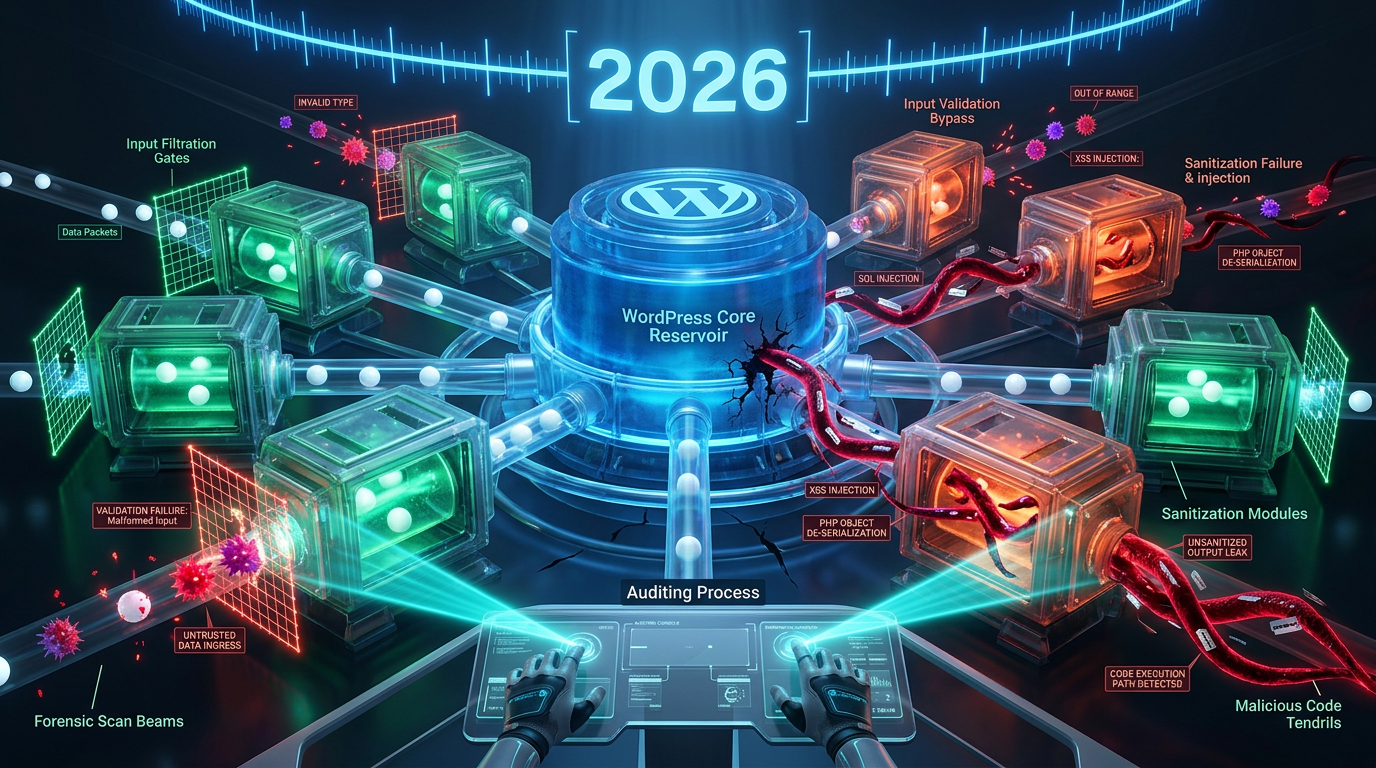
A significant portion of plugin technical debt stems from outdated codebases. Many plugins, especially older ones or those no longer actively maintained, might be running on deprecated functions or using insecure coding practices that were acceptable years ago but are now major vulnerabilities. In 2026, with evolving web standards and increasingly sophisticated cyber threats, such code presents an unacceptable risk. Insecure configurations, often defaults set by developers for ease of use rather than security, also contribute significantly. For a deeper dive into the risks of unmaintained components, consider our article on Auditing WordPress Plugins for Digital Obsolescence & Vendor Stability Risks in 2026.
Excessive Permissions and Third-Party Dependencies
Another common facet of technical debt involves plugins requesting excessive permissions or relying heavily on numerous third-party libraries. While dependencies can speed up development, they introduce external factors that can quickly become outdated or introduce their own security flaws. Unnecessary permissions grant more access than required, broadening the attack surface and making a site more vulnerable to exploits if the plugin is compromised. Managing these dependencies and permissions is a key aspect of mitigating WordPress Plugin Technical Debt. Learn more about potential conflicts and vulnerabilities in our guide to Auditing WordPress Plugins for Class Loading Conflicts & Dependency Hijacking in 2026.

Common Sources of Accumulating WordPress Plugin Technical Debt
Understanding where technical debt originates is the first step towards preventing it. In the WordPress plugin landscape, several factors frequently contribute to its accumulation, often unintentionally. These sources range from developer practices to the very nature of rapid web development.
Legacy Plugin Architecture
Many popular WordPress plugins have been around for a decade or more, evolving through numerous WordPress core updates and PHP versions. Their foundational architecture might have been sound at the time but can become rigid and difficult to adapt to modern best practices without significant refactoring. This creates a legacy burden, making it challenging to implement new features securely and efficiently, thereby increasing the WordPress Plugin Technical Debt.
Developer Inexperience and Time Constraints
Not all plugin developers possess the same level of experience or adherence to best coding standards. Inexperienced developers might unknowingly introduce technical debt through inefficient queries, lack of sanitization, or poor error handling. Furthermore, even skilled developers can be forced to take shortcuts under tight deadlines, prioritizing quick fixes or feature delivery over robust, future-proof code. This 'quick and dirty' approach often results in a buildup of hidden costs.
Rapid Feature Development Over Quality
The competitive nature of the plugin market often pushes developers to release new features rapidly to stay relevant. While beneficial for users, this pace can sometimes lead to insufficient testing, hurried integration, and a focus on functionality at the expense of code quality and long-term maintainability. Each new feature, if not implemented with a strong architectural vision, can add to the existing WordPress Plugin Technical Debt.
The Tangible Costs of Ignoring WordPress Plugin Technical Debt
While technical debt might seem abstract, its consequences are very real and can severely impact a WordPress website. Ignoring WordPress Plugin Technical Debt can lead to a range of operational and financial penalties that are best avoided in 2026.
Security Vulnerabilities and Data Breaches
Perhaps the most critical risk associated with unaddressed technical debt is the exposure to security vulnerabilities. Outdated code, insecure configurations, and unmanaged third-party dependencies are prime targets for malicious actors. A security breach can lead to data loss, website defacement, SEO penalties, and significant reputational damage. The cost of recovery often far outweighs the investment required to proactively manage plugin debt.
Performance Degradation and Slow Load Times
Plugins burdened with technical debt often suffer from inefficient code, excessive database queries, or resource-heavy processes. This directly translates into slower website loading times, which negatively impacts user experience, search engine rankings (especially in 2026's competitive landscape), and conversion rates. Users expect fast, responsive websites, and a slow site due to plugin issues can drive them away.
Compatibility Problems and Maintenance Headaches
As WordPress core evolves and PHP versions update, plugins with significant technical debt struggle to keep up. This can result in frustrating compatibility issues, where plugins break after an update, conflict with other plugins, or cease to function entirely. Troubleshooting these problems can consume considerable time and resources, turning routine maintenance into a complex and costly ordeal. It's a continuous drain on resources that could be better spent elsewhere.
For more insights into managing software quality, refer to this detailed Wikipedia article on Technical Debt.
Auditing Strategies for Identifying and Managing WordPress Plugin Technical Debt
Proactively identifying and managing technical debt is crucial for maintaining a healthy WordPress website. In 2026, a multi-faceted approach combining automated tools and manual expertise is essential for effective auditing.
Automated Scans and Code Reviews
Leverage automated tools designed to scan plugin code for common vulnerabilities, deprecated functions, and coding standard violations. Tools like PHP_CodeSniffer with WordPress-specific sniffs, or security scanners, can quickly highlight potential issues. Regular, automated code reviews can catch newly introduced debt before it becomes deeply embedded. While automated tools are powerful, they are not a silver bullet, and manual review remains important.
Manual Security Audits and Vulnerability Assessments
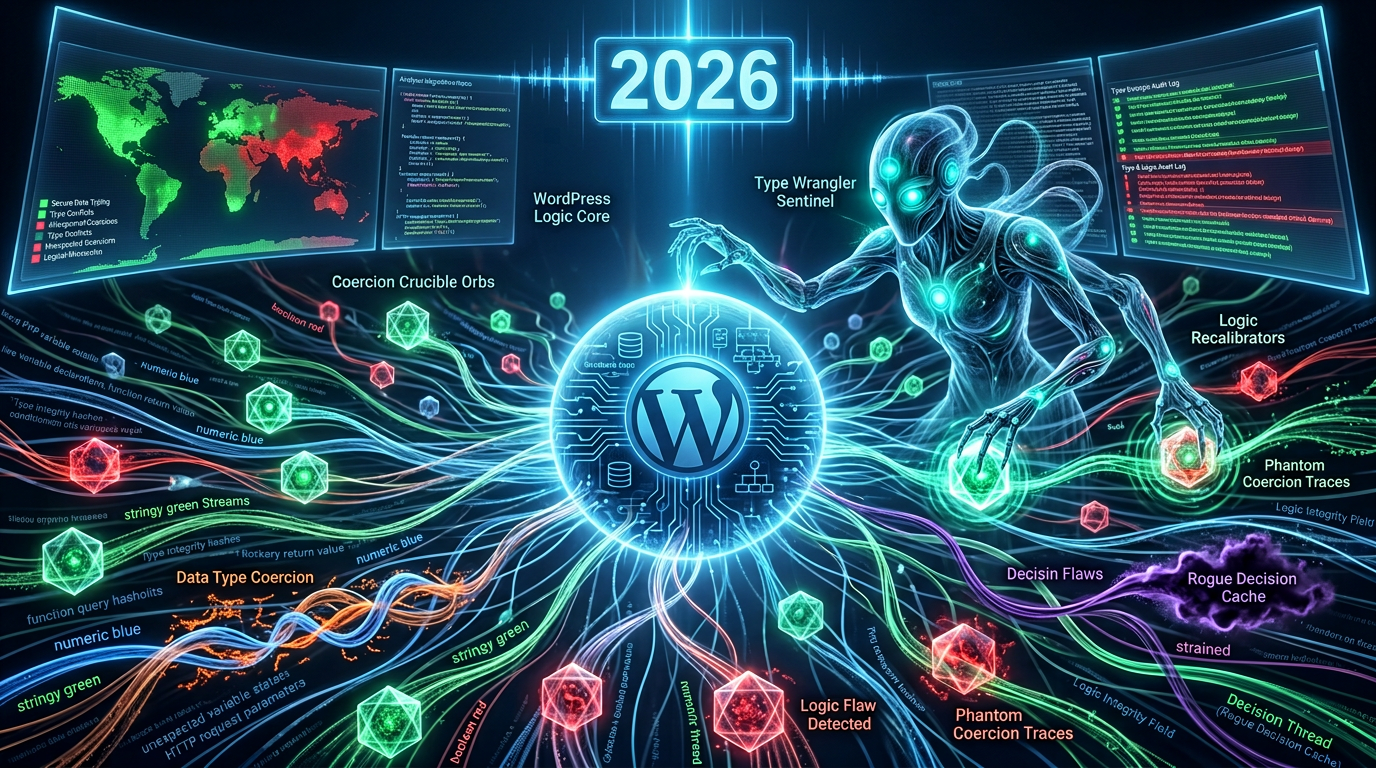
Beyond automated checks, conducting periodic manual security audits by experienced WordPress security professionals is invaluable. These experts can identify complex vulnerabilities, logical flaws, and obscure attack vectors that automated tools might miss. For example, issues related to data type handling can often lead to subtle yet critical vulnerabilities, as discussed in Auditing WordPress Plugins for Data Type Coercion & Logic Flaw Risks in 2026. Vulnerability assessments specifically target potential weaknesses in plugin configurations and interactions, providing a deeper understanding of the security posture related to WordPress Plugin Technical Debt.
Performance Benchmarking and Resource Monitoring
Regularly benchmark your website's performance to identify plugins that are disproportionately consuming resources. Tools like Query Monitor, New Relic, or even built-in browser developer tools can help pinpoint slow database queries, long-running scripts, and excessive memory usage attributed to specific plugins. Monitoring server logs and resource usage can also flag plugins that are causing undue strain on your hosting environment.

Best Practices for Preventing and Mitigating WordPress Plugin Technical Debt
Prevention is always better than cure. By adopting a proactive approach and adhering to best practices, you can significantly reduce the accumulation of WordPress Plugin Technical Debt on your website in 2026.
Prioritizing Plugin Updates and Maintenance
Regularly updating plugins is paramount. Developers often release updates to fix bugs, patch security vulnerabilities, and improve performance. Ensure you're running the latest stable versions. Before updating, always back up your site and test updates on a staging environment. If a plugin is no longer maintained, consider finding a well-supported alternative.
Adopting a Code Quality Culture for Custom Development
If you or your team engage in custom plugin development, instill a strong code quality culture. This includes adhering to WordPress coding standards, implementing robust sanitization and validation, writing unit tests, and conducting peer code reviews. Investing in quality upfront drastically reduces future technical debt and improves long-term maintainability.
Regular Monitoring, Review, and Strategic Replacements
Continuously monitor your website's health, performance, and security. Regularly review your installed plugins: uninstall those not actively used, and evaluate the necessity and quality of every active plugin. If an essential plugin is consistently causing issues or showing signs of significant technical debt, investigate well-maintained, performant alternatives. Sometimes, strategically replacing a problematic plugin is the most cost-effective solution in the long run.
For official guidance on WordPress development best practices, consult the WordPress Developer Resources.
Managing WordPress Plugin Technical Debt is an ongoing process, not a one-time task. By understanding its origins, recognizing its impacts, and implementing strategic auditing and prevention measures, you can ensure your WordPress website remains secure, performant, and maintainable for years to come. Don't let the silent burden of technical debt compromise your digital presence in 2026 and beyond.
Frequently Asked Questions

Written by Aras Akıncılar
Uzun yıllara dayanan WordPress deneyimine sahip bir siber güvenlik uzmanı olarak, eklenti ekosisteminin derinlemesine analizine odaklanıyorum. Güvenlik açıkları, performans düşüşleri ve uyumluluk sorunları üzerine hazırladığım makalelerle, WordPress kullanıcılarının sitelerini daha güvenli ve verimli hale getirmelerine yardımcı olmayı hedefliyorum.