WordPress Web3 Integration: The Silent Conductors Shaping Its Future
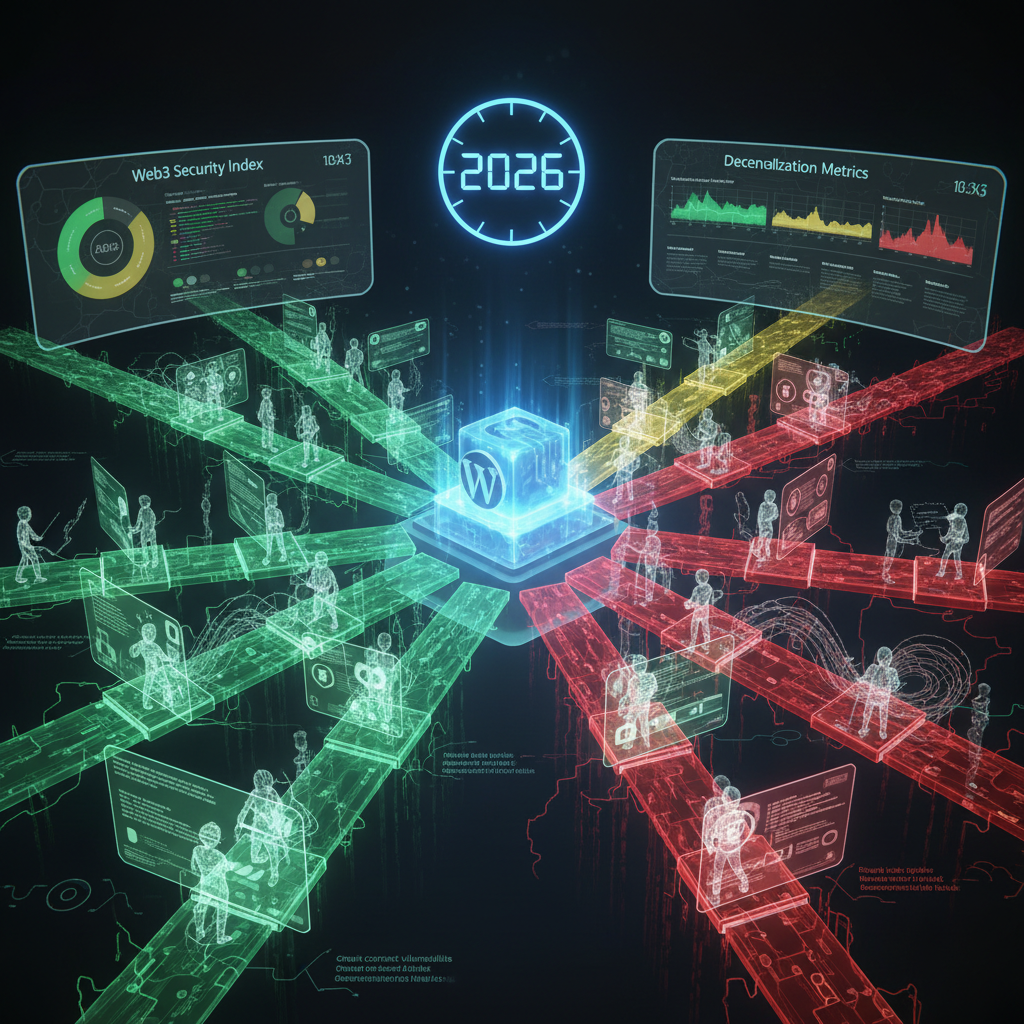
In the rapidly evolving digital landscape of 2026, the convergence of decentralized technologies with established web platforms is creating unprecedented opportunities. A critical aspect of this evolution is WordPress Web3 integration, which allows websites to tap into blockchain functionalities, cryptocurrencies, and decentralized applications (dApps). For millions of WordPress users, the gateway to this innovative world often comes through plugins – those silent conductors working behind the scenes, shaping how their sites interact with the decentralized web. This article delves into the transformative power of these plugins, examining their role in driving Web3 adoption, their functionalities, and the inherent risks they present for effective WordPress Web3 integration.
The Rise of WordPress Web3 Integration: A 2026 Perspective
The year 2026 marks a significant period for Web3 adoption. From artists selling NFTs directly on their portfolios to e-commerce sites accepting cryptocurrency payments, the demand for decentralized functionalities is soaring. WordPress, powering over 43% of all websites, is a natural battleground for this integration. The ease of use and extensibility offered by its plugin architecture make it an ideal platform for developers to build bridges between traditional web and the blockchain ecosystem. However, this convenience also introduces a complex layer of considerations. For a deeper dive into how plugins shape the foundational elements of your site, consider reading about WordPress Plugins and Digital Landscape Mapping in 2026.
The ability to seamlessly connect a WordPress site to a blockchain network, manage digital assets, or enable secure token-gated content is primarily facilitated by specialized plugins. These tools abstract away the complexities of blockchain development, making Web3 accessible to a broader audience. As such, the quality, security, and functionality of these plugins directly dictate the success and safety of WordPress Web3 integration efforts.
Driving Factors for Web3 Plugin Development
- Increased User Demand: Website owners and their audiences are increasingly interested in blockchain-powered features.
- Developer Accessibility: WordPress's open-source nature lowers the barrier to entry for Web3 developers.
- Market Maturation: Web3 technologies are becoming more stable and feature-rich, enabling more robust integrations.
- Economic Opportunities: New business models centered around NFTs, DAOs, and crypto payments incentivize plugin creation.
Core Functionalities of WordPress Web3 Integration Plugins
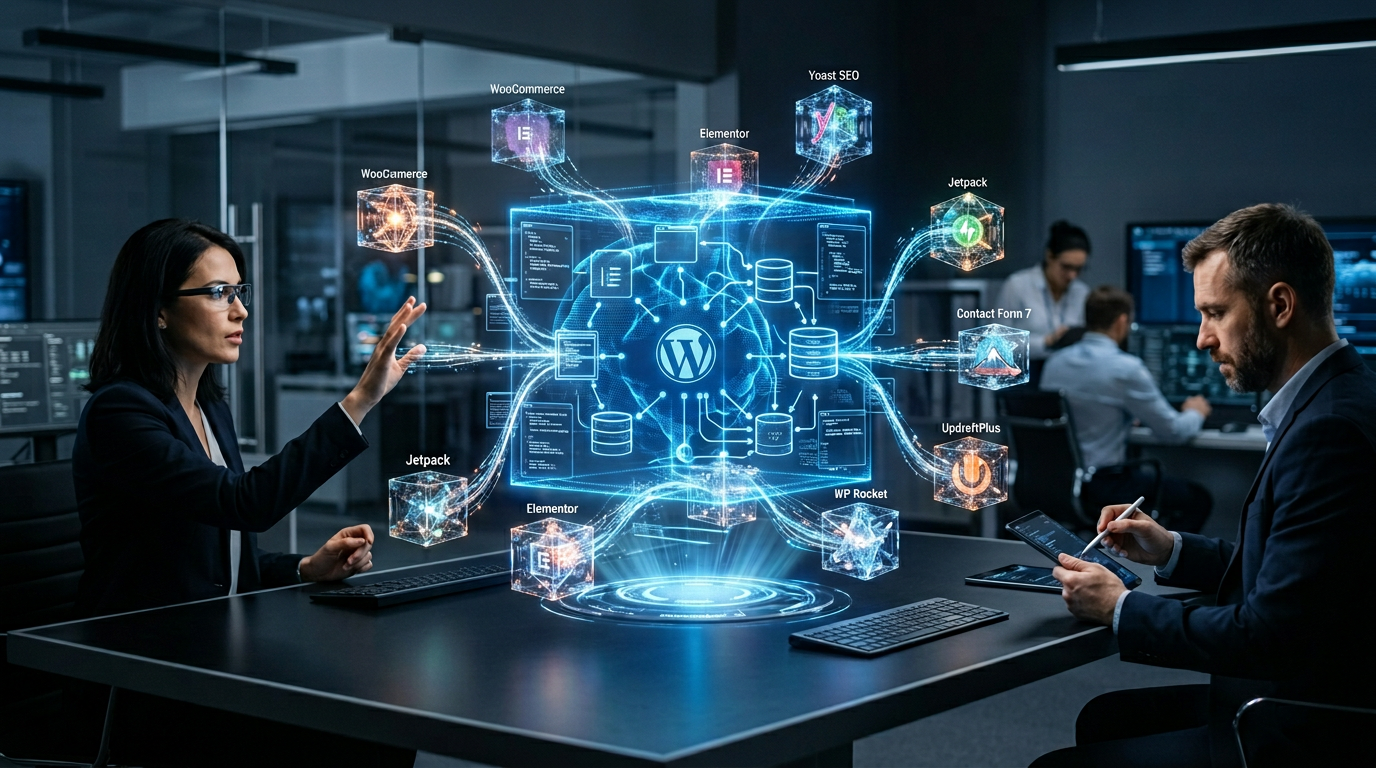
Modern WordPress plugins designed for WordPress Web3 integration offer a diverse range of features, catering to various decentralized objectives. Understanding these functionalities is key to evaluating their potential benefits and risks. These plugins are no longer just simple add-ons; they are complex pieces of software that often interact with external blockchain networks and smart contracts, much like how WordPress plugins function as microservices, each with its own security footprint.
From enabling NFT galleries to facilitating decentralized identity solutions, the scope of these tools is vast. For businesses, creators, and community builders, secure and efficient WordPress Web3 integration is becoming a competitive necessity.
Key Features to Look For:
- Wallet Connectivity: Allowing users to connect their Web3 wallets (e.g., MetaMask, WalletConnect) to the WordPress site.
- NFT Display & Sales: Integrating marketplaces for displaying and selling non-fungible tokens directly on a site.
- Cryptocurrency Payments: Enabling the acceptance of various cryptocurrencies for products or services.
- Token Gating: Restricting access to content or features based on ownership of specific tokens.
- Decentralized Identity (DID): Implementing self-sovereign identity solutions for user authentication.
- Smart Contract Interaction: Providing ways for the WordPress site to read from and write to blockchain smart contracts.
- DAO Tooling: Facilitating governance and voting mechanisms for decentralized autonomous organizations.
Navigating the Treacherous Waters: Risks in WordPress Web3 Integration
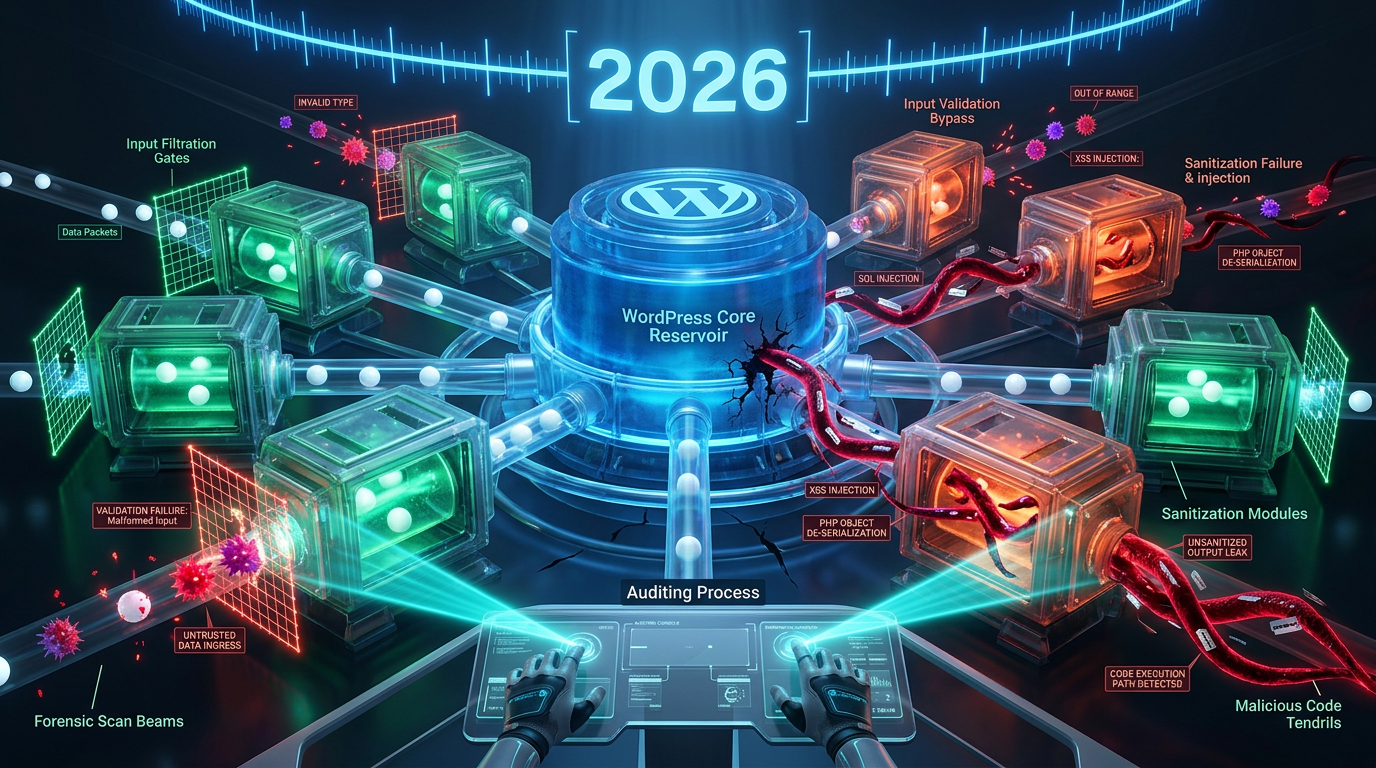
While the benefits of WordPress Web3 integration are compelling, it's crucial to acknowledge the significant risks associated with incorporating these technologies into a WordPress site via plugins. The decentralized nature of Web3, combined with the inherent complexities of blockchain, introduces new attack vectors and vulnerabilities that traditional web security models might not fully address. Prudent selection and management of these plugins are paramount. Understanding these new threats is critical, much like dissecting Quantum Vulnerabilities in WordPress Plugins in 2026.
Careful consideration must be given to security practices, code quality, and ongoing maintenance. Neglecting these aspects can lead to catastrophic consequences, including loss of funds, data breaches, and reputational damage. The stakes are often higher when dealing with Web3 assets due to their immutable nature on the blockchain.
Common Plugin-Related Threats:
- Security Vulnerabilities:
- Outdated Code: Plugins not regularly updated can contain known security flaws.
- Insecure Configurations: Poorly configured plugins can expose sensitive data or functionality.
- Excessive Permissions: Plugins requesting unnecessary access to core WordPress functions or server resources.
- Injection Flaws: SQL injection, cross-site scripting (XSS), and other common web vulnerabilities.
- Smart Contract Vulnerabilities: Flaws in the underlying smart contracts that the plugin interacts with.
- Performance Issues: Overly complex or inefficient plugins can slow down a website, impacting user experience and SEO. For more on this, see how WordPress Plugins Dictate Browser Scripting & Client-Side Logic.
- Compatibility Problems: Conflicts with other plugins, themes, or core WordPress updates, leading to site breakdowns.
- Third-Party Dependencies: Reliance on external libraries or APIs that may have their own vulnerabilities or can be deprecated.
- Rug Pulls & Scam Integrations: Malicious plugins designed to siphon off user funds or data.
- Lack of Audits: Plugins handling valuable assets should ideally undergo independent security audits.
Best Practices for Secure WordPress Web3 Integration in 2026
Given the potential risks, adopting a proactive and thorough approach to WordPress Web3 integration is non-negotiable. Website owners and administrators must implement a robust set of best practices to ensure the security, stability, and performance of their integrated systems. This involves not only careful plugin selection but also ongoing monitoring and maintenance.
In 2026, the landscape of Web3 is dynamic, requiring continuous adaptation and education. Staying informed about the latest security threats and best practices is as important as choosing the right plugin. Prioritizing security through every step of implementation is vital for harnessing the power of decentralized technologies without falling victim to their inherent risks. For instance, understanding concepts like Privilege Escalation in WordPress Plugins is crucial for secure WordPress Web3 integration.
Strategies for Mitigating Risks:
- Thorough Research & Vetting: Always research a plugin's reputation, reviews, and developer activity before installation. Look for plugins from reputable sources with a strong track record. A good resource for checking plugin security can be found at WPScan.
- Security Audits & Code Reviews: Prioritize plugins that have undergone independent security audits. If possible, conduct your own code review or hire an expert to assess the data security and privacy implications.
- Regular Updates: Keep all plugins, themes, and WordPress core up to date to patch known vulnerabilities. This is paramount for maintaining a secure environment.
- Principle of Least Privilege: Grant plugins only the necessary permissions required for their functionality. Giving too many permissions can lead to significant vulnerabilities.
- Strong Access Control: Implement strong passwords, two-factor authentication, and limit administrative access. Resources like the OWASP Top 10 provide invaluable insights into web application security risks.
- Backup Solutions: Regularly back up your entire WordPress site, including the database, to facilitate quick recovery in case of issues.
- Isolated Testing Environment: Test new Web3 plugins in a staging environment before deploying them to a live site. This prevents potential disruptions to your live user base.
- Monitor Performance: Use performance monitoring tools to identify and address any plugin-related slowdowns. Tools like GTmetrix and PageSpeed Insights are excellent for this.
- Educate Yourself: Stay informed about common Web3 security threats, phishing scams, and best practices. The Web3 space is rapidly evolving, and continuous learning is essential.
The Future Landscape of WordPress Web3 Integration
Looking ahead in 2026, the evolution of WordPress Web3 integration shows no signs of slowing down. As blockchain technology matures and becomes more accessible, we can expect even more sophisticated and user-friendly plugins to emerge. The focus will likely shift towards greater interoperability, enhanced security protocols, and a more seamless user experience. This growth mirrors the trends observed in how WordPress Plugins Redefine Your Site's Digital Fabric.
The silent conductors – these WordPress plugins – will continue to play a pivotal role in democratizing access to Web3, empowering millions of website owners to participate in the decentralized economy. However, success in this endeavor will hinge on the collective commitment of developers to build robust and secure solutions, and of users to adopt diligent security practices. The future of the decentralized web on WordPress is bright, provided we navigate its complexities with caution and expertise in WordPress Web3 integration.
Frequently Asked Questions

Written by Aras Akıncılar
Uzun yıllara dayanan WordPress deneyimine sahip bir siber güvenlik uzmanı olarak, eklenti ekosisteminin derinlemesine analizine odaklanıyorum. Güvenlik açıkları, performans düşüşleri ve uyumluluk sorunları üzerine hazırladığım makalelerle, WordPress kullanıcılarının sitelerini daha güvenli ve verimli hale getirmelerine yardımcı olmayı hedefliyorum.