Unmasking WordPress Microservices Plugins: Security in 2026
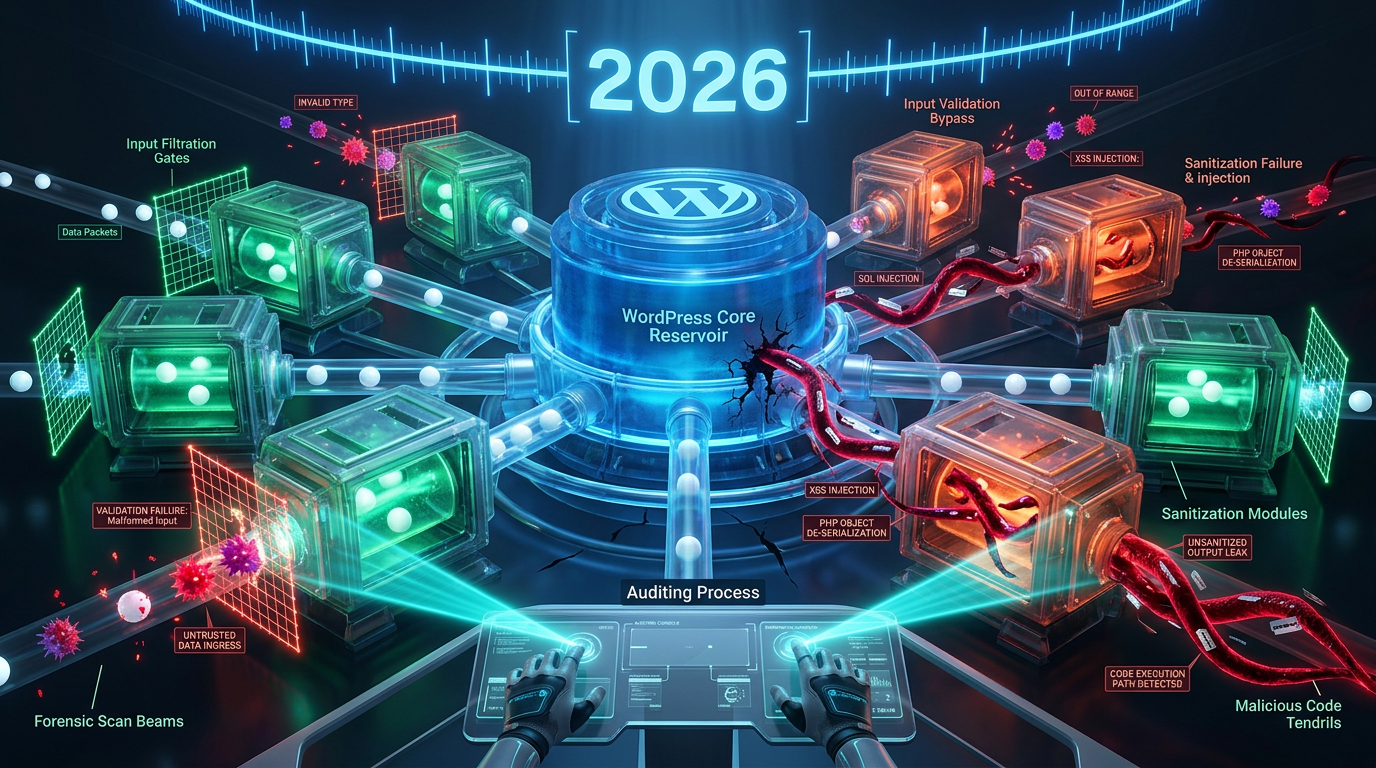
In the evolving landscape of web development, the concept of microservices has gained significant traction, promising modularity, scalability, and resilience. This architectural style, which structures an application as a collection of loosely coupled, independently deployable services, is increasingly influencing how we perceive and utilize tools within content management systems. Our deep dive today explores WordPress microservices plugins, examining their transformative role and, critically, their security footprint in 2026. As WordPress continues to dominate a substantial portion of the web, understanding how plugins adopt or emulate microservice principles – and the inherent risks this introduces – is paramount for website owners and developers alike.
The Evolution of WordPress Plugins Towards Microservices
Historically, WordPress plugins have been monolithic add-ons, extending core functionality with tightly integrated code. However, the demands for more agile development, better performance, and enhanced security have pushed some plugins toward a microservices-inspired architecture. This shift isn't always explicit; often, it manifests as plugins relying on external APIs, independent functions, or even separate cloud-based services to deliver their features. This modularity, while beneficial, significantly alters the security profile of a WordPress site. Delving deeper into this evolution, we can see how WordPress plugins redefine your site's digital fabric in 2026, moving beyond simple extensions to more complex, interconnected components.
What Constitutes a Microservice-Inspired Plugin?
Not every plugin qualifies as a true microservice, but many exhibit characteristics that align with the philosophy. These include:
- External Dependencies: Plugins that rely heavily on third-party APIs for core functionality, such as payment gateways, CRM integrations, or sophisticated analytics tools.
- Decoupled Operations: Functionality that operates somewhat independently of the main WordPress installation, perhaps running tasks on a separate server or in a serverless environment.
- Specialized Functions: Plugins designed for a very specific, narrow purpose, often interacting with other services to achieve a broader goal.
Understanding these characteristics is crucial when evaluating the security of WordPress microservices plugins and their integration into your site's ecosystem. This modern approach often involves the extension of HTML with custom elements and web components, creating a dynamic and distributed architecture.
Benefits of a Microservices Approach in WordPress
The allure of a microservice-like structure for WordPress plugins isn't without merit. Key advantages include:
- Improved Scalability: Individual services can be scaled independently based on demand, rather than scaling the entire WordPress application.
- Enhanced Resilience: A failure in one service might not bring down the entire website, as other services can continue to operate.
- Faster Development Cycles: Developers can work on specific functionalities in isolation, leading to quicker updates and bug fixes.
- Technology Diversity: Different services can be built using different technologies, optimizing each part for its specific task.
Security Footprint of WordPress Microservices Plugins in 2026
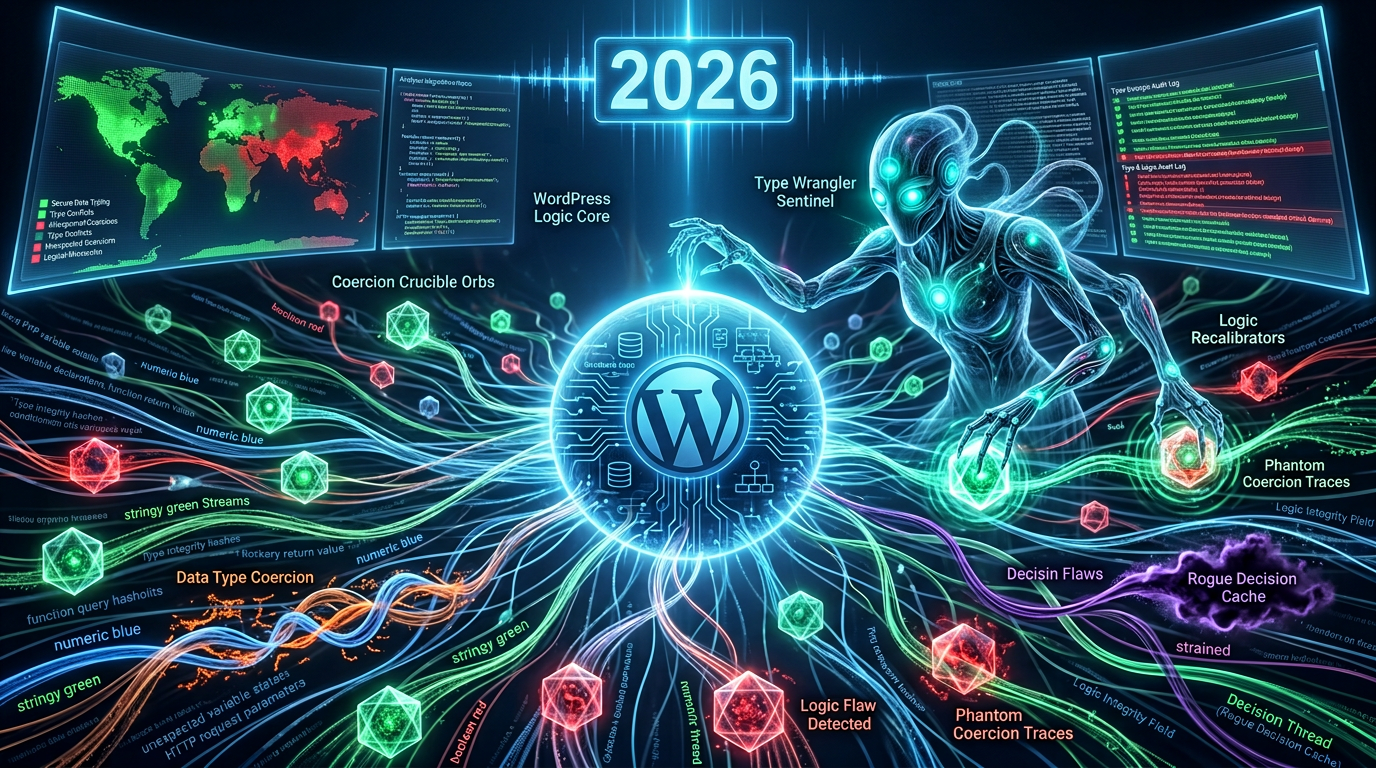
While the architectural shift offers numerous benefits, it also introduces a more complex security landscape. In 2026, website owners must be acutely aware of the expanded attack surface and the unique vulnerabilities that WordPress microservices plugins can present. This includes understanding potential temporal drift and event sequencing vulnerabilities that can arise in such distributed systems.
Common Vulnerabilities Arising from Microservices
The interconnected nature of microservices brings new security challenges:
- API Security Concerns: Plugins leveraging external APIs are susceptible to vulnerabilities in those APIs, including insecure endpoints, improper authentication, and data leakage.
- Inter-service Communication Risks: The communication channels between internal services or between a plugin and an external service can be intercepted or exploited if not properly secured with encryption and authentication.
- Dependency Management: Each external service or component brought in by a plugin is a potential point of failure or compromise. Outdated or vulnerable third-party libraries within these services pose a significant risk.
- Data Consistency and Integrity: With data potentially spread across multiple services, ensuring consistency and integrity becomes more complex and prone to security bypasses if not architected correctly.
- Increased Attack Surface: More moving parts mean more potential entry points for attackers. Each service or API endpoint represents a new target.
A recent report in early 2026 highlighted a surge in attacks targeting misconfigured API endpoints within popular WordPress plugins, underscoring the urgency of addressing these issues. Cybersecurity Ventures projects global cybersecurity spending to exceed $250 billion in 2026, a significant portion of which will be dedicated to securing interconnected microservice architectures. This highlights the growing concern around the security of distributed systems, including their implementation within WordPress plugins (Cybersecurity Ventures).
The Role of Outdated Code and Insecure Configurations
Just like traditional plugins, WordPress microservices plugins suffer from the perennial problem of outdated code and insecure configurations. If the underlying services or their integration points are not regularly updated and hardened, they become ripe targets for exploitation. This includes:
- Legacy API Versions: Using older, unmaintained API versions can expose sites to known vulnerabilities.
- Weak Authentication: Poorly implemented API keys or tokens, or a lack of OAuth/JWT for inter-service communication, can lead to unauthorized access.
- Excessive Permissions: Granting a plugin or its underlying service more permissions than necessary can lead to privilege escalation if compromised.
- Exposure of Sensitive Information: Debugging logs or misconfigured services might inadvertently expose sensitive data.
Evaluating and Mitigating Risks in WordPress Microservices Plugins
Proactive evaluation and robust mitigation strategies are essential for maintaining a secure WordPress environment utilizing microservices-inspired plugins. This requires a shift in how we approach plugin selection and management.
Best Practices for Plugin Selection and Deployment
When choosing and deploying WordPress microservices plugins, consider the following:
- Thorough Research: Investigate the plugin developer's reputation, responsiveness to security issues, and track record.
- Dependency Analysis: Understand what external services or APIs the plugin relies on. Research the security practices of those third-party providers.
- Security Audits: Opt for plugins that have undergone independent security audits. Look for recent audit reports.
- Least Privilege Principle: Ensure the plugin only has the necessary permissions to function. Avoid plugins demanding excessive access.
- Regular Updates: Keep all plugins, themes, and WordPress core updated to their latest versions to patch known vulnerabilities. This includes updates to any external services the plugin uses.
Implementing Robust Security Measures
Beyond selection, active security measures are crucial:
- API Security Gateways: Use an API gateway to manage, secure, and monitor API calls between your WordPress site and external services. This can enforce policies, rate limits, and authentication.
- Endpoint Protection: Secure all API endpoints with strong authentication (e.g., OAuth, JWT), encryption (HTTPS), and input validation.
- Vulnerability Scanning: Regularly scan your WordPress site and its integrated services for known vulnerabilities.
- Web Application Firewalls (WAF): Implement a WAF to filter malicious traffic and protect against common web exploits targeting your site or its integrated services.
- Security Headers: Utilize strong security headers (e.g., Content Security Policy, X-XSS-Protection) to enhance client-side protection.
- Activity Logging and Monitoring: Implement comprehensive logging for all interactions, especially those involving external services, and monitor these logs for suspicious activity. A vital part of this is adopting robust digital forensics and incident response strategies for WordPress plugins.
The Future of WordPress Plugins and Microservices Adoption
As 2026 unfolds, the trend towards more modular and interconnected web services will only accelerate. WordPress, being at the forefront of digital content, will inevitably see an increased adoption of microservices patterns within its plugin ecosystem. This evolution presents both exciting opportunities for innovation and significant challenges in maintaining security.
Emerging Trends in WordPress Security
Several trends are shaping the security landscape for WordPress microservices plugins:
- AI and ML for Threat Detection: Artificial intelligence and machine learning are increasingly used to detect anomalous behavior and predict potential attacks on complex infrastructures.
- Serverless Functions: More plugins may leverage serverless functions (e.g., AWS Lambda, Google Cloud Functions) for specific tasks, further abstracting functionality and potentially shifting security considerations to cloud providers.
- Containerization: The use of containers (like Docker) for deploying plugin components or related services can enhance isolation and portability, but also introduce container-specific security concerns.
- Standardized API Security Protocols: Greater adoption of industry-standard API security protocols will help mitigate common vulnerabilities associated with inter-service communication. NIST's recent publication of SP 800-204D, "Security Guidelines for Microservices Architectures," in late 2025 provides valuable guidance for developers and security professionals (NIST).
Staying informed about these trends and adapting security practices accordingly will be vital for anyone managing a WordPress site in 2026.
Conclusion: Securing Your WordPress Microservices Plugins
The silent storytellers of our WordPress sites, the plugins, are increasingly embracing or mimicking the microservices architecture. While this brings agility and power, it also introduces a sophisticated layer of security considerations. In 2026, merely installing a plugin and hoping for the best is no longer an option, especially when dealing with the nuanced security footprint of WordPress microservices plugins.
By understanding the inherent risks—from API vulnerabilities and outdated code to insecure configurations and excessive permissions—and by implementing diligent risk assessment, robust security measures, and continuous monitoring, you can harness the power of these advanced plugins without compromising the integrity and security of your WordPress website. The responsibility lies with developers to build secure microservices-inspired solutions and with users to employ best practices in their selection and management. Only through this concerted effort can we truly secure the future of WordPress.
Frequently Asked Questions

Written by Aras Akıncılar
Uzun yıllara dayanan WordPress deneyimine sahip bir siber güvenlik uzmanı olarak, eklenti ekosisteminin derinlemesine analizine odaklanıyorum. Güvenlik açıkları, performans düşüşleri ve uyumluluk sorunları üzerine hazırladığım makalelerle, WordPress kullanıcılarının sitelerini daha güvenli ve verimli hale getirmelerine yardımcı olmayı hedefliyorum.