AI WordPress Plugins: Code Generation & Self-Optimization in 2026
The digital landscape is constantly evolving. In 2026, the integration of artificial intelligence into web development has reached unprecedented levels. Specifically, AI WordPress Plugins are no longer just tools for adding functionality; they are becoming intelligent assistants. They can generate code, optimize performance, and even self-correct. This fundamentally changes how developers and site owners interact with the world's most popular CMS. This technological leap allows for more efficient workflows, enhanced security, and superior user experiences, pushing the boundaries of what a WordPress site can achieve.
The Evolution of AI WordPress Plugins: Beyond Simple Automation
In recent years, the capabilities of AI WordPress Plugins have expanded dramatically. What once started with simple content suggestions or SEO optimizations has now morphed into sophisticated systems. These systems are capable of complex tasks. The focus, therefore, has shifted from merely assisting human users to intelligently augmenting their entire development and maintenance process. These advanced AI WordPress Plugins are redefining efficiency.
AI-Powered Code Generation: A Game Changer for Developers
One of the most remarkable advancements is in AI-powered code generation. Developers can now leverage AI WordPress Plugins that analyze requirements and generate custom PHP, JavaScript, or CSS snippets. This significantly reduces development time and minimizes human error. Ultimately, it accelerates the deployment of new features and functionalities.
- Smart Snippet Creation: AI can generate boilerplate code, function declarations, and even complex logical structures based on natural language prompts.
- Theme and Plugin Customization: Moreover, AI tools can suggest and implement modifications to existing themes and plugins, ensuring compatibility and best practices.
- Bug Fixing Suggestions: Advanced AI can analyze code for potential errors and suggest optimal solutions, thereby improving code quality and stability.
Self-Optimization Features for Peak Performance
Beyond code creation, modern AI WordPress Plugins are excelling in self-optimization. These plugins continuously monitor a website's performance metrics and make real-time adjustments. This ensures both speed and efficiency. This autonomous optimization is crucial for maintaining a competitive edge in today's fast-paced online environment.
- Image Optimization: AI automatically compresses and resizes images without loss of quality, significantly reducing page load times.
- Database Cleaning: It identifies and removes unnecessary data, optimizing database queries and overall site performance.
- Caching Strategies: Furthermore, AI dynamically adjusts caching mechanisms based on user behavior and content updates, ensuring fresh and fast content delivery.
Addressing Potential Risks with Intelligent AI WordPress Plugins
While the benefits are immense, the increasing sophistication of AI WordPress Plugins also brings potential risks. It's crucial for users to understand and mitigate these challenges. This ensures their WordPress sites remain secure, stable, and performant. Intelligent AI can paradoxically help address such risks, as highlighted by current project contexts. For instance, understanding API security in WordPress plugins for 2026 is more critical than ever.
Security Vulnerabilities and Code Review
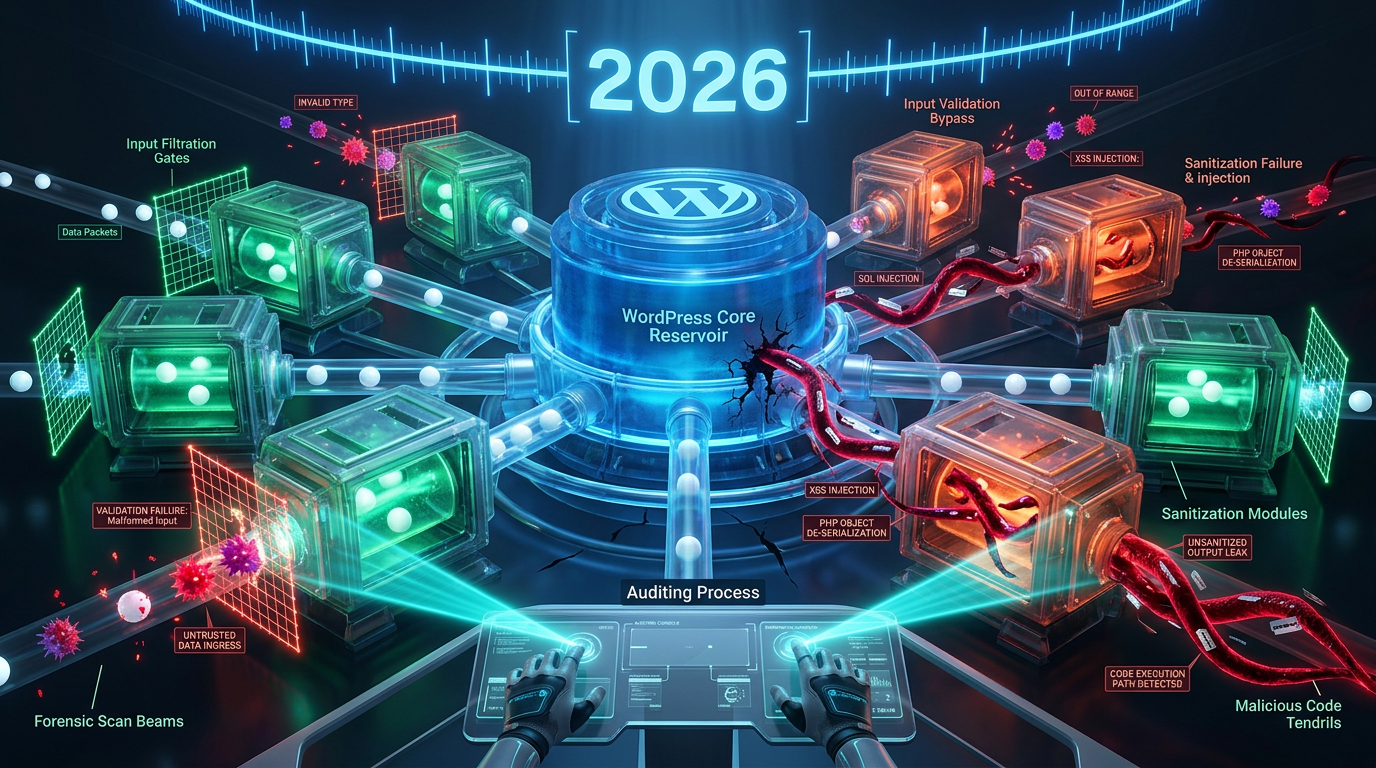
AI-generated code, while efficient, needs careful scrutiny. In 2026, many AI WordPress Plugins are incorporating advanced security scanning features. These identify potential vulnerabilities before deployment. This proactive approach is vital in preventing common exploits and maintaining strong site integrity.
- Automated Security Audits: AI can scan generated or existing code for SQL injection, cross-site scripting (XSS), and other common web vulnerabilities.
- Permission Management: Additionally, intelligent plugins can analyze and recommend optimal file and directory permissions, reducing the attack surface.
- Third-Party Dependency Analysis: AI can track and alert users to vulnerabilities in third-party libraries or components used by other plugins, a common point of weakness. You can further explore this topic by reading about supply chain attacks and SBOMs in WordPress plugins.
Performance and Compatibility Issues: AI as a Safeguard
Outdated code, insecure configurations, and compatibility conflicts are persistent threats to WordPress sites. Modern AI WordPress Plugins are designed to proactively detect and often remediate these issues, ensuring a smoother operation.
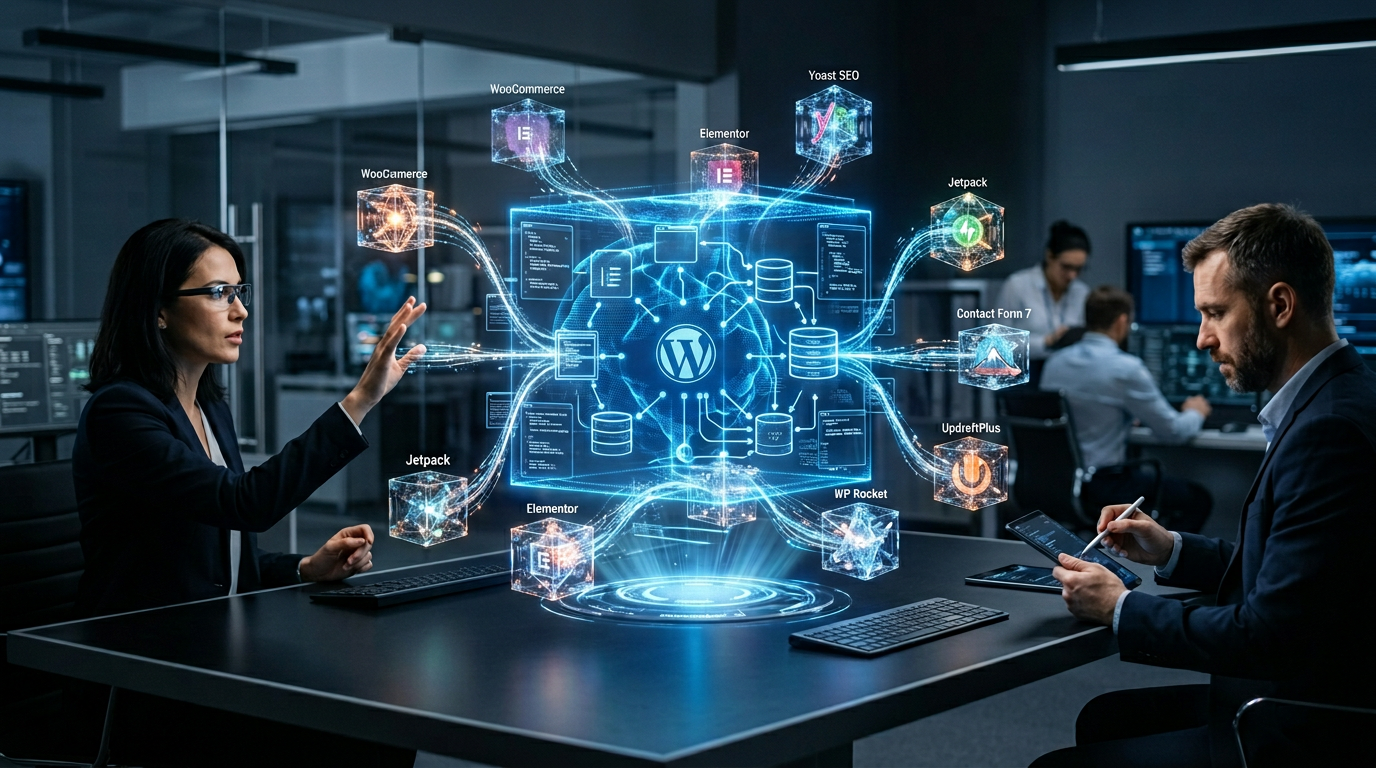
- Conflict Detection: AI can analyze interactions between different plugins and themes, identifying potential conflicts that could lead to site crashes or malfunctions.
- Resource Monitoring: Plugins can monitor server resources in real-time, alerting administrators to unusual spikes in CPU or memory usage. Such spikes might indicate inefficient code or malicious activity.
- Update Compatibility Checks: Before major WordPress or plugin updates, AI can simulate the update to predict potential compatibility problems, allowing for preemptive action. For broader insights, consider how AI is leveraging adaptive security in WordPress plugins for 2026.
Best Practices for Implementing AI WordPress Plugins in 2026
To fully leverage the power of AI WordPress Plugins while minimizing risks, it's essential to follow a set of best practices. These guidelines ensure that AI tools truly augment your site, rather than introducing new complexities.
Choosing the Right AI Tools for Your Needs
With a plethora of AI WordPress Plugins available, selecting the right ones is paramount. Look for plugins with clear documentation, strong community support, and a reputation for security and reliability. Always verify the developer's credentials and recent update history. A good external resource for general plugin selection criteria can be found on WordPress.org's official plugin repository.
- Reputation and Reviews: Prioritize plugins with high ratings and positive reviews, especially those highlighting security and performance.
- Active Development: Ensure the plugin is regularly updated to address new vulnerabilities and maintain compatibility with the latest WordPress versions.
- Clear Feature Set: Choose plugins that align directly with your specific needs, whether it's content generation, SEO, security, or performance optimization.
Regular Monitoring and Human Oversight
Even the most advanced AI WordPress Plugins require human oversight. Regular monitoring of your site's performance, security logs, and AI-generated outputs is crucial. Indeed, AI augments human capabilities; it doesn't replace them. Insights from Dark Reading's article on AI and human security expertise further emphasize this balance.
- Dashboard Monitoring: Regularly check the AI plugin's dashboard for insights, recommendations, and alerts.
- Security Scans: Conduct periodic manual and automated security scans in addition to AI-driven checks.
- Performance Testing: Use independent tools to verify the performance improvements reported by AI optimization plugins.
The Future Landscape: Predictive Maintenance and Beyond for AI WordPress Plugins
As we look further into 2026 and beyond, the capabilities of AI WordPress Plugins are set to expand even further. The next frontier involves more sophisticated predictive analytics and truly autonomous decision-making. This transforms WordPress site management into a highly intelligent and proactive process.
Predictive Maintenance and Anomaly Detection
Future AI WordPress Plugins will not only react to issues but proactively predict them. By analyzing patterns in traffic, error logs, and system performance, AI will be able to anticipate potential problems before they impact users.
- Traffic Anomaly Detection: Identify unusual traffic patterns that could indicate a bot attack or a sudden spike in legitimate interest, allowing for proactive scaling.
- Predictive Error Detection: Analyze system logs for subtle indicators of impending issues, such as database corruption or plugin conflicts, and suggest preventative measures.
- Resource Forecasting: Predict future resource needs based on historical data and anticipated growth, ensuring optimal server provisioning. For deeper understanding, explore concepts like Gartner's view on predictive analytics.
Hyper-Personalization and User Experience
The role of AI will also deepen in personalizing the user experience on WordPress sites. From dynamic content delivery to adaptive interfaces, AI WordPress Plugins will create truly unique and engaging experiences for every visitor.
- Content Personalization: Deliver tailored content and product recommendations based on individual user behavior and preferences.
- Adaptive UI/UX: Modify site layouts and navigation dynamically to suit different user segments or devices, significantly enhancing usability.
- Live Chat and Support: AI-powered chatbots will offer more sophisticated and empathetic support, resolving complex queries without human intervention.
Conclusion: The Intelligent Evolution of WordPress with AI
In 2026, AI WordPress Plugins have emerged as indispensable tools. They profoundly impact every aspect of website development and management. From generating robust code and optimizing performance to fortifying security and predicting future issues, AI is transforming WordPress. It is becoming a more intelligent, resilient, and adaptive platform. While vigilance and best practices remain crucial, embracing these silent augmenters promises a future where website creation and maintenance are more efficient, secure, and user-centric than ever. The ongoing evolution of AI in the WordPress ecosystem will undoubtedly continue to push the boundaries of what's possible online. This empowers both users and developers to build extraordinary digital experiences with the help of powerful AI WordPress Plugins.
Frequently Asked Questions

Written by Aras Akıncılar
Uzun yıllara dayanan WordPress deneyimine sahip bir siber güvenlik uzmanı olarak, eklenti ekosisteminin derinlemesine analizine odaklanıyorum. Güvenlik açıkları, performans düşüşleri ve uyumluluk sorunları üzerine hazırladığım makalelerle, WordPress kullanıcılarının sitelerini daha güvenli ve verimli hale getirmelerine yardımcı olmayı hedefliyorum.