The Morphing Code: How Dynamic WordPress Plugins Adapt and Their Security Implications in 2026
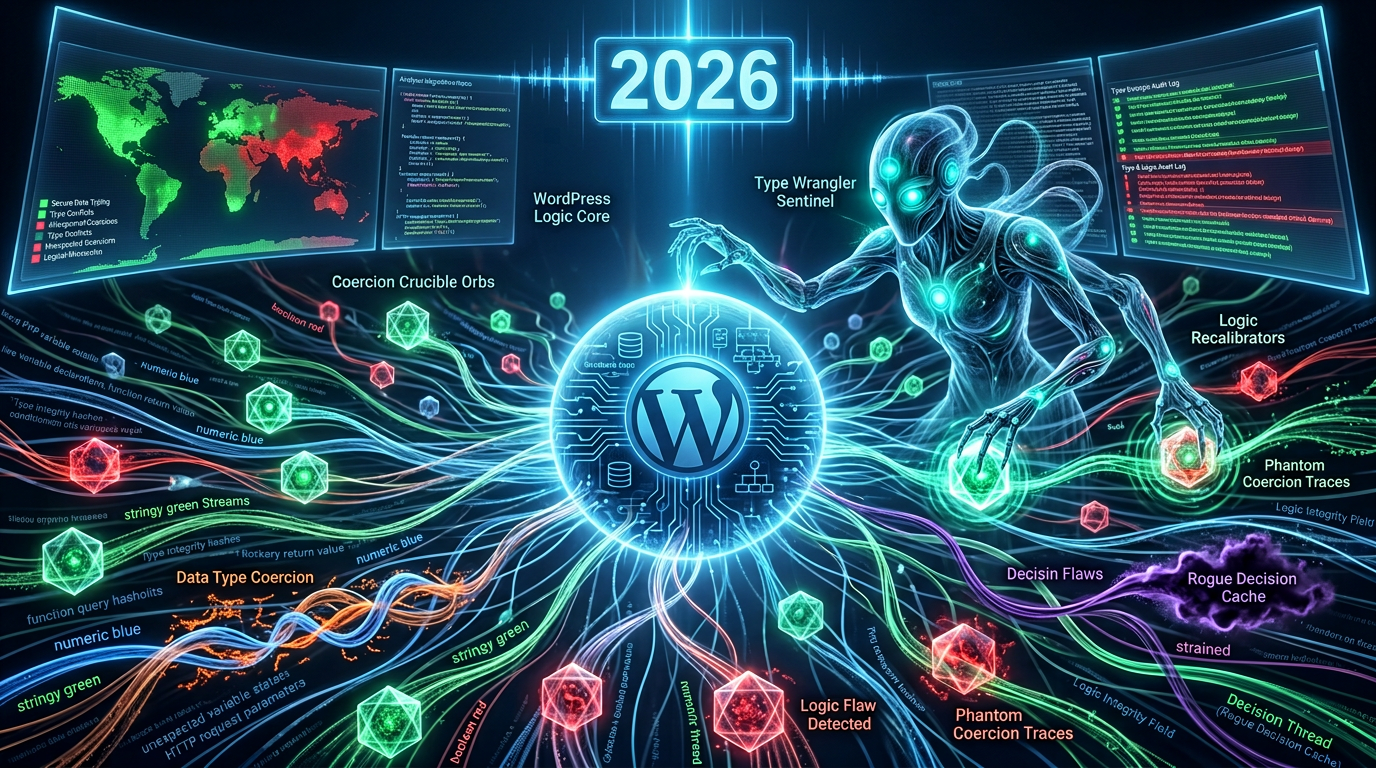
In the rapidly evolving digital landscape of 2026, the concept of a static website is largely a relic of the past. Modern web experiences demand adaptability, personalization, and real-time responsiveness. This is where dynamic WordPress plugins step in, transforming a basic WordPress installation into a powerhouse of interactive features. These plugins aren't just adding functionality; they're actively changing content, user interfaces, and even back-end processes based on a multitude of triggers. However, this inherent dynamism, while incredibly powerful, also introduces a complex layer of security considerations that every WordPress administrator and developer must understand.
For a broader understanding of plugin vulnerabilities, consider reading our comprehensive guide on WordPress Plugin Vulnerabilities and Protection.
Understanding the Mechanics of Dynamic WordPress Plugins
At their core, dynamic WordPress plugins are designed to respond to conditions, retrieve data from various sources (internal or external), and modify the website's output accordingly. This can range from personalized content delivery to complex e-commerce interactions.
What Makes a Plugin "Dynamic"?
A plugin is considered dynamic if it:
- Fetches and displays real-time data (e.g., stock prices, weather updates, social media feeds).
- Adjusts content or layout based on user roles, location, device, or past interactions.
- Integrates with external APIs to pull or push information.
- Generates content programmatically (e.g., custom post types with complex display logic).
- Implements conditional logic for forms, pop-ups, or page builders.
These capabilities empower websites to offer highly relevant and engaging user experiences, which is crucial for modern online success.
The Double-Edged Sword: Benefits and Risks of Dynamic Functionality
The flexibility offered by dynamic WordPress plugins is immense. However, this power comes with inherent risks that need careful management. As we navigate 2026, understanding this balance is paramount.
Key Benefits of Dynamic Plugins
- Enhanced Personalization: Tailoring content and offers to individual users increases engagement and conversion rates.
- Improved User Experience: Real-time updates and interactive elements make websites feel more alive and responsive. For more on plugin impact, see How WordPress Plugins Shape User Experience & SEO in 2026.
- Automation: Automating content updates, lead generation, or reporting saves significant time and resources.
- Scalability: Dynamic content can easily adapt to growing data sets and user bases without constant manual intervention.
Potential Risks and Security Vulnerabilities
While the benefits are clear, the security implications of dynamic WordPress plugins are equally significant. Their ability to interact with various data sources and modify core behaviors can open avenues for exploitation if not properly secured.
- Outdated Code: A common culprit. Plugins not regularly updated can have known vulnerabilities that hackers actively scan for. Understanding How WordPress Plugin Versioning & Deprecation Strategies Impact Your Site in 2026 is vital.
- Insecure Configurations: Default settings might not be secure. Users often overlook critical security configurations, leaving backdoors open.
- Excessive Permissions: Some dynamic plugins request more permissions than necessary. This 'least privilege' principle is often ignored, granting plugins access to sensitive areas they don't need. Learn more about Unmasking Excessive Permissions in WordPress Plugins (2026).
- Third-Party Dependencies: Many plugins rely on external libraries or APIs. Vulnerabilities in these dependencies can be inherited by the plugin itself. This ties into The Silent Battleground: Unmasking Digital Supply Chain Risks in WordPress Plugins for 2026.
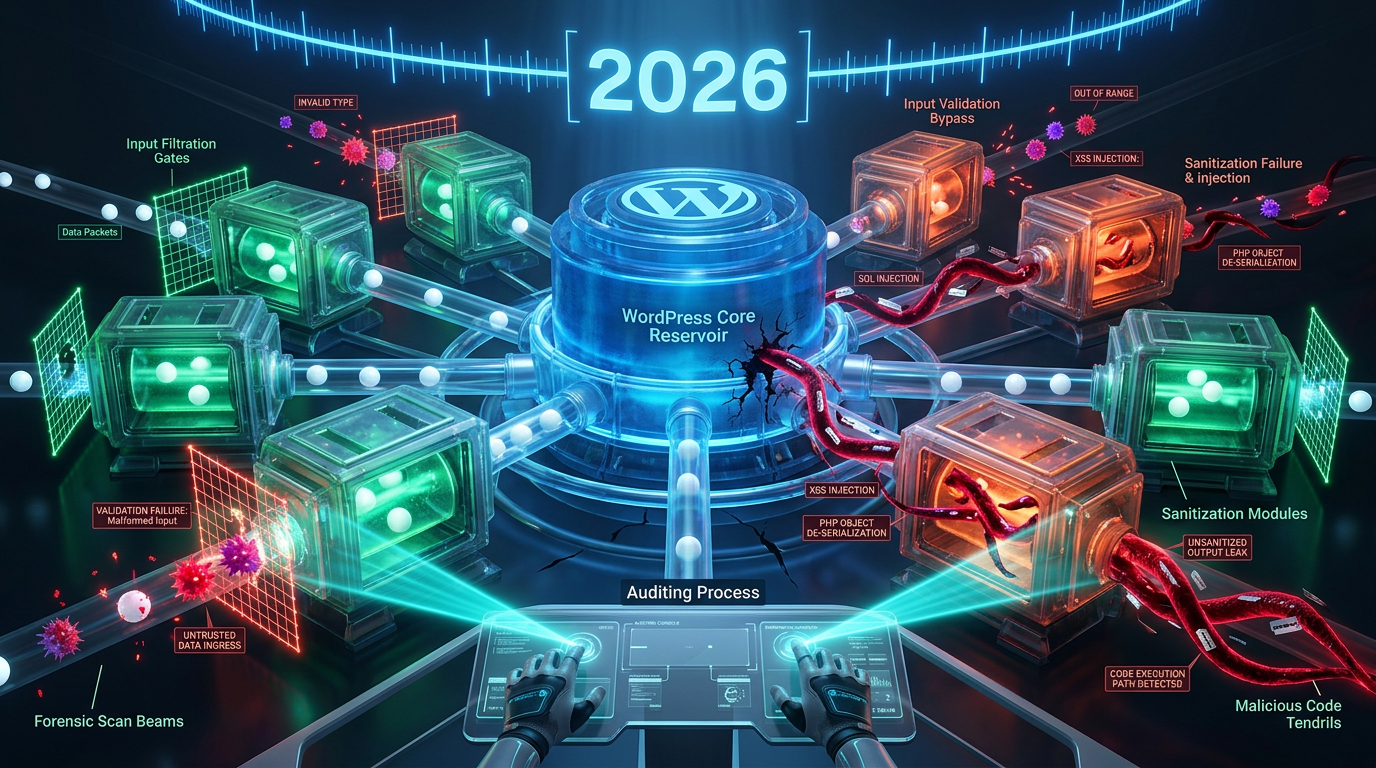
- Injection Attacks (SQL, XSS): Dynamic data processing can be a vector for various injection attacks if input sanitization and output escaping are not rigorously performed.
- Data Exposure: If pulling data from external sources, there's a risk of unintended data exposure if API keys or sensitive information are not handled securely.
Evaluating and Auditing Your Dynamic WordPress Plugins in 2026
Given the escalating sophistication of cyber threats, a proactive approach to plugin evaluation and auditing is no longer optional. It's a fundamental requirement for maintaining a secure WordPress site in 2026. For detailed strategies, refer to Future-Proofing Your WordPress: Essential Plugin Auditing Strategies for 2026.
Best Practices for Plugin Selection
- Source Credibility: Always download plugins from the official WordPress Plugin Directory or reputable developers.
- Active Development: Check the "Last Updated" date. Plugins actively maintained are more likely to be secure.
- Reviews and Ratings: Community feedback can highlight performance issues or security flags.
- Compatibility: Ensure the plugin is compatible with your current WordPress version and other essential plugins.
- Developer Reputation: Research the developer's track record and their commitment to security.
Ongoing Security Auditing for Dynamic Functionality
Once installed, dynamic WordPress plugins require continuous monitoring.
- Regular Updates: Apply all plugin and WordPress core updates promptly.
- Security Scans: Utilize security plugins like Sucuri, Wordfence, or iThemes Security to regularly scan for malware, vulnerabilities, and suspicious activity. A deep dive into WPScan vulnerabilities database can also provide valuable information on known threats.
- Permission Review: Periodically review the permissions granted to plugins. Revoke any unnecessary access.
- Code Audits (for critical plugins): If you are using highly customized dynamic plugins or develop your own, consider professional code audits.
- Traffic Monitoring: Keep an eye on website traffic patterns for anomalies that might indicate a breach.
Mitigating Risks: Best Practices for Securing Dynamic WordPress Plugins
Securing your WordPress site against vulnerabilities introduced by dynamic plugins requires a multi-layered approach. It's about prevention, detection, and rapid response.
Implementing a Hardened Security Environment
- Web Application Firewall (WAF): A WAF can provide a crucial layer of defense, filtering malicious traffic before it reaches your site. Many top-tier hosting providers offer this, or you can use cloud-based solutions. For an overview of WAF options, check out resources like Cloudflare's explanation of WAFs.
- Regular Backups: Implement a robust backup strategy. In the event of an exploit, you can restore your site to a clean state.
- Strong Passwords and User Management: Enforce strong, unique passwords for all users and use two-factor authentication (2FA). Limit administrator accounts.
- Principle of Least Privilege: Ensure that dynamic plugins, and users, only have the minimum necessary access to perform their functions.
- SSL/TLS Encryption: Always use HTTPS. This encrypts data transmitted between your server and users, preventing eavesdropping.
- Disable XML-RPC: If not explicitly needed, disabling XML-RPC can close a common attack vector.
Staying Ahead of Emerging Threats in 2026
The threat landscape is constantly evolving. Staying informed is a key defense mechanism.
- Security News & Alerts: Subscribe to security blogs and newsletters focusing on WordPress vulnerabilities, such as those from Patchstack.
- Penetration Testing: For high-value websites, consider engaging ethical hackers for penetration testing to uncover weaknesses before malicious actors do.
- Developer Communication: Report any perceived vulnerabilities directly to plugin developers and follow their security advisories.
By diligently applying these best practices, WordPress site owners can harness the incredible power of dynamic WordPress plugins while significantly reducing their exposure to security threats in 2026 and beyond.
Frequently Asked Questions

Written by Aras Akıncılar
Uzun yıllara dayanan WordPress deneyimine sahip bir siber güvenlik uzmanı olarak, eklenti ekosisteminin derinlemesine analizine odaklanıyorum. Güvenlik açıkları, performans düşüşleri ve uyumluluk sorunları üzerine hazırladığım makalelerle, WordPress kullanıcılarının sitelerini daha güvenli ve verimli hale getirmelerine yardımcı olmayı hedefliyorum.