The Art of Delegation: Outsourcing WordPress Plugin Development & Maintenance in 2026
In the dynamic landscape of web development, maintaining a competitive edge often requires strategic resource allocation. For WordPress projects, this frequently involves specialized expertise beyond in-house capabilities. This is where outsourcing WordPress plugin development becomes a powerful strategy. As we navigate 2026, the complexity of WordPress plugins, their critical role in site functionality, and the ever-present security threats necessitate a thoughtful approach to their creation and ongoing maintenance. Delegating this specialized work can free up your internal teams to focus on core business objectives while still ensuring high-quality, secure, and performant plugin solutions.
Why Consider Outsourcing WordPress Plugin Development in 2026?
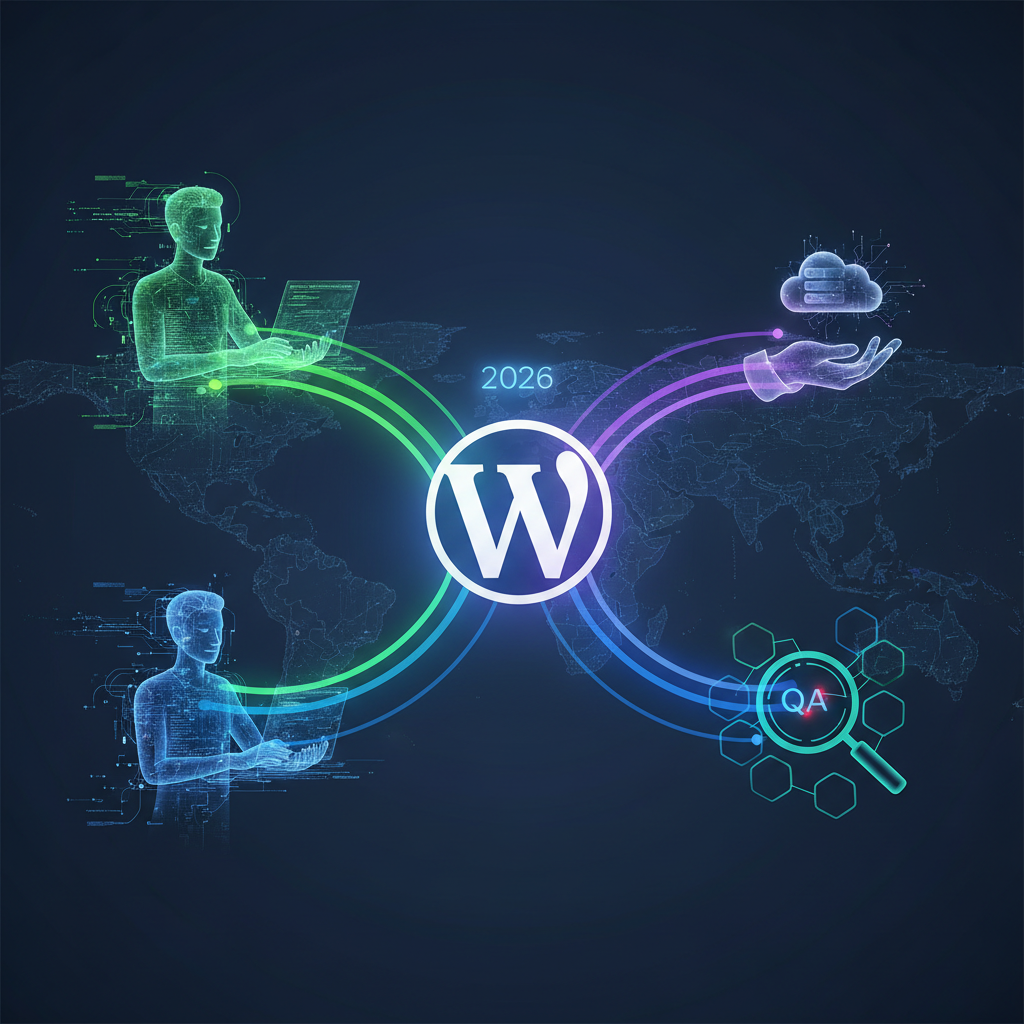
The WordPress ecosystem continues to evolve at a rapid pace. New core updates, changing security standards, and the constant demand for innovative features mean that staying ahead requires continuous effort. For many businesses, building and maintaining custom plugins in-house can be a significant drain on resources and expertise. By outsourcing, you tap into a global pool of specialized talent.
Access to Niche Expertise
Finding developers with specific WordPress plugin expertise, especially for complex integrations or unique functionalities, can be challenging and costly locally. Outsourcing allows you to access a broader market of professionals who specialize in various aspects of WordPress development.
- Specialized coding languages and frameworks
- Deep understanding of WordPress API and hooks
- Experience with specific third-party integrations
- Knowledge of current security best practices for WordPress
Cost-Effectiveness and Scalability
Outsourcing can often be more cost-effective than hiring full-time, in-house developers, particularly for project-based work or when expertise is only needed periodically. It also offers unparalleled scalability, allowing you to quickly ramp up or down resources based on project demands.
Project-based remuneration or hourly rates can be more predictable than salaries and benefits for permanent staff. Furthermore, scalability means you can easily adapt to fluctuating demands without the overhead of permanent staffing.
Focus on Core Business Activities
Delegating plugin development frees up your internal team to concentrate on what they do best – your core business operations. This strategic move can significantly boost productivity across your organization.
Evaluating WordPress Plugins: Mitigating Risks Before Development (and Outsourcing)
Before even considering outsourcing WordPress plugin development, it's crucial to understand the inherent risks associated with plugins themselves. A well-executed plugin should never introduce more problems than it solves.
Security Vulnerabilities from Plugins
Plugins are the most common entry point for security breaches on WordPress sites. Outdated code, insecure configurations, and backdoors are prevalent threats. A thorough evaluation process is paramount. To learn more, consider exploring WordPress Plugin Security: Fundamental Risks and Precautions.
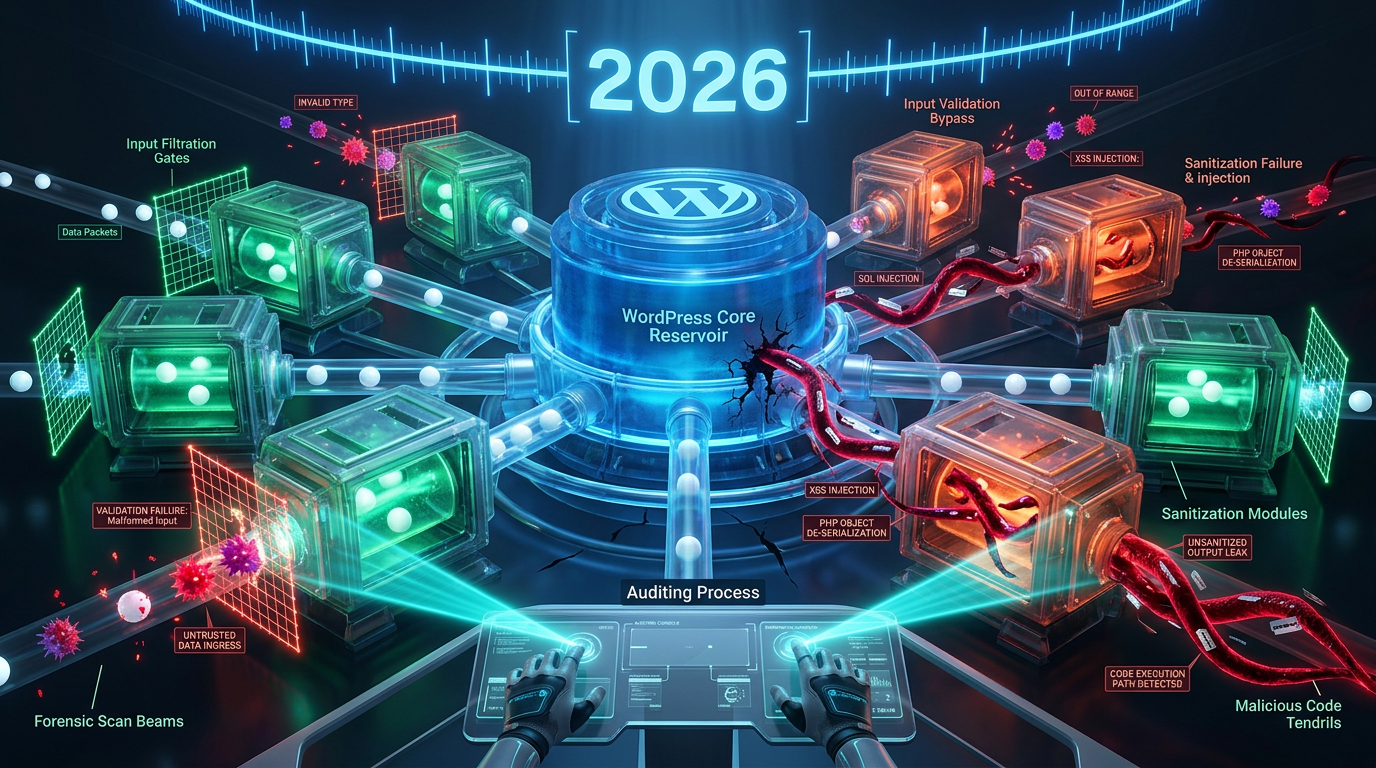
- Code Audit: Reviewing the plugin's source code for common vulnerabilities like SQL injection, XSS, and CSRF.
- Input Validation: Ensuring all user inputs are properly sanitized and validated to prevent malicious data injection.
- Authentication & Authorization: Verifying that sensitive actions require proper authentication and that users have the correct permissions.
Performance Degradation and Bloat
Poorly coded plugins can significantly slow down your WordPress site, leading to a diminished user experience and lower search engine rankings. Bloated plugins add unnecessary code and database queries. Addressing issues like CPU Hogs and Memory Leaks in WordPress Plugins is crucial.
When working with an outsourced team, ensure they prioritize efficient code and minimal resource utilization. Performance testing should be an integral part of the development process.
Compatibility Issues and Conflicts
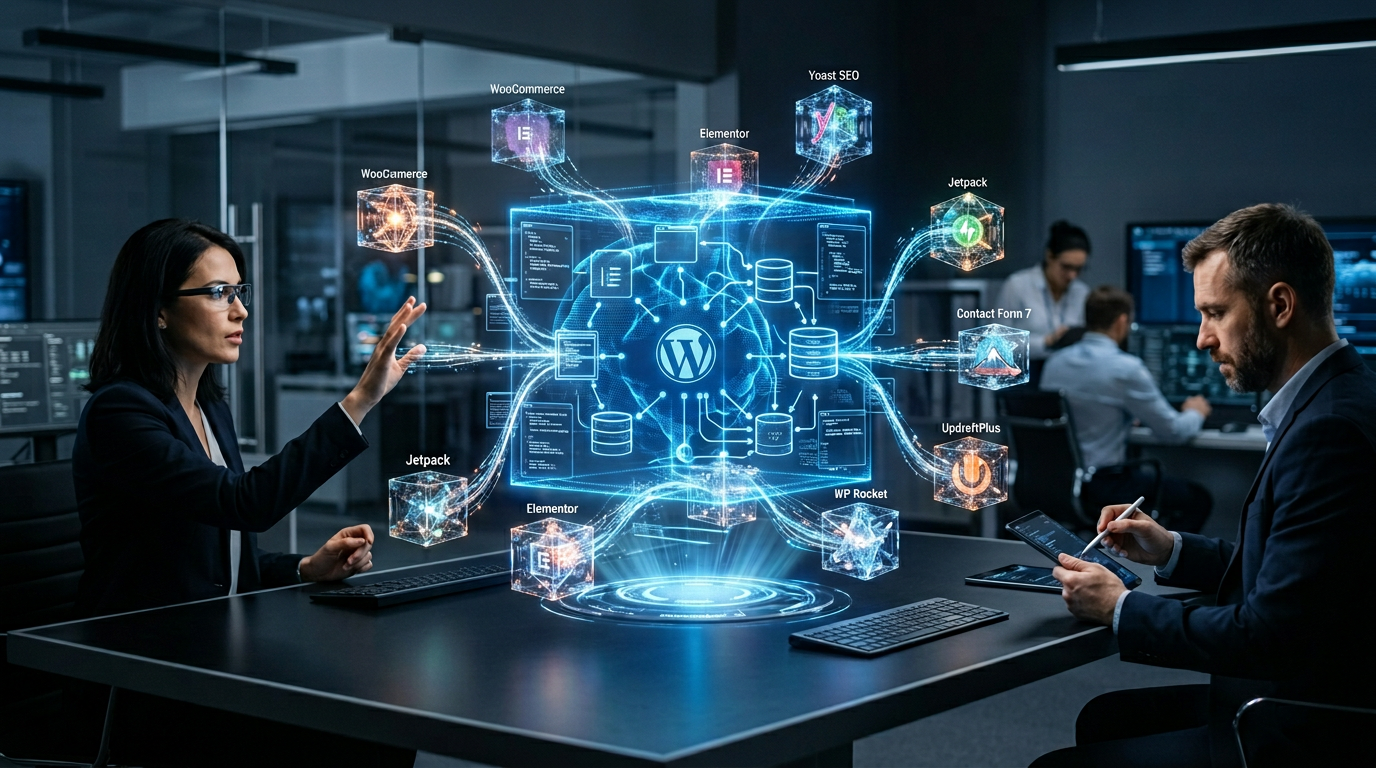
WordPress sites often run multiple plugins, themes, and various versions of PHP. Incompatible code can lead to white screens of death, broken functionalities, and errors. Your outsourced partner must be adept at preventing and resolving these conflicts.
Key Considerations When Choosing an Outsourcing Partner for WordPress Plugin Development
Selecting the right partner is critical to the success of your outsourced project. Careful vetting can prevent costly mistakes and ensure a high-quality outcome.
Portfolio and Experience
Look for a development team with a strong portfolio of successfully completed WordPress plugin projects. Their experience should align with the complexity and specific requirements of your plugin.
Specifically, inquire about:
- Examples of custom plugin development
- Case studies demonstrating problem-solving abilities
- Client testimonials and references
Communication and Project Management
Effective communication is the cornerstone of any successful outsourced relationship. Ensure your chosen partner has clear communication channels and robust project management methodologies in place.
Regular updates, transparent progress tracking, and proactive problem-solving are indicators of a reliable partner. Tools like Jira, Asana, and Trello are commonly used for this purpose.
Security Standards and Best Practices
Given the security implications of plugins, your outsourced developers must adhere to the highest security standards throughout the development lifecycle. This includes secure coding practices, regular security audits, and familiarity with WordPress security guidelines.
The Outsourcing Process for Custom WordPress Plugins
A structured approach to outsourcing WordPress plugin development ensures clarity, efficiency, and a successful end product. From initial concept to final deployment, each step is vital.
Defining Requirements and Scope
Before engaging any developer, clearly define your plugin's purpose, features, and desired functionalities. A detailed scope document will serve as the blueprint for development.
Consider:
- What specific problem does the plugin solve?
- What are the core features and desired integrations?
- Are there any design or UI/UX requirements?
- What is the budget and timeline for the project?
Developer Selection and Contracting
Once your requirements are clear, solicit proposals from potential outsourcing partners. Evaluate them based on their expertise, proposed methodology, estimated costs, and timelines. A comprehensive contract outlining deliverables, timelines, payment terms, intellectual property rights, and maintenance agreements is essential.
Development, Testing, and Deployment
During the development phase, maintain close communication with your outsourced team. Regular check-ins and progress reports are crucial. Comprehensive testing—including unit testing, integration testing, and user acceptance testing—is vital before deployment.
Post-deployment, ongoing monitoring and support are paramount to ensure the plugin operates flawlessly and remains secure.
Best Practices for Maintaining Secure & High-Performance WordPress Plugins in 2026
Developing a robust plugin is only half the battle; ongoing maintenance is equally important to ensure its security, stability, and performance in 2026 and beyond.
Regular Updates and Patching
WordPress, themes, and other plugins are constantly updated. Your custom plugin must be kept up-to-date to ensure compatibility and patch any newly discovered vulnerabilities. Your outsourced partner can provide this ongoing service as part of a retainer.
Ignoring updates is one of the quickest ways to introduce security risks and compatibility issues. An outsourced team can manage this proactively, alongside strategies for WordPress Plugin Versioning & Deprecation Strategies in 2026.
Proactive Security Monitoring and Audits
Even well-coded plugins can become vulnerable as new threats emerge. Regular security audits and proactive monitoring for suspicious activity are crucial. This includes regular vulnerability scanning and penetration testing. Understanding digital supply chain risks in WordPress plugins for 2026 is also increasingly important.
Many outsourced development firms offer ongoing security services, providing peace of mind and reducing your exposure to risks.
Performance Optimization
As your website grows and WordPress evolves, your custom plugin may require optimization to maintain peak performance. This could involve database query optimization, caching mechanisms, and code refactoring. An outsourced expert can identify and implement these improvements efficiently.
Ensuring your custom plugin remains lean and efficient contributes significantly to the overall speed and responsiveness of your WordPress site.
Documentation and Knowledge Transfer
Comprehensive documentation of your custom plugin is vital. This ensures that future developers, whether in-house or another outsourced team, can easily understand, maintain, and extend the plugin's functionality. Clear documentation is also essential for seamless knowledge transfer.
In conclusion, strategically embarking on outsourcing WordPress plugin development in 2026 offers significant advantages for businesses looking to enhance their web presence without overburdening internal resources. By carefully selecting a partner and adhering to best practices for development and maintenance, you can leverage specialized expertise to create secure, high-performing, and tailor-made WordPress solutions.
Frequently Asked Questions

Written by Aras Akıncılar
Uzun yıllara dayanan WordPress deneyimine sahip bir siber güvenlik uzmanı olarak, eklenti ekosisteminin derinlemesine analizine odaklanıyorum. Güvenlik açıkları, performans düşüşleri ve uyumluluk sorunları üzerine hazırladığım makalelerle, WordPress kullanıcılarının sitelerini daha güvenli ve verimli hale getirmelerine yardımcı olmayı hedefliyorum.