The Silent Scribes: How WordPress Plugins Dictate Your Site's Narrative Voice & WordPress Content Persona in 2026
In the dynamic digital landscape of 2026, understanding your WordPress content persona is more crucial than ever. This persona, representing your brand's unique voice and identity through its online content, is subtly yet significantly shaped by a powerful, often overlooked factor: your choice of WordPress plugins. These digital tools, from SEO helpers to design enhancers, aren't just functional — they are the silent scribes dictating how your site communicates with its audience, influencing everything from readability to engagement and ultimately, how your brand is perceived.
Defining Your WordPress Content Persona in the Modern Era
A well-defined WordPress content persona goes beyond mere tone; it encompasses the values, expertise, and approach your brand brings to its audience. It dictates the kind of language you use, the depth of your analysis, and even the visual presentation of your message. In 2026, where digital saturation is at an all-time high, a consistent and authentic persona is paramount for standing out.
What Constitutes a Strong Content Persona?
- Consistent Tone of Voice: Whether formal, casual, authoritative, or friendly, maintaining a consistent tone across all content builds trust and recognition.
- Target Audience Alignment: The persona must resonate deeply with your primary audience's needs, language, and preferences.
- Brand Values Reflection: Your content should implicitly and explicitly communicate your brand's core values and mission.
- Unique Differentiators: What makes your content, and therefore your brand, unique? This is a key element of a strong persona.
The Unseen Influence: How Plugins Shape Your Site’s Narrative
While often chosen for their direct functionality, WordPress plugins play a covert role in molding your site's narrative. Consider a plugin that enforces strict readability scores versus one that encourages longer, more academic prose. These choices directly impact the character of your content and, by extension, your WordPress content persona.
SEO Plugins and Content Authority
Plugins like Yoast SEO or Rank Math do more than just optimize for search engines. They guide your content creation, prompting you to include keywords, improve readability, and structure your articles. This guidance subtly pushes your content towards an authoritative, search-engine-friendly voice. For instance, suggestions to break up long sentences or use active voice contribute to a more direct and accessible persona. In 2026, with semantic search becoming increasingly sophisticated, these plugins refine your persona to speak directly to user intent.
Page Builders and Visual Storytelling
Visual presentation is an integral part of your WordPress content persona. Page builders like Elementor or Beaver Builder offer vast customization options that dictate layout, typography, and visual hierarchy. A site built with clean, minimalist layouts often projects a professional and sophisticated persona, while one sporting vibrant, dynamic designs might convey playfulness or innovation. The drag-and-drop interfaces encourage visual storytelling, making your content more engaging and defining how readers interact with your narrative.
Editorial Workflow and Content Quality
Plugins designed for editorial management, such as Editorial Calendar or PublishPress, streamline content creation and review processes. By ensuring content goes through systematic checks for style, grammar, and factual accuracy, these plugins indirectly uphold a high standard of quality. This commitment to excellence reinforces a meticulous and trustworthy WordPress content persona, assuring readers that your content is thoroughly vetted and reliable. In the current misinformation climate of 2026, this is more vital than ever.
Performance, Security, and Your WordPress Content Persona
Beyond direct content creation, plugin choices impact your site's overall health, which in turn influences your WordPress content persona. A slow, insecure, or constantly crashing website does immense damage to credibility, regardless of how well-written your content might be.
The Risk of Outdated Plugins and Security Vulnerabilities
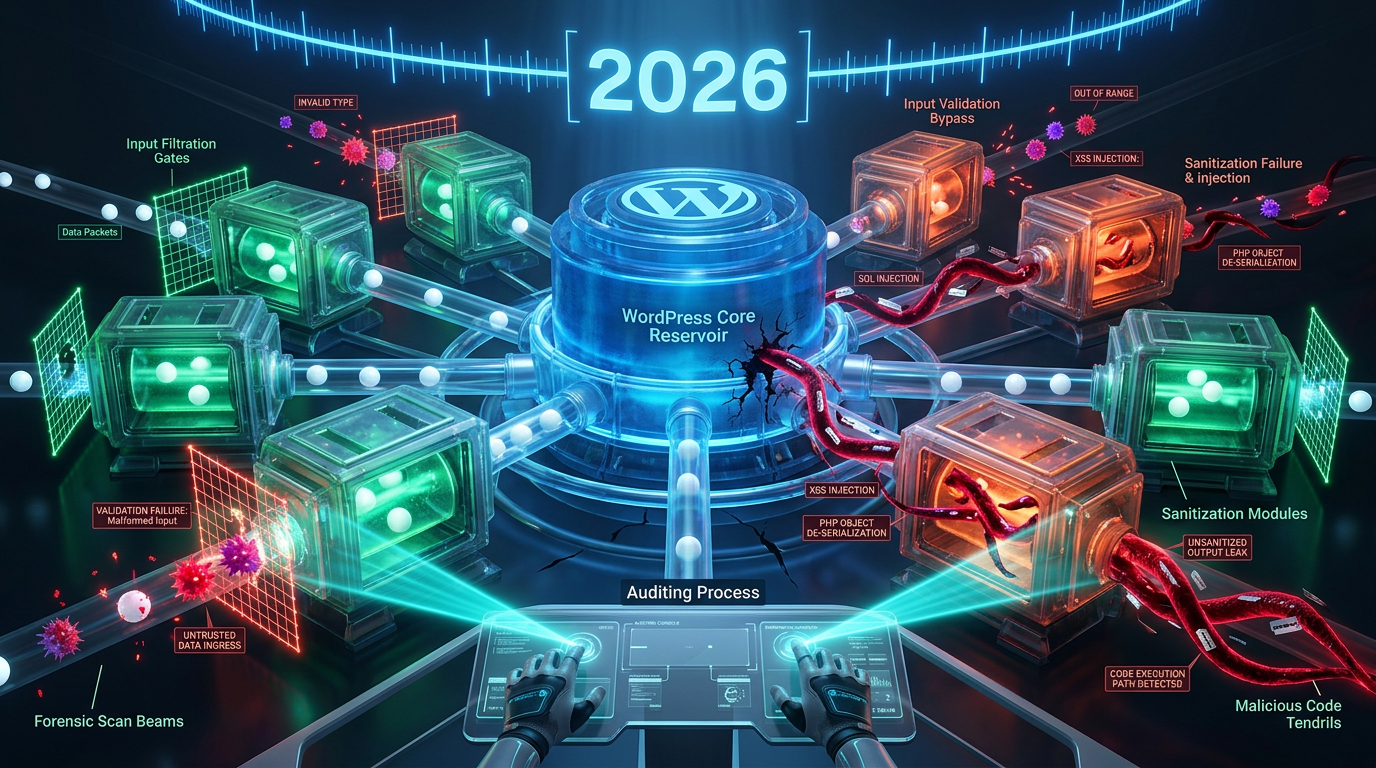
In 2026, an outdated plugin is a gaping security hole. Vulnerabilities can lead to data breaches, defaced content, or even complete site compromise. A brand that cannot protect its own digital space or its users' data will struggle to maintain an authoritative or trustworthy content persona. Regular plugin updates are not just about functionality; they're about safeguarding your brand's reputation and the integrity of your content. Understanding risks like cache poisoning and browser fingerprinting is critical for maintaining this trust.
Performance Issues and User Experience
Bloated or poorly coded plugins can severely drag down your site's speed. A slow loading website frustrates visitors, leading to high bounce rates and a perception of unprofessionalism. If your content delivery is hampered by performance issues, your content persona, no matter how carefully crafted, will be overshadowed by a negative user experience. Speed optimization plugins, if chosen wisely, can help maintain a smooth and efficient content journey, reflecting positively on your brand’s efficiency and user-centric approach.
Compatibility Problems and Inconsistent Design
Plugins don't always play well together. Compatibility issues can manifest as broken layouts, missing functionalities, or critical errors. Such inconsistencies create a disjointed and unreliable content experience, undermining the cohesive WordPress content persona you're trying to build. Thorough testing of plugin combinations is essential to ensure a seamless and professional presentation of your content.
Best Practices for Plugin Selection and Maintaining Your WordPress Content Persona
Choosing the right plugins is symbiotic with crafting and maintaining a robust WordPress content persona. It requires a strategic approach, considering not just immediate features but also long-term implications for your brand's voice and digital health.
Strategic Plugin Audits and Reviews
- Regular Reviews: Conduct quarterly audits of all installed plugins. Ask: Is this plugin still essential? Is it updated regularly? Does it align with our current site goals and content strategy?
- Functionality vs. Redundancy: Avoid installing multiple plugins that perform similar functions. This reduces bloat and potential conflicts.
- Look for Reputable Developers: Prioritize plugins from established developers with a history of regular updates, good support, and positive reviews. Check their last update date meticulously; anything older than 6-12 months in 2026 is a red flag.
Prioritizing Security and Performance
Always consider the security implications and performance impact of any new plugin. Before installing, research potential vulnerabilities, read recent reviews, and test on a staging site. A lightweight, well-coded plugin contributes to a fast and secure site, directly supporting a credible and professional WordPress content persona. Performance optimization plugins, when used correctly, can enhance this further. For more on this, consider resources on digital resilience and disaster recovery.
Fostering a Cohesive Content Ecosystem
Think of your plugins as contributing members to your content ecosystem. Each should ideally enhance or support your WordPress content persona. A plugin that helps with multilingual content, for example, signals an inclusive and global persona, while one that integrates social sharing tools emphasizes community engagement. Ensure all chosen tools work in harmony to elevate your overall content strategy and brand narrative.
The Evolving Role of AI-Powered Plugins in Shaping Your WordPress Content Persona by 2026
The rise of AI-powered writing and optimization tools has added another layer to how plugins influence your WordPress content persona. In 2026, AI content generators and SEO assistants are becoming integral, offering both opportunities and challenges.
AI for Content Generation & Refinement
Plugins leveraging AI can assist in generating content outlines, drafting initial paragraphs, or even refining existing text for clarity, tone, and SEO. While this can significantly boost content velocity, it also raises questions about maintaining a unique voice. Over-reliance on generic AI outputs can dilute your specific WordPress content persona, making your content indistinguishable from others. The key is to use AI as an assistant, not a replacement for human creativity and brand expression. For example, explore the use of in-browser AI for content augmentation.
AI for Personalization and Engagement
Other AI plugins are focusing on content personalization, dynamically adapting presented content based on user behavior. This advanced capability allows for a highly tailored content experience, enhancing user engagement and reinforcing a responsive, user-centric WordPress content persona. By delivering the right message to the right audience at the right time, these plugins ensure your brand resonates more deeply, solidifying its identity and impact.
Conclusion
Your WordPress content persona is the heartbeat of your digital presence in 2026, and its rhythm is intricately tied to the plugins you choose to empower your website. These silent scribes wield immense power, shaping not just the functionality of your site, but the very essence of your brand's narrative. From SEO tools that refine your authoritative voice to page builders that define your visual story, every plugin plays a part. By making informed, strategic choices about your plugin ecosystem, prioritizing security, performance, and compatibility, you can ensure that your website's tools are actively enhancing, rather than undermining, the authentic and compelling WordPress content persona you strive to project.
Frequently Asked Questions

Written by Aras Akıncılar
Uzun yıllara dayanan WordPress deneyimine sahip bir siber güvenlik uzmanı olarak, eklenti ekosisteminin derinlemesine analizine odaklanıyorum. Güvenlik açıkları, performans düşüşleri ve uyumluluk sorunları üzerine hazırladığım makalelerle, WordPress kullanıcılarının sitelerini daha güvenli ve verimli hale getirmelerine yardımcı olmayı hedefliyorum.