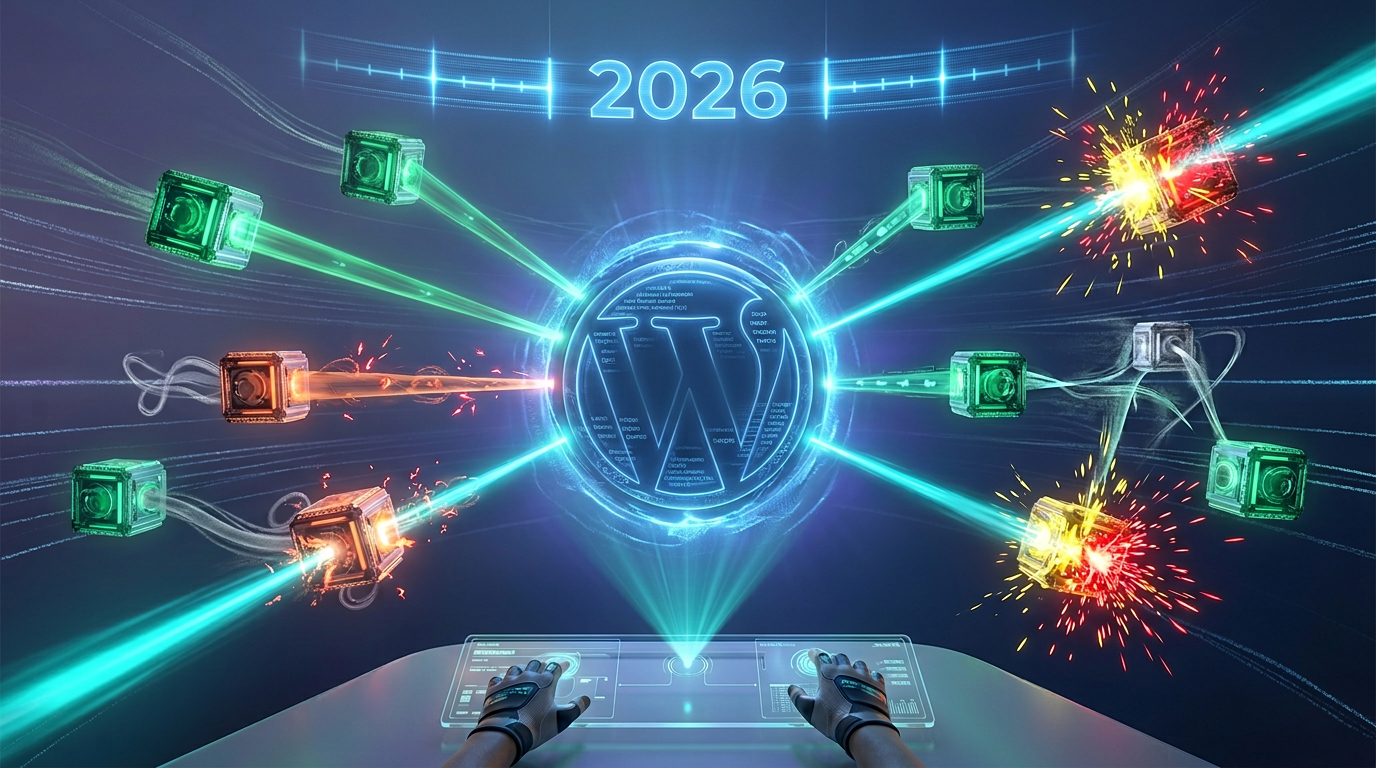
Mastering WordPress Image Optimization: A Deep Dive into Plugin Micro-Augmentations
In the fast-evolving digital landscape, where website performance directly correlates with user experience and search engine rankings, WordPress image optimization has become more critical than ever. Gone are the days of simply uploading large images and calling it a day. Today's users expect lightning-fast load times, and search engines like Google heavily penalize slow sites. This comprehensive guide will delve into how sophisticated WordPress plugins are leveraging "micro-augmentations" for adaptive and intelligent image and media optimization, ensuring your WordPress site remains competitive and performs at its peak.
The Evolving Landscape of WordPress Image Optimization
The core challenge with images on any website, particularly those built on WordPress, is their file size versus quality. High-quality images look great but can significantly slow down page load times. Conversely, overly compressed images might load quickly but appear pixelated or blurry, detracting from the user experience. Striking this balance is paramount, and the tools available for WordPress image optimization have grown incredibly advanced in recent years.
The average webpage size continues to climb in 2026, with images often constituting the largest portion of that data. Optimizing these assets isn't just about reducing file size; it's about delivering them efficiently. This includes considerations for different screen sizes, network conditions, and browser capabilities. The "micro-augmentation" approach taken by leading plugins involves breaking down optimization into smaller, smarter, and more adaptive processes rather than a one-size-fits-all solution. For further insights into how plugins are enhancing other core functionalities, explore our article on multi-layered security sandboxing with WordPress plugins in 2026.
Understanding Image Optimization Techniques
- Lossless vs. Lossy Compression: Lossless compression reduces file size without discarding any data, maintaining perfect quality. Lossy compression, on the other hand, removes some image data to achieve much smaller file sizes, but with a potential (often imperceptible) quality reduction.
- Next-Gen Formats: Formats like WebP and AVIF offer superior compression and quality characteristics compared to older formats like JPEG and PNG. Converting images to these formats is a crucial step in modern WordPress image optimization.
- Lazy Loading: This technique defers the loading of images that are not currently in the viewport until the user scrolls near them, dramatically improving initial page load times.
- Responsive Images: Serving different image sizes and resolutions based on the user's device (e.g., mobile, tablet, desktop) ensures optimal delivery without wasting bandwidth.
How Plugins Are Enhancing WordPress Image Optimization with Micro-Augmentations
Modern WordPress image optimization plugins are no longer simple compression tools. They integrate a suite of sophisticated features, often operating seamlessly in the background, to deliver dynamic and intelligent optimization. These "micro-augmentations" represent individual, often AI-driven, processes that work in concert to achieve optimal image delivery.
For example, a plugin might analyze an image's content to determine the best compression algorithm, use machine learning to predict optimal quality settings, or dynamically convert images to WebP or AVIF based on browser support. These finer-grained optimizations provide a level of performance that manual optimization simply cannot match. This mirrors the intelligent approaches plugins are taking for digital asset management and media provenance in 2026, ensuring comprehensive media handling.
Key Micro-Augmentation Strategies:
- AI-Powered Compression: Algorithms analyze image content (e.g., photos vs. graphics) to apply optimal lossy compression settings, balancing quality and file size without manual intervention.
- Adaptive Image Delivery: Plugins dynamically generate and serve different image sizes, resolutions, and formats (JPG, PNG, WebP, AVIF) based on the user's device, screen size, and browser capabilities in real-time.
- Smart Cropping and Resizing: Beyond basic resizing, some tools use AI to intelligently crop images or identify focal points, preserving important details when adapting images for different layouts.
- CDN Integration for Global Delivery: Seamless integration with Content Delivery Networks ensures images are served from servers geographically closest to the user, further reducing latency.
Potential Risks and Best Practices in WordPress Image Optimization Plugins
While the benefits of advanced WordPress image optimization plugins are undeniable, it's crucial to acknowledge the potential risks associated with integrating any third-party code into your site. The project context specifically highlights concerns like security vulnerabilities, performance issues, and compatibility problems. In 2026, with the increasing complexity of plugins, these risks are more prevalent than ever.
Security Vulnerabilities: An outdated or poorly coded plugin can open backdoors for attackers. Excessive permissions requested by a plugin can also expose sensitive data. Always choose plugins from reputable developers with a strong track record of security updates. For a broader understanding of plugin-related security, consider reading about digital identity and authentication risks in WordPress plugins (2026).
Performance Issues: Paradoxically, some poorly optimized optimization plugins can themselves be resource-intensive, slowing down your backend or even frontend. Look for lightweight plugins with efficient coding practices.
Compatibility Problems: Conflicts with themes, other plugins, or core WordPress updates are common. Always test new plugins on a staging environment before deploying to a live site.
Mitigating Plugin-Related Risks:
- Thorough Research: Before installing, check plugin reviews, last update date, active installations, and support forum activity. A plugin that hasn’t been updated in over a year is a red flag in 2026.
- Reputable Developers: Stick to plugins developed by well-known teams or individuals with a history of maintaining secure and performant code.
- Security Audits: If possible, review plugin code or check if it has undergone third-party security audits. Tools like Sucuri SiteCheck or Wordfence sometimes identify vulnerabilities. Learn more about general best practices for regulatory compliance and digital zoning in WordPress plugins.
Effective WordPress image optimization is crucial for site speed and SEO. By implementing best practices and using reliable plugins, you can significantly improve your website's performance and user experience.
- Staging Environments: Always test new plugins or major updates on a staging site to catch compatibility issues or performance regressions before they affect your live audience.
- Regular Updates: Keep all plugins, themes, and WordPress core up-to-date. Developers often release patches for newly discovered vulnerabilities.
- Backup Regularly: Maintain regular backups of your entire WordPress site. This is your ultimate safety net in case a plugin causes irreversible issues.
Measuring the Impact of Optimized Images
Implementing a robust WordPress image optimization strategy is only half the battle; the other half is measuring its impact. In 2026, sophisticated analytics and performance monitoring tools provide granular data that can help you understand the real-world benefits of your optimization efforts.
Tools like Google PageSpeed Insights, GTmetrix, and WebPageTest offer invaluable metrics such as Largest Contentful Paint (LCP), First Contentful Paint (FCP), and Cumulative Layout Shift (CLS – though less directly related to images, it can be impacted by image loading). Improved scores in these areas directly translate to better user experience and higher search rankings.
Key Performance Indicators (KPIs) to Monitor:
- Page Load Time: The most obvious metric. A significant reduction is a clear win.
- Core Web Vitals: Focus on LCP (Largest Contentful Paint), which is heavily influenced by image loading. Improved LCP indicates faster perceived loading of the main content.
- Bounce Rate: Faster loading sites often lead to lower bounce rates, as users don't abandon pages due to sluggish performance.
- Conversion Rates: For e-commerce or lead generation sites, improved performance can positively impact conversion rates.
- SEO Rankings: Search engines reward faster sites, so monitor keyword rankings for improvements.
The Future of WordPress Image Optimization
As we look to the rest of 2026 and beyond, the trend in WordPress image optimization will continue towards increased automation, artificial intelligence, and proactive rather than reactive solutions. Expect plugins to become even more intelligent, anticipating user needs and network conditions to deliver the perfect image every time, without requiring extensive manual configuration. External trends, such as the increasing importance of image accessibility standards by organizations like the W3C Web Accessibility Initiative (WAI), will also drive plugin development towards more inclusive optimization strategies.
Further advancements in image formats, such as new iterations of AVIF or entirely new proprietary formats, combined with deeper browser and server-side integration, will push optimization boundaries. The goal remains the same: visually stunning content delivered at warp speed, ensuring an unparalleled user experience on every WordPress website. For additional insights into future web technologies, consider exploring the latest developments in QUIC and HTTP/3 adoption, which are fundamentally reshaping how data, including images, is delivered across the web. You might also want to look at how leading image optimization tools, such as Imagify, are integrating AI to deliver cutting-edge solutions for WordPress users.
Frequently Asked Questions

Written by Aras Akıncılar
Uzun yıllara dayanan WordPress deneyimine sahip bir siber güvenlik uzmanı olarak, eklenti ekosisteminin derinlemesine analizine odaklanıyorum. Güvenlik açıkları, performans düşüşleri ve uyumluluk sorunları üzerine hazırladığım makalelerle, WordPress kullanıcılarının sitelerini daha güvenli ve verimli hale getirmelerine yardımcı olmayı hedefliyorum.