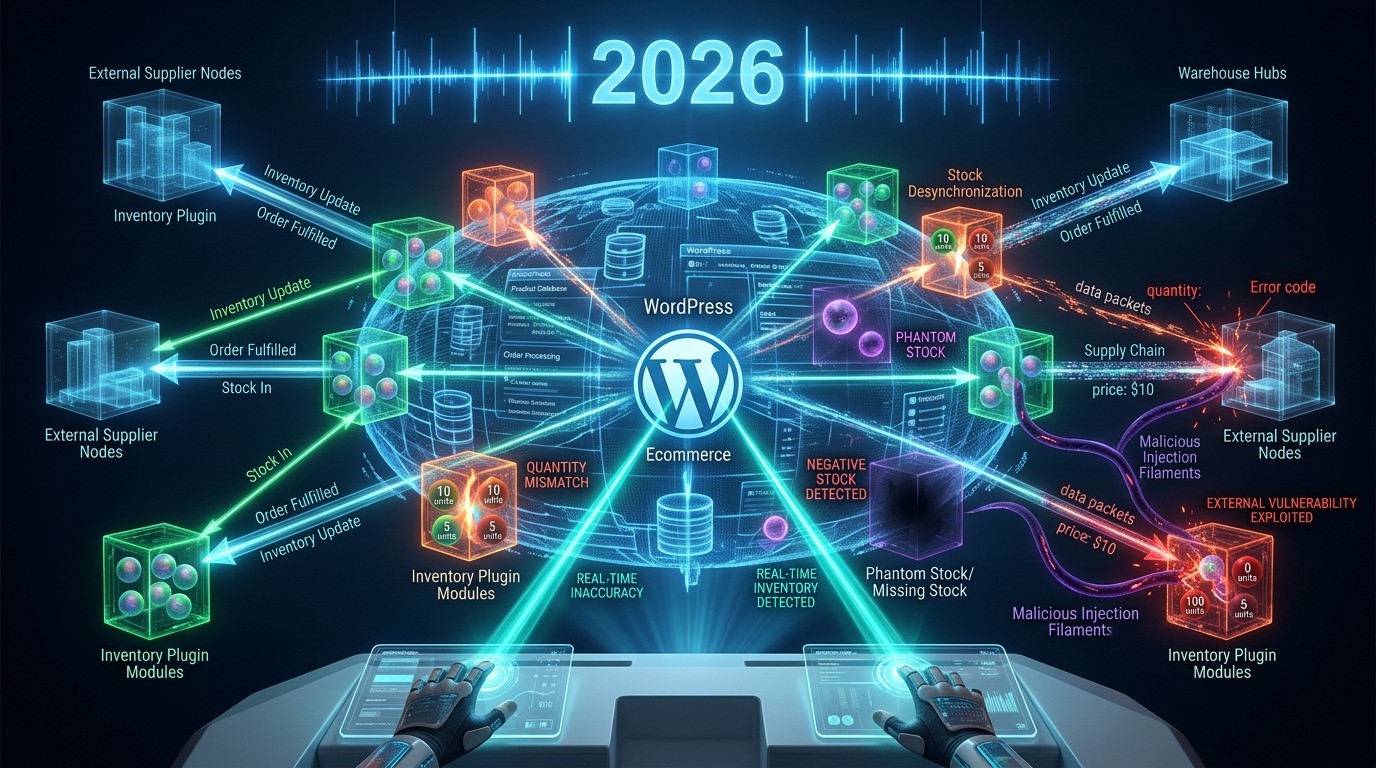
The Quantum of Trust: Auditing Cryptographic Security in WordPress Plugins for 2026
In the realm of web development, especially within the vast WordPress ecosystem, ensuring robust security is paramount. A critical component of this security architecture is robust WordPress plugin cryptographic security. As we navigate 2026, the threats facing websites are more sophisticated than ever, making the proper implementation and auditing of cryptographic measures within plugins non-negotiable for maintaining user trust and data integrity. For a broader understanding of plugin security, consider our guide on WordPress Plugin Vulnerabilities and Protection.
The Evolving Landscape of WordPress Plugin Cryptographic Security
The digital threat landscape is in a constant state of flux. What was considered secure a few years ago might now be vulnerable to new attack vectors. This rapid evolution necessitates continuous vigilance, particularly when it comes to the WordPress plugin cryptographic security implemented in extensions that power millions of websites.
In 2026, we are seeing an increased focus on quantum-resistant algorithms and more stringent compliance standards, which directly impact how plugins should handle sensitive data. Developers must stay ahead of these trends to prevent their plugins from becoming a weak link in a website's defense. This builds upon foundational knowledge discussed in WordPress Plugin Security: Fundamental Risks and Precautions.
Key Cryptographic Challenges in 2026
- Post-Quantum Cryptography (PQC) Readiness: While fully quantum-resistant systems are still emerging, awareness and foundational work are crucial.
- Supply Chain Attacks: Compromised dependencies within plugins can introduce cryptographic backdoors. Learn more about this by reading The Silent Upgrade: Uncovering Hidden Dependencies and Their Impact on WordPress in 2026 and The Invisible Threats: Unmasking WordPress Plugin Supply Chain Risks in 2026.
- API Key Management: Insecure storage or transmission of API keys remains a common vulnerability.
- Data-in-Transit Encryption: Ensuring all data exchanged through plugins uses contemporary TLS/SSL protocols.
Common Cryptographic Vulnerabilities in WordPress Plugins
Despite increased awareness, many WordPress plugins still exhibit common cryptographic weaknesses. These vulnerabilities can lead to data breaches, unauthorized access, and a significant loss of user trust. Understanding these pitfalls is the first step toward building and auditing secure plugins.
One prevalent issue is the misuse of cryptographic primitives. A developer might choose an outdated hash function or implement encryption incorrectly, rendering the entire security measure ineffective. Additionally, improper key management is a frequent culprit, where encryption keys are hardcoded, easily discoverable, or not rotated regularly.
Examples of Poor Cryptographic Practices
- Weak Hashing Algorithms: Using MD5 or SHA1 for password storage, which are easily reversible.
- Hardcoded Encryption Keys: Embedding keys directly into the plugin code, making them accessible to attackers.
- Improper Salt Usage: Failing to use unique salts or using weak salts when hashing passwords.
- Insecure Random Number Generation: Using predictable or non-cryptographically secure random number generators for keys or tokens.
- Lack of Input Validation: Input data that is later used in cryptographic functions without validation can lead to injection attacks.
Auditing for Robust WordPress Plugin Cryptographic Security
A proactive approach to security involves thorough and regular auditing of WordPress plugins, particularly concerning their cryptographic implementations. This isn't a one-time task but an ongoing process that should be integrated into the plugin development lifecycle and external security assessments. To learn more about comprehensive strategies, refer to Future-Proofing Your WordPress: Essential Plugin Auditing Strategies for 2026.
Auditing for WordPress plugin cryptographic security requires a deep understanding of cryptographic principles and common attack vectors. It involves both automated scanning tools and manual code review to identify subtle flaws that automated systems might miss.
Steps for an Effective Cryptographic Security Audit
- Code Review for Cryptographic Primitives: Examine all instances where encryption, hashing, or secure random number generation is used. Verify that recommended, up-to-date algorithms (e.g., Argon2, bcrypt for passwords; AES-256 for symmetric encryption) are employed correctly.
- Key Management Assessment: Investigate how encryption keys are generated, stored, accessed, and rotated. Ensure keys are never hardcoded and are protected with appropriate access controls.
- Protocol Analysis: Verify that all communication involving sensitive data uses secure protocols like HTTPS with strong cipher suites. Look for any instances of unencrypted data transmission.
- Dependency Scrutiny: Analyze all third-party libraries and dependencies used by the plugin for known cryptographic vulnerabilities or outdated versions that might contain such issues. This is crucial for avoiding components with known vulnerabilities.
- Error Handling and Information Disclosure: Ensure that cryptographic errors do not reveal sensitive information that could aid an attacker.
Best Practices for Implementing & Maintaining WordPress Plugin Cryptographic Security
Achieving and maintaining high levels of WordPress plugin cryptographic security requires adherence to industry best practices. Developers and website administrators alike share the responsibility in this endeavor. For developers, this means writing secure code from the outset. For administrators, it means choosing reputable plugins and keeping them updated.
In 2026, the focus has shifted towards "security by design," where cryptographic considerations are integrated into every stage of the plugin development process, rather than being an afterthought. This holistic approach significantly reduces the likelihood of introducing vulnerabilities. For a deeper dive into overall secure development, consult resources like the PortSwigger Web Security Best Practices guide.
Essential Best Practices
- Use Established Cryptographic Libraries: Never attempt to implement cryptographic algorithms from scratch. Rely on well-vetted, peer-reviewed libraries (e.g., PHP's OpenSSL functions, not custom implementations).
- Secure Key Storage: Store encryption keys in secure environments, separate from the application code, such as environment variables, dedicated key management services, or encrypted configuration files with restricted access.
- Employ Strong Hashing for Passwords: Always use strong, adaptive hashing functions like Argon2 or bcrypt for storing passwords, with appropriate work factors.
- Implement Proper Randomness: Use cryptographically secure pseudorandom number generators (CSPRNGs) for all security-sensitive operations (e.g., nonce generation, key generation).
- Regular Updates and Patching: Keep the plugin, WordPress core, and all dependencies updated to leverage the latest security patches and cryptographic improvements.
- Educate Developers: Foster a culture of security awareness among developers, including training on common cryptographic pitfalls and best practices.
The Future of Cryptographic Security in the WordPress Ecosystem (2026 and Beyond)
Looking ahead from 2026, the trajectory for WordPress plugin cryptographic security is clear: continuous adaptation and enhancement. The ongoing research into quantum computing and its potential impact on current cryptographic standards means that plugin developers will need to monitor developments in post-quantum cryptography closely.
Furthermore, automation in security auditing will play an even larger role, with AI-powered tools assisting in identifying subtle cryptographic flaws. Regulatory compliance, such as GDPR and CCPA, will continue to drive stricter requirements for data protection, placing higher demands on plugin security.
The collective effort of the WordPress community—developers, security researchers, and users—will be essential in creating a more resilient and trustworthy web environment. Prioritizing robust cryptographic security within every plugin is not just good practice; it's a fundamental requirement for the digital landscape of tomorrow.
Frequently Asked Questions

Written by Aras Akıncılar
Uzun yıllara dayanan WordPress deneyimine sahip bir siber güvenlik uzmanı olarak, eklenti ekosisteminin derinlemesine analizine odaklanıyorum. Güvenlik açıkları, performans düşüşleri ve uyumluluk sorunları üzerine hazırladığım makalelerle, WordPress kullanıcılarının sitelerini daha güvenli ve verimli hale getirmelerine yardımcı olmayı hedefliyorum.