The Silent Storytellers: Deconstructing WordPress Plugins as Digital Asset Management Systems in 2026
In the vibrant digital landscape of 2026, where content reigns supreme and visual elements are critical for engaging audiences, effective asset organization has become non-negotiable. This is precisely where a dedicated WordPress plugin digital asset management system proves invaluable. As WordPress continues to power over 43% of all websites globally, the demand for robust solutions to manage an ever-growing library of images, videos, documents, and audio files is at an all-time high. A well-chosen plugin can transform a chaotic media library into a streamlined, searchable, and secure repository.
Understanding the Core of a WordPress Plugin Digital Asset Management System
A WordPress plugin digital asset management system isn't just about storing files; it's about providing a centralized hub for creation, organization, retrieval, and distribution of all digital assets. For WordPress users, this integration directly within their familiar dashboard offers unparalleled convenience. Instead of juggling separate platforms, content creators and administrators can manage their digital wealth without ever leaving their WordPress environment.
In 2026, the expectations for these plugins have evolved significantly. Users now demand advanced features that go beyond basic file uploads, seeking intelligent categorization, robust search capabilities, and seamless integration with other WordPress functionalities. The goal is to enhance productivity and maintain brand consistency across all digital touchpoints.
Key Features to Look for in 2026
- Advanced Media Library Organization: The ability to create folders, subfolders, and employ custom taxonomies for sophisticated categorization.
- Metadata Management: Support for extensive metadata, including EXIF data, custom fields, and IPTC information, making assets highly searchable.
- Version Control: Crucial for teams, allowing tracking of changes, reverting to previous versions, and ensuring the correct asset is always used.
- Access Control & Permissions: Granular control over who can view, edit, download, or delete specific assets or categories of assets. For more on this, consider "The Quantum of Control: Mitigating Over-Privileged & Insecure Plugin Roles in WordPress 2026".
- Seamless Integrations: Compatibility with popular page builders, e-commerce plugins, and third-party tools for a cohesive workflow.
- Performance Optimization: Features like image compression, lazy loading integration, and CDN support to ensure assets don't impact site speed.
Navigating the Potential Risks: Security, Performance, and Compatibility
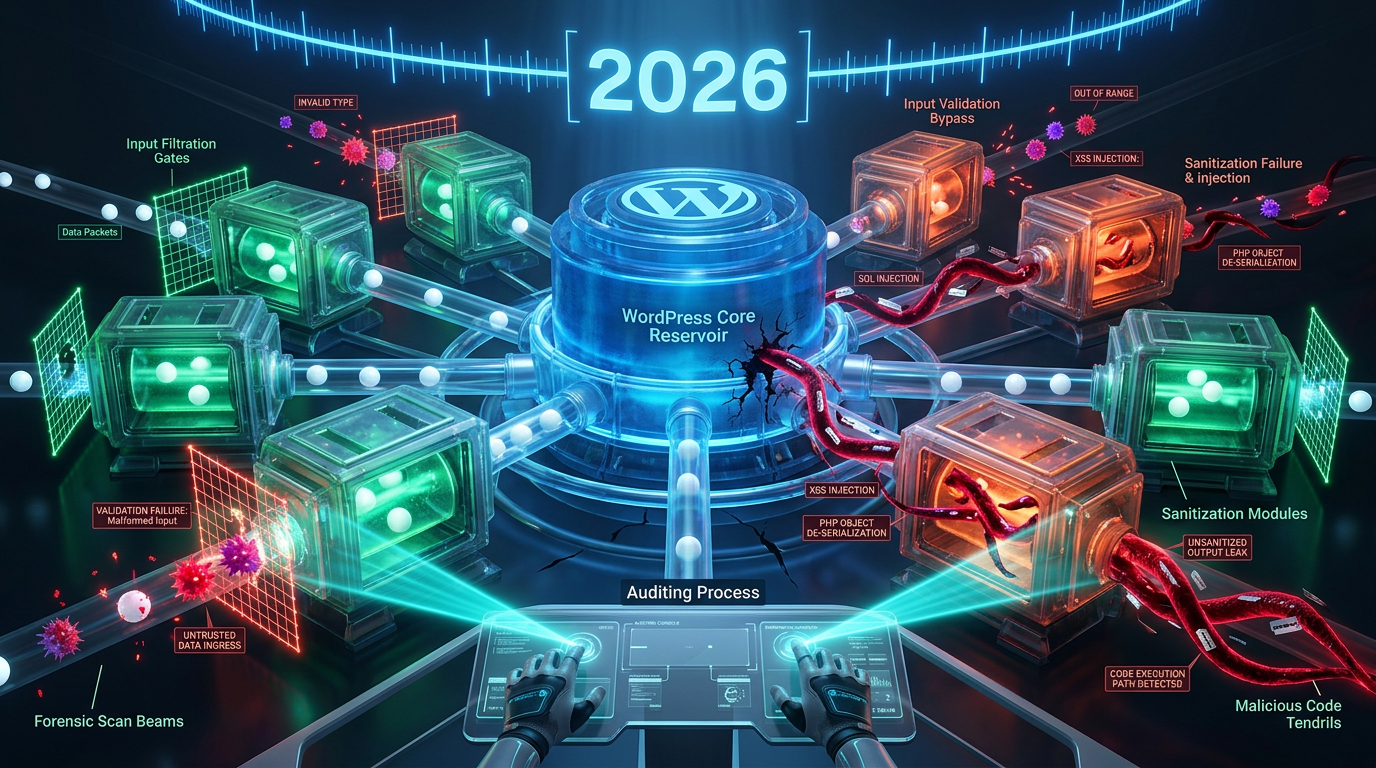
While the benefits of a powerful WordPress plugin digital asset management are undeniable, it's crucial to acknowledge the potential risks they can introduce. As with any WordPress plugin, these solutions interact deeply with your site's core, database, and other plugins. Therefore, a careful evaluation of their security, performance, and compatibility aspects is paramount in 2026.
Security vulnerabilities are a constant threat. An inadequately coded or maintained plugin can open backdoors for attackers, leading to data breaches, website defacement, or even complete loss of control. For deeper insights into plugin security, review "The Silent Gatekeepers: Unmasking Hidden Authentication Bypasses in WordPress Plugins (2026)". Similarly, performance degradation is a common issue; a bloated or inefficient DAM plugin can significantly slow down your WordPress site, negatively impacting user experience and SEO.
Common Plugin-Related Threats
Understanding these threats is the first step towards mitigation:
- Outdated Code: Plugins that aren't regularly updated by their developers can become susceptible to newly discovered vulnerabilities. Always check the plugin's last update date and its compatibility with the latest WordPress version. This is closely related to "The Silent Lifecycles: Deconstructing WordPress Plugin Maintenance & Obsolescence in 2026".
- Insecure Configurations: Default settings can sometimes be insecure. Users must be diligent in configuring permissions, API keys, and other critical settings according to best practices.
- Excessive Permissions: Some plugins request more permissions than necessary. Granting a plugin full access to your server when it only needs to manage media files is a red flag.
- Third-Party Dependencies: Plugins often rely on external libraries or services. If these dependencies are compromised or become outdated, they can introduce their own set of vulnerabilities.
Evaluating Functionalities and Benchmarking Performance for Your DAM Plugin
Choosing the right WordPress plugin digital asset management requires more than just a feature checklist. It demands a thorough evaluation of its core functionalities and a rigorous benchmarking of its performance on your specific hosting environment. A plugin that works flawlessly on a demo site might struggle under the heavy load of a large media library on your server.
Functionality goes beyond mere presence; it's about usability and efficiency. Is the interface intuitive? Can your team easily adopt it? Does it genuinely save time and improve workflow? These are critical questions to answer. In 2026, users expect seamless experiences, and clunky interfaces can quickly negate any organizational benefits.
Benchmarking Considerations
- Media Upload Speed: Test how quickly various file types (images, videos, PDFs) are uploaded and processed.
- Search and Filter Efficiency: With a substantial number of assets, how fast does the search function return relevant results?
- Dashboard Load Times: Does activating and using the plugin significantly increase the load time of your WordPress admin dashboard?
- Front-end Impact: Assess if the plugin negatively affects page load speeds for your site visitors, especially on pages displaying numerous assets. Addressing this concern is vital for overall website performance, as detailed in "The Silent Conductors: Unraveling How WordPress Plugins Shape Server-Side Caching in 2026".
Best Practices for a Secure and High-Performing WordPress Plugin Digital Asset Management
Implementing a WordPress plugin digital asset management system effectively involves adherence to best practices that safeguard your website and ensure optimal performance. This proactive approach minimizes risks and maximizes the return on your investment in a DAM solution. In the dynamic threat landscape of 2026, continuous vigilance is key.
Regular maintenance, judicious selection, and a commitment to security audits are foundational elements. Treat your DAM plugin as a critical component of your digital infrastructure, not just another add-on. This mindset will guide better decision-making and lead to a more resilient and efficient WordPress site.
Maintaining Security and Stability
- Choose Reputable Developers: Opt for plugins from developers with a strong track record of security, regular updates, and good support.
- Regular Updates: Always keep your WordPress core, themes, and all plugins, especially your DAM, updated to their latest versions. Updates often contain crucial security patches.
- Security Scans: Utilize security plugins to regularly scan your site for vulnerabilities, malware, and compromised files. For advanced security, consider "Quantum Resistance for WordPress: Auditing Plugins Against Future Cryptographic Threats in 2026".
- Backup Regularly: Implement a robust backup strategy that includes both your database and your files, especially your media library.
- Understand Permissions: Only give plugins the necessary permissions. Review file and folder permissions on your server. Further reading on this topic can be found in "The Silent Gatekeepers: Unmasking Excessive Permissions in WordPress Plugins (2026)".
- Test in Staging: Before deploying any major plugin updates or installations on your live site, test them in a staging environment to catch conflicts or issues beforehand.
The Future of WordPress Plugin Digital Asset Management in 2026
Looking ahead in 2026, the evolution of the WordPress plugin digital asset management space is exciting. We anticipate further integration with AI for automated tagging and categorization, enhanced collaboration features, and even more sophisticated analytics to track asset performance. The convergence of headless WordPress architectures and DAM solutions will also provide greater flexibility for omnichannel content distribution.
As digital content consumption diversifies across platforms and devices, the ability for a WordPress site to efficiently manage and serve its assets will become an even stronger differentiator. Plugins that can intelligently adapt to these evolving demands, while maintaining impeccable security and performance standards, will be the true silent storytellers empowering millions of websites worldwide. For a broader perspective on the evolving role of plugins, consider this comprehensive guide on WordPress plugins from a leading hosting provider.
Frequently Asked Questions

Written by Aras Akıncılar
Uzun yıllara dayanan WordPress deneyimine sahip bir siber güvenlik uzmanı olarak, eklenti ekosisteminin derinlemesine analizine odaklanıyorum. Güvenlik açıkları, performans düşüşleri ve uyumluluk sorunları üzerine hazırladığım makalelerle, WordPress kullanıcılarının sitelerini daha güvenli ve verimli hale getirmelerine yardımcı olmayı hedefliyorum.