Quantum Resistance for WordPress: Auditing Quantum Safe WordPress Plugins Against Future Cryptographic Threats in 2026
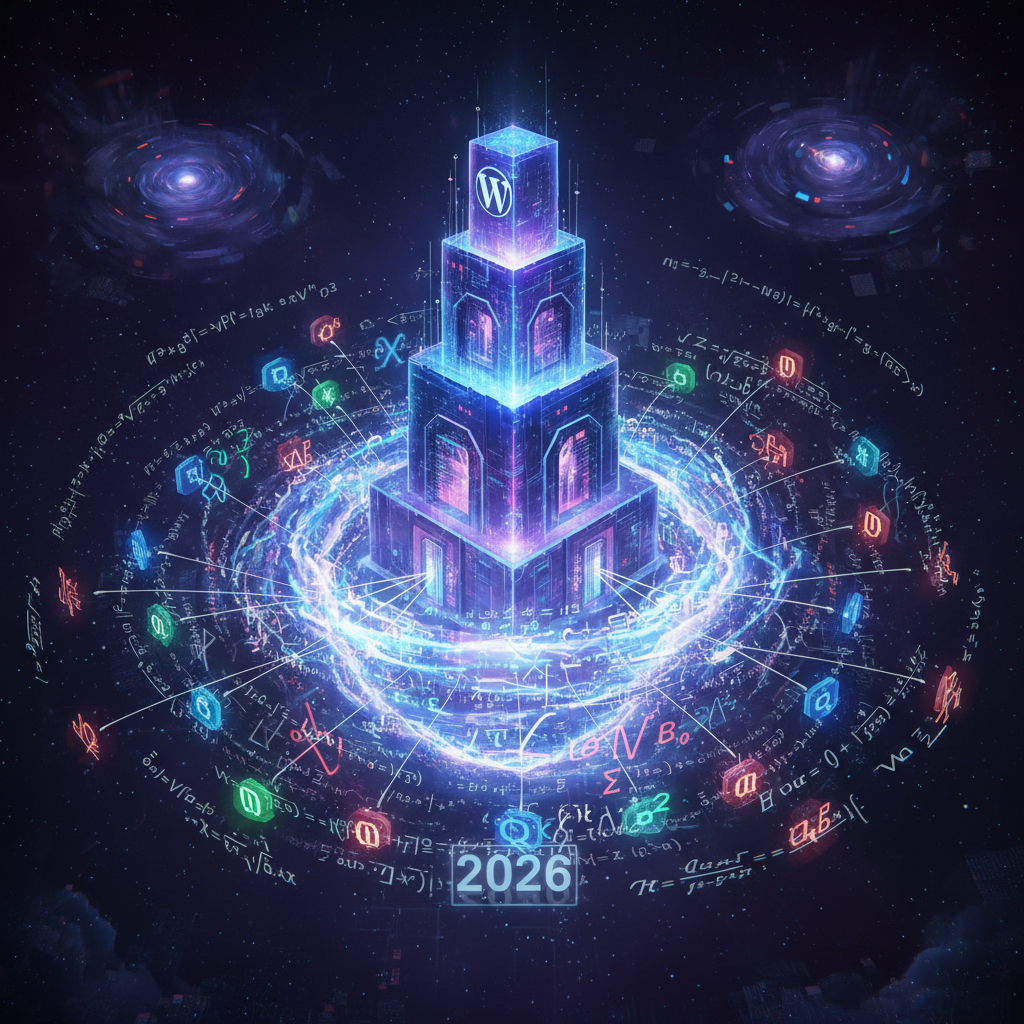
As we navigate 2026, the digital landscape continues its rapid evolution, bringing with it both unprecedented opportunities and looming challenges. One of the most significant long-term threats to digital security is the advent of quantum computing. While still in its nascent stages for widespread commercial use, the potential for quantum computers to break current cryptographic standards makes the pursuit of quantum safe WordPress plugins an urgent and critical endeavor for any website owner. This article delves into the essential steps for auditing your WordPress plugin ecosystem to ensure quantum resistance, safeguarding your data and your users' privacy against future cryptographic threats.
For a deeper dive into ensuring the integrity of your WordPress plugins in this new era, explore The Quantum Cryptographer: Auditing WordPress Plugin Integrity with Post-Quantum Cryptography in 2026.
Understanding the Quantum Threat and the Need for Quantum Safe WordPress Plugins
The rise of quantum computing promises to revolutionize various fields, from medicine to materials science. However, it also poses a profound threat to the encryption methods that secure our digital world today. Algorithms like RSA and ECC, foundational to SSL/TLS, VPNs, and secure communications, are vulnerable to quantum attacks. This isn't a problem for tomorrow; proactive steps are needed today to prepare for what many call the "quantum apocalypse."
- Shor's Algorithm: Capable of breaking widely used public-key cryptography.
- Grover's Algorithm: Can significantly speed up brute-force attacks on symmetric-key cryptography.
- Harvest Now, Decrypt Later: Malicious actors may already be collecting encrypted data, waiting for quantum computers to become powerful enough to decrypt it.
The implications for WordPress websites are massive. Everything from user logins and e-commerce transactions to database security relies heavily on these cryptographic primitives. Therefore, identifying and implementing quantum safe WordPress plugins is not just a best practice, but a strategic imperative. To understand broader security implications of plugins, consider reading about The Overlooked Gatekeepers: Unmasking Excessive Permissions in WordPress Plugins (2026).
What is Post-Quantum Cryptography (PQC)?
Post-Quantum Cryptography (PQC), or quantum-resistant cryptography, refers to cryptographic algorithms that are thought to be secure against attacks by quantum computers. These new algorithms are being developed and standardized by bodies like the National Institute of Standards and Technology (NIST). More detailed information on NIST's PQC efforts can be found at their official site: NIST Post-Quantum Cryptography.
The goal is to replace existing vulnerable algorithms with new ones that can withstand both classical and quantum attacks, ensuring long-term data confidentiality and integrity. The adoption of PQC algorithms will form the backbone of security for the next generation of digital infrastructure, including the necessary upgrades for quantum safe WordPress plugins. For a deeper dive into auditing cryptographic security, explore The Quantum of Trust: Auditing Cryptographic Security in WordPress Plugins for 2026.
Auditing Your WordPress Plugin Ecosystem for Quantum Readiness
Given the potential future vulnerabilities, a thorough audit of your WordPress plugin ecosystem is paramount in 2026. This process goes beyond traditional security checks and focuses specifically on cryptographic resilience. It's about identifying weak points that quantum computers could exploit and planning for their replacement with quantum safe WordPress plugins or configurations.
Identifying Cryptographic Dependencies
The first step in auditing is to understand which of your plugins rely on cryptographic functions. This can be complex, as many plugins interact with core WordPress functions or third-party services that handle cryptography. Look for:
- SSL/TLS Implementations: While often handled at the server level, some plugins might integrate with specific SSL/TLS features or enforce certain protocols.
- User Authentication: Plugins managing login, registration, or multi-factor authentication (MFA) use hashing and encryption.
- Data Encryption: Any plugins that encrypt sensitive data (e.g., payment details, personal identifiable information) within the database or during transmission.
- API Integrations: Plugins that connect to third-party services often rely on secure API keys and encrypted communication channels.
- Digital Signatures: Plugins that verify software updates, document authenticity, or provide code integrity checks.
Evaluating Plugin Code and Cryptographic Implementations
This is where the audit becomes highly technical. Ideally, you’d examine the source code of your plugins for their cryptographic libraries and primitives. However, for most users and even many developers, this is not feasible. Instead, focus on:
- Developer Transparency: Does the plugin developer explicitly state their approach to cryptography? Are they actively researching or integrating PQC solutions?
- Update Frequency: Plugins that are regularly updated are more likely to adapt to emerging threats, including quantum ones.
- Community Reviews and Security Audits: Look for mentions of security audits, especially those focusing on cryptographic strength.
- Official PQC Transition Plans: Check if the plugin developer has announced plans or timelines for migrating to post-quantum cryptography.
While direct code analysis for quantum resistance is challenging, these indicators can provide a good gauge of a plugin's proactive security posture and its likelihood of becoming a quantum safe WordPress plugin in the future. For additional insights into plugin security, consider examining The Forgotten Front Line: Securing Your WordPress Site at the Plugin API Level in 2026.
Mitigating Risks and Preparing for Quantum Safe WordPress Plugins
Preparing for the quantum era isn't about immediate panic, but rather strategic foresight. There are several steps WordPress administrators can take today to mitigate risks and position their sites for a smoother transition to quantum-resistant security, particularly concerning quantum safe WordPress plugins.
Best Practices for Plugin Management in the Quantum Era
- Minimize Plugin Count: The fewer plugins you have, the smaller your attack surface and the easier it is to manage cryptographic dependencies.
- Choose Reputable Developers: Prioritize plugins from established developers with a strong security track record and clear communication about their future plans.
- Stay Informed on PQC Progress: Keep an eye on NIST's PQC standardization process and general developments in quantum computing and cryptography.
- Regular Security Audits: Beyond quantum concerns, regular security audits remain crucial for identifying vulnerabilities.
- Implement "Crypto-Agility": Favor systems and plugins that allow for easy swapping of cryptographic algorithms, which will be vital during the transition to PQC. Look for plugins designed with this flexibility in mind.
Transition Roadmaps and the Future of Quantum Safe WordPress Plugins
The transition to post-quantum cryptography will be a multi-year process involving significant upgrades across the entire digital ecosystem. For WordPress, this means:
- Core WordPress Updates: Expect future versions of WordPress to integrate PQC algorithms for core functions like password hashing and secure communication.
- Hosting Provider Upgrades: Your hosting provider will play a crucial role in implementing PQC at the server level, particularly for SSL/TLS.
- Developer-Led Plugin Updates: Individual plugin developers will be responsible for updating their products to use PQC algorithms for any cryptographic operations they perform.
- Certification and Compliance: New standards and certifications for quantum-safe solutions will emerge, which will guide the development of quantum safe WordPress plugins.
WordPress users should actively monitor these developments and prioritize plugins whose developers openly commit to these transition roadmaps.
Challenges and Considerations for Implementing Quantum Safe WordPress Plugins
While the need for quantum-resistant solutions is clear, the path to implementing quantum safe WordPress plugins is not without its challenges. These complexities need to be understood and addressed as part of any forward-looking security strategy.
Performance Overhead of New Algorithms
Many PQC algorithms are inherently more computationally intensive and produce larger keys and signatures compared to current cryptographic standards. This can lead to:
- Increased latency for cryptographic operations.
- Higher CPU usage on servers.
- Larger data transmissions for key exchanges and digital signatures.
Developers of quantum safe WordPress plugins will need to optimize their implementations to minimize this performance impact, ensuring that the enhanced security does not come at an unacceptable cost to user experience or server resources. Understanding potential performance issues is critical, as detailed in The Silent Sabotage: Unmasking CPU Hogs and Memory Leaks in WordPress Plugins (2026).
Compatibility and Interoperability Issues
The introduction of new cryptographic primitives will undoubtedly create compatibility challenges:
- Browser Support: Web browsers will need to be updated to support PQC-enabled SSL/TLS.
- System Integrations: Plugins that integrate with external APIs or services will need those services to also adopt PQC for seamless and secure communication.
- Legacy Systems: Maintaining compatibility with older systems or devices that cannot be easily updated to PQC standards will be a significant hurdle, potentially requiring hybrid solutions.
The transition period will likely see a mix of classical and post-quantum cryptography, requiring careful management by plugin developers and administrators to ensure robust security without breaking functionality. Further insights into external integrations can be found at SSL Labs' expectations for future SSL/TLS deployments, which often touch upon cryptographic standards.
Conclusion: Securing Your WordPress Future in the Quantum Era of 2026
The journey towards a quantum-safe digital future is undeniably complex, but it's a journey that WordPress users and developers must embark on now. In 2026, while quantum computers capable of breaking current encryption are not yet widely available, the "harvest now, decrypt later" threat is real. Proactive preparation, including diligently seeking out and advocating for quantum safe WordPress plugins, is essential.
By understanding the quantum threat, religiously auditing your plugin ecosystem, selecting developers with a clear PQC roadmap, and staying informed about the evolving cryptographic landscape, you can ensure your WordPress website remains a secure and trustworthy platform for years to come. The future of online security depends on today's forward-thinking choices in adopting quantum-resistant solutions.
Frequently Asked Questions

Written by Aras Akıncılar
Uzun yıllara dayanan WordPress deneyimine sahip bir siber güvenlik uzmanı olarak, eklenti ekosisteminin derinlemesine analizine odaklanıyorum. Güvenlik açıkları, performans düşüşleri ve uyumluluk sorunları üzerine hazırladığım makalelerle, WordPress kullanıcılarının sitelerini daha güvenli ve verimli hale getirmelerine yardımcı olmayı hedefliyorum.