The Silent Archaeologists: Uncovering Forgotten & Obsolete Code in WordPress Plugins (2026)
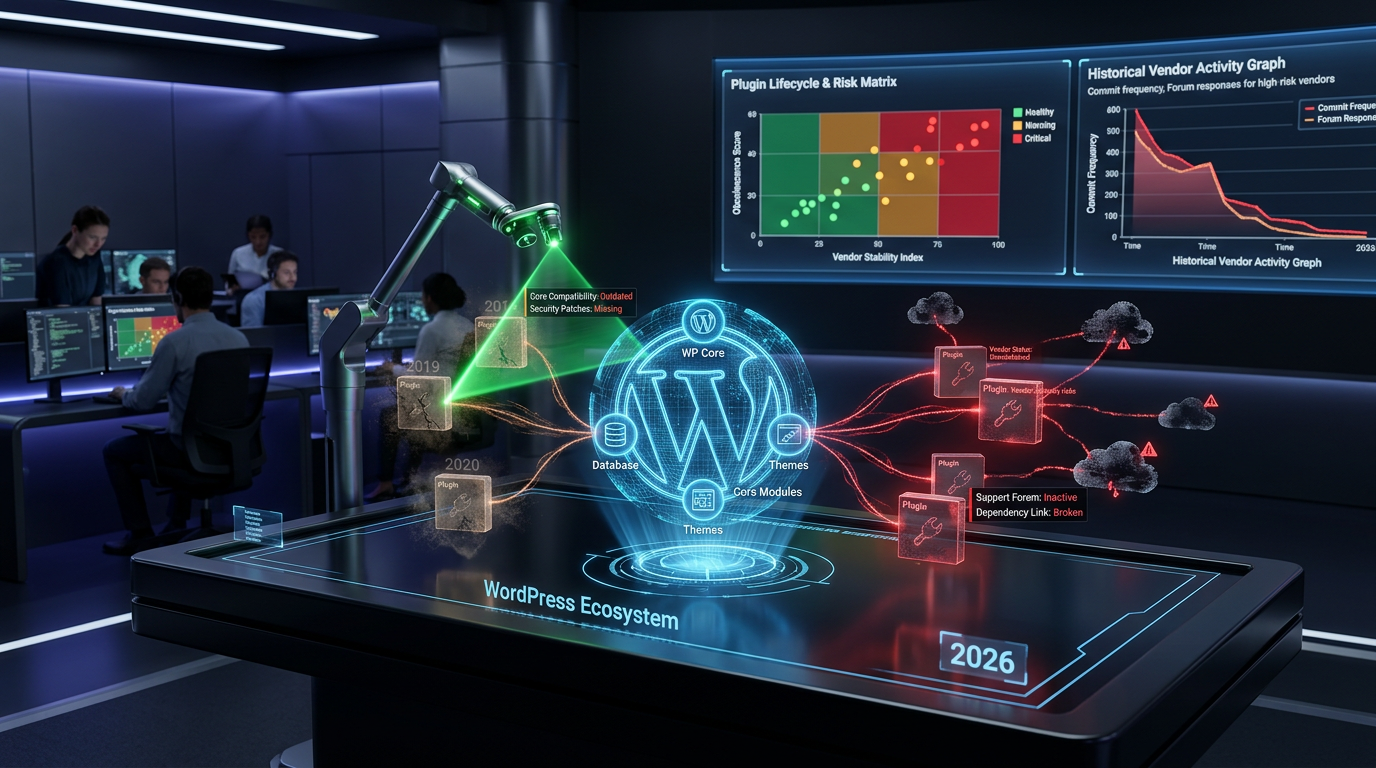
In the evolving digital landscape of 2026, maintaining a robust, secure, and high-performing WordPress website is paramount. A critical, yet often overlooked, aspect of this maintenance is addressing WordPress plugin obsolete code. This hidden menace can silently compromise your site's security, degrade performance, and introduce compatibility issues that disrupt the user experience. Understanding how to identify, mitigate, and prevent obsolete code is essential for any WordPress administrator or developer aiming for website longevity and stability.
The Dangers Lurking in WordPress Plugin Obsolete Code
Outdated code in WordPress plugins isn't just a minor inconvenience; it's a significant risk factor. As the WordPress core evolves, so do the best practices and security standards. Code written years ago might not adhere to current security protocols or might rely on deprecated functions, leaving your site vulnerable to exploits. This section explores the multifaceted dangers associated with neglected plugin code.
Security Vulnerabilities from Outdated Code
One of the most immediate and severe threats posed by WordPress plugin obsolete code is the introduction of security vulnerabilities. Attackers actively seek out known weaknesses in older codebases. If a plugin hasn't been updated to patch these vulnerabilities, your site becomes an easy target for:
- Cross-Site Scripting (XSS) attacks
- SQL Injection flaws
- Remote Code Execution (RCE)
- Data breaches
Keeping plugins updated is your first line of defense against these pervasive threats in 2026. For further reading on related security concerns, consider our article on Digital Sovereignty & Data Transfer Risks in WordPress Plugins (2026).
Performance Degradation and Resource Hogs
Beyond security, obsolete code can significantly impact your website's performance. Older functions or inefficient coding practices might not be optimized for modern server environments or PHP versions. This can lead to:
- Slower page loading times
- Increased server resource consumption (CPU and RAM)
- Reduced Core Web Vitals scores, affecting SEO
Identifying and replacing plugins with inefficient WordPress plugin obsolete code is crucial for a snappy user experience.
Compatibility Nightmares and PHP Deprecations
WordPress and PHP are constantly evolving. New versions introduce improved functionalities, security enhancements, and often, deprecations of older functions. A plugin containing WordPress plugin obsolete code might cease to function correctly, or worse, break your entire site when WordPress or PHP is updated. This often manifests as:
- Fatal errors and white screens of death
- Malfunctioning features within the plugin or theme
- Conflicts with other updated plugins
Proactive auditing helps avoid these disruptive compatibility issues. To understand how plugins remodel data formats, which can lead to compatibility issues, read about How WordPress Plugins Remodel Data Formats & The Security Implications in 2026.
Identifying WordPress Plugin Obsolete Code: Becoming a Digital Archaeologist
Locating outdated code isn't always straightforward, especially given the vast number of available plugins. It requires a systematic approach and an understanding of what to look for. Here, we outline methods and tools to help you uncover obsolete code within your WordPress ecosystem.
Routine Plugin Audits and Version Checks
The simplest method is regular vigilance. Make it a habit to:
- Check when plugins were last updated. If a plugin hasn't seen an update in over a year or two (especially since mid-2024), it’s a red flag for potential WordPress plugin obsolete code.
- Monitor the plugin's changelog for mentions of PHP version compatibility, security patches, and deprecated function replacements.
- Review user reviews on the WordPress repository for reports of issues after core or PHP updates.
These routine checks are your first line of defense against forgotten code.
Utilizing Static Analysis Tools for Code Inspection
For a deeper dive, static analysis tools are invaluable. These tools scan the plugin's codebase without executing it, identifying potential issues like deprecated functions, insecure patterns, and general code smells. Popular options for PHP include:
- PHP_CodeSniffer: Helps enforce coding standards and identify violations, including deprecated functions.
- Psalm or PHPStan: Advanced static analysis tools that can detect more complex errors and type inconsistencies, often highlighting areas where code might be relying on outdated assumptions.
- Security Scanners: Many security plugins offer basic code scanning functionalities that can flag known vulnerabilities associated with older code patterns.
Integrating these into your development workflow for custom plugins or for vetting third-party ones can significantly reduce your exposure to WordPress plugin obsolete code. To further understand security implications, explore how WordPress Plugins Dictate Third-Party Service Integrations & Their Security Implications in 2026.
Monitoring for Warnings and Errors in Server Logs
Your server and WordPress error logs are treasure troves of information. PHP warnings, notices, and fatal errors often point directly to issues caused by WordPress plugin obsolete code, especially after a PHP version upgrade. Keep an eye out for messages like:
PHP Deprecated: Function create_function() is deprecated in /wp-content/plugins/old-plugin/file.php on line 123This explicitly indicates obsolete code usage. Regularly reviewing these logs helps you catch problems before they impact users.
Best Practices for Mitigating and Preventing Obsolete Code
Prevention is always better than cure when it comes to plugin code. By adopting a proactive mindset and incorporating specific best practices, you can significantly reduce the risk and impact of WordPress plugin obsolete code on your website in 2026.
Prioritize Actively Maintained Plugins
When selecting plugins, always opt for those with a strong track record of active development. Check the "Last Updated" date on the WordPress repository or the developer's website. Plugins that receive regular updates (monthly or quarterly) are less likely to harbor significant amounts of WordPress plugin obsolete code and are generally more secure and compatible with the latest WordPress and PHP versions.
Strategic Plugin Deactivation and Deletion
Every unused or deactivated plugin is a potential security risk and a source of unnecessary code on your server. If you're not actively using a plugin, deactivate it. If you're confident you won't need it in the future, delete it entirely. This reduces the attack surface and minimizes the potential for WordPress plugin obsolete code to cause issues. For insights into ensuring financial security, consider Unearthing Financial Integrity & Transaction Security in WordPress Plugins (2026).
Maintaining a Staging Environment for Updates
Never update plugins directly on your live production site. Always perform updates, especially major ones, in a staging environment first. This allows you to test for compatibility issues, errors, or unexpected behavior caused by potentially updated or newly introduced WordPress plugin obsolete code without affecting your live audience. Once confident, you can then push updates to production.
The Future of WordPress Plugins: A Call for Clean Code in 2026
As we navigate 2026, the emphasis on robust security, blazing-fast performance, and seamless user experiences continues to grow. The presence of WordPress plugin obsolete code stands squarely against these goals. The WordPress community, developers, and website owners alike have a shared responsibility to promote and maintain a healthy plugin ecosystem.
Developer Responsibility and Modern Coding Standards
Plugin developers play a crucial role in preventing the proliferation of obsolete code. Adhering to modern PHP standards, employing automated testing, and regularly reviewing their codebases for deprecated functions and security vulnerabilities are paramount. Investing in continuous integration and delivery (CI/CD) pipelines can help catch issues before they reach users. This aligns with industry best practices for secure software development, as highlighted by organizations like OWASP. (Open Web Application Security Project)
User Empowerment Through Informed Choices
Website owners are not powerless. By understanding the risks of WordPress plugin obsolete code and knowing how to evaluate plugin quality, they can make informed decisions when choosing and maintaining their plugin portfolio. Opting for reputable developers, reading reviews, and heeding warnings about outdated plugins all contribute to a healthier WordPress site. Resources like the official WordPress Plugin Directory offer detailed information on plugin updates and compatibility. Furthermore, staying informed about general web development trends and security is crucial; an excellent resource for this is MDN Web Docs.
In conclusion, confronting WordPress plugin obsolete code is not just a technical task; it's a commitment to the long-term health and success of your WordPress website. By embracing vigilance, utilizing appropriate tools, and adopting best practices, you can ensure your site remains secure, performant, and future-proof in the ever-evolving digital landscape of 2026 and beyond.
Frequently Asked Questions

Written by Aras Akıncılar
Uzun yıllara dayanan WordPress deneyimine sahip bir siber güvenlik uzmanı olarak, eklenti ekosisteminin derinlemesine analizine odaklanıyorum. Güvenlik açıkları, performans düşüşleri ve uyumluluk sorunları üzerine hazırladığım makalelerle, WordPress kullanıcılarının sitelerini daha güvenli ve verimli hale getirmelerine yardımcı olmayı hedefliyorum.