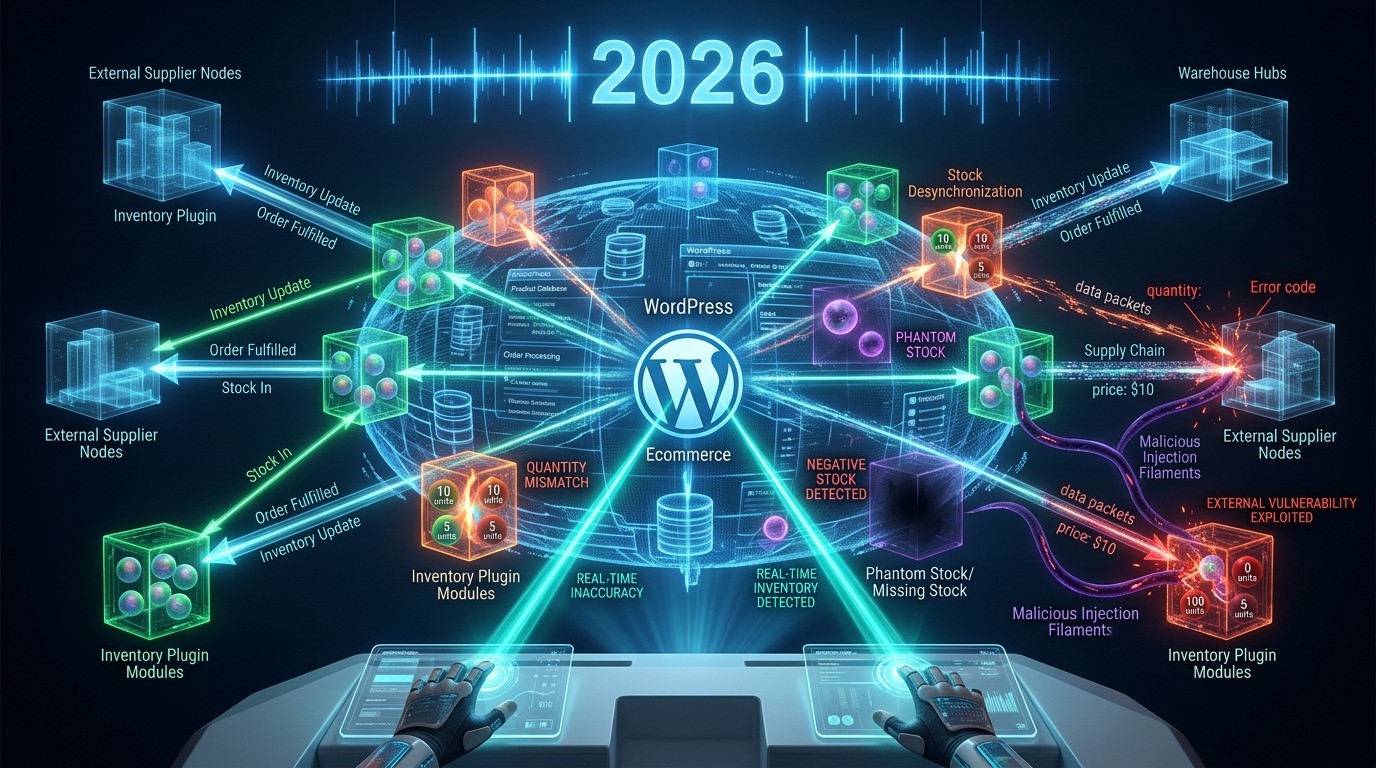
The Silent Conductors: How WordPress Plugins Dictate Third-Party Service Integrations & Their Security Implications in 2026
In the evolving digital landscape of 2026, the success of a WordPress website often hinges on its ability to seamlessly integrate with various third-party services. From CRM platforms and email marketing tools to payment gateways and social media feeds, these integrations are typically orchestrated by WordPress plugins. Understanding the critical role these plugins play and, more importantly, evaluating the associated wordpress third-party integration security implications, is paramount for any website owner. This post delves into how plugins manage these vital connections and outlines best practices to safeguard your site from potential vulnerabilities.
For a deeper dive into how plugins orchestrate the flow of information, learn about How WordPress Plugins Dictate Data Flow and Integration Architecture in 2026.
The Mechanics of WordPress Third-Party Integration Security via Plugins
WordPress plugins are the backbone of extended functionality, acting as intermediaries between your website and external services. They facilitate data exchange, authenticate access, and often manage the configuration settings for these integrations. This convenience, however, introduces a complex layer of security considerations that site administrators must actively address.
Each plugin that connects to a third-party service essentially extends the attack surface of your WordPress installation. Poorly coded or maintained plugins can become conduits for malicious actors to exploit vulnerabilities, access sensitive data, or disrupt website operations. Therefore, a thorough understanding of how these integrations work and identifying potential weaknesses is crucial for maintaining robust wordpress third-party integration security.
How Plugins Connect to External Services
- API Keys and Authentication: Most integrations rely on API (Application Programming Interface) keys or OAuth tokens for authentication. Plugins often store these credentials in the database or configuration files, making their secure handling a top priority.
- Data Exchange Protocols: Plugins communicate with third-party services using various protocols like HTTPS, ensuring encrypted data transfer. However, the integrity of the data itself and its handling within the plugin, before and after transmission, is equally important.
- Webhooks and Callbacks: Some integrations use webhooks, where the third-party service sends data back to your WordPress site upon certain events. Ensuring the inbound data is properly validated and sanitized by the plugin is critical to prevent injection attacks.
Common Security Risks Associated with Third-Party Integrations
While the benefits of third-party integrations are undeniable, they introduce a spectrum of security risks that require careful management. Ignoring these risks can lead to data breaches, website defacement, or even complete compromise. In 2026, with cyber threats becoming increasingly sophisticated, proactive security measures are non-negotiable.
For more about the broader security landscape of WordPress, consider reading about WordPress Plugins as Micro-CMSs & Their Security Footprint in 2026.
Outdated Plugin Code and Vulnerabilities
One of the most persistent threats to wordpress third-party integration security stems from outdated plugin code. Developers constantly release updates to fix bugs, improve performance, and patch security vulnerabilities. Neglecting these updates leaves your site exposed to known exploits that attackers actively scan for.
- Unpatched Vulnerabilities: Older versions of plugins often contain publicly disclosed vulnerabilities that can be easily exploited.
- Compatibility Issues: Outdated plugins might also have compatibility issues with the latest WordPress core or other plugins, leading to unexpected errors or security flaws.
- Lack of Support: Abandoned or unmaintained plugins pose a significant risk, as their developers no longer provide security patches or support.
Insecure Configurations and Excessive Permissions
Even well-coded plugins can become a security liability if they are configured insecurely or granted excessive permissions. A common pitfall is giving a plugin more access than it truly needs to perform its function. This "principle of least privilege" is a cornerstone of robust security.
For example, a plugin integrating with a social media platform might only need permission to post updates, not to modify core WordPress files. Granting it broader access unnecessarily increases the risk of a breach if the plugin itself is compromised. Reviewing plugin settings carefully and understanding the scope of its access is essential for maintaining strong wordpress third-party integration security.
Best Practices for Enhancing WordPress Third-Party Integration Security
Mitigating the risks associated with third-party integrations requires a multi-faceted approach. By adopting a proactive security posture, WordPress site owners can significantly reduce their exposure to potential threats and ensure the long-term stability and security of their websites in 2026.
Understanding how plugins interact with and potentially distort real-world data is also crucial, as explored in How WordPress Plugins Enhance & Distort Real-World Data in 2026.
Thorough Plugin Vetting and Selection
Before installing any plugin, especially those facilitating third-party integrations, it's crucial to conduct thorough due diligence. Not all plugins are created equal, and some may introduce more risk than benefit.
- Reputation and Reviews: Check the developer's reputation, read user reviews, and look for active support forums.
- Update Frequency: A plugin that receives regular updates indicates active development and commitment to security.
- Security Audits: Some reputable plugins undergo independent security audits. Look for plugins that explicitly mention this.
- Code Quality: While not always feasible for non-developers, choosing plugins from well-known developers often correlates with better code quality.
It's also beneficial to consult external resources like the OWASP Top 10 for common web application security risks that can affect integrated services.
Regular Updates and Monitoring
Keeping all WordPress components (core, themes, and plugins) up-to-date is arguably the most critical security measure. This applies doubly to plugins managing sensitive third-party integrations. Implement a regular update schedule and actively monitor your site for suspicious activity.
Consider using a staging environment to test updates before deploying them to your live site, especially for critical plugins. Furthermore, employ security monitoring tools that can alert you to potential intrusions, file changes, or unusual login attempts. These tools are invaluable in detecting and responding to security incidents promptly, thereby strengthening your wordpress third-party integration security.
Implementing Strong Configuration and Access Controls
Beyond choosing reliable plugins, configuring them securely is vital. Adhere to the principle of least privilege, ensuring that plugins only have the necessary permissions to function and nothing more.
Regularly review the permissions granted to each plugin and revoke any unnecessary access. Furthermore, use strong, unique passwords for all API keys and service accounts. Whenever possible, leverage two-factor authentication (2FA) for external services to add an extra layer of security against unauthorized access. This meticulous approach to configuration is a cornerstone of effective wordpress third-party integration security.
For insight into authentication risks, delve into Digital Identity & Authentication Risks in WordPress Plugins (2026).
The Future of WordPress Third-Party Integration Security in 2026 and Beyond
As WordPress continues to evolve, so too will the methods for integrating with third-party services and the security challenges these integrations present. In 2026, we're seeing an increased focus on robust API security, more granular permission controls, and AI-driven security monitoring solutions.
Developers are becoming more aware of potential security pitfalls, leading to the creation of more secure plugins and services. However, the ultimate responsibility for website security still lies with the administrator. Staying informed about the latest security trends, continuously evaluating your website’s security posture, and adhering to best practices will be crucial for maintaining a secure and high-performing WordPress site well into the future. Prioritizing wordpress third-party integration security isn't just about protecting data; it's about safeguarding your online presence and reputation.
Staying informed about general web security best practices, such as those recommended by the Cybersecurity and Infrastructure Security Agency (CISA), can further bolster your understanding and defense strategies.
Frequently Asked Questions

Written by Aras Akıncılar
Uzun yıllara dayanan WordPress deneyimine sahip bir siber güvenlik uzmanı olarak, eklenti ekosisteminin derinlemesine analizine odaklanıyorum. Güvenlik açıkları, performans düşüşleri ve uyumluluk sorunları üzerine hazırladığım makalelerle, WordPress kullanıcılarının sitelerini daha güvenli ve verimli hale getirmelerine yardımcı olmayı hedefliyorum.