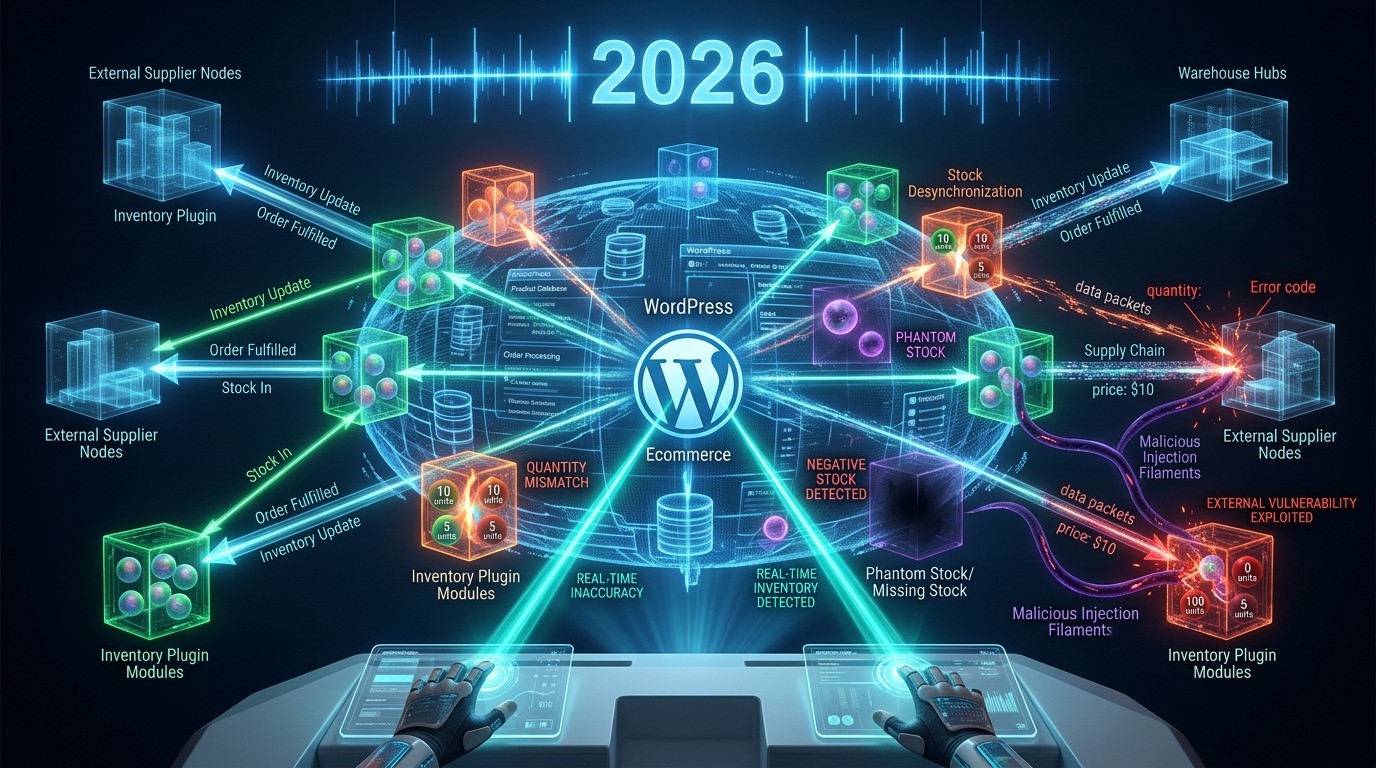
The Silent Alchemists: How WordPress Plugins Remodel Data Formats & The WordPress Data Format Security Implications in 2026
In the vast, dynamic ecosystem of WordPress, plugins act as silent alchemists, transforming raw data into structured, presentable information. Understanding how these plugins handle and remodel data formats is crucial, particularly when considering WordPress data format security. As we navigate 2026, the complexity of data processing within WordPress continues to grow, making robust security practices more vital than ever to safeguard against evolving threats and ensure data integrity.
Understanding Data Transformation and WordPress Data Format Security
WordPress plugins extend the core functionality of your website, often by interacting with, processing, and reformatting data. This data can originate from various sources: user input, external APIs, database entries, or internal system processes. Each transformation step introduces potential vulnerabilities if not handled with meticulous care.
The security implications are profound. An improperly handled data format can lead to anything from data corruption to critical security breaches. This section will delve into the various ways plugins transform data and the inherent security challenges.
Common Data Formats in WordPress
- JSON (JavaScript Object Notation): Widely used for data interchange, especially with REST APIs. Its lightweight nature makes it popular, but improper parsing can expose sensitive information.
- XML (Extensible Markup Language): Still prevalent in many legacy systems and for RSS/Atom feeds. XML injection vulnerabilities are a persistent concern.
- CSV (Comma Separated Values): Frequently used for bulk imports/exports. While simple, CSV files can contain malicious formulas if not sanitized.
- Serialized PHP Arrays: WordPress's native method for storing complex data structures in the database. Deserialization vulnerabilities are a significant threat.
How Plugins Remodel Data
Plugins engage in various data remodeling activities. This includes:
- Parsing and Validation: Taking incoming data and ensuring it conforms to expected formats and types.
- Sanitization and Escaping: Cleaning data to remove potentially malicious content before storage or display.
- Encoding and Decoding: Converting data between different representations, such as base64 encoding for images or URL encoding for parameters.
- Database Interactions: Storing and retrieving data, often requiring conversion between programming language formats and database-specific types.
The Evolution of Plugin-Related Threats to WordPress Data Format Security
The threat landscape is constantly shifting. In 2026, we're seeing an increase in sophisticated attacks targeting plugin vulnerabilities related to data handling. Attackers are constantly finding new ways to exploit misconfigurations and code flaws.
These evolving threats underscore the critical need for developers and website owners to prioritize WordPress data format security. Proactive measures are far more effective than reactive fixes.
Outdated Code and Deserialization Vulnerabilities
One of the most persistent threats stems from outdated plugin code, especially those handling serialized PHP arrays. Deserialization vulnerabilities allow attackers to inject malicious objects into a serialized string, leading to remote code execution (RCE) once the string is deserialized by the PHP application.
Many older plugins have not been updated to mitigate these known threats. Regular plugin updates are non-negotiable for maintaining good security posture.
Injection Vulnerabilities (SQL, XML, Command)
Improper validation and sanitization of user input often lead to various injection vulnerabilities. SQL injection, where attackers manipulate database queries, remains a top concern. Similarly, XML injection can occur when parsing untrusted XML data, leading to information disclosure or server-side request forgery (SSRF).
Command injection, while less common in WordPress contexts, can arise if plugins execute external system commands using unsanitized user inputs.
Insecure API Integrations and Data Exposure
Many plugins integrate with external APIs, which often involve sending and receiving data in various formats. If these integrations are not secured properly, sensitive data can be exposed. This includes:
- API keys hardcoded or exposed in front-end code.
- Lack of encryption for data in transit.
- Insufficient validation of data received from third-party APIs, potentially leading to cross-site scripting (XSS) or other client-side attacks.
Best Practices for Enhancing WordPress Data Format Security
Mitigating these risks requires a multi-faceted approach, combining robust development practices with diligent website administration. Every aspect of data handling, from input to output, must be secured.
By adhering to these best practices, website owners and developers can significantly enhance their WordPress data format security, making their sites resilient against common and emerging threats.
For Plugin Developers
- Strict Input Validation: Never trust user input. Validate all incoming data against expected formats, types, and lengths using functions like
filter_var()and custom regex. - Thorough Data Sanitization and Escaping: Before storing data, sanitize it using functions like
sanitize_text_field(),wp_kses()for HTML, and custom filters. Before displaying data, escape it usingesc_html(),esc_attr(), oresc_url(). - Safe Deserialization Practices: Avoid using
unserialize()on untrusted data. If absolutely necessary, employ robust whitelisting mechanisms or consider alternative data storage formats like JSON. - Secure API Handling: Use OAuth or API key management systems, secure API endpoints with HTTPS, and validate data received from external sources.
- Regular Security Audits: Conduct frequent code reviews and penetration testing to identify and fix vulnerabilities.
For WordPress Website Owners
- Keep Plugins Updated: Always run the latest versions of plugins. Updates often include critical security patches.
- Choose Reputable Plugins: Download plugins only from the official WordPress plugin directory or trusted developers with a solid security track record.
- Minimum Plugin Footprint: Avoid installing unnecessary plugins. Deactivate and delete themes and plugins you aren't actively using.
- Implement a Web Application Firewall (WAF): A WAF can provide an additional layer of protection by filtering out malicious requests before they reach your WordPress site.
- Regular Backups: Maintain consistent backups of your database and files. In case of a breach, this allows for quick recovery.
- Security Scanning: Utilize security plugins that scan for vulnerabilities, malware, and integrity issues within your WordPress installation.
The Role of Automated Security Tools in Protecting Data Formats
In 2026, the complexity of managing WordPress websites, especially those with numerous plugins, makes manual security checks increasingly difficult. Automated tools have become indispensable for maintaining robust WordPress data format security.
These tools can significantly reduce the burden on website administrators, providing continuous monitoring and early detection of potential issues. They serve as a crucial component of a comprehensive security strategy.
Types of Automated Security Tools
- Vulnerability Scanners: These tools automatically scan your website and installed plugins for known vulnerabilities, outdated software, and misconfigurations.
- Malware Scanners: They detect malicious code injections, file integrity changes, and other indicators of compromise within your WordPress files and database.
- Web Application Firewalls (WAFs): As mentioned earlier, WAFs act as a shield, filtering out suspicious traffic based on predefined rules, protecting against various attacks including injection attempts. A popular example is Cloudflare WAF.
- Plugin Security Checkers: Specific tools designed to analyze plugin code for common security flaws related to data handling, like improper sanitization or insecure deserialization.
Integrating Security Tools into Your Workflow
Integrating these tools should be a standard part of your WordPress maintenance routine. Running scans weekly or even daily, coupled with immediate action on reported issues, is critical. For developers, incorporating security testing into CI/CD pipelines can help identify issues before they reach production environments.
Remember that no single tool is a complete solution. A layered approach combining automated tools with manual review and best practices offers the strongest defense against threats to WordPress data format security.
Conclusion: Fortifying Your WordPress Data in 2026
The power of WordPress plugins to transform and remodel data is undeniable, driving innovation and functionality across millions of websites. However, this power comes with a significant responsibility: ensuring robust WordPress data format security. As we move further into 2026, the landscape of cyber threats continues to evolve, making proactive security measures more critical than ever.
By understanding the mechanisms of data transformation, staying informed about prevailing threats, and diligently implementing best practices – from careful plugin selection and regular updates to stringent input validation and the use of automated security tools – both developers and website owners can fortify their WordPress installations. Protecting your data formats isn't just about avoiding breaches; it's about safeguarding your website's integrity, user trust, and business continuity in an increasingly digital world. For further insights into complex data manipulations, consider reading about runtime code generation risks in WordPress plugins.
Frequently Asked Questions

Written by Aras Akıncılar
Uzun yıllara dayanan WordPress deneyimine sahip bir siber güvenlik uzmanı olarak, eklenti ekosisteminin derinlemesine analizine odaklanıyorum. Güvenlik açıkları, performans düşüşleri ve uyumluluk sorunları üzerine hazırladığım makalelerle, WordPress kullanıcılarının sitelerini daha güvenli ve verimli hale getirmelerine yardımcı olmayı hedefliyorum.