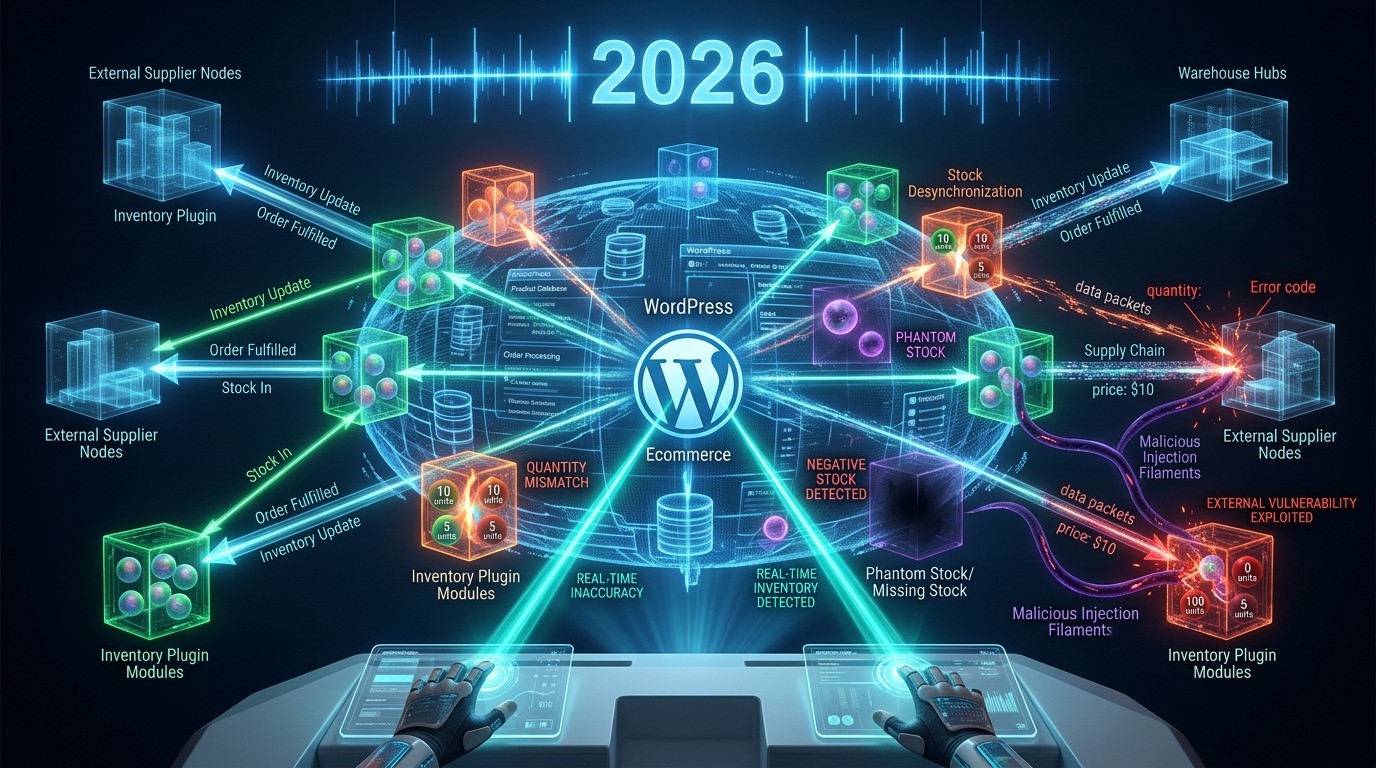
The Invisible Export: Auditing WordPress Plugins for Covert Outbound Data Transmissions & API Call Risks in 2026
In the dynamic landscape of web development, maintaining a secure and high-performing WordPress website is paramount. A critical, yet often overlooked, aspect of this security posture involves understanding and monitoring WordPress plugin outbound data. While plugins enhance functionality, they can also act as conduits for unauthorized data transmissions, posing significant security and privacy risks. This comprehensive guide, updated for 2026, delves into how to effectively audit plugins for covert outbound data, identify potential API call risks, and implement best practices to safeguard your digital assets.
Understanding WordPress Plugin Outbound Data and Its Implications
Every time a WordPress plugin communicates with an external server – be it for license verification, update checks, analytics, or more insidious purposes – it generates outbound data. This communication, often through API calls, can transmit various types of information. While many such transmissions are legitimate and necessary for plugin functionality, others can be malicious, excessive, or simply unknown to the site administrator.
The implications of unmonitored outbound data are far-reaching. They include data breaches, privacy violations, reduced website performance, and even compliance failures under regulations like GDPR or CCPA. As of 2026, with increasing sophistication in cyber threats, proactive auditing of these data flows is no longer optional but a fundamental security measure.

The Anatomy of Outbound Data Transmission
Outbound data transmissions typically involve HTTP or HTTPS requests made by your WordPress installation to third-party servers. These requests can be initiated for several reasons:
- License Verification: Many premium plugins connect to their developers' servers to verify active licenses.
- Update Checks: Plugins frequently check for new versions and security patches.
- Telemetry and Analytics: Some plugins collect anonymous usage data to improve their features.
- Content Delivery Networks (CDNs): Plugins might interact with CDNs for serving static assets.
- External APIs: Integration plugins often call external APIs for services like payment gateways, social media sharing, or email marketing. You can learn more about Application Programming Interfaces (APIs) on Wikipedia.
The concern arises when plugins transmit sensitive information without explicit user consent or transmit data unnecessarily, creating an invisible export channel from your website.
Identifying Potential Risks from WordPress Plugin Outbound Data
The risks associated with unchecked WordPress plugin outbound data are significant and varied. They extend beyond simple performance degradation to critical security vulnerabilities and data privacy breaches. Understanding these risks is the first step towards building a robust defense.
As we move deeper into 2026, regulatory bodies are becoming increasingly stringent about data handling. Ignorance of what data your plugins are transmitting is no longer an acceptable excuse for non-compliance.
Common Plugin-Related Threats
- Undisclosed Data Collection: Plugins might collect user data, site configurations, or even server information without clearly stating it in their terms of service or privacy policy.
- Insecure API Calls: Poorly implemented API calls can expose sensitive data during transmission if not properly encrypted or authenticated.
- Backdoors and Malicious Code: Compromised or intentionally malicious plugins can establish covert communication channels to exfiltrate data or receive commands.
- Excessive Permissions: Plugins requesting more permissions than necessary can potentially misuse them for unauthorized outbound transmissions.
- Outdated Code and Dependencies: Vulnerabilities in outdated plugin code or its third-party dependencies can be exploited to force outbound data transmissions.
Auditing for these threats requires a systematic approach, combining automated tools with manual inspection.
Strategies for Auditing WordPress Plugin Outbound Data in 2026
Effective auditing of WordPress plugin outbound data requires a multi-pronged approach, leveraging both technical tools and a keen understanding of plugin behavior. This section outlines practical strategies to identify and mitigate risks associated with data transmissions.

Monitoring Network Traffic and API Calls
The most direct way to observe outbound data is by monitoring network traffic from your server. Tools like Wireshark (for server-level monitoring) or even browser developer tools (for client-side requests initiated by plugins) can reveal what data is being sent and where. For server-side WordPress installations, monitoring tools can show which scripts are initiating external connections.
Furthermore, examining server access logs and error logs can sometimes shed light on unusual external API calls or connection failures that might indicate an attempt at outbound data transmission.
Code Review and Vulnerability Scanning
For critical plugins, especially those handling sensitive data or processing payments, a manual code review is invaluable. Look for functions like wp_remote_get(), wp_remote_post(), file_get_contents(), or cURL functions that initiate external connections. Trace what data is passed to these functions.
Automated vulnerability scanners can also help identify known issues in plugins, including those that might facilitate unauthorized data export. Ensure you are using up-to-date scanners, as new vulnerabilities are discovered regularly throughout 2026.
Utilizing Security Plugins and Monitoring Services
Several WordPress security plugins offer features to monitor outbound connections or log API calls. While not a replacement for manual auditing, they can provide an excellent first line of defense and alert you to suspicious activity. Some services specialize in real-time monitoring of server processes and network activity, offering deeper insights into all outbound communication originating from your WordPress instance.
Best Practices for Managing and Mitigating Outbound Data Risks
Proactive management is key to minimizing the risks associated with WordPress plugin outbound data. By adopting a set of robust best practices, you can significantly enhance your website's security posture and ensure compliance.
Before Installing: Due Diligence is Essential
Before installing any new plugin, conduct thorough due diligence. Check:
- Developer Reputation: Is the developer well-known and trusted? Do they have a history of addressing security concerns promptly?
- Reviews and Ratings: What do other users say about the plugin's performance and security?
- Plugin Updates: Is the plugin actively maintained and regularly updated? Lack of updates often indicates potential vulnerabilities.
- Permissions Requested: Does the plugin request only the necessary permissions? Be wary of plugins asking for excessive access.
- Privacy Policy: Does the developer have a clear privacy policy outlining what data is collected and how it's used?
Consider the necessity of each plugin. Every additional plugin, especially those not actively maintained, introduces a potential new entry point for risks.
Regular Audits and Updates
Schedule regular security audits for your WordPress installation. This includes reviewing all active plugins for their necessity, checking for updates, and performing occasional manual checks of network activity. Always keep plugins, themes, and WordPress core updated to their latest versions to patch known security vulnerabilities. Many exploits in 2026 still target outdated software.
Consider implementing a staging environment to test plugin updates and new installations before deploying them to your live site. This helps catch compatibility issues and potential security concerns early.
Implementing a Firewall and Intrusion Detection System
A Web Application Firewall (WAF) can significantly help control outbound traffic by allowing you to define rules for external connections. Intrusion Detection Systems (IDS) can monitor your server for suspicious activities and unauthorized outbound communication attempts. These tools act as a crucial layer of defense, especially against sophisticated threats designed to circumvent basic security measures.
Furthermore, consider using an external monitoring service that specifically focuses on WordPress security. These services often provide real-time alerts for unusual outbound connections or suspicious file modifications, allowing for rapid response to potential threats. For more details on WordPress security best practices, refer to official WordPress hardening guides.
Conclusion: Securing Your WordPress Site in 2026
The invisible flow of WordPress plugin outbound data represents a significant security frontier that every website administrator must actively manage in 2026. By understanding the mechanisms of data transmission, diligently auditing plugins for potential risks, and implementing robust security practices, you can protect your site from unauthorized data exports and maintain the trust of your users.
Remember, vigilance is your strongest defense. Regular reviews, proactive monitoring, and a commitment to security best practices will ensure your WordPress site remains secure, stable, and compliant in an ever-evolving digital threat landscape.
Frequently Asked Questions

Written by Aras Akıncılar
Uzun yıllara dayanan WordPress deneyimine sahip bir siber güvenlik uzmanı olarak, eklenti ekosisteminin derinlemesine analizine odaklanıyorum. Güvenlik açıkları, performans düşüşleri ve uyumluluk sorunları üzerine hazırladığım makalelerle, WordPress kullanıcılarının sitelerini daha güvenli ve verimli hale getirmelerine yardımcı olmayı hedefliyorum.