Unmasking the Silent Sentinels: WordPress Quantum Cryptography in 2026
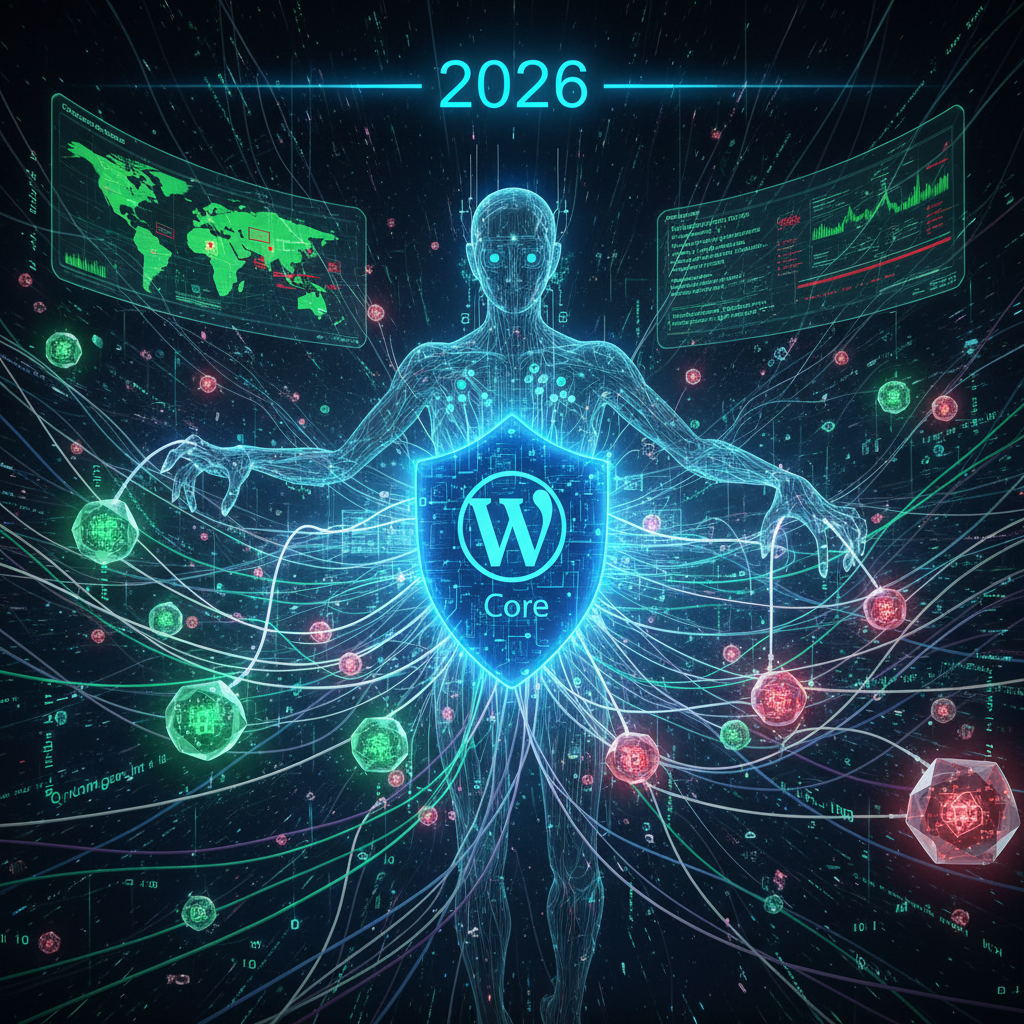
As the digital landscape evolves at an unprecedented pace, the specter of quantum computing looms large over current encryption standards. For the millions of websites powered by WordPress, the question of resilience against these new threats is paramount. This article delves into the critical area of WordPress quantum cryptography, exploring the emerging plugins and strategies designed to future-proof your site against the computational prowess of quantum machines. We’ll analyze how the WordPress plugin ecosystem is beginning to adapt to this cryptographic shift in 2026, examining both the innovations and potential pitfalls.
The Impending Quantum Threat: Why WordPress Quantum Cryptography Matters Now
The year 2026 marks a pivotal moment in cybersecurity discussions, where the theoretical capabilities of quantum computers are increasingly translating into tangible concerns. Traditional public-key cryptography, the bedrock of internet security, is vulnerable to algorithms like Shor's and Grover's, which can break current encryption methods with alarming efficiency. This doesn't just affect banking or national security; every piece of encrypted data, from user login credentials to e-commerce transactions on WordPress sites, could be at risk.
- Shor's Algorithm: Capable of factoring large numbers exponentially faster than classical computers, threatening RSA and ECC.
- Grover's Algorithm: Speeds up database searches, potentially weakening symmetric encryption like AES.
- The "Harvest Now, Decrypt Later" Threat: Malicious actors could be collecting encrypted data today, intending to decrypt it once quantum computers are mature enough.
Understanding this threat is the first step towards implementing robust defenses. For WordPress site owners, neglecting this issue could lead to catastrophic data breaches and loss of user trust. The proactive adoption of WordPress quantum cryptography solutions is no longer a niche concern but a strategic imperative. For further insights into foundational security, explore The Silent Storytellers: Unmasking Digital Forensics & Incident Response in WordPress Plugins (2026).
The Current State of Post-Quantum Cryptography (PQC) Standards
Global cryptographic bodies, such as the National Institute of Standards and Technology (NIST), have been actively researching and standardizing new cryptographic algorithms designed to withstand quantum attacks. These post-quantum cryptography (PQC) standards are still in various stages of development and deployment. However, early implementations are already appearing, and the WordPress community is starting to take note.
NIST's selection process has identified several promising algorithms:
- Kyber: A lattice-based key encapsulation mechanism (KEM), suitable for securing Transport Layer Security (TLS).
- Dilithium: A lattice-based digital signature algorithm, crucial for authenticating data and communications.
- SPHINCS+: A hash-based signature scheme, offering strong long-term security guarantees.
Integrating these complex algorithms into existing web infrastructure, especially a dynamic platform like WordPress, presents unique challenges and opportunities. For additional information on cryptographic advances, consider the implications of The Silent Cryptographers: Unmasking WordPress Plugins Orchestrating WebAuthn & FIDO2 for Passwordless Authentication in 2026.
Evaluating Emerging Plugins for WordPress Quantum Cryptography
The WordPress plugin ecosystem is renowned for its ability to rapidly adapt to new technological demands. Consequently, a new category of plugins is beginning to emerge, focusing on integrating post-quantum cryptographic primitives. While still in nascent stages, these "silent sentinels" are designed to modulate existing security layers with quantum-resistant capabilities. When evaluating such plugins, several key factors must be considered.
Functionality and Implementation Approaches
The core functionality of these plugins typically revolves around replacing or enhancing existing cryptographic routines with quantum-resistant alternatives. This can manifest in several ways:
- TLS/SSL Integration: Some plugins aim to integrate PQC algorithms into the TLS handshake process, ensuring that communication between the browser and the WordPress server is quantum-safe. This often involves working with server-level configurations or using proxies.
- Data Encryption: For stored data, plugins might offer PQC-based encryption for sensitive database fields, media files, or user data. This is particularly relevant for e-commerce sites or those handling personal identifiable information (PII).
- Digital Signatures: Implementing PQC digital signatures can secure updates, ensure the integrity of themes and plugins, and authenticate user actions, preventing tampering.
The effectiveness of these implementations is crucial, and site owners must scrutinize how these plugins interact with core WordPress functions and other security layers.
Potential Risks Introduced by New Cryptography Plugins
While the promise of quantum-resistant security is compelling, introducing new, complex cryptographic plugins carries inherent risks. The WordPress community thrives on extensibility, but this also means exposure to potential vulnerabilities:
- Security Vulnerabilities: New cryptographic implementations are complex and prone to bugs. Unaudited or poorly coded plugins could introduce backdoors, side-channel attacks, or incorrect algorithm implementations, weakening security rather than strengthening it.
- Performance Issues: Post-quantum cryptographic algorithms often have larger key sizes and require more computational resources than their classical counterparts. Poorly optimized plugins could lead to significant slowdowns, impacting user experience and The Silent Conductors: How WordPress Plugins Are Remodelling Client-Side Resource Management & Performance in 2026.
- Compatibility Problems: WordPress thrives on a vast ecosystem of themes and plugins. New cryptographic components might conflict with existing security plugins, caching solutions, or even core WordPress functionalities, leading to site breakage or unexpected behavior.
- Outdated Code and Lack of Maintenance: The PQC landscape is rapidly evolving. Plugins must be consistently updated to reflect the latest standards and address any discovered vulnerabilities. An abandoned or infrequently updated PQC plugin can quickly become a liability.
Site administrators must exercise extreme caution and conduct thorough testing before deploying any plugin claiming to provide WordPress quantum cryptography capabilities.
Best Practices for Implementing WordPress Quantum Cryptography Solutions
As we navigate the path towards a quantum-resistant internet, adopting a strategic and cautious approach to WordPress quantum cryptography is essential. It's not just about installing a plugin; it's about integrating a robust security posture.
Strategic Planning and Phased Rollout
Given the complexity and novelty of PQC, a phased rollout is highly recommended. This involves:
- Assessment: Identify sensitive data and critical communication channels on your WordPress site that require quantum-resistant protection.
- Testing Environment: Always test PQC plugins thoroughly in a staging environment before deploying to a live site. Monitor performance, compatibility, and error logs meticulously.
- Expert Consultation: Consider consulting with cybersecurity experts specializing in PQC to ensure proper implementation and configuration. The National Institute of Standards and Technology (NIST) provides foundational research and recommendations on PQC, which can be a valuable resource: NIST Post-Quantum Cryptography Project.
- Stay Informed: Keep abreast of NIST's PQC standardization process and new developments in the field.
Premature or unverified adoption could do more harm than good.
The Importance of Secure Plugin Development and Audits
For plugin developers, the responsibility is immense. Building plugins for WordPress quantum cryptography demands the highest standards of security and code quality.
- Code Auditing: Regular, independent security audits of PQC plugins are critical to identify vulnerabilities and ensure correct algorithm implementation. Information on secure coding practices can be found at resources like OWASP: OWASP Top 10.
- Transparent Practices: Developers should be transparent about the PQC algorithms used, their implementation details, and any known limitations or performance considerations.
- Community Collaboration: Engaging with the broader cryptographic and WordPress security communities can help identify and address issues more quickly.
- Dedicated Maintenance: Due to the evolving nature of PQC, continuous maintenance and timely updates are non-negotiable.
Site owners should prioritize plugins from reputable developers with a strong security track record and transparent development processes.
Beyond Plugins: A Holistic Approach to Quantum Safety in WordPress
While plugins offer specific solutions for WordPress quantum cryptography, a truly resilient strategy requires a broader perspective. The "quantum-safe" journey is multi-faceted and extends beyond individual components.
Consider the following complementary measures:
- Server-Level PQC: Explore if your web hosting provider offers PQC-enabled TLS certificates or configurations. This offers a foundational layer of quantum resistance.
- Regular Security Audits: Comprehensive security audits of your entire WordPress installation, including themes, plugins, and custom code, are crucial regardless of PQC implementation.
- Strong Authentication: Implement multi-factor authentication (MFA) and strong, unique passwords for all users and administrative accounts. Learn more about advanced authentication in The Silent Gestures: Unmasking WordPress Plugins Orchestrating Biometric Input & User Authentication in 2026.
- Data Minimization: Only collect and store the data absolutely necessary. Less data means fewer targets for quantum adversaries. Principles of data minimization are detailed further in The Silent Mnemocytes: Unmasking Digital Forgetting & Data Minimization in WordPress Plugins (2026).
- Backup and Recovery: Maintain robust backup and disaster recovery plans, ensuring data integrity and availability even in the face of sophisticated attacks.
WordPress quantum cryptography is an important piece of the puzzle, but it complements, rather than replaces, fundamental cybersecurity practices. The goal is to build layers of defense that can withstand current and future threats.
The Future of WordPress Quantum Cryptography and the Road Ahead
The year 2026 represents a significant milestone in the journey towards ubiquitous quantum resilience. As NIST standards solidify and quantum hardware advances, we can expect a rapid acceleration in the development and adoption of WordPress quantum cryptography solutions.
The coming years will likely see:
- Increased Plugin Sophistication: More integrated and user-friendly PQC plugins will emerge, making quantum safety more accessible to the average WordPress user.
- Browser and Server Support: Major web browsers and server technologies will increasingly support PQC algorithms, simplifying client-side and infrastructure-level adoption. For current browser security trends, refer to web browser vendor guidelines, such as those from Google Chrome: Chromium Project.
- Hybrid Cryptography: A common transitional strategy will be hybrid cryptography, where classical and post-quantum algorithms are used in conjunction, providing security against both classical and quantum attacks simultaneously.
- Education and Awareness: A heightened focus on educating WordPress users and developers about the quantum threat and how to mitigate it.
Staying ahead of the curve requires continuous learning and proactive adaptation. WordPress, as a dominant force in the web, has a critical role to play in shaping a quantum-resilient internet. By understanding the challenges and embracing the emerging solutions, site owners can ensure their digital presence remains secure for years to come.
Frequently Asked Questions

Written by Aras Akıncılar
Uzun yıllara dayanan WordPress deneyimine sahip bir siber güvenlik uzmanı olarak, eklenti ekosisteminin derinlemesine analizine odaklanıyorum. Güvenlik açıkları, performans düşüşleri ve uyumluluk sorunları üzerine hazırladığım makalelerle, WordPress kullanıcılarının sitelerini daha güvenli ve verimli hale getirmelerine yardımcı olmayı hedefliyorum.