Embracing WordPress Green Hosting: A Deep Dive into Your Digital Carbon Footprint in 2026
In 2026, as digital transformation continues at an unprecedented pace, the discussion around sustainability has extended firmly into the online realm. One critical area often overlooked by website owners is their digital carbon footprint. Understanding and mitigating this impact starts with conscious choices. A significant step toward a more eco-friendly online presence is adopting WordPress green hosting. This comprehensive guide will explore how various elements, particularly plugins, dictate your site’s environmental impact and how to optimize for a greener future.
The Imperative of WordPress Green Hosting in 2026
The internet consumes a staggering amount of energy. Data centers alone account for an estimated 1-2% of global electricity use, a figure projected to rise. As environmental concerns escalate, businesses and individuals are increasingly seeking ways to reduce their carbon emissions. For WordPress users, this means looking beyond just efficient code, and considering the very infrastructure that powers their sites.
WordPress green hosting providers actively invest in renewable energy sources, carbon offsetting programs, and energy-efficient hardware. These efforts significantly reduce the environmental impact of your website. Choosing a green host isn't just about environmental responsibility; it also offers tangible benefits. Many green hosts are at the forefront of technology, often providing faster, more reliable services due to their optimized infrastructure. This aligns perfectly with modern SEO practices, rewarding sites that offer excellent user experience. Furthermore, aligning your brand with sustainable practices resonates positively with an increasingly eco-conscious audience, enhancing your brand image and attracting new visitors. To delve deeper into optimizing user engagement, consider reading about auditing WordPress plugins for advanced user engagement.
Understanding Your Site's Energy Consumption with Green Hosting
Every interaction with your website, from a page load to a database query, consumes energy. This energy translates directly into a carbon footprint. The sheer volume of data transferred, processed, and stored contributes to this ecological impact. While server-side optimizations play a crucial role, the design and functionality of your WordPress site itself are equally important.
Factors like large image files, unoptimized videos, and inefficient code all demand more resources from the server and the user's device. Recognizing these energy drains is the first step towards a more sustainable website. By making informed decisions about your site's architecture and content, you can significantly reduce its environmental overhead, bolstering the effectiveness of your WordPress green hosting choice.
WordPress Plugins: Silent Conductors of Your Digital Carbon Footprint
WordPress plugins are powerful tools that extend the functionality of your website. However, they are also silent conductors of your digital carbon footprint. Each plugin adds code, database queries, and often external scripts that demand server resources. While essential for many features, a poorly chosen or optimized plugin can drastically increase your site's energy consumption and consequently, its carbon footprint.
In 2026, the WordPress plugin ecosystem is vast and constantly evolving. With over 60,000 plugins available, selecting the right ones requires careful consideration. A critical part of plugin evaluation is understanding their efficiency and how they interact with your server and other installed plugins. For instance, excessive or poorly coded plugins can lead to slower loading times, higher CPU usage, and increased database calls. All of these contribute to a larger energy demand. For insights into ensuring plugin security, you might find value in understanding how to audit WordPress plugins for API security.
Common Plugin-Related Threats to Sustainability and Performance
- Outdated Code: Plugins that haven't been updated in years often contain inefficient code, security vulnerabilities, and compatibility issues. This can lead to increased server load and potential breaches, both of which require additional energy for resolution or prevention. You can learn more about identifying these issues by reading on unearthing latent technical debt in WordPress plugins.
- Insecure Configurations: Poorly configured plugins can expose your site to attacks, which demand extra server resources for security protocols and incident response. This adds unnecessary energy consumption. For further reading, consider understanding digital identity and authentication risks in WordPress plugins.
- Excessive Permissions: Plugins requesting more permissions than necessary can open up security holes. These vulnerabilities can lead to compromised servers, requiring more processing power for defense and recovery.
- Third-Party Dependencies: Many plugins rely on external APIs or services. Each call to an external resource adds latency and consumes energy, both on your server and the remote server.
- Bloated Functionality: Plugins that offer a multitude of features you don't use still load all their code, adding unnecessary weight to your site. This "feature bloat" directly translates to increased resource usage.
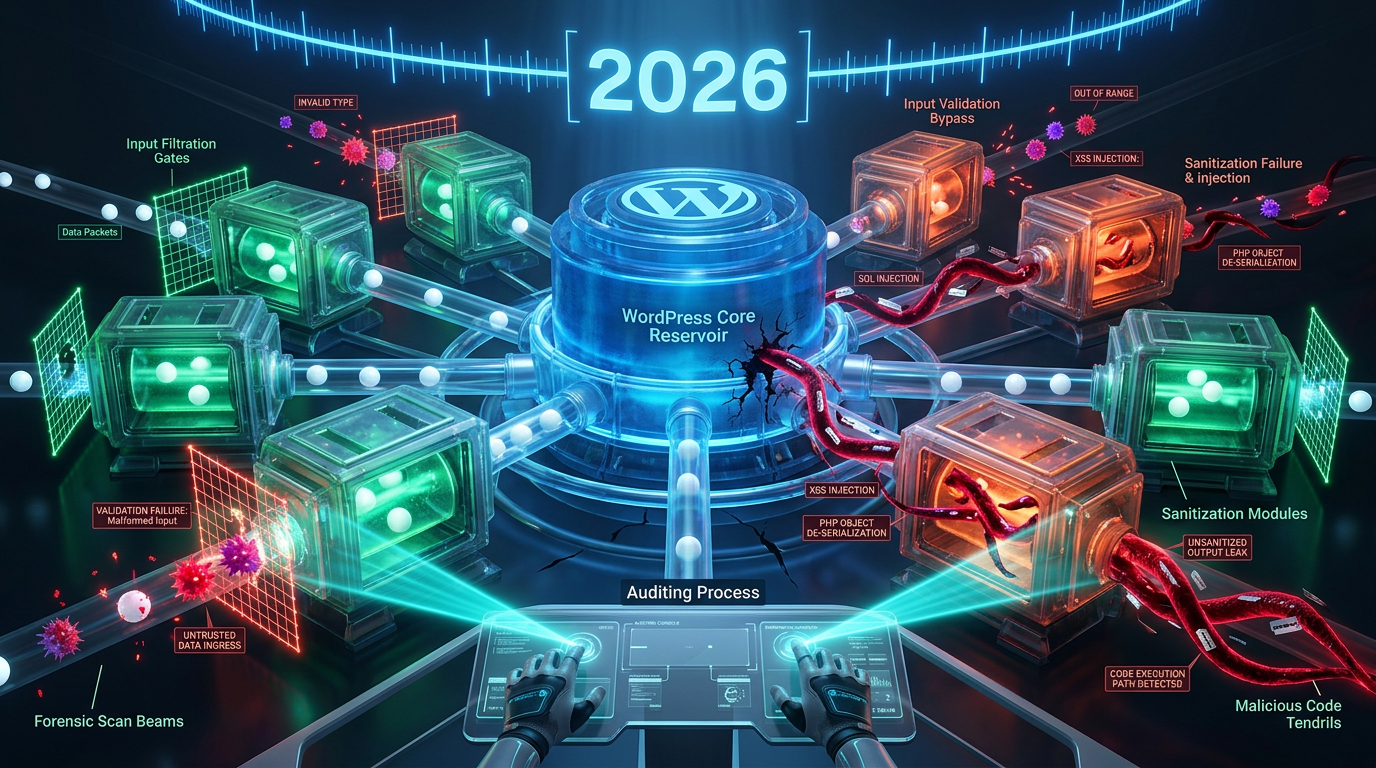
These threats highlight the importance of regularly reviewing and auditing your installed plugins. Consequently, removing unnecessary plugins and replacing inefficient ones with optimized alternatives is crucial for a lean, high-performing, and sustainable website hosted on WordPress green hosting.
Choosing Eco-Friendly Plugins for WordPress Green Hosting
When selecting plugins, always consider their impact on performance and resource usage. Prioritize plugins that are lightweight, well-coded, and regularly updated. Look for developers who are transparent about their plugin's performance metrics and security practices. For example, some caching plugins are more efficient than others, significantly reducing server load by serving cached versions of your pages.
Consider plugins that offer modular functionality, allowing you to enable only the features you need. This approach avoids loading unnecessary code and assets, making your site more agile and efficient. Tools that help optimize images, minify CSS and JavaScript, or manage database clean-up can also contribute significantly to reducing your site's energy demands, complementing your choice of WordPress green hosting.
Best Practices for Sustainable Plugin Management in 2026
- Perform Regular Audits: Periodically review all installed plugins. Deactivate and delete any plugins you no longer use or that provide redundant functionality.
- Check Plugin Updates: Always keep your plugins updated to their latest versions. Updates often include performance improvements, bug fixes, and security patches that can reduce resource consumption.
- Monitor Performance: Use tools like Google PageSpeed Insights, GTmetrix, or Pingdom to monitor your site’s performance. Pay attention to metrics like page load time and server response time, which can indicate inefficient plugins. For further insights into performance optimization, exploring how WordPress plugins harness AI for proactive performance optimization can be beneficial.
- Read Reviews and Documentation: Before installing a new plugin, read user reviews and check the developer's documentation for any known performance issues or resource-intensive features.
- Test in a Staging Environment: Always test new plugins or significant updates in a staging environment before deploying them to your live site to prevent unforeseen performance issues.
The Future-Forward Approach: Combining WordPress Green Hosting with Plugin Optimization
The most effective strategy for reducing your digital carbon footprint in 2026 is a synergistic approach. This involves combining WordPress green hosting with diligent plugin optimization. A green host provides the eco-friendly foundation, while optimized plugins ensure that the resources provided by that host are used as efficiently as possible. This dual focus creates a powerful pathway to a truly sustainable online presence.
As technology advances, so too will opportunities for further reducing digital energy consumption. Expect to see more advanced AI-powered tools that can intelligently optimize website assets and code in real-time. The industry is also moving towards more transparent reporting of carbon emissions from hosting providers, allowing for even more informed choices. By staying abreast of these developments and continuously striving for efficiency, you can ensure your WordPress site remains both high-performing and environmentally responsible. For a deeper understanding of web sustainability and its impact, consider exploring resources like Website Carbon Calculator, which estimates the carbon emissions of individual web pages, or the Green Web Foundation, which campaigns for a fossil-free internet.
Ultimately, a sustainable web is a shared responsibility. By making informed decisions about your hosting and plugin choices, you contribute to a cleaner, greener internet for everyone. The journey towards a carbon-neutral digital world begins with individual actions. Choosing WordPress green hosting alongside thoughtful plugin management is a significant step in the right direction. Additionally, for a broader perspective on sustainable digital practices, you may find the insights from World Wide Waste illuminating.
Frequently Asked Questions

Written by Aras Akıncılar
Uzun yıllara dayanan WordPress deneyimine sahip bir siber güvenlik uzmanı olarak, eklenti ekosisteminin derinlemesine analizine odaklanıyorum. Güvenlik açıkları, performans düşüşleri ve uyumluluk sorunları üzerine hazırladığım makalelerle, WordPress kullanıcılarının sitelerini daha güvenli ve verimli hale getirmelerine yardımcı olmayı hedefliyorum.