The Silent Symbiotes: How WordPress Plugins Are Harnessing AI for Proactive WordPress Performance Optimization in 2026
In the fast-evolving digital landscape of 2026, efficient website loading times are no longer just a nicety; they are a critical determinant of user experience, search engine rankings, and ultimately, conversion rates. This makes WordPress performance optimization a top priority for any website owner or developer. Far from being a static process, performance tuning has been revolutionized by the integration of artificial intelligence into WordPress plugins. These "silent symbiotes" are now proactively identifying bottlenecks, predicting issues, and seamlessly implementing solutions, transforming how we approach website speed.
For a deeper dive into how AI is also transforming plugin development itself, explore The Silent Augmenters: How WordPress Plugins Are Leveraging AI for Advanced Code Generation & Self-Optimization in 2026.
The Evolving Landscape of WordPress Performance Optimization
The demands on WordPress websites continue to grow, with richer content, dynamic features, and higher user expectations. Traditional methods of performance optimization, while still relevant, often require significant manual intervention and deep technical expertise. As we progress through 2026, new challenges emerge, including increasingly complex codebases, larger media files, and sophisticated third-party integrations.
This complexity has paved the way for AI-driven solutions. These intelligent plugins don't just react to problems; they anticipate them, offering a level of proactive management that was previously unattainable. Understanding this shift is key to maintaining a competitive edge in today's digital environment, especially concerning WordPress performance optimization.
The Need for Speed in 2026
User patience is at an all-time low. Studies from early 2026 indicate that websites taking longer than 2-3 seconds to load experience significantly higher bounce rates. Furthermore, Google's continuous refinement of its ranking algorithms heavily favors sites offering a superior user experience, with page speed being a cornerstone of that experience. Therefore, mastering WordPress performance optimization is not optional but essential for SEO success.
Beyond engagement and SEO, faster websites also contribute to lower hosting costs due to optimized resource usage and a more efficient server footprint. The benefits ripple across the entire digital operation.
Traditional Optimization vs. AI-Driven Approaches
Historically, WordPress performance optimization involved a checklist of tasks: image compression, caching, database cleanup, minification of CSS/JS, and CDN implementation. While effective, these methods often required a piecemeal approach, frequently monitored and adjusted manually. AI, however, introduces continuous, adaptive optimization.
- Traditional: Reactive, manual, rule-based, potentially time-consuming.
- AI-Driven: Proactive, automated, adaptive, pattern-based, real-time adjustments.
This fundamental shift allows site administrators to focus on content and strategy, while the AI handles the intricate details of maintaining peak performance, significantly enhancing overall WordPress performance optimization.
AI-Powered Plugins: Game Changers for WordPress Performance Optimization
The advent of AI in WordPress plugins has ushered in a new era for website maintenance. These sophisticated tools leverage machine learning algorithms to analyze patterns, predict issues, and implement real-time adjustments without human intervention. This automatic optimization capability fundamentally changes how businesses approach sustained website speed and efficiency.
AI-powered plugins for WordPress performance optimization can monitor hundreds of data points concurrently, from server response times and database query efficiency to user interaction patterns and resource utilization. This comprehensive data analysis allows them to make informed decisions that go beyond simple rule-based optimizations, leading to truly dynamic performance improvements.
Predictive Caching Mechanisms
One of the most impactful applications of AI in performance plugins is in predictive caching. Instead of simply caching static pages, AI algorithms learn user navigation patterns, popular content, and peak traffic times. Based on this intelligence, they can pre-emptively cache content more efficiently, serving it faster to users even before they explicitly request it.
This predictive capability dramatically reduces server load during traffic spikes and ensures that frequently accessed pages are always delivered with minimal latency. It's a proactive step that conventional caching can't match, further boosting WordPress performance optimization efforts.
Smart Resource Loading and Dependency Management
AI-driven plugins excel at identifying and optimizing the loading order of scripts, stylesheets, and fonts. They can dynamically defer non-critical resources, prioritize above-the-fold content, and even intelligently unload unused assets based on individual page requirements. This significantly reduces render-blocking issues and improves perceived page load speed.
Furthermore, these plugins can analyze plugin and theme dependencies, highlighting potential conflicts or redundancies that contribute to bloat. They offer recommendations or even automated adjustments to streamline resource utilization, which is crucial for holistic WordPress performance optimization.
Database Optimization and Query Analysis
A frequently overlooked aspect of poor performance is an inefficient or bloated database. AI-powered tools can analyze database query performance, identify slow queries, and suggest index improvements. They can also automate the cleanup of transients, post revisions, and orphaned data, keeping the database lean and responsive.
By understanding usage patterns, AI can optimize database structure over time, ensuring that data retrieval remains swift as the site grows. This deep-level optimization is a cornerstone of robust WordPress performance optimization.
For more insights into managing internal plugin health, consider exploring The Silent Archaeologists: Unearthing Latent Technical Debt in WordPress Plugins (2026).
Common Risks and How AI Helps Mitigate Them
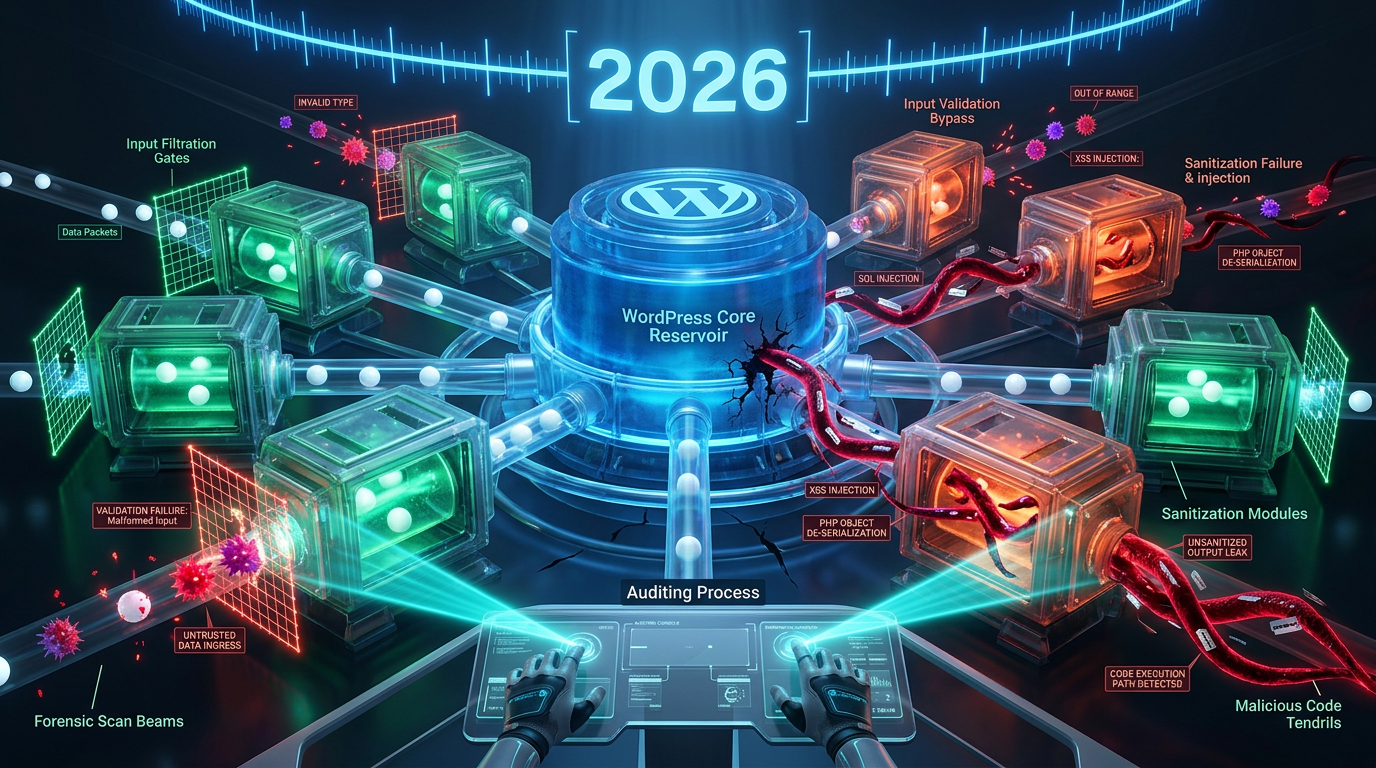
While plugins are essential for extending WordPress functionality, they also introduce potential risks: security vulnerabilities, performance degradation, and compatibility issues. The project's focus here is particularly critical, as each additional plugin can be a double-edged sword. AI-driven solutions are emerging as vital tools in understanding and proactively managing these risks, transforming them into opportunities for robust WordPress performance optimization and security.
Addressing these risks is paramount for maintaining a stable and high-performing website. AI-enabled plugins not only identify existing problems but also predict potential future issues based on code analysis and behavioral patterns.
Identifying Outdated Code and Insecure Configurations
One of the most common threats is outdated plugin code, which often contains known vulnerabilities. AI plugins can continuously scan installed plugins and themes, cross-referencing their versions with known vulnerability databases. They can alert administrators to outdated components and even suggest or automatically apply patches where safe to do so.
Beyond version checks, AI can analyze configurations for common security missteps, such as overly permissive file permissions or insecure API key storage, offering real-time recommendations for hardening the site's security posture. This proactive security is inextricably linked to overall WordPress performance optimization.
To further enhance understanding of secure configurations, consider reviewing current industry standards on OWASP Top 10, which highlights critical web application security risks.
Managing Excessive Permissions and Third-Party Dependencies
Many plugins request more permissions than they strictly need, which can be a security risk. AI-powered tools are now capable of analyzing plugin behavior in a sandbox environment to flag excessive permission requests. They can provide insights into what resources a plugin accesses and identify suspicious activities.
Furthermore, AI can map out third-party dependencies, alerting administrators to external scripts or services that might introduce performance lags or security vulnerabilities, thereby ensuring transparent and secure resource management crucial for WordPress performance optimization.
Detecting Compatibility Problems and Performance Bottlenecks
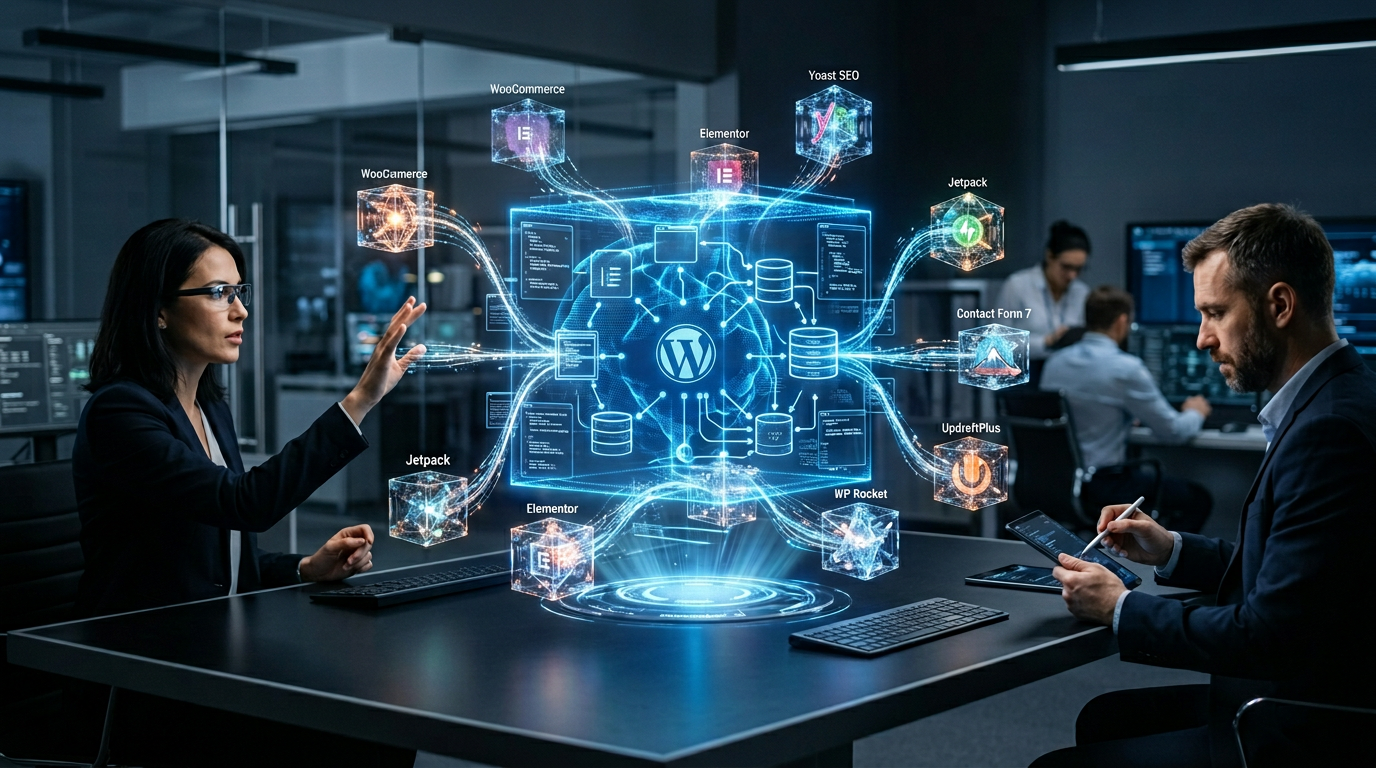
The more plugins a WordPress site uses, the higher the chance of compatibility conflicts, leading to errors, broken functionality, or severe performance drops. AI testing environments can simulate plugin interactions, predicting potential conflicts before they go live on a production site.
When it comes to performance, AI can identify specific code snippets or database queries introduced by a plugin that are causing bottlenecks, offering precise recommendations for optimization or alternatives. This granular analysis is a significant leap forward in maintaining website health and ensuring continuous WordPress performance optimization.
For comprehensive security against sophisticated threats, delving into The Silent Cartel: Unmasking Supply Chain Attacks & Software Bill of Materials (SBOM) in WordPress Plugins (2026) provides crucial context on mitigating external risks.
Best Practices for Leveraging AI for Superior WordPress Performance Optimization
While AI-powered plugins offer transformative capabilities, their effectiveness is amplified when integrated with sound web development practices. It's not just about installing an AI plugin; it's about making informed decisions, understanding the insights provided, and maintaining a robust website environment that allows these tools to flourish. Prioritizing WordPress performance optimization starts with a holistic approach.
Adopting these best practices ensures that the benefits of AI are fully realized, leading to a consistently fast, stable, and secure WordPress website in 2026 and beyond.
Choosing the Right AI-Driven Performance Plugins
The market for AI-powered WordPress plugins is growing rapidly. When selecting one, consider factors such as:
- Reputation and Reviews: Opt for plugins with strong positive reviews and a track record of consistent updates and support.
- Specific Features: Look for features that address your particular performance pain points, whether it's image optimization, caching, or database management.
- Compatibility: Ensure the plugin is compatible with your current WordPress version, theme, and other essential plugins to avoid conflicts.
- Data Transparency: Understand what data the plugin collects and how it uses it, especially if it involves sending site data to external AI services.
A well-chosen plugin can be the cornerstone of effective WordPress performance optimization.
Regular Monitoring and Analysis of AI Insights
AI provides insights, but human oversight remains crucial. Regularly review the reports generated by your AI performance plugins. Understand their recommendations, even if they automate the fixes. This helps you grasp the underlying issues and make more strategic decisions about your website's architecture.
Pay attention to trends in performance metrics. Are there specific times of day or types of content that consistently cause dips? AI can highlight these patterns, enabling you to refine your content delivery strategy and further enhance WordPress performance optimization.
Maintaining a Clean and Up-to-Date WordPress Environment
AI works best with a well-maintained foundation. Ensure your WordPress core, themes, and plugins are always updated to their latest versions. Remove any unused themes or plugins, as they can introduce unnecessary code and potential vulnerabilities. A lean and current environment allows AI to focus its optimization efforts on truly impactful areas.
Periodically audit your database for unnecessary data. While AI plugins can assist, manual checks ensure nothing is overlooked. This proactive maintenance routine complements AI's capabilities, leading to superior WordPress performance optimization.
For more detailed practices on securing your WordPress environment, consult reputable sources like WordPress.org's Hardening WordPress guide.
The Future of WordPress Performance Optimization with AI in 2026 and Beyond
As we navigate through 2026, the trajectory of AI integration into WordPress performance optimization points toward increasingly autonomous, intelligent, and personalized solutions. The "silent symbiotes" are poised to become even more sophisticated, offering a level of website management that moves beyond mere speed improvements to encompass a predictive and truly adaptive online experience. The continuous advancements in machine learning and data processing power will unlock new frontiers for website efficiency and user satisfaction.
The goal is to create truly self-optimizing websites that require minimal human intervention, freeing up website owners and developers to focus on innovation and content creation. The future of WordPress performance optimization is bright, powered by intelligent automation.
Hyper-Personalized User Experiences
Future AI could dynamically adjust website elements, content delivery, and even UI components based on individual user behavior and preferences, optimizing not just for speed but for engagement and conversion. This goes beyond simple caching; it involves real-time adaptation of the entire user journey.
Imagine a website that anticipates questions, pre-loads relevant product images, and tailors calls to action based on a user's browsing history and inferred intent – all happening in milliseconds, seamlessly powered by AI-driven WordPress performance optimization.
Advanced Threat Detection and Self-Healing Capabilities
The convergence of AI for performance and security will continue. Future plugins will likely offer even more advanced threat detection, identifying anomalies and potential attacks with greater precision. Crucially, they could also implement self-healing mechanisms, automatically mitigating common issues like broken links, script errors, or even certain types of cyber-attacks, all while maintaining peak performance.
This holistic approach ensures that a website is not only fast but also resilient and secure, further solidifying the importance of AI in comprehensive WordPress performance optimization.
For a glimpse into the cutting-edge of AI in security, see The Silent Chameleons: How WordPress Plugins Are Leveraging AI for Adaptive Security & Personalized Defense in 2026.
Integration with Edge Computing and Serverless Architectures
As web architectures evolve, AI performance plugins will likely integrate more deeply with edge computing and serverless functions. This will allow for even faster content delivery by processing data closer to the user and dynamically scaling resources based on demand, pushing the boundaries of what's possible for website speed and efficiency. The synergy between AI and these modern infrastructures will define the next generation of WordPress performance optimization.
Frequently Asked Questions

Written by Aras Akıncılar
Uzun yıllara dayanan WordPress deneyimine sahip bir siber güvenlik uzmanı olarak, eklenti ekosisteminin derinlemesine analizine odaklanıyorum. Güvenlik açıkları, performans düşüşleri ve uyumluluk sorunları üzerine hazırladığım makalelerle, WordPress kullanıcılarının sitelerini daha güvenli ve verimli hale getirmelerine yardımcı olmayı hedefliyorum.