The Silent Storytellers: Unmasking WordPress Plugins as Micro-CMSs & Their Security Footprint in 2026
In the vast and ever-evolving landscape of web development, WordPress continues to dominate, powering over 43% of all websites globally as of early 2026. A significant portion of this immense popularity stems from its highly extensible nature, primarily through its plugin ecosystem. Often overlooked, many of these plugins function as sophisticated micro-CMSs, silently managing specific content types, user interactions, and data flows within a larger WordPress installation. Understanding the critical role of WordPress plugin micro-CMS security is paramount in 2026, as these smaller, specialized content management systems inherently introduce unique security considerations that can profoundly impact the overall integrity and safety of a website.
The Evolution of WordPress Plugins into Micro-CMSs
Gone are the days when a WordPress plugin simply added a shortcode or a simple widget. Today, many plugins are standalone applications integrated within WordPress, offering robust content creation, management, and display functionalities for specific niches.
These "silent storytellers" often handle their own databases, user roles, APIs, and even templating systems, effectively operating as miniature content management systems. This evolution, while incredibly powerful, significantly expands the attack surface for potential vulnerabilities.
What Defines a Plugin as a Micro-CMS?
- Dedicated Content Types: Plugins that introduce custom post types (CPTs) beyond standard posts and pages, like product listings, event calendars, or job boards.
- Independent Data Storage: Utilizing custom database tables or complex meta-data structures to manage their specific content.
- Frontend & Backend Management: Offering both dashboard interfaces for content creation/editing and public-facing display mechanisms.
- User Interaction & Permissions: Implementing their own user roles, capabilities, and front-end forms for user submissions or interactions. For a deeper dive into how plugins manage these, explore WordPress Plugin Permissions & Privilege Elevation in 2026.
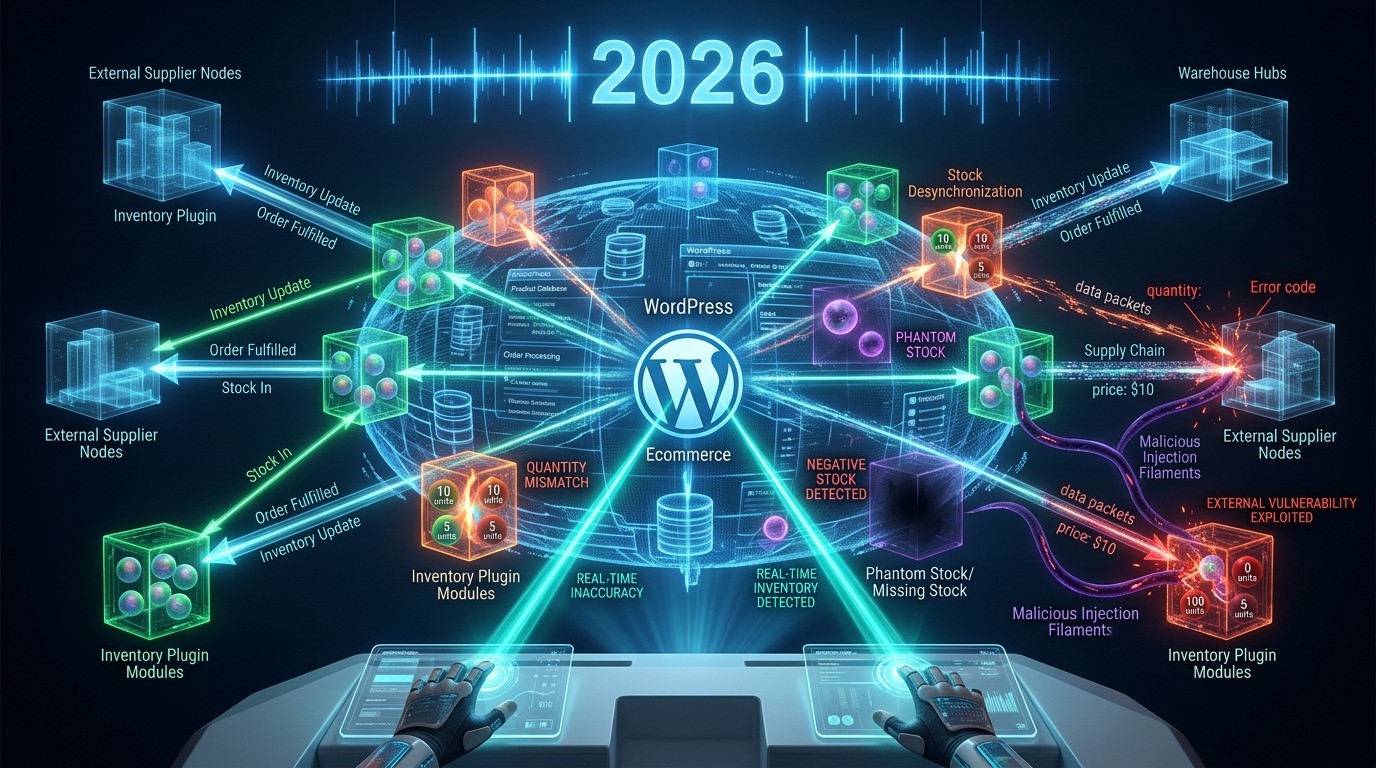
- API Integrations: Often connecting to third-party services or providing their own APIs for data exchange. Understanding these complex connections is vital, as discussed in How WordPress Plugins Dictate API Integrations & External Data Flow in 2026.
Recognizing a plugin as a micro-CMS is the first step toward appreciating the complexity and importance of robust WordPress plugin micro-CMS security practices.
Common Security Threats to WordPress Plugin Micro-CMSs in 2026
The intricate nature of micro-CMS plugins means they are susceptible to a broader range of threats compared to simpler plugins. As we move further into 2026, attackers are increasingly targeting these complex components.
Neglecting these areas can lead to significant data breaches, website defacement, or complete compromise.
Outdated Code and Unpatched Vulnerabilities
- Legacy Code: Many complex plugins might carry old codebases that haven't kept pace with modern security standards or PHP versions. This often leads to increased Technical Debt in WordPress Plugins.
- Lack of Timely Updates: Developers might not release security patches promptly, leaving known vulnerabilities exposed for extended periods.
- Dependency Issues: Micro-CMS plugins often rely on third-party libraries; if these external components are not updated, they introduce fresh vulnerabilities. Insights into this can be found at WordPress Plugin Supply Chain Integrity in 2026.
Regularly updating all plugins, especially those functioning as micro-CMSs, is a critical component of strong WordPress plugin micro-CMS security.
Insecure Configurations and Excessive Permissions
A common pitfall is the default installation of plugins with overly permissive settings or an inability to properly secure configurations. This can manifest in several ways:
- Weak Default Credentials: Some plugins might ship with easily guessable default usernames/passwords for their own internal access.
- File Permissions: Incorrect file and folder permissions can allow attackers to upload malicious scripts or modify critical plugin files. Discover more about this specific risk in Hidden Backdoors in WordPress Plugin File System Access (2026).
- Overly Broad User Roles: Granting excessive capabilities to specific user roles within the plugin, even if the primary WordPress role is restricted.
Data Handling and Injection Vulnerabilities
Since micro-CMS plugins handle data meticulously, they are prime targets for various forms of injection attacks and data manipulation.
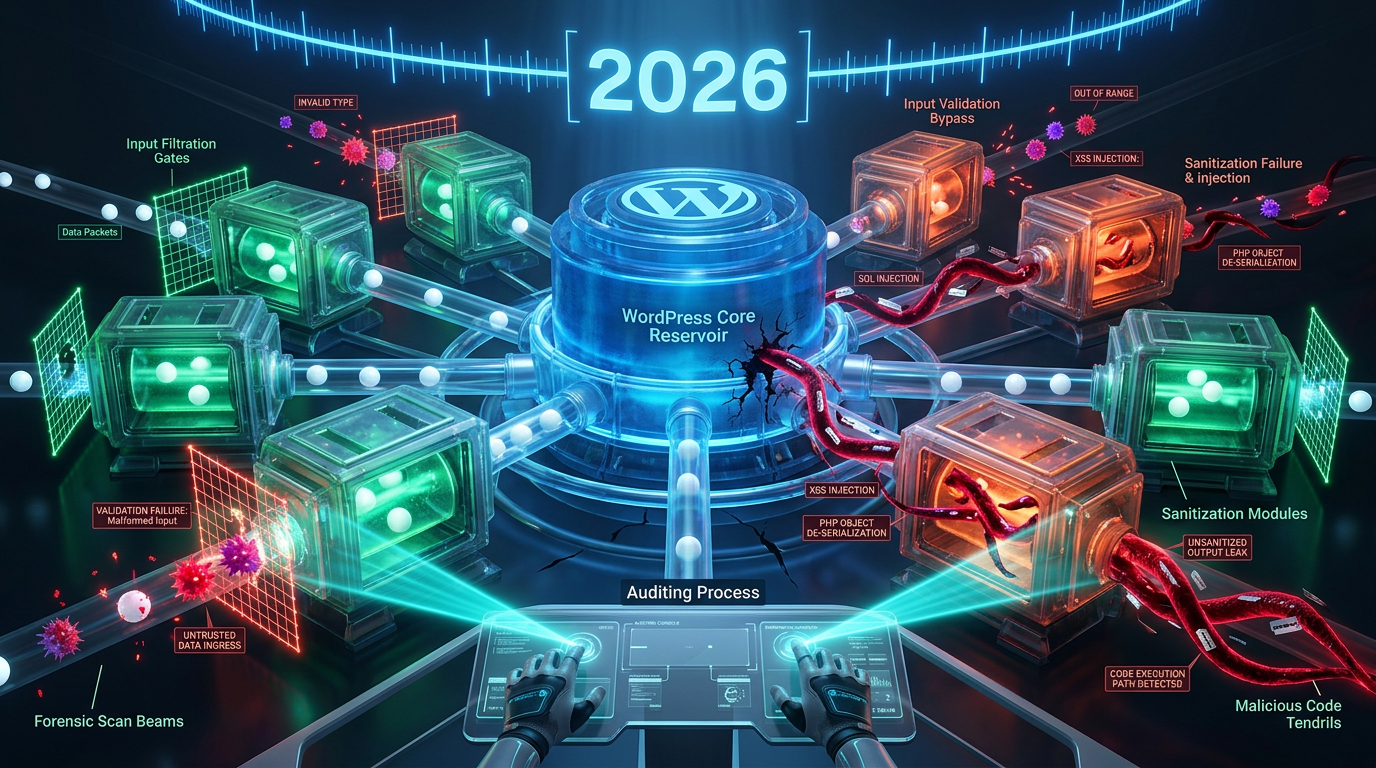
- SQL Injection: If input sanitization and parameterized queries are not adequately implemented, attackers can manipulate database queries. This is particularly dangerous for plugins that create and manage custom database tables.
- Cross-Site Scripting (XSS): Inadequate output escaping can lead to malicious scripts being injected into the website, affecting visitors.
- Insecure Direct Object References (IDOR): Flaws in how the plugin handles object IDs can allow unauthorized access to sensitive data or functionality.
- Broken Access Control: Often, the internal logic for checking user permissions within a micro-CMS plugin can be bypassed, allowing lower-privileged users to perform actions they shouldn't.
Vigilance regarding data handling practices is crucial for robust WordPress plugin micro-CMS security.
Best Practices for Enhancing WordPress Plugin Micro-CMS Security
Mitigating the risks associated with micro-CMS plugins requires a proactive and multi-layered approach. As sophisticated as these plugins are, securing them requires an equally sophisticated strategy.
Choosing Secure Micro-CMS Plugins Wisely
The first line of defense begins before installation. Exercise due diligence when selecting any plugin, especially those that manage significant content or user data.
- Reputation and Reviews: Opt for plugins from reputable developers with a strong track record of security and regular updates. Check recent reviews for any security concerns.
- Active Development: Ensure the plugin is actively maintained and frequently updated. A plugin that hasn't seen updates in over a year is a significant red flag in 2026.
- Security Audits: Look for indications that the plugin has undergone external security audits or bug bounty programs.
- Support & Documentation: Good support and documentation often correlate with better development practices, including security.
Regular Updates and Patch Management
Automate updates for minor versions and schedule regular manual checks for major version updates. Always back up your site before performing significant updates.
- Keep WordPress Core Up-to-Date: A secure foundation is essential.
- Update All Plugins & Themes: Don't neglect other components.
- Monitor Security Bulletins: Subscribe to security alerts from WordPress, plugin developers, and general security news outlets like WPScan Vulnerability Database.
Implementation of Security Tools and Protocols
Beyond individual plugin vigilance, employing overarching security measures is paramount for overall WordPress plugin micro-CMS security.
- Web Application Firewall (WAF): A good WAF can filter malicious traffic before it even reaches your WordPress installation, protecting against common attack vectors like SQL injection and XSS. Cloudflare is a popular option.
- Security Plugins: Install a reputable WordPress security plugin (e.g., Wordfence, Sucuri) for malware scanning, brute-force protection, and activity logging.
- Regular Backups: Implement a robust backup strategy for both files and the database. This is your last line of defense against any compromise. More details on backup best practices can be found at WordPress.org Backups.
- Strong Authentication: Enforce strong passwords and two-factor authentication (2FA) for all WordPress users, especially administrators.
- Principle of Least Privilege: Grant users, and even plugins themselves, only the minimum necessary permissions to perform their functions.
The Future of WordPress Plugin Micro-CMS Security in 2026 and Beyond
As WordPress and its plugin ecosystem continue to evolve, so too will the challenges and solutions in the realm of security. In 2026, we are witnessing a heightened awareness regarding supply chain attacks, where vulnerabilities in third-party components (often found within micro-CMS plugins) can compromise entire systems. This makes the focus on WordPress plugin micro-CMS security more critical than ever.
The trend towards modular and API-driven development within plugins will likely increase, bringing both new efficiencies and new attack vectors. Developers will need to prioritize security by design, incorporating secure coding practices from the outset rather than as an afterthought.
For website owners, staying informed about the latest threats and adopting a proactive security posture will be non-negotiable. Continuous monitoring, regular audits, and an understanding of how each plugin functions as a potential micro-CMS are essential for maintaining a secure and stable WordPress presence in 2026 and well into the future.
The silent storytellers – our WordPress plugins as micro-CMSs – are powerful tools, but with great power comes great responsibility. Ensuring their security is key to the overall health and success of your online endeavors.
Frequently Asked Questions

Written by Aras Akıncılar
Uzun yıllara dayanan WordPress deneyimine sahip bir siber güvenlik uzmanı olarak, eklenti ekosisteminin derinlemesine analizine odaklanıyorum. Güvenlik açıkları, performans düşüşleri ve uyumluluk sorunları üzerine hazırladığım makalelerle, WordPress kullanıcılarının sitelerini daha güvenli ve verimli hale getirmelerine yardımcı olmayı hedefliyorum.