The Silent Conductors: How WordPress Plugins Dictate Third-Party Dependency Loading & Supply Chain Integrity in 2026
In the dynamic digital landscape of 2026, maintaining robust cybersecurity is paramount, especially for websites powered by WordPress. A critical, yet often overlooked, aspect of this security posture is understanding and managing WordPress plugin supply chain integrity. WordPress plugins, while extending functionality exponentially, also act as silent conductors, dictating how third-party dependencies are loaded and can introduce significant risks if their supply chain is compromised. This article delves into the intricate mechanisms by which plugins impact your website's security and offers best practices for safeguarding your digital assets.
Understanding the WordPress Plugin Supply Chain Integrity Challenge
The vast ecosystem of WordPress plugins is a double-edged sword. On one hand, it democratizes web development, allowing users to add complex features without extensive coding knowledge. On the other, each plugin can bring with it a cascade of third-party dependencies – libraries, APIs, and scripts – that are not always transparently managed. This web of interconnected components forms the plugin's supply chain, and any weakness within it can compromise the overall WordPress plugin supply chain integrity of your site.
The Anatomy of a Plugin's Supply Chain
- Direct Dependencies: These are libraries or frameworks explicitly required by the plugin for its core functionality.
- Transitive Dependencies: Often overlooked, these are the dependencies of the direct dependencies, creating a deeper, more complex chain.
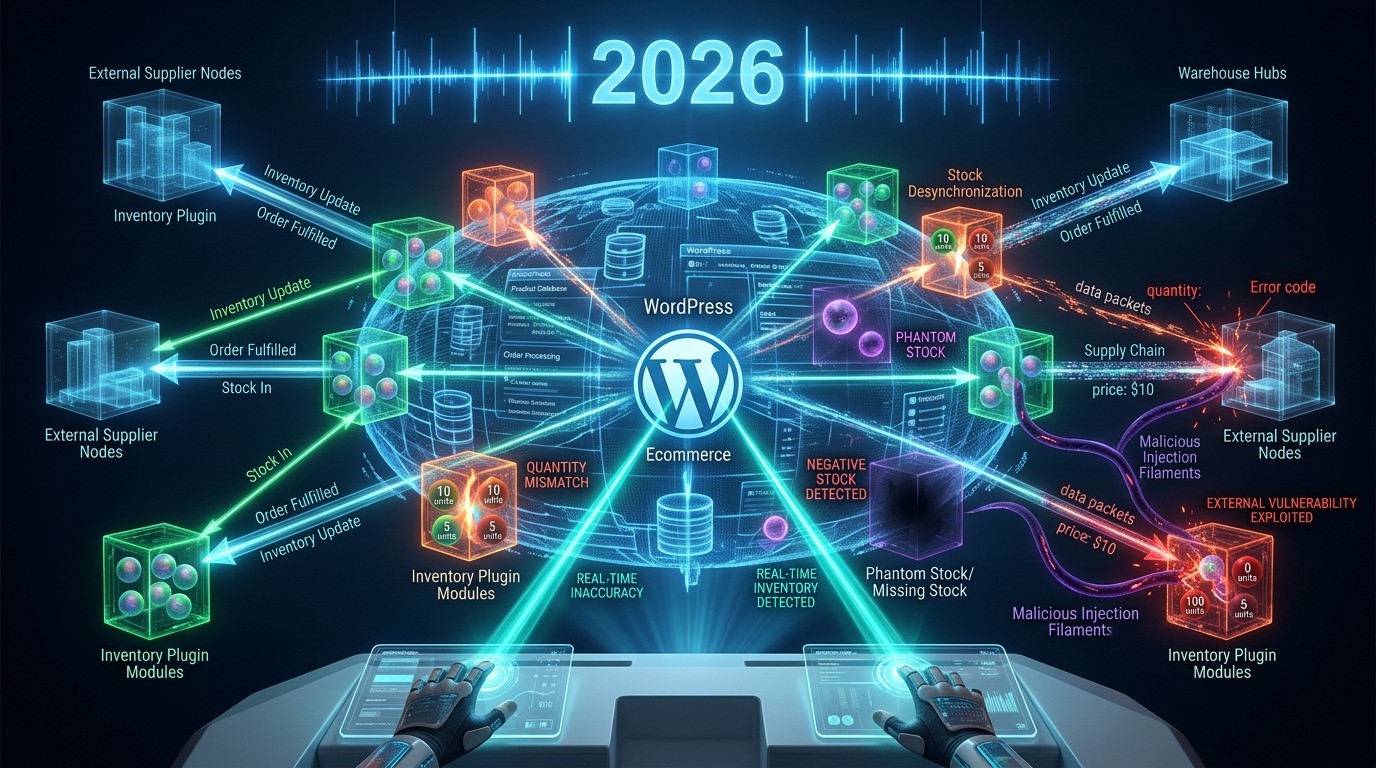
- External APIs & Services: Many plugins integrate with external services (e.g., payment gateways, analytics, social media), introducing third-party data exchange risks. For a deeper dive into how plugins handle sensitive interactions, consider exploring financial integrity and transaction security in WordPress plugins.
- Content Delivery Networks (CDNs): Scripts and assets loaded from CDNs can be manipulated if the CDN itself is compromised, impacting any plugin utilizing it.
In 2026, with the increasing sophistication of cyber threats, scrutinizing these dependencies is no longer optional. A single vulnerable component, deep within a plugin's supply chain, can open doors for sophisticated attacks. Understanding how plugins redefine network topologies can also offer insights into potential vulnerabilities.
Common Threats to WordPress Plugin Supply Chain Integrity
The allure of extended functionality often overshadows the potential security risks inherent in relying on external code. Several common threats specifically target the WordPress plugin supply chain integrity, making it crucial for site administrators to be vigilant.
Outdated and Vulnerable Code
Many plugins, especially less popular ones, are not regularly updated. This means they might contain known vulnerabilities that have been patched in newer versions of their underlying dependencies or exposed through new research. Exploiting these outdated components is a common attack vector in 2026. For a broader understanding of potential vulnerabilities, refer to insights on quantum vulnerability in WordPress plugins.
Insecure Configurations and Default Settings
Plugins often come with default settings that are not optimized for security. These could include weak authentication methods, overly permissive file permissions, or exposed API keys. If not configured correctly during installation, these defaults can create significant security gaps. This ties into broader discussions about digital identity and authentication risks in WordPress plugins.
Excessive Permissions and Data Access
Some plugins request more permissions than strictly necessary for their operation. While seemingly innocuous, excessive permissions can be exploited by malicious actors if the plugin itself is compromised, allowing them to access sensitive data or perform unauthorized actions on your website.
Malicious Code Injection & Backdoors
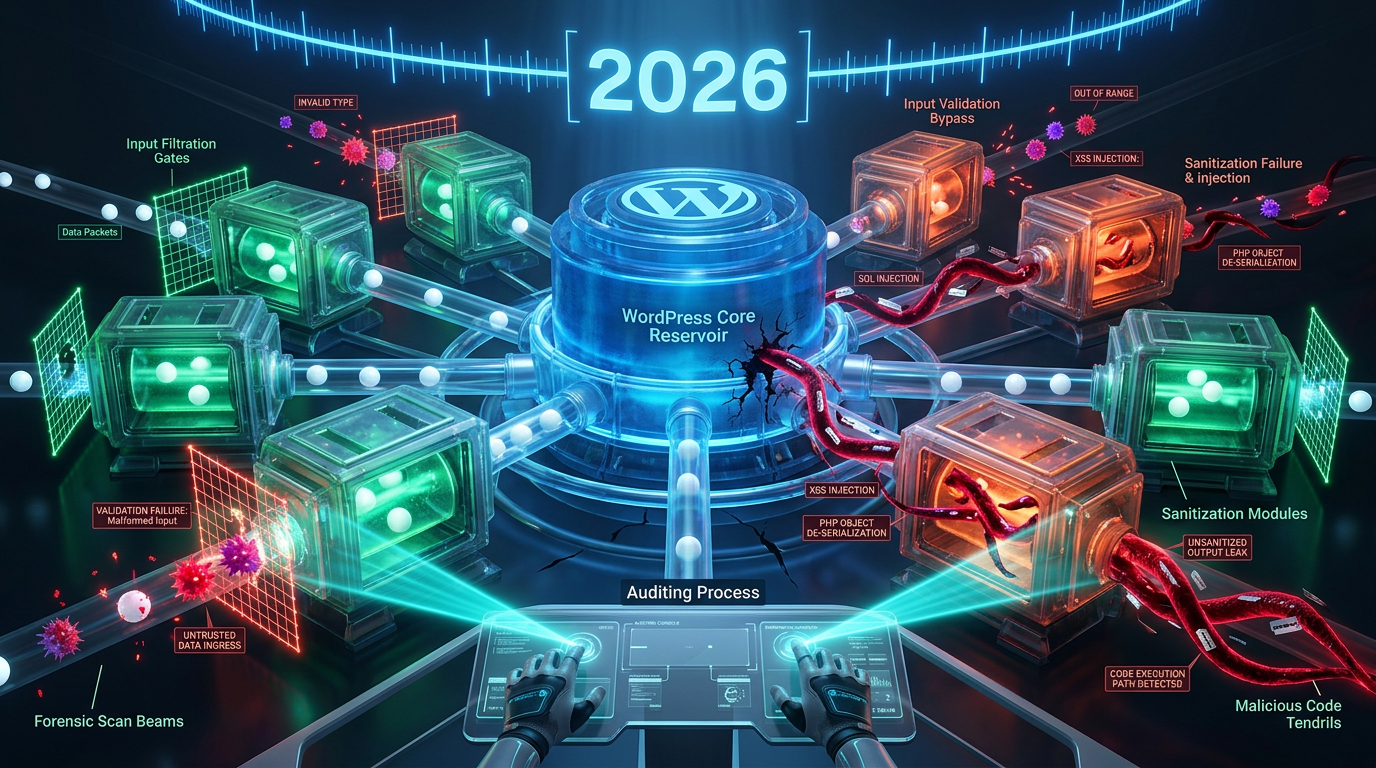
The most severe threat involves malicious code intentionally injected into a plugin's source code or one of its dependencies. This can happen through open-source contribution vulnerabilities, hijacked developer accounts, or compromised build environments. Such backdoors can grant persistent access to attackers, severely undermining WordPress plugin supply chain integrity.
Strategies for Enhancing WordPress Plugin Supply Chain Integrity
Proactive measures are essential to mitigate the risks associated with third-party dependencies and reinforce your website's WordPress plugin supply chain integrity. Implementing a multi-layered security strategy is critical in 2026. Insights from OWASP's Supply Chain Security Guidance provide valuable industry best practices.
Thorough Plugin Vetting and Selection
- Reputation and Reviews: Prioritize plugins from established developers with a strong reputation and positive community reviews.
- Update Frequency: Choose plugins that are regularly updated, indicating active maintenance and prompt patching of vulnerabilities.
- Support Channels: Look for responsive support channels, which are indicative of a developer's commitment to their product.
- Security Audits: Whenever possible, select plugins that have undergone independent security audits.
Regular Audits and Monitoring of Dependencies
Simply installing a plugin and forgetting about it is a recipe for disaster. Implement a routine for auditing installed plugins and their dependencies. This includes:
- Utilizing security scanning tools that specifically look for known vulnerabilities in plugins and their components.
- Keeping track of all third-party libraries used by your plugins and checking for available updates or security advisories.
- Monitoring outgoing network connections initiated by plugins to detect suspicious activity.
Implementing Principle of Least Privilege
Ensure that plugins (and WordPress users) only have the permissions absolutely necessary to perform their intended functions. Review file permissions, database access, and API key scopes regularly. Never grant administrator privileges to a plugin if it doesn't genuinely require them. This aligns with principles discussed in WordPress plugins bidding for database resources.
Tools and Best Practices for 2026 WordPress Security
As we navigate 2026, leveraging the right tools and adopting contemporary best practices is crucial for maintaining robust WordPress plugin supply chain integrity and overall website security. The National Institute of Standards and Technology (NIST) provides valuable resources on Supply Chain Risk Management that can be adapted for WordPress environments.
Advanced Security Plugins and Scanners
Invest in reputable WordPress security plugins that offer comprehensive scanning capabilities, including vulnerability detection, malware scanning, and firewall protection. Many advanced solutions now incorporate dependency analysis to flag issues within a plugin's supply chain. This is especially relevant given the rise of risks discussed in Just-In-Time Compilation and Runtime Code Generation Risks in WordPress Plugins.
Content Security Policy (CSP) Implementation
A strong Content Security Policy (CSP) can mitigate risks by defining which sources of content are allowed to be loaded on your website. This acts as a powerful defense against cross-site scripting (XSS) attacks and the unauthorized loading of malicious scripts via compromised plugin dependencies.
Strict Version Control and Staging Environments
Always test new plugins, updates, and configurations in a staging environment before deploying them to your live site. Implement strict version control for your website's code and database to quickly roll back to a stable state if an issue arises. This practice is fundamental to preserving WordPress plugin supply chain integrity.
Developer Vigilance and Community Engagement
Stay informed about the latest security threats and best practices within the WordPress ecosystem. Follow reputable security blogs, participate in community forums, and subscribe to security advisories for the plugins you use. Proactive knowledge is your best defense against evolving threats to WordPress plugin supply chain integrity.
Conclusion: Fortifying Your Digital Foundation in 2026
In 2026, understanding and actively managing WordPress plugin supply chain integrity is no longer a niche concern but a fundamental requirement for any serious website administrator. By meticulously vetting plugins, regularly auditing dependencies, and implementing robust security practices, you can transform these silent conductors from potential liabilities into secure, reliable extensions of your website’s functionality. A proactive approach to plugin security ensures that your WordPress site remains stable, performs optimally, and stands resilient against the sophisticated cyber threats of today's digital landscape.
Frequently Asked Questions

Written by Aras Akıncılar
Uzun yıllara dayanan WordPress deneyimine sahip bir siber güvenlik uzmanı olarak, eklenti ekosisteminin derinlemesine analizine odaklanıyorum. Güvenlik açıkları, performans düşüşleri ve uyumluluk sorunları üzerine hazırladığım makalelerle, WordPress kullanıcılarının sitelerini daha güvenli ve verimli hale getirmelerine yardımcı olmayı hedefliyorum.