Unmasking WordPress Temporal Drift Vulnerabilities: A 2026 Guide
In the dynamic landscape of web development, WordPress temporal drift vulnerabilities represent a subtle yet potent threat that can significantly compromise the integrity and security of countless websites. These vulnerabilities, often overlooked due to their nuanced nature, arise when discrepancies in timekeeping or event sequencing within plugins lead to unintended behaviors, data corruption, or even unauthorized access. As we delve into 2026, understanding and mitigating these silent chronologists has become more crucial than ever for maintaining robust WordPress installations and protecting against sophisticated attacks.
Understanding WordPress Temporal Drift Vulnerabilities
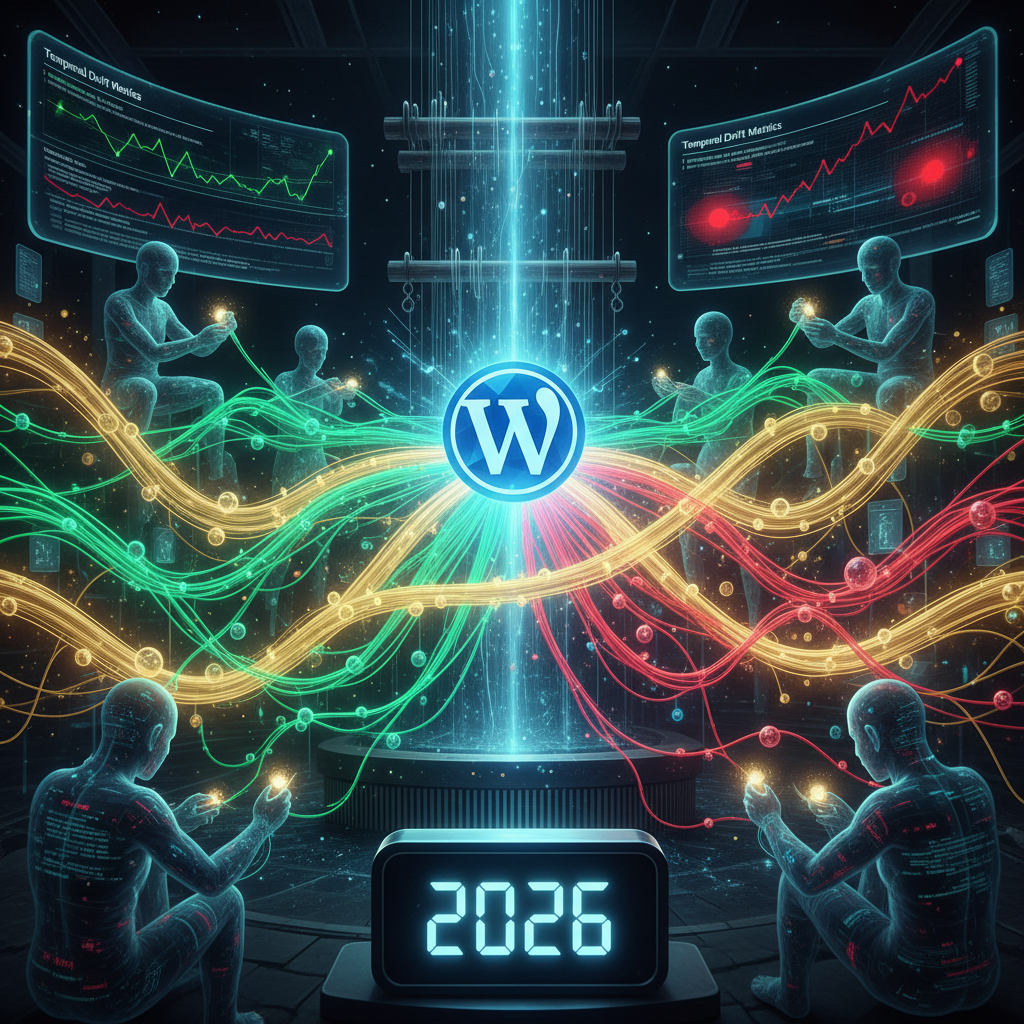
Temporal drift, at its core, refers to the deviation of perceived time or event order from the actual sequence. In the context of WordPress plugins, this can manifest in various ways, from misordered execution of critical functions to incorrect timestamping of sensitive data. Such discrepancies can have far-reaching consequences, particularly in plugins handling financial transactions, user authentication, or data synchronization.
The complexity often lies in the distributed nature of modern web services and the differing clock sources across servers, databases, and client-side applications. A slight desynchronization, when exploited, can open doors to a range of exploits.
What Constitutes Temporal Drift in WordPress?
- Clock Skew Exploitation: Attackers can leverage differences in server times to bypass time-based security mechanisms, such as session expirations or rate limits, before they are properly enforced.
- Event Ordering Issues: Critical actions, like creating a user and then applying permissions, might execute out of order, granting elevated privileges to a user before they are authenticated. For more on privilege management, see The Silent Alchemists: How WordPress Plugins Are Remodeling User Permissions & Privilege Elevation in 2026.
- Race Conditions: When multiple processes attempt to access and modify the same resource simultaneously, without proper synchronization, temporal drift can exacerbate race conditions, leading to data corruption or privilege escalation.
Real-World Scenarios and Impact
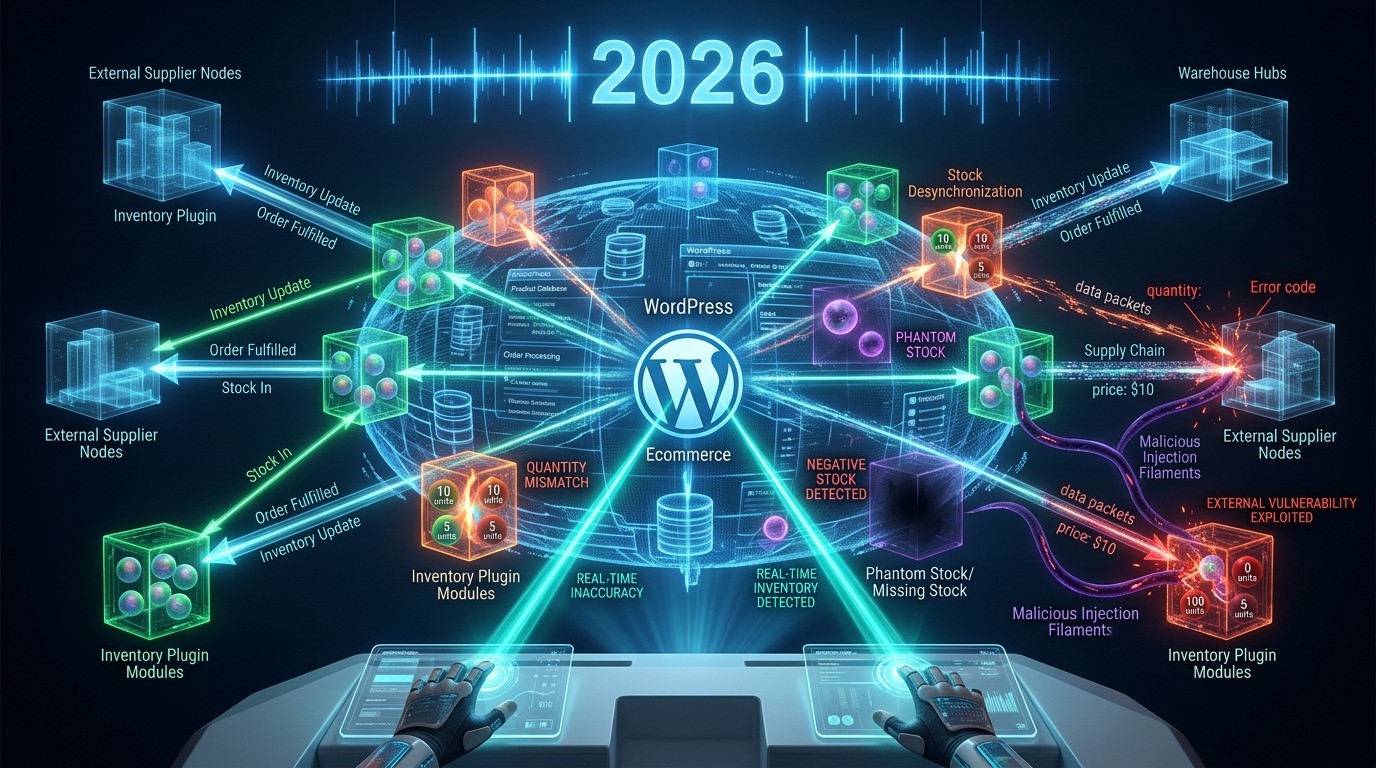
Consider an e-commerce plugin where an order cancellation request and an order fulfillment request arrive almost simultaneously. If the system experiences temporal drift, it might process the fulfillment before the cancellation, leading to financial loss for the vendor or customer. Similarly, a membership plugin with temporal drift could incorrectly expire a user's subscription, causing service interruptions and user dissatisfaction.
The impact extends beyond mere inconvenience; these vulnerabilities can be exploited for financial fraud, data manipulation, and unauthorized access to sensitive information. In 2026, with the increasing reliance on real-time data processing and distributed systems, the surface area for such attacks has grown considerably. For insights into incident response, refer to The Silent Storytellers: Unmasking Digital Forensics & Incident Response in WordPress Plugins (2026).
Common Causes of Temporal Drift in WordPress Plugins
Several factors contribute to the emergence of WordPress temporal drift vulnerabilities. Identifying these root causes is the first step towards developing effective prevention and mitigation strategies within the plugin ecosystem.
Often, the issues stem from a lack of rigorous testing under varying system clock conditions and an over-reliance on local server time without cross-verification mechanisms. Plugin developers, while focused on core functionality, sometimes overlook these subtle temporal dependencies.
Inadequate Time Synchronization
Many WordPress installations rely on default server time settings, which can drift over time due to hardware issues, network latency, or incorrect configuration. If a plugin's logic depends heavily on precise timekeeping across multiple components (e.g., database, external APIs, and the WordPress core), even minor desynchronization can lead to vulnerabilities.
Proper NTP (Network Time Protocol) synchronization is essential, but even with this, network delays and processing times can introduce minuscule, yet exploitable, gaps.
Asynchronous Operations Without Proper Locking
Modern WordPress plugins often utilize asynchronous processing to improve performance. However, if these operations access shared resources (database rows, files, cache entries) without robust locking mechanisms, temporal drift can expose race conditions. An operation initiated later might complete earlier, or vice-versa, causing inconsistent states.
This is particularly prevalent in plugins that handle queues, cron jobs, or real-time user interactions, where the order of execution is paramount.
Reliance on Client-Side Timestamps
While client-side timestamps can be useful for user experience, relying solely on them for security-critical operations is a significant risk. Client-side clocks are easily manipulated, making any logic dependent on them susceptible to exploitation. Always validate and process time-sensitive data on the server side.
Server-side timestamps, when synchronized, provide a more reliable source of truth for event ordering and validation.
Identifying WordPress Temporal Drift Vulnerabilities in Your Plugins
Proactively identifying these vulnerabilities requires a combination of automated tools, manual code review, and a deep understanding of how time and events are handled within your WordPress environment. Given the elusive nature of temporal drift, a multi-faceted approach is essential.
Regular security audits in 2026 should specifically include checks for time-related logic flaws, especially in plugins that manage user sessions, financial transactions, or data synchronization across different systems. For broader security assessments, consider the insights from The Silent Orchestrators: How WordPress Plugins Dictate the Future of Web Security Protocols in 2026.
Code Review Best Practices
- Examine Time-Dependent Logic: Scrutinize any code that uses
time(),current_time(),strtotime(), or other time-related functions. Pay close attention to comparisons and calculations involving timestamps. - Look for Race Conditions: Identify sections of code where multiple processes might simultaneously update a shared resource. Ensure proper locking mechanisms (e.g., database transactions, file locks) are in place.
- Verify Event Sequencing: Map out the intended flow of critical events within your plugin. Are there any scenarios where events could execute out of order due to differing processing times or scheduling?
Testing Methodologies
To effectively uncover WordPress temporal drift vulnerabilities, consider integrating specific testing strategies into your development lifecycle:
- Stress Testing with Clock Manipulation: Simulate clock skew by artificially adjusting system clocks on your development or staging servers. Observe how your plugins behave under these conditions.
- Concurrency Testing: Use tools that simulate multiple simultaneous requests to critical plugin functionalities to expose race conditions.
- Black Box Scans: While less effective for subtle temporal issues, some advanced vulnerability scanners in 2026 are beginning to incorporate basic checks for time-related discrepancies in responses.
Preventing and Mitigating WordPress Temporal Drift Vulnerabilities
Mitigating temporal drift vulnerabilities requires a proactive approach from plugin developers and astute vigilance from WordPress site administrators. Implementing robust practices can significantly reduce the risk and enhance the overall security posture.
The lessons learned from security breaches in recent years highlight the need for developers to prioritize temporal consistency and administrators to demand it from their chosen plugins.
Best Practices for Plugin Developers (2026)
- Server-Side Time Authority: Always use the server's authoritative time for critical operations and validations. Avoid relying on client-side timestamps for security decisions.
- Consistent Timezones: Ensure all time-related operations within a plugin and across integrated systems use a consistent timezone (e.g., UTC) to prevent misinterpretations. This is crucial for WordPress Internationalization practices.
- Robust Locking and Transactions: Implement database transactions, file locks, or other synchronization mechanisms when performing operations that modify shared resources, particularly in asynchronous contexts.
- Timestamp Validation: When accepting timestamps from external sources or user input, always validate their chronological order and reasonableness against the server's time.
- Event Queues and Atomic Operations: For complex event sequencing, consider using message queues or implementing atomic operations to guarantee the order and integrity of actions.
Recommendations for WordPress Administrators
- Maintain Server Time Synchronization: Ensure your hosting environment proactively syncs its server clocks using reliable NTP sources.
- Regular Plugin Updates: Keep all plugins updated. Developers often release patches addressing subtle timing issues or race conditions.
- Security Audits: Periodically audit your WordPress site for known vulnerabilities and review plugin configurations that involve time-sensitive settings. For advanced audit methodologies, explore the Quantum Vulnerabilities in WordPress Plugins: A 2026 Audit of Cryptographic Algorithm Selection and Downgrade Attacks.
- Choose Reputable Plugins: Prioritize plugins from developers with a strong security track record and those that adhere to established coding best practices for handling time and concurrency. Organizations like WPScan Vulnerability Database offer valuable resources for assessing plugin security.
The Future of Temporal Security in WordPress: Beyond 2026
As WordPress continues to evolve into a platform for increasingly complex applications, the challenges posed by temporal drift will likely become more pronounced. Future developments in distributed ledger technologies and advanced timestamping protocols could offer more robust solutions, but their integration into the WordPress ecosystem will take time.
For the foreseeable future, a diligent focus on established secure coding practices, coupled with continuous vigilance against novel exploitation techniques, will remain the primary defense against WordPress temporal drift vulnerabilities.
The collective effort of the WordPress community – from core developers to plugin authors and site administrators – is essential in creating a more resilient and temporally secure web. By understanding the nuances of how time impacts system integrity, we can collectively build more robust digital experiences.
Frequently Asked Questions

Written by Aras Akıncılar
Uzun yıllara dayanan WordPress deneyimine sahip bir siber güvenlik uzmanı olarak, eklenti ekosisteminin derinlemesine analizine odaklanıyorum. Güvenlik açıkları, performans düşüşleri ve uyumluluk sorunları üzerine hazırladığım makalelerle, WordPress kullanıcılarının sitelerini daha güvenli ve verimli hale getirmelerine yardımcı olmayı hedefliyorum.