The Silent Symbiotes: WordPress Plugins & the Rise of Neuromorphic Computing Integration in 2026
As we navigate through 2026, the digital landscape continues its rapid evolution, with groundbreaking technologies like neuromorphic computing beginning to ripple through various sectors. While seemingly disparate, the realms of advanced artificial intelligence and conventional web development are slowly converging. This article delves into the intriguing, albeit nascent, world of neuromorphic computing WordPress plugins, exploring how these powerful, brain-inspired computational models could revolutionize website functionalities, and more importantly, the potential risks and opportunities they present within the WordPress ecosystem.
Understanding Neuromorphic Computing and Its WordPress Implications
Neuromorphic computing represents a paradigm shift from traditional Von Neumann architectures. Instead of separating processing and memory, neuromorphic chips mimic the human brain's interconnected neural networks, allowing for highly efficient, low-power processing, especially suited for AI tasks. In 2026, while still largely a research and enterprise-level technology, its potential for integration into accessible platforms like WordPress is beginning to be explored.
Imagine a WordPress site that learns user behavior in real-time with unparalleled efficiency, rather than relying on heavy, resource-intensive algorithms running on external servers. This is the promise of integrating neuromorphic computing WordPress plugins.
What is Neuromorphic Computing?
- Brain-Inspired Architecture: Mimics neurons and synapses for computation.
- Parallel Processing: Handles multiple tasks simultaneously with high efficiency.
- Low Power Consumption: Significantly more energy-efficient than traditional CPUs/GPUs for AI.
- Event-Driven: Processes data only when changes occur, akin to biological brains.
- Ideal for AI/ML: Excels in pattern recognition, anomaly detection, and real-time learning.
Early Use Cases for Neuromorphic Computing WordPress Plugins
While full-scale integration is still some years away for mass adoption, early applications of neuromorphic principles via WordPress plugins could include:
- Advanced Bot Detection: More sophisticated identification of malicious bot activity, adapting to new patterns dynamically.
- Hyper-Personalized Content Delivery: Real-time learning of individual user preferences for incredibly precise content recommendations. This aligns with the concepts explored in The Silent Augmenters: How WordPress Plugins Are Leveraging Micro-Augmentations for Adaptive Content Personalization in 2026.
- Edge AI for IoT Devices: Processing data from connected devices directly on the WordPress site’s 'edge,' reducing latency.
- Intelligent Spam Filtering: Learning and evolving spam detection mechanisms with greater accuracy and speed.
The Security Landscape of Neuromorphic Computing WordPress Plugins
As with any new technology, especially one touching upon artificial intelligence, the security implications are paramount. The very nature of neuromorphic systems – their adaptability and learning capabilities – can be a double-edged sword when integrated into a widely used platform like WordPress. Organizations developing neuromorphic computing WordPress plugins must prioritize security from the ground up.
Potential Security Vulnerabilities and Threats
The introduction of neuromorphic computing WordPress plugins brings a new set of security considerations beyond typical plugin vulnerabilities. While traditional threats like SQL injection and cross-site scripting remain relevant, neuromorphic systems introduce complexities related to model integrity and data poisoning.
- Data Poisoning Attacks: Malicious actors could feed corrupted data to the neuromorphic model, causing it to learn incorrect patterns or biases, leading to incorrect classifications or even system compromise.
- Model Inversion Attacks: Attackers might attempt to reconstruct sensitive training data from the deployed neuromorphic model, potentially exposing personal user information.
- Adversarial Attacks: Subtle, crafted inputs could fool the neuromorphic system into misclassifying data or making erroneous decisions, potentially bypassing security measures or manipulating content.
- Supply Chain Risks: Dependencies on specialized neuromorphic libraries or hardware, often from third-party vendors, introduce potential vulnerabilities if not meticulously vetted.
- Excessive Permissions: Plugins might request overly broad access to data or system resources, a common issue compounded by the complex data needs of neuromorphic models. This concept is further elaborated in articles about WordPress Plugins Modifying Browser APIs & Device Functionality.
Best Practices for Securing Neuromorphic WordPress Integrations
Developers and site administrators must adopt stringent security protocols. For developers of neuromorphic computing WordPress plugins, this means secure coding practices specific to AI models. For site owners, robust plugin management is key.
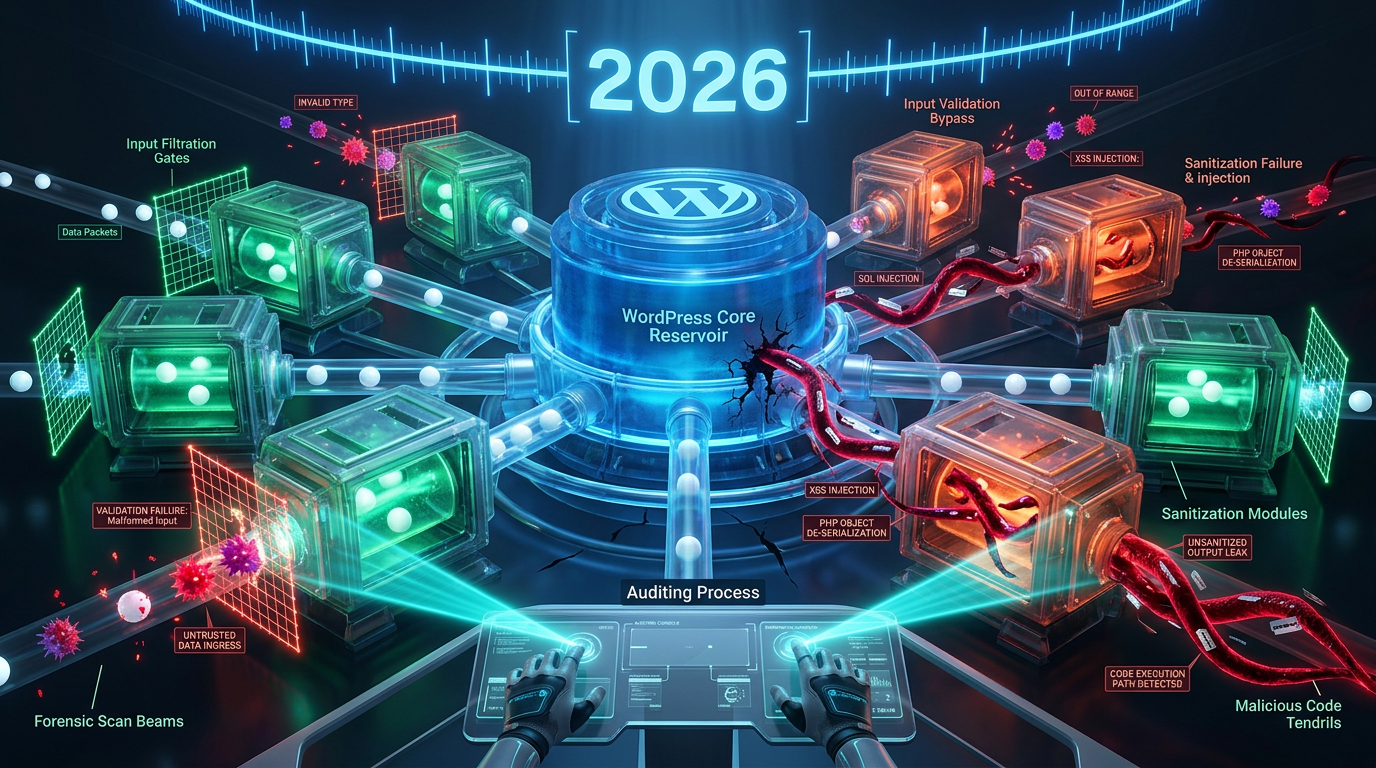
- Rigorous Input Validation: Ensure all data fed to the neuromorphic model is thoroughly validated and sanitized to prevent poisoning.
- Model explainability and monitoring: Implement methods to understand how the neuromorphic model makes decisions and monitor its behavior for anomalies.
- Regular Audits: Conduct frequent security audits of both the plugin code and the underlying neuromorphic model's behavior.
- Principle of Least Privilege: Grant only the necessary permissions to plugins, regardless of their advanced capabilities.
- Secure Third-Party Dependencies: Vet all libraries and external services used by neuromorphic plugins for known vulnerabilities.
- Isolation Techniques: Explore containerization or sandboxing for neuromorphic components to limit potential damage from exploits. For more on advanced isolation, see The Silent Symbiotes: How WordPress Plugins Are Orchestrating Advanced Browser Sandboxing & Isolation in 2026.
Performance and Compatibility Challenges with Neuromorphic Computing WordPress Plugins
While the promise of efficiency is high, integrating cutting-edge neuromorphic computing WordPress plugins into a dynamic CMS like WordPress presents significant performance and compatibility hurdles. The abstract nature of neuromorphic processes requires careful handling to avoid bogging down server resources or introducing conflicts with existing plugins and themes.
Addressing Performance Bottlenecks
Even with their inherent efficiency, neuromorphic capabilities, especially during initial training phases or processing large datasets, can be resource-intensive. Optimizing these processes is crucial.
- Offloading Computation: For more demanding tasks, consider offloading neuromorphic processing to specialized cloud services or dedicated hardware, rather than relying solely on the WordPress server. This is a common strategy for AI-driven applications, as discussed by IBM Research in their update on neuromorphic frontiers.
- Caching Mechanisms: Implement intelligent caching strategies for the outputs of neuromorphic computations to reduce redundant processing. This relates to general client-side resource management and performance in WordPress.
- Asynchronous Processing: Design plugins to perform neuromorphic tasks asynchronously, preventing them from blocking the main request-response cycle and impacting user experience.
- Efficient Data Handling: Optimize how data is collected, pre-processed, and fed into the neuromorphic model to minimize latency.
Ensuring WordPress Compatibility
The diverse nature of WordPress installations can make plugin integration challenging, and neuromorphic computing WordPress plugins are no exception. Specific version requirements for PHP, WordPress core, and interaction with other plugins need careful consideration.
- Standardized APIs: Develop plugins to interact with WordPress core and other plugins via well-defined, stable APIs to minimize conflicts.
- Version Management: Clearly define minimum and recommended WordPress and PHP versions. Automated testing across different environments is essential.
- Resource Management: Monitor memory and CPU usage rigorously to prevent resource exhaustion, especially in shared hosting environments.
- Theme Agnosticism: Design plugins to function independently of specific themes, ensuring broad compatibility.
The Future Landscape of Neuromorphic Computing WordPress Plugins in 2026 and Beyond
The year 2026 marks an exciting frontier for the convergence of advanced AI and web development. While neuromorphic computing WordPress plugins are still in their infancy, the trajectory of technological advancement suggests a future where these intelligent, adaptive systems will become more commonplace, reshaping how we interact with and manage our digital presence.
The initial adopters and developers who successfully navigate the challenges of security, performance, and compatibility will be instrumental in defining the standards for this emerging category. As neuromorphic hardware becomes more accessible and software frameworks mature, the potential for truly intelligent, low-power, and highly responsive WordPress websites will expand exponentially.
Emerging Trends and Opportunities
- Increased Accessibility: As neuromorphic chips become mass-produced, their integration into web servers and even edge devices will simplify, making neuromorphic capabilities more accessible to WordPress. Research by institutions like Intel on neuromorphic computing points towards this increasing accessibility.
- Specialized AI Services: We may see a rise in specialized AI-as-a-Service (AIaaS) platforms offering neuromorphic processing, which WordPress plugins can then leverage via APIs.
- Hyper-Personalization and UX: The ability to deeply understand and predict user behavior in real-time will lead to unprecedented levels of user experience customization.
- Enhanced Cybersecurity: Neuromorphic systems could provide a new layer of defense against sophisticated cyber threats by detecting anomalies and evolving attack patterns more effectively than traditional methods. This relates to the broader discussion on Digital Forensics & Incident Response in WordPress Plugins (2026).
- Sustainable Computing: The energy efficiency of neuromorphic computing aligns with green computing initiatives, potentially reducing the environmental footprint of highly interactive websites. A report from NIST highlights the opportunities and challenges in neuromorphic computing, including its energy efficiency.
In conclusion, the journey of neuromorphic computing WordPress plugins is just beginning. It promises a future where websites are not just dynamic but truly intelligent and adaptive. However, this future rests on the industry's commitment to addressing the inherent complexities and potential risks responsibly, ensuring that innovation goes hand-in-hand with robust security and reliable performance.
Frequently Asked Questions

Written by Aras Akıncılar
Uzun yıllara dayanan WordPress deneyimine sahip bir siber güvenlik uzmanı olarak, eklenti ekosisteminin derinlemesine analizine odaklanıyorum. Güvenlik açıkları, performans düşüşleri ve uyumluluk sorunları üzerine hazırladığım makalelerle, WordPress kullanıcılarının sitelerini daha güvenli ve verimli hale getirmelerine yardımcı olmayı hedefliyorum.