WordPress Security Protocols: Plugins & Future Threats in 2026
In the evolving digital landscape of 2026, understanding and implementing robust WordPress security protocols is no longer just advisable; it's absolutely critical. WordPress, powering over 43% of all websites globally, remains a prime target for cybercriminals. While the core platform is inherently secure, the vast ecosystem of plugins, themes, and third-party integrations often introduces vulnerabilities. This article delves into how WordPress plugins, the silent orchestrators of functionality, are increasingly dictating the future direction and complexity of web security protocols, highlighting both their utility and the inherent risks they bring.
Understanding the Foundation of WordPress Security Protocols
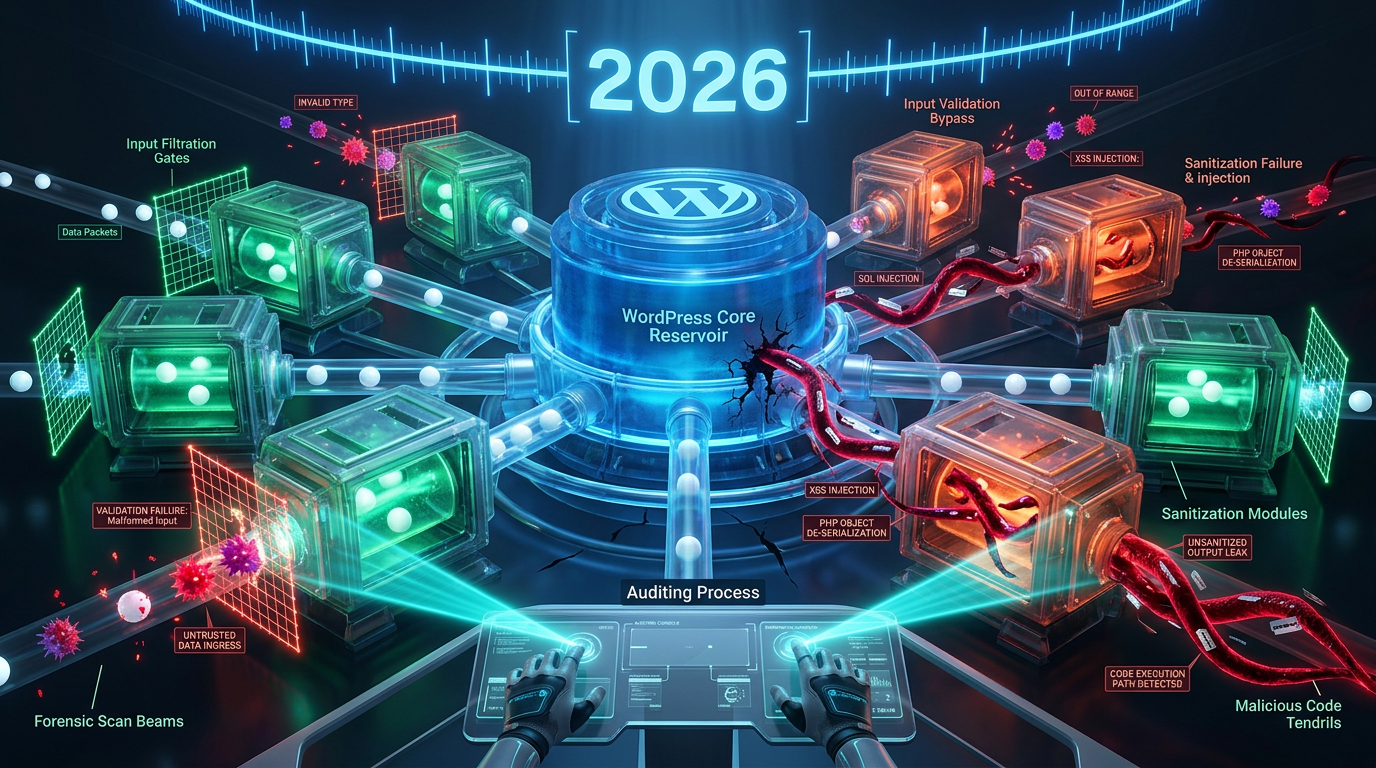
At its core, a strong security posture for any WordPress site begins with understanding the multi-layered threat landscape. This includes everything from brute-force attacks and SQL injection to cross-site scripting (XSS) and malware distribution. Effective WordPress security protocols need to address these threats proactively.
The ubiquity of WordPress makes it attractive to attackers. Therefore, site administrators must adopt a holistic approach to security, integrating measures at the server level, application level (WordPress core), and particularly at the plugin and theme level, which are often overlooked. Implementing strong WordPress security protocols is crucial for protecting your digital assets.
Core WordPress Security Measures
- Regular Updates: Keeping WordPress core, themes, and plugins updated to their latest versions is the single most important security measure. Updates often patch known vulnerabilities.
- Strong Passwords: Enforcing complex, unique passwords for all user accounts, especially administrators, is non-negotiable for robust WordPress security protocols.
- User Role Management: Limiting user permissions to only what is necessary reduces the potential impact of a compromised account. For more on this, read about how WordPress Plugins Are Remodeling User Permissions & Privilege Elevation in 2026.
The Dual Nature: Plugins as Enablers and Vulnerabilities in WordPress Security Protocols
Plugins are the lifeblood of WordPress, extending its functionality exponentially. From SEO optimization and e-commerce capabilities to enhanced security features, plugins enable users to customize their sites without extensive coding knowledge. However, this very power introduces a significant vector for security risks, profoundly impacting the overall strength of WordPress security protocols.
In 2026, the sheer volume and diversity of plugins mean that evaluating their security implications is a full-time job. A single insecure plugin can undermine every other security measure in place, creating a backdoor for attackers. This necessitates a more rigorous approach to plugin selection and management, reinforcing the need for vigilant WordPress security protocols.
Common Plugin-Related Security Threats:
- Outdated Code: Plugins that are no longer maintained or frequently updated can harbor unpatched vulnerabilities, making them easy targets. This often contributes to latent technical debt in WordPress plugins.
- Insecure Configurations: Even well-coded plugins can be insecure if configured improperly by the user, exposing sensitive data or creating backdoors.
- Excessive Permissions: Many plugins request more permissions than they actually need to function, increasing their attack surface if compromised.
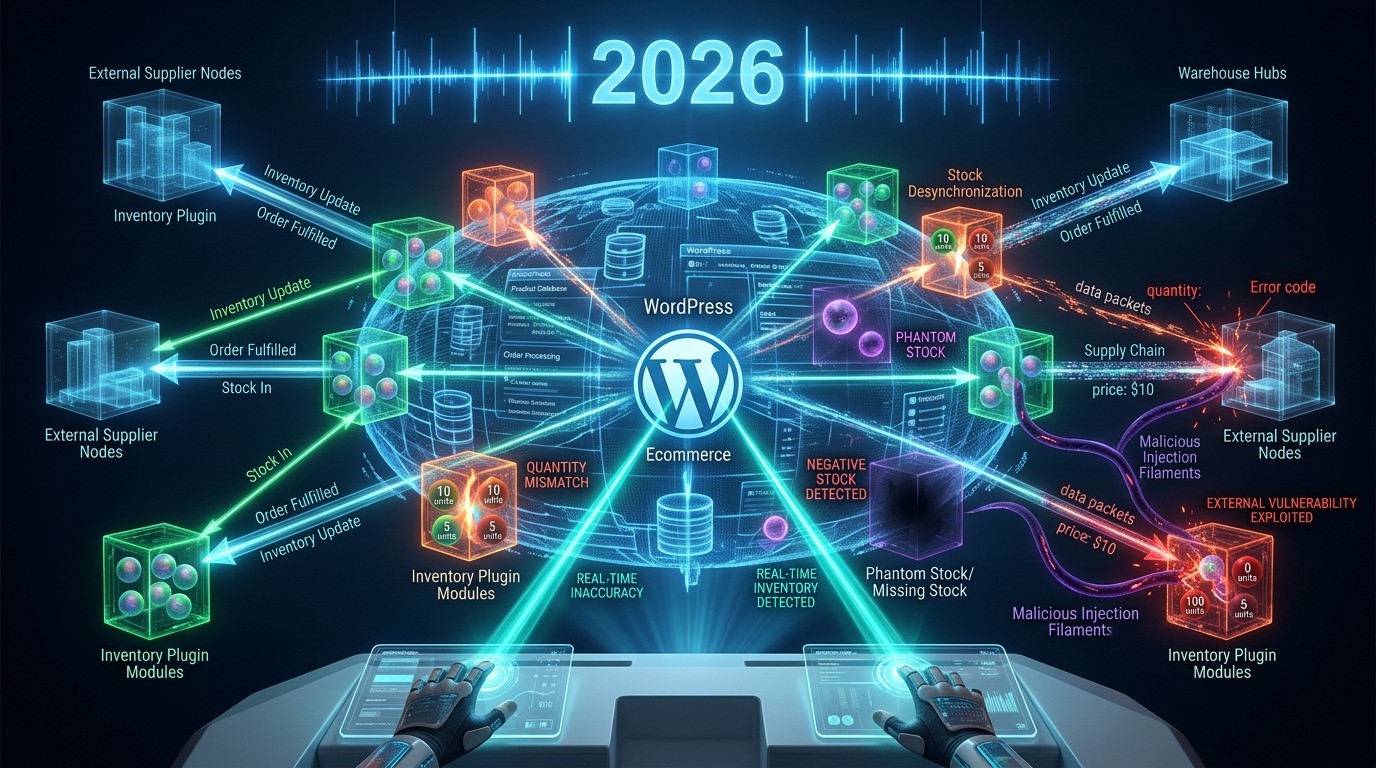
- Third-Party Dependencies: Plugins often rely on external libraries or APIs. If these dependencies introduce vulnerabilities, the plugin inherits them. For a deeper dive into this, explore how WordPress Plugins Dictate Third-Party Dependency Loading & Supply Chain Integrity in 2026.
The challenge lies in balancing functionality with security. Site owners must critically assess each plugin's necessity and origin before installation to maintain robust WordPress security protocols.
Evaluating Plugin Risk: Best Practices for Robust WordPress Security Protocols
To mitigate the risks posed by plugins, a systematic approach to evaluation is essential. Implementing strong WordPress security protocols means understanding how to vet plugins effectively and continuously monitor their performance and security posture. This proactive strategy helps in preventing breaches rather than reacting to them.
Given the constant evolution of threats, a "set it and forget it" mentality regarding plugin security is a recipe for disaster. Regular audits and reviews are crucial, especially for plugins handling sensitive data or critical site functionalities. Adhering to these WordPress security protocols is vital.
Practical Insights for Plugin Evaluation:
- Source Credibility: Only download plugins from the official WordPress Plugin Directory or reputable developers with a proven track record. Avoid themes and plugins from unknown sources.
- Developer Reputation: Research the plugin developer. Look for active development, good reviews, prompt support, and a history of quickly patching vulnerabilities.
- Update Frequency: A plugin that hasn't been updated in over a year is a red flag. Regular updates indicate active maintenance and commitment to security.
- Read Reviews and Support Forums: These can offer insights into common issues, security concerns, and developer responsiveness.
- Check for Compatibility: Ensure the plugin is compatible with your current WordPress version and other installed plugins to avoid conflicts or unexpected vulnerabilities.
- Security Audits: For critical plugins, consider having them professionally audited for security flaws before deployment, especially in enterprise environments.
The Future Landscape: AI, Automation, and Evolving WordPress Security Protocols in 2026
As we advance into 2026, the landscape of WordPress security protocols is being shaped by emerging technologies and an increasingly sophisticated threat environment. Artificial intelligence (AI) and automation are playing a pivotal role in both defensive and offensive cyber strategies.
On the defense side, AI-powered security plugins are becoming more sophisticated, offering real-time threat detection, anomaly behavior analysis, and automated vulnerability patching. These tools can analyze vast amounts of data to identify patterns indicative of attacks, often before they can fully materialize. This evolution is key to strengthening WordPress security protocols.
Emerging Trends in WordPress Security:
- AI-Powered Security Plugins: Expect a new generation of plugins using machine learning to predict and prevent attacks, rather than just react to them.
- Automated Vulnerability Scanning: Tools that continuously scan your site and installed plugins for known vulnerabilities, offering immediate alerts and even automated patch application.
- Behavioral Monitoring: Security systems that learn "normal" website behavior and flag any deviations, which could indicate a compromise.
- Enhanced Multi-Factor Authentication (MFA): Beyond simple 2FA, more robust MFA methods, including biometric and contextual authentication, will become standard.
- Decentralized Security Models: Exploring blockchain-based solutions for immutable logging and distributed trust mechanisms in specific high-security contexts. For further reading on decentralized security, check out this IBM article on decentralized internet security.
However, attackers are also leveraging AI. This means the arms race in cybersecurity will intensify, requiring continuous adaptation of WordPress security protocols to stay ahead.
Maintaining a Secure WordPress Ecosystem: Beyond Installation
Installing a few security plugins isn't the endpoint of establishing robust WordPress security protocols; it's merely the beginning. Continuous vigilance, regular maintenance, and a proactive mindset are essential for securing your WordPress website in the long term. This involves a commitment to ongoing education and adapting to new threats as they emerge.
Security is not a one-time setup but an ongoing process. Neglecting any aspect of a website's security can have severe consequences, from data breaches and reputational damage to significant financial losses. Therefore, a comprehensive strategy that encompasses all aspects of the website's lifecycle is paramount for effective WordPress security protocols.
Key Maintenance and Monitoring Practices:
- Regular Backups: Implement a robust backup strategy, storing backups off-site. This is your last line of defense in case of a catastrophic breach.
- Security Scans: Periodically run comprehensive security scans using reputable WordPress security plugins or services to identify malware, vulnerabilities, and suspicious code. For an example of reliable WordPress security solutions, consider exploring Wordfence Security.
- Monitor Activity Logs: Keep an eye on user activity, login attempts, and file changes. Unusual activity can be an early indicator of a compromise.
- Firewall Implementation: Utilize Web Application Firewalls (WAFs) which act as a shield between your website and potential threats, filtering malicious traffic. Understanding current WAF capabilities is key; you can find more information on Cloudflare's explanation of WAFs.
- SSL/TLS Certificate: Ensure your website uses an up-to-date SSL/TLS certificate to encrypt data transmitted between the server and the user.
- Educate Your Team: Ensure everyone with access to the WordPress admin panel understands basic security hygiene and the importance of strong passwords and responsible plugin usage.
In conclusion, WordPress plugins, while instrumental in expanding website functionality, are undeniably "silent orchestrators" in the realm of web security. Their proper selection, vigilant management, and continuous monitoring are paramount for establishing and maintaining effective WordPress security protocols in 2026 and beyond, safeguarding the digital assets and reputation of countless online ventures.
Frequently Asked Questions

Written by Aras Akıncılar
Uzun yıllara dayanan WordPress deneyimine sahip bir siber güvenlik uzmanı olarak, eklenti ekosisteminin derinlemesine analizine odaklanıyorum. Güvenlik açıkları, performans düşüşleri ve uyumluluk sorunları üzerine hazırladığım makalelerle, WordPress kullanıcılarının sitelerini daha güvenli ve verimli hale getirmelerine yardımcı olmayı hedefliyorum.