Digital Inheritance WordPress Plugins: Your Digital Legacy
In an increasingly digital world, the question of what happens to our online lives after we're gone has become paramount. This critical concern extends to WordPress websites, which often serve as repositories for personal histories, business operations, and creative endeavors. Addressing this need, digital inheritance WordPress plugins are emerging as essential tools for website owners. These plugins aim to provide solutions for managing digital assets and ensuring account survivorship, offering peace of mind in an uncertain future. As of 2026, the landscape of these plugins is evolving, presenting both opportunities and potential risks that warrant careful examination. For a broader understanding of how plugins shape web experiences, consider exploring WordPress plugins as micro-orchestrators of advanced rendering pipelines.
The complexities of digital asset management are not unique to inheritance. Consider, for instance, how plugins also act as silent gatekeepers regarding digital identity and authentication risks, highlighting the critical role they play across various security domains.
Understanding Digital Inheritance and Account Survivorship in a WordPress Context
Digital inheritance refers to the practice of planning for the transfer of your digital assets upon your incapacitation or death. This includes everything from social media accounts and email to cryptocurrency wallets and, crucially for this discussion, WordPress websites and their associated content. Account survivorship, on the other hand, deals with the mechanisms by which access to these accounts can be safely and securely transferred to designated beneficiaries or removed entirely.
For WordPress site owners, this means considering who will manage their blog, e-commerce store, portfolio, or membership site if they can no longer do so. Without a plan, these digital legacies can languish, become vulnerable, or be lost entirely. The complexities often involve sensitive data, financial implications, and the emotional value attached to the content.
The Growing Need for Digital Estate Planning
The reliance on digital platforms has skyrocketed over the past decade. Every individual and business operating online accumulates a digital estate. The sheer volume and value of these assets necessitate a proactive approach to their future management. In 2026, many jurisdictions are still catching up with legislation surrounding digital assets, making robust digital inheritance WordPress plugins even more critical for filling these policy gaps.
- Ensuring business continuity for online ventures.
- Preserving personal legacies and creative works.
- Protecting sensitive data and privacy after death.
- Avoiding legal disputes among heirs regarding digital assets.
Key Components of Digital Inheritance for WordPress
A comprehensive approach to digital inheritance within WordPress typically involves several key components:
- Designated Beneficiaries: Allowing users to name individuals who will gain access to their site.
- Access Management: Providing clear instructions and mechanisms for transferring login credentials, database access, and hosting information.
- Data Archiving & Deletion: Options to archive content for future generations or to securely delete sensitive information. For related challenges in data management, see how WordPress plugins address digital forgetting and data minimization.
- Notification Systems: Automated alerts to beneficiaries or executors upon a predefined trigger.
- Legal Framework Integration: While plugins aren't legal entities, they can assist in documenting wishes that align with existing wills or digital estate plans.
Evaluating Digital Inheritance WordPress Plugins: Functionality and Features
When selecting digital inheritance WordPress plugins, it's crucial to look beyond basic promises and delve into their actual functionality and feature set. Not all plugins are created equal, and their capabilities can vary widely. A thorough evaluation should consider both current needs and future scalability. The influence of plugins extends to vast aspects of site management, as detailed in discussions around unearthing latent technical debt in WordPress plugins.
Core Features to Look For
Effective digital inheritance solutions should offer a robust set of features to handle various scenarios:
- Secure Credential Storage: How the plugin stores sensitive login details for WordPress, hosting, and connected services is paramount. Encryption and robust access controls are essential.
- Beneficiary Designation Interface: An intuitive way to add, modify, and manage beneficiaries, specifying their roles and levels of access.
- Trigger Mechanisms: Clear conditions under which the inheritance process is initiated. This could be a predefined period of inactivity, notification from a legal representative, or a future date.
- Instruction Management: A secure place to store specific instructions for beneficiaries, such as "publish this draft post," "transfer site ownership," or "delete all media library content."
- User Experience (UX): The plugin should be easy for the site owner to configure and for the beneficiary to understand and utilize when the time comes.
Advanced Capabilities of Digital Inheritance WordPress Plugins
Some digital inheritance WordPress plugins go above and beyond, offering advanced capabilities that enhance the overall digital inheritance strategy:
- Integration with Third-Party Services: Ability to manage access to other digital assets linked to the WordPress site, such as email marketing platforms, payment gateways, or cloud storage.
- Multi-Site Support: For those managing multiple WordPress installations, a plugin that can handle digital inheritance across an entire network.
- Granular Access Control: Allowing the site owner to define very specific permissions for beneficiaries, e.g., "editor access for 6 months, then administrator access."
- Reporting and Logging: A clear audit trail of plugin activities, changes, and access attempts.
- Pre-written Legal Templates: While plugins aren't legal entities, they can assist in documenting wishes that align with existing wills or digital estate plans.
Potential Risks and Security Considerations for Digital Inheritance WordPress Plugins
While the concept of digital inheritance WordPress plugins is beneficial, their very nature necessitates extreme caution regarding security. Dealing with access to entire websites and sensitive data means that these plugins are prime targets for malicious actors if not developed and maintained with the highest security standards. In 2026, cybersecurity threats are more sophisticated than ever, making plugin security a non-negotiable priority.
Security Vulnerabilities and Data Protection
The primary risk lies in the potential for security vulnerabilities. A poorly coded digital inheritance plugin could inadvertently create backdoors or expose critical information:
- Weak Encryption: If credentials and instructions are not robustly encrypted, they become easy targets for data breaches.
- Improper Access Control: Flaws in how the plugin manages beneficiary access could allow unauthorized individuals to gain control prematurely or maliciously.
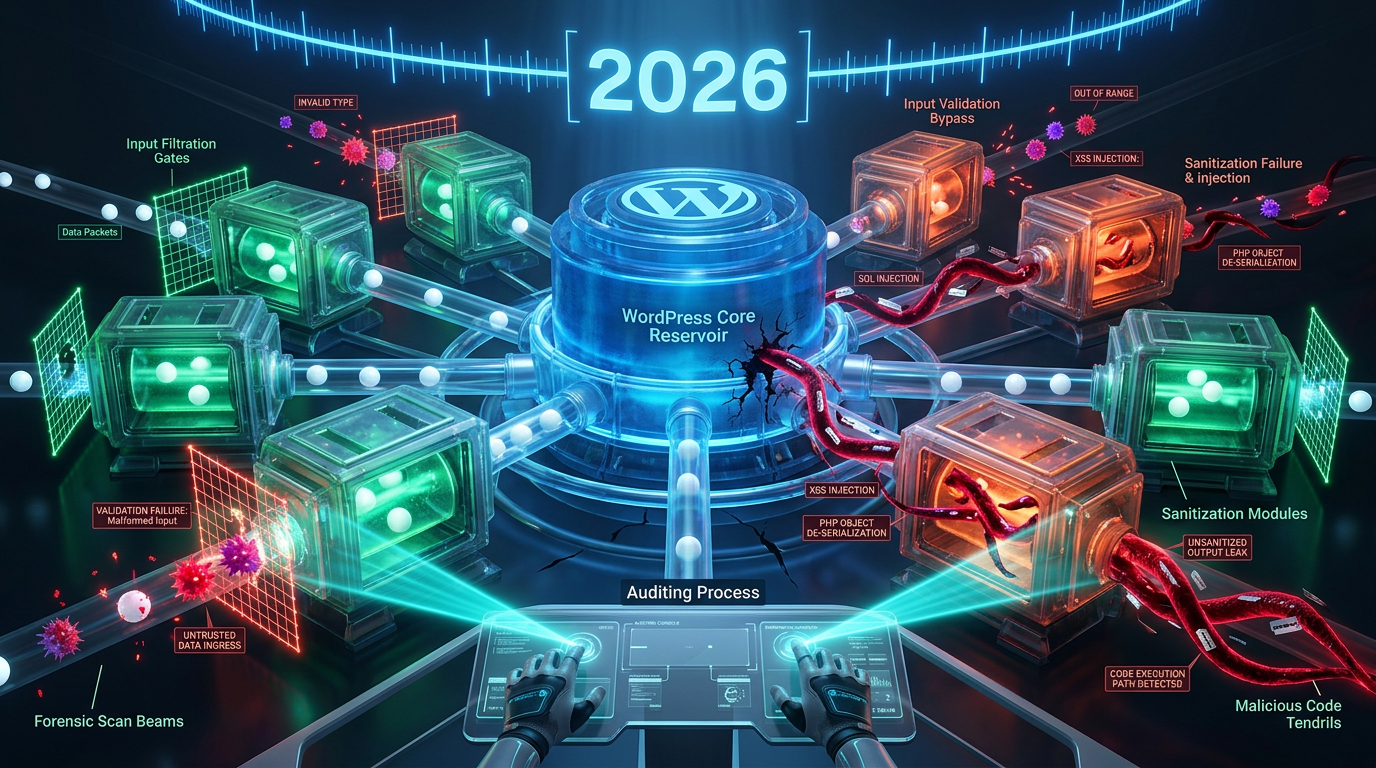
- SQL Injection and XSS: Common web vulnerabilities can be exploited if the plugin's code isn't properly sanitized and validated.
- Outdated Code: Plugins that are not regularly updated to address new threats or compatibility issues are ticking time bombs. This is especially true given the rapid evolution of WordPress core and other plugins.
Users must scrutinize the developer's reputation, the plugin's update history, and recent security audits before installation.
Performance Issues and Compatibility Challenges
Beyond security, other technical risks can arise:
- Performance Degradation: Overly complex or unoptimized code can slow down your WordPress site, impacting user experience and SEO. This often relates to wider discussions such as how WordPress plugins harness AI for proactive performance optimization.
- Compatibility Conflicts: Digital inheritance plugins often interact deeply with WordPress core and user management systems. This can lead to conflicts with other plugins or themes, causing site breakage or unexpected behavior. Regular testing in a staging environment is crucial.
- Server Resource Usage: Some plugins might consume excessive server resources, particularly if they involve background processes for monitoring inactivity or sending notifications.
Third-Party Dependencies and Supply Chain Risks
Many modern WordPress plugins rely on third-party libraries or external services. While convenient, this introduces supply chain risks:
- Insecure Libraries: If a third-party library used by the digital inheritance plugin has a vulnerability, your site can become compromised, even if the plugin's core code is secure.
- External Service Reliability: Dependence on external notification services or cloud storage for asset management can lead to outages or data exposure if those services are compromised.
It's vital to research any external dependencies a plugin relies on and assess their security posture.
Best Practices for Implementing Digital Inheritance WordPress Plugins
Given the critical nature of digital inheritance WordPress plugins, their implementation requires a strategic and security-conscious approach. Following best practices can mitigate risks and ensure that your digital legacy is protected and transferable as intended.
Thorough Research and Due Diligence
Before installing any plugin, especially one dealing with sensitive access, conduct extensive research:
- Developer Reputation: Investigate the developer's history, their other plugins, and their responsiveness to support requests and security reports.
- Reviews and Ratings: Read user reviews on the WordPress.org plugin repository, forums, and independent review sites. Look for patterns of complaints, particularly regarding security or support.
- Update Frequency: A frequently updated plugin suggests active maintenance and responsiveness to new WordPress versions and security patches. Avoid plugins that haven't been updated in over a year.
- Documentation: Comprehensive and clear documentation is a good indicator of a well-developed and supported plugin.
Security Hardening and Monitoring
Once a plugin is chosen, integrate it into a broader security strategy:
- Strong Passwords and Two-Factor Authentication (2FA): Ensure beneficiaries and anyone with administrative access uses strong, unique passwords and 2FA.
- Regular Backups: Maintain reliable and frequent backups of your entire WordPress site (files and database). This is your last line of defense against data loss or corruption.
- Security Audits: Consider running security scanning tools against your site after plugin installation to identify any new vulnerabilities.
- Activity Logging: Use an activity log plugin to monitor changes and logins on your site, which can help detect unauthorized activity.
- Least Privilege Principle: Grant beneficiaries only the minimum access level necessary to fulfill their designated tasks.
Testing and Staging Environments
Never install a digital inheritance plugin directly on a live production site without testing:
- Staging Site: Use a staging environment (a copy of your live site) to thoroughly test the plugin's functionality, its compatibility with your existing theme and plugins, and its impact on performance.
- Simulate Scenarios: Test the inheritance process from both the site owner's and the beneficiary's perspective to ensure it works as expected. Simulate inactivity triggers or manual intervention.
Legal and Ethical Considerations
While plugins handle the technical aspects, they don't replace legal planning:
- Consult Legal Counsel: Always consult with an attorney specializing in estate planning to ensure your digital inheritance plans align with local laws and your will. The American Bar Association offers useful resources on digital assets, emphasizing their legal importance.
- Communicate with Beneficiaries: Inform your designated beneficiaries about your plans and the tools you've put in place. Provide them with necessary instructions (securely, not via the plugin itself, initially).
- Privacy Considerations: Be mindful of privacy regulations (like GDPR) when collecting and storing beneficiary information, and ensure the plugin complies with these standards. For more on global data privacy laws, consult resources like the International Association of Privacy Professionals (IAPP).
The Future of Digital Inheritance WordPress Plugins in 2026
The landscape for digital inheritance WordPress plugins is set for significant evolution in 2026 and beyond. As digital assets become more intertwined with our personal and professional lives, the demand for robust, secure, and user-friendly solutions will only intensify. We can expect to see several key trends shaping this plugin ecosystem.
Increased Integration and Standardization
Currently, many digital inheritance solutions are somewhat siloed. In the coming years, expect greater integration:
- Broader API Integrations: Plugins will likely offer more seamless connections with cloud storage providers, other popular WordPress plugins (e.g., membership plugins, e-commerce platforms), and potentially even identity verification services.
- Industry Standards: As the concept gains traction, there may be a push for some level of standardization in how digital inheritance is handled, making it easier for users and developers alike.
- Web3 and Blockchain Integration: With the rise of decentralized technologies, we might see plugins begin to explore blockchain-based solutions for secure asset transfer and immutable record-keeping, especially for digital collectibles or cryptocurrency-related aspects of a WordPress site. Such advancements align with how WordPress plugins are adapting to Web3 and decentralized technologies.
Enhanced Security and AI-Powered Features
Security will remain paramount, with advancements driven by AI and evolving cybersecurity threats:
- AI-Powered Anomaly Detection: Plugins may incorporate AI to monitor for unusual activity patterns that could indicate a breach or an unauthorized inheritance attempt, providing an additional layer of security.
- Advanced Biometric and Multi-Factor Authentication: Expect more sophisticated authentication methods for both the site owner setting up the inheritance and the beneficiaries accessing assets.
- Proactive Vulnerability Scanning: Developers will likely integrate more rigorous, automated security testing into their development workflows, and some plugins might offer built-in, passive vulnerability scanning.
User-Centric Design and Accessibility
Simplicity and ease of use will be key drivers for mass adoption:
- Intuitive Onboarding: Streamlined setup wizards and clear guidance will help users navigate the complex process of planning their digital legacy.
- Legal Guidance Integration: While not legal advice, plugins might offer more robust integrations with legal resources or provide clearer, customizable legal templates to guide users in conjunction with their legal counsel.
- Modular Solutions: Instead of monolithic plugins, we might see a more modular approach, allowing users to select only the digital inheritance features relevant to their specific needs.
Ultimately, the goal for digital inheritance WordPress plugins is to empower WordPress users to confidently manage their digital legacies, ensuring their online presence is handled according to their wishes, even after they've departed. As we move further into 2026, the technology will continue to adapt to meet these vital societal needs, making careful selection and implementation more crucial than ever.
Frequently Asked Questions

Written by Aras Akıncılar
Uzun yıllara dayanan WordPress deneyimine sahip bir siber güvenlik uzmanı olarak, eklenti ekosisteminin derinlemesine analizine odaklanıyorum. Güvenlik açıkları, performans düşüşleri ve uyumluluk sorunları üzerine hazırladığım makalelerle, WordPress kullanıcılarının sitelerini daha güvenli ve verimli hale getirmelerine yardımcı olmayı hedefliyorum.