Auditing WordPress Plugin Integrity with Post-Quantum Cryptography
As we navigate the complexities of digital security in 2026, the threat posed by quantum computers to current cryptographic standards is a pressing concern. This article delves into the critical need for enhanced WordPress plugin integrity, specifically exploring the role of post-quantum cryptography WordPress solutions. With an ever-growing dependency on plugins for extended functionality, ensuring their trustworthiness and resilience against future computational power is paramount for any WordPress site owner. Understanding how to integrate and audit plugins through a post-quantum lens is no longer a niche topic, but a vital component of a robust cybersecurity strategy. For a broader view on safeguarding your site, consider reviewing Future-Proofing Your WordPress: Essential Plugin Auditing Strategies for 2026.
The Looming Quantum Threat and WordPress Integrity in 2026
The dawn of quantum computing, while still in its nascent stages for widespread application, casts a long shadow over present-day cryptographic systems. Algorithms like RSA and ECC, foundational to internet security, are theoretically vulnerable to Shor's algorithm, a quantum threat that could decrypt vast amounts of currently protected data. For WordPress, a platform powering over 43% of the internet, this means every plugin, theme, and core file protected by these algorithms could eventually be compromised. In 2026, proactive measures are essential, making the exploration of post-quantum cryptography WordPress integration a critical discussion.
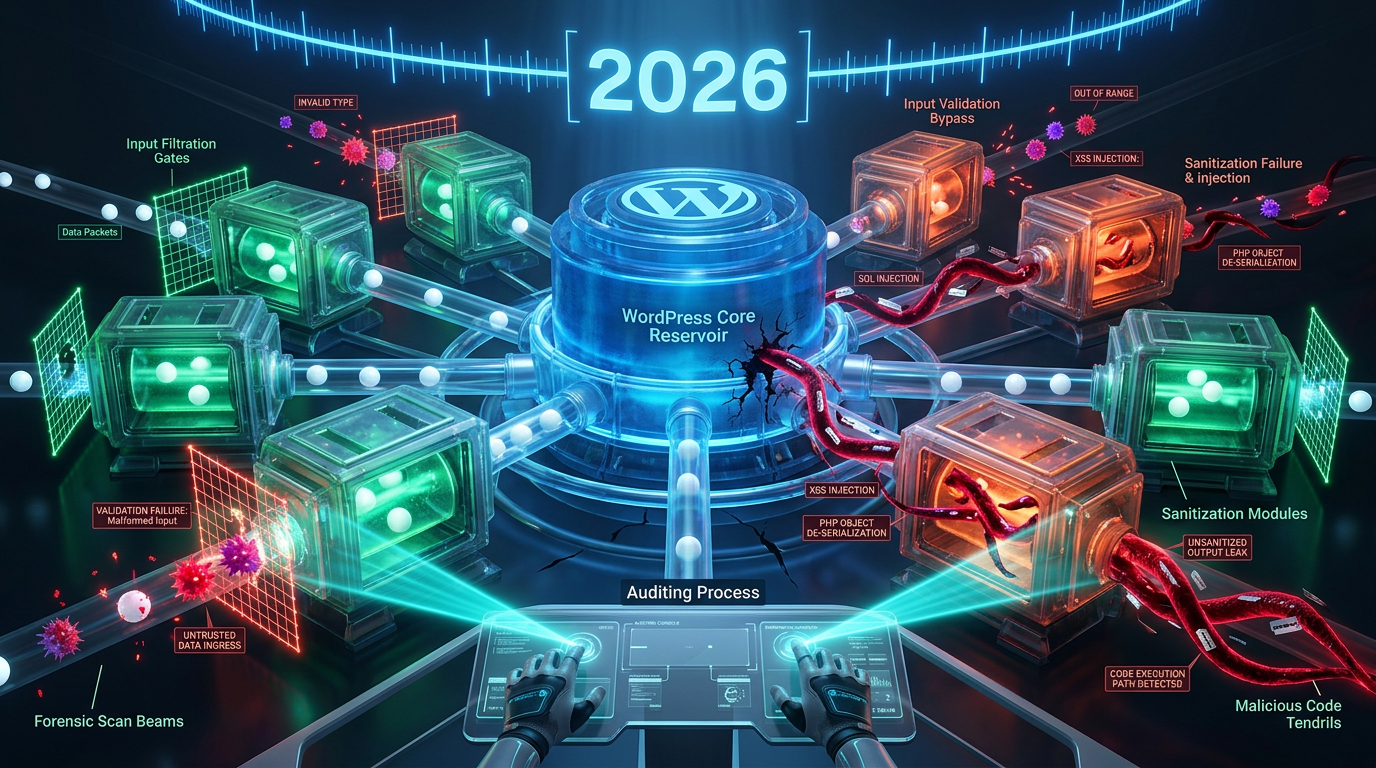
The integrity of WordPress plugins is a cornerstone of website security. A compromised plugin can serve as a backdoor for attackers, leading to data breaches, website defacement, or malware distribution. As we look towards a quantum-enabled future, ensuring these plugins are not just secure against today's threats but also tomorrow's quantum adversaries becomes a strategic imperative. Dig deeper into the broader challenges with The Invisible Threats: Unmasking WordPress Plugin Supply Chain Risks in 2026.
Outdated Code and Future-Proofing with Post-Quantum Cryptography WordPress
One of the most common plugin-related threats is outdated code. Many plugins, especially those not regularly maintained, harbor vulnerabilities that can be exploited by attackers. In a post-quantum era, even code that was once considered secure could become a liability. Updating plugin code to incorporate post-quantum cryptography WordPress standards would involve not just bug fixes and performance improvements, but also cryptographic algorithm migrations. This is a massive undertaking that requires thoughtful planning and execution.
- Regular audits for deprecated functions and libraries.
- Proactive updates to integrate PQC primitives where applicable.
- Developer commitment to long-term cryptographic agility.
Insecure Configurations and Quantum-Resistant Practices
Plugin configurations often represent a significant attack surface. Default or weak settings can easily be exploited. As we consider quantum threats, it becomes even more vital to ensure configurations are hardened, potentially using quantum-resistant hashing for file integrity checks or even for secure attribute signing. Implementing secure configuration best practices, coupled with an eye on future cryptographic standards, will be crucial throughout 2026 and beyond.
The complexity of securing configurations increases with the introduction of new cryptographic paradigms. Developers and site administrators must work in tandem to ensure that as post-quantum cryptography WordPress solutions emerge, they are implemented correctly and effectively. For insights into ensuring the robustness of cryptographic functions, refer to The Quantum of Trust: Auditing Cryptographic Security in WordPress Plugins for 2026.
Evaluating Plugin Functionalities and Potential Risks in a PQC Context
When evaluating WordPress plugins, typical considerations include functionality, performance, and compatibility. However, in the context of post-quantum cryptography, an additional layer of scrutiny is required. We must assess how a plugin's data handling, communication protocols, and authentication mechanisms would fare against quantum adversaries. This means looking beyond current security audits and into the realm of cryptographic forecasting.
For instance, a plugin that securely transmits sensitive user data using current TLS standards would need to adopt quantum-safe key exchange algorithms to maintain its security posture in the future. The risks associated with neglecting this transition could be catastrophic, leading to mass data exfiltration once quantum computers develop sufficient power. For more technical details on post-quantum standards, consider visiting the NIST Post-Quantum Cryptography Standardization project.
- Data transmission security: Are quantum-resistant protocols being considered?
- Authentication mechanisms: Can existing password hashing and key generation be upgraded?
- Third-party dependencies: How will their PQC readiness impact the overall plugin?
Excessive Permissions and Principle of Least Privilege (PoLP)
Many plugins request more permissions than they strictly need to function, violating the principle of least privilege. While this is a general security risk, in a quantum threat landscape, excessive permissions could exacerbate vulnerabilities. If a plugin with overly broad access were compromised, a quantum-enabled attacker could potentially leverage those permissions even more effectively. Auditing plugins for PoLP compliance, especially those handling sensitive data, is a fundamental step in pre-quantum preparedness, a critical aspect of post-quantum cryptography WordPress readiness. Our article The Overlooked Gatekeepers: Unmasking Excessive Permissions in WordPress Plugins (2026) provides further reading on this topic.
Third-Party Dependencies and the Quantum Supply Chain
The modern software ecosystem is interconnected, with many WordPress plugins relying on third-party libraries, APIs, and services. This creates a complex supply chain where the security of one component depends on the security of many others. The quantum threat extends to this supply chain; if a critical third-party dependency fails to adopt post-quantum cryptography WordPress standards, it could undermine the security of the entire plugin it supports.
In 2026, developers must perform diligent due diligence on all external components, pressuring third-party providers to outline their plans for PQC migration. This involves not just vulnerability scanning but also cryptographic analysis of their security protocols. Understanding the complexities of external code is vital; for further reading, see The Silent Battleground: Unmasking Digital Supply Chain Risks in WordPress Plugins for 2026.
Best Practices for Secure WordPress with Post-Quantum Cryptography
Maintaining a secure, stable, and high-performance WordPress website in the face of quantum threats requires a multi-faceted approach. It involves a combination of traditional cybersecurity best practices, coupled with forward-thinking cryptographic strategies. The integration of post-quantum cryptography WordPress solutions will be a gradual but essential process.
Regular security audits remain critical, but they must evolve to include quantum-readiness assessments. Site administrators should prioritize plugins that demonstrate a clear commitment to future-proofing their cryptographic implementations and that leverage robust development practices, including secure coding standards and thorough testing.
Here are some key best practices for the coming years:
- Keep WordPress Core and Plugins Updated: Always run the latest versions. Monitor for announcements regarding PQC transitions from core WordPress and plugin developers.
- Choose Reputable Plugins: Opt for plugins with a strong security track record, active development, and clear communication about their future security roadmap, including any PQC initiatives. For insights into selecting reliable plugins, read Navigating the WordPress Plugin Minefield: A Guide to Secure & Stable Integrations in 2026.
- Implement Strong Access Controls: Utilize multi-factor authentication and enforce the principle of least privilege across all user accounts.
- Regular Backups: Maintain a robust backup strategy, ensuring data can be restored quickly in the event of any security incident, whether quantum-related or otherwise.
- Stay Informed: Keep abreast of the latest developments in quantum computing and post-quantum cryptography. Resources from NIST and other cryptographic standards bodies are invaluable, such as the ENISA Post-Quantum Cryptography recommendations.
- Consider Quantum-Resistant Hashing: For checksums, file integrity monitoring, and password hashing, consider using hashing algorithms that are currently believed to be quantum-resistant, even if not directly part of the PQC 'suite' for asymmetric crypto.
- Engage with Developers: Encourage plugin developers to start investigating and planning for post-quantum cryptography WordPress integration, especially for sensitive data functions.
The Path Forward for Post-Quantum Cryptography WordPress
The journey towards fully quantum-resistant WordPress environments is a long one, but it begins now. By understanding the threats, evaluating plugins with a critical quantum-informed eye, and implementing proactive best practices, WordPress users can significantly enhance their security posture. The shift to post-quantum cryptography WordPress is not just a technical upgrade; it's a strategic necessity for the continuity and integrity of digital information in the quantum age of 2026 and beyond. Site owners and developers alike have a shared responsibility to safeguard the vast digital landscape powered by WordPress through this cryptographic transition, a sentiment echoed by leading security organizations like the Global Cybersecurity Alliance.
Frequently Asked Questions

Written by Aras Akıncılar
Uzun yıllara dayanan WordPress deneyimine sahip bir siber güvenlik uzmanı olarak, eklenti ekosisteminin derinlemesine analizine odaklanıyorum. Güvenlik açıkları, performans düşüşleri ve uyumluluk sorunları üzerine hazırladığım makalelerle, WordPress kullanıcılarının sitelerini daha güvenli ve verimli hale getirmelerine yardımcı olmayı hedefliyorum.