WordPress Accessibility Plugins: Remodeling Inclusive Design
In today's digital landscape, accessibility is no longer an afterthought. Instead, it is a fundamental requirement for any successful website. As of 2026, the demand for inclusive web design has soared, driven by both ethical considerations and legal mandates. For the millions of websites powered by WordPress, achieving this inclusivity often relies on the powerful tools offered by WordPress accessibility plugins. These "silent alchemists" are transforming how developers and site owners approach web accessibility, ensuring that content is available and usable by everyone, regardless of their abilities.
The Evolving Mandate for Digital Inclusivity and WordPress Accessibility Plugins
The push for digital inclusivity has intensified significantly in recent years. Governments worldwide are enforcing stricter compliance with standards like WCAG (Web Content Accessibility Guidelines). This makes accessible design a legal necessity rather than just a best practice. For businesses, this means avoiding potential lawsuits and expanding their reach to a broader audience.
WordPress, being the most popular content management system, has a critical role to play. The platform's open-source nature and vast plugin ecosystem mean that solutions for accessibility are readily available. However, their effectiveness and security can vary greatly. Understanding which WordPress plugins for accessibility to trust is paramount.
Legal Landscape and WCAG Compliance in 2026
- WCAG 2.2 Adoption: The latest iteration of WCAG (2.2), fully adopted by major governing bodies in 2026, includes enhanced guidelines for cognitive accessibility, mobile interactions, and input mechanisms.
- Increased Enforcement: Legal precedents set in 2025 and early 2026 have amplified the importance of regular accessibility audits and proactive remediation.
- Global Standards Convergence: There's a growing convergence of international accessibility standards. This simplifies compliance efforts for global businesses but also raises the bar. You can explore the official WCAG guidelines on the W3C website for detailed information.
Why Traditional Accessibility Approaches Fall Short
Manually implementing accessibility features across a large WordPress site can be time-consuming, expensive, and prone to human error. Developers often lack the specialized knowledge required to address every nuance of accessibility guidelines. This is precisely where dedicated WordPress accessibility plugins shine, offering automated scans, user-facing adjustments, and compliance reporting tools that streamline the entire process.
Key Features and Functionalities of Leading WordPress Accessibility Plugins
Modern accessibility plugins for WordPress offer a diverse range of features. Each is designed to tackle different aspects of WCAG compliance and user experience. From automated auditing to real-time adjustments, these tools are becoming indispensable for maintaining an inclusive web presence. For more on how plugins extend core functionality, see The Silent Augmenters: How WordPress Plugins Are Extending Core Functionality with Semantic Search & Knowledge Graphs in 2026.
Automated Accessibility Auditing and Reporting
Many top-tier WordPress accessibility plugins include built-in scanners. These tools automatically detect common accessibility issues such as missing alt text, insufficient color contrast, improper heading structures, and keyboard navigation problems. Furthermore, these plugins often provide detailed reports, highlighting specific areas that need attention and suggesting corrective actions. This proactive identification is crucial for continuous improvement.
User-Facing Accessibility Toolbars
A significant innovation in WordPress accessibility plugins is the rise of user-facing toolbars or widgets. These allow visitors to customize their browsing experience directly. Common adjustments include:
- Text Size Adjustment: Enabling users to increase or decrease font sizes.
- Color Contrast Control: Switching to high-contrast modes for better readability.
- Font Readability: Options for dyslexia-friendly fonts or simplified text.
- Keyboard Navigation Enhancements: Highlighting interactive elements for easier tab navigation.
- Screen Reader Adjustments: Optimizing content for screen reader software.
While these toolbars offer immediate benefits, it's important to remember they complement, rather than replace, intrinsic accessibility built into the site's code.
Code Remediation and Best Practices Integration
Some advanced WordPress accessibility plugins go beyond mere identification. They offer capabilities to automatically fix certain issues or suggest code-level remediations. This can include adding ARIA (Accessible Rich Internet Applications) attributes, correcting focus order, and improving semantic HTML. Integrating these best practices directly into the WordPress ecosystem makes accessibility management more efficient.
Potential Risks and Considerations When Using WordPress Accessibility Plugins
While WordPress accessibility plugins are powerful tools, it's critical to approach their selection and implementation with caution. Not all plugins are created equal, and some can introduce new problems if not properly vetted. For a deeper dive into plugin security, consider The Silent Compilers: Unmasking Just-In-Time Compilation & Runtime Code Generation Risks in WordPress Plugins (2026).
Security Vulnerabilities and Outdated Code
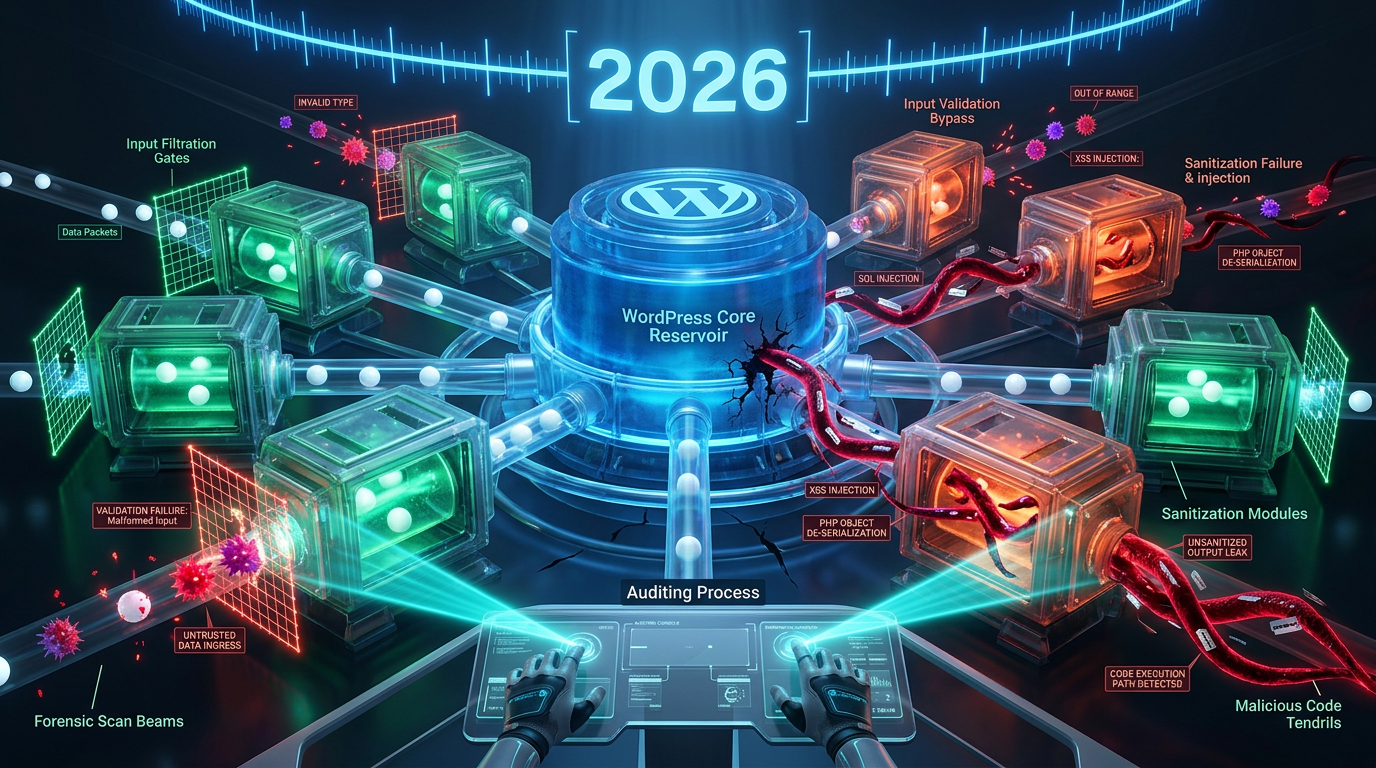
One of the primary concerns with any WordPress plugin, including accessibility tools, is security. Plugins that are poorly coded, infrequently updated, or abandoned by their developers can become significant security risks. Vulnerabilities in WordPress accessibility plugins could lead to data breaches, site defacement, or other malicious attacks. Always check:
- Last Update Date: Ensure the plugin has been recently updated, ideally within the last few months of 2026.
- Developer Reputation: Research the developer's history and track record.
- Known Vulnerabilities: Check public security databases for reports on the plugin. A good resource for this is the WPScan Vulnerability Database.
Performance Issues and Site Bloat
Adding plugins can inherently impact website performance. Some WordPress accessibility plugins, especially those with extensive features or heavy JavaScript reliance, can slow down page load times. This not only frustrates users but can also negatively affect SEO rankings. It's crucial to test site performance before and after plugin installation, using tools like Google PageSpeed Insights.
Compatibility Problems with Themes and Other Plugins
The WordPress ecosystem is vast, and conflicts between different plugins or between a plugin and your active theme are common. An accessibility plugin might interfere with crucial theme functionalities, break layouts, or conflict with other essential plugins (e.g., SEO plugins, security plugins). Thorough testing in a staging environment is non-negotiable before deploying any new WordPress accessibility plugins to a live site.
False Sense of Compliance and Over-Reliance
Perhaps the most insidious risk is developing a "false sense of compliance." While WordPress accessibility plugins can automate many tasks, they cannot guarantee 100% WCAG compliance on their own. Manual reviews by accessibility experts and user testing with individuals with disabilities remain essential. Over-reliance on automated tools without understanding the underlying principles of accessibility can lead to critical gaps in inclusivity. For comprehensive testing, consider resources like Deque's axe accessibility testing tools.
Best Practices for Selecting and Implementing WordPress Accessibility Plugins in 2026
To leverage the benefits of WordPress accessibility plugins effectively while mitigating risks, a strategic approach is required. Here are some best practices for site owners and developers in 2026:
Prioritize Reputable and Well-Maintained Plugins
Always opt for plugins from established developers with a strong track record of frequent updates, good support, and positive user reviews. Check the plugin's changelog, support forums, and official documentation before committing. A plugin that has not been updated in over a year is a red flag.
Conduct Thorough Testing in a Staging Environment
Never install and activate new WordPress accessibility plugins directly on a live site. Instead, use a staging environment to test for:
- Performance Impact: Measure load times and resource consumption.
- Compatibility: Check for conflicts with your theme and other active plugins.
- Functionality: Ensure the plugin's features work as expected across different browsers and devices.
- Accessibility Improvements: Verify that the plugin actually enhances accessibility and doesn't introduce new issues.
Combine Automated Tools with Manual Audits and User Testing
No single plugin can make your site fully accessible. Use WordPress accessibility plugins as valuable tools to catch common issues and provide user adjustments. However, always supplement them with:
- Manual WCAG Audits: Perform regular checks against WCAG guidelines.
- Keyboard Navigation Testing: Ensure all interactive elements are reachable and operable via keyboard.
- Screen Reader Testing: Test critical user flows with common screen readers (e.g., NVDA, JAWS).
- User Testing: Engage individuals with disabilities to get real-world feedback.
Educate Your Content Creators
Even the best WordPress accessibility plugins can't fix inaccessible content created by site editors. Train your content creators on best practices for:
- Meaningful Alt Text: Describing images accurately and concisely.
- Proper Heading Structure: Using H1-H6 tags semantically.
- Link Accessibility: Using descriptive link text instead of "click here."
- Color Contrast: Ensuring sufficient contrast for text and interactive elements.
- Video Captions and Transcripts: Providing alternatives for multimedia content.
By integrating these practices, you ensure that accessibility is ingrained at every stage of content creation, augmenting the work done by WordPress accessibility plugins that remodel user expectations.
The Future of Accessibility in WordPress: 2026 and Beyond
As the digital landscape continues to evolve, so too will the tools and strategies for web accessibility. In 2026, we're seeing an acceleration of AI-powered solutions, deeper integration of accessibility features into core WordPress, and a greater emphasis on personalized user experiences.
The role of WordPress accessibility plugins will likely shift. We can expect more intelligent plugins that can learn from user interactions, offer more nuanced remediations, and predict potential accessibility barriers before they occur. The ultimate goal remains the same: an internet that is truly usable by everyone, everywhere. For insights into how AI is boosting performance, consider The Silent Symbiotes: How WordPress Plugins Are Harnessing AI for Proactive Performance Optimization in 2026.

Written by Aras Akıncılar
Uzun yıllara dayanan WordPress deneyimine sahip bir siber güvenlik uzmanı olarak, eklenti ekosisteminin derinlemesine analizine odaklanıyorum. Güvenlik açıkları, performans düşüşleri ve uyumluluk sorunları üzerine hazırladığım makalelerle, WordPress kullanıcılarının sitelerini daha güvenli ve verimli hale getirmelerine yardımcı olmayı hedefliyorum.