The Silent Virtuosos: Unmasking WordPress Plugins Orchestrating WordPress Advanced Browser APIs & Client-Side Automation in 2026
In the evolving digital landscape of 2026, the power of web browsers extends far beyond simple page rendering. Modern browsers are sophisticated platforms, offering a rich suite of Application Programming Interfaces (APIs) that developers can leverage to create dynamic, interactive, and highly performant web experiences. For WordPress users and developers, understanding and utilizing these capabilities through plugins that leverage WordPress advanced browser APIs is becoming increasingly crucial. This article delves into how WordPress plugins are employing these powerful browser features, enabling everything from seamless user experiences to complex client-side automation, while also highlighting the inherent opportunities and potential risks.
Understanding WordPress Advanced Browser APIs and Their Impact
Browser APIs are interfaces exposed by web browsers that allow web applications to interact with browser functionalities and device hardware. Historically, client-side interactions were limited, but 2026 sees a robust ecosystem of APIs opening up new possibilities. These include APIs for geolocation, media capture, push notifications, storage, and even more advanced features like WebGL for 3D graphics, Web Sockets for real-time communication, and Service Workers for offline capabilities. WordPress plugins that tap into these advanced browser APIs can significantly enhance website functionality without relying solely on server-side processing. These advancements also touch upon the evolving landscape of browser security standards in 2026.
Geolocation API: Location-Aware Experiences
The Geolocation API allows a WordPress site to access a user's current location, with their explicit permission. Plugins use this for a myriad of purposes: displaying nearby businesses, personalizing content based on region, or even advanced mapping features. For instance, a directory plugin might use this API to show local services, enhancing relevance for the user. However, this also introduces potential geolocation fingerprinting and privacy risks that developers and users must be aware of.
MediaStream API (getUserMedia): Interactive Content Creation
With the MediaStream API, WordPress plugins can access a user's camera and microphone. This opens doors for direct video uploads, live streaming integrations, or even augmented reality features directly within the browser. Imagine a support plugin allowing users to record a video of their issue directly from the WordPress front-end.
Web Storage API: Enhanced Client-Side Data Management
The Web Storage API (LocalStorage and SessionStorage) provides a way for web applications to store data directly in the browser. Plugins leverage this for persistent user preferences,购物车数据,或缓存 frequently accessed information, reducing server load and improving page speed. This capability, while seemingly simple, is a cornerstone for creating fluid, responsive user interfaces.
Client-Side Automation Through WordPress Advanced Browser APIs
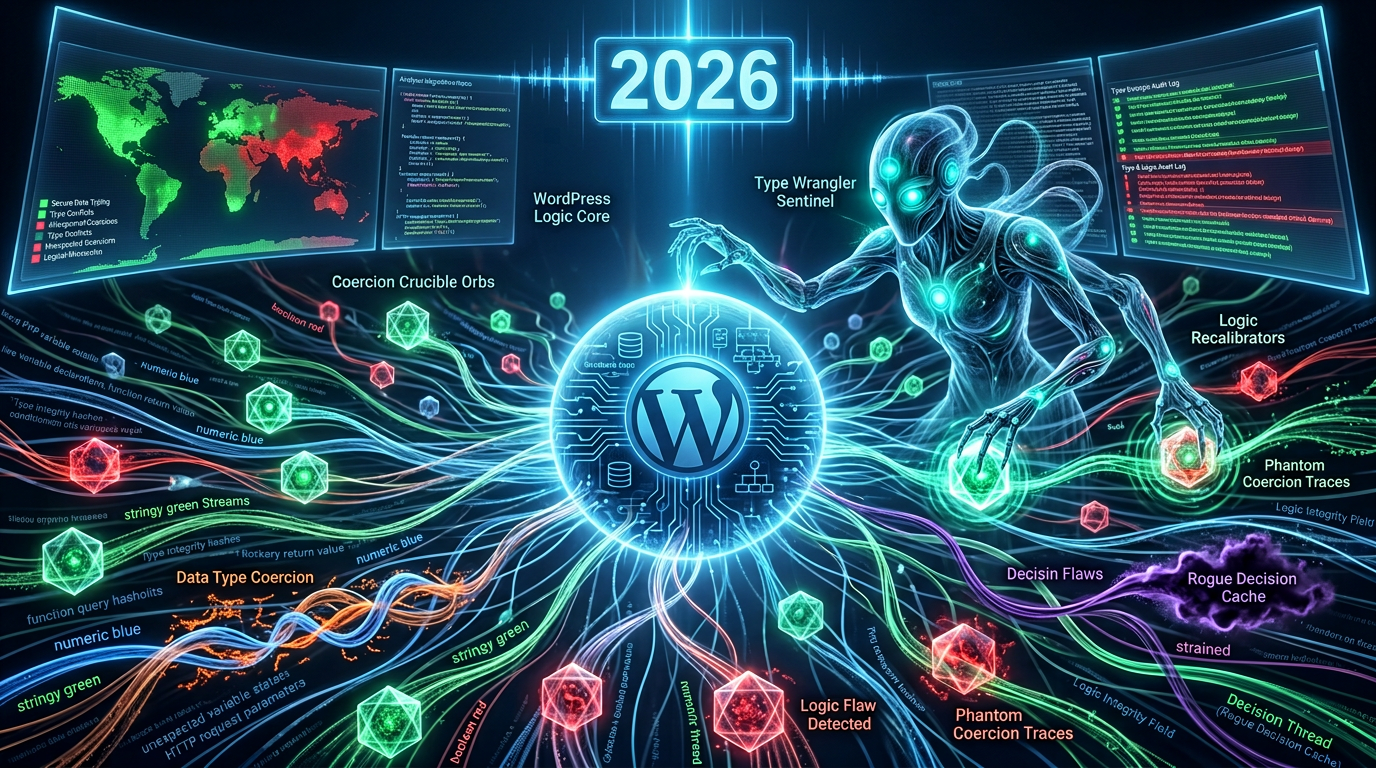
Beyond individual API functionalities, the combination of several browser APIs enables powerful client-side automation. WordPress plugins are at the forefront of orchestrating these interactions to deliver rich, app-like experiences. This often involves reducing reliance on server round trips, leading to faster and more interactive websites.
Service Workers: Offline Capabilities and Performance Boosts
Service Workers are a pivotal API for client-side automation, enabling features like offline browsing, push notifications, and background synchronization. A WordPress e-commerce plugin, for example, could use a Service Worker to allow users to browse products and add them to a cart even when offline, syncing the data once an internet connection is restored. This significantly enhances user experience, especially in areas with unstable connectivity, a concern fully addressed in 2026's internet landscape. Such advancements contribute to the overall digital resilience and disaster recovery capabilities of WordPress sites.
Web Sockets: Real-Time Interactions
For applications requiring real-time updates—like live chats, collaborative editing, or dynamic dashboards—Web Sockets provide a persistent connection between the browser and the server. WordPress plugins designed for customer support or project management can utilize Web Sockets to deliver instant notifications and updates without constant page refreshes, creating a highly engaging and responsive environment.
Web Push API: Engaging Users Proactively
Integrated with Service Workers, the Web Push API allows WordPress plugins to send notifications to users even when they are not actively browsing the site. This is invaluable for driving re-engagement, announcing new content, or reminding users about abandoned carts. Plugins offering subscription services or content updates frequently leverage this powerful automation tool.
Security Vulnerabilities and Performance Considerations
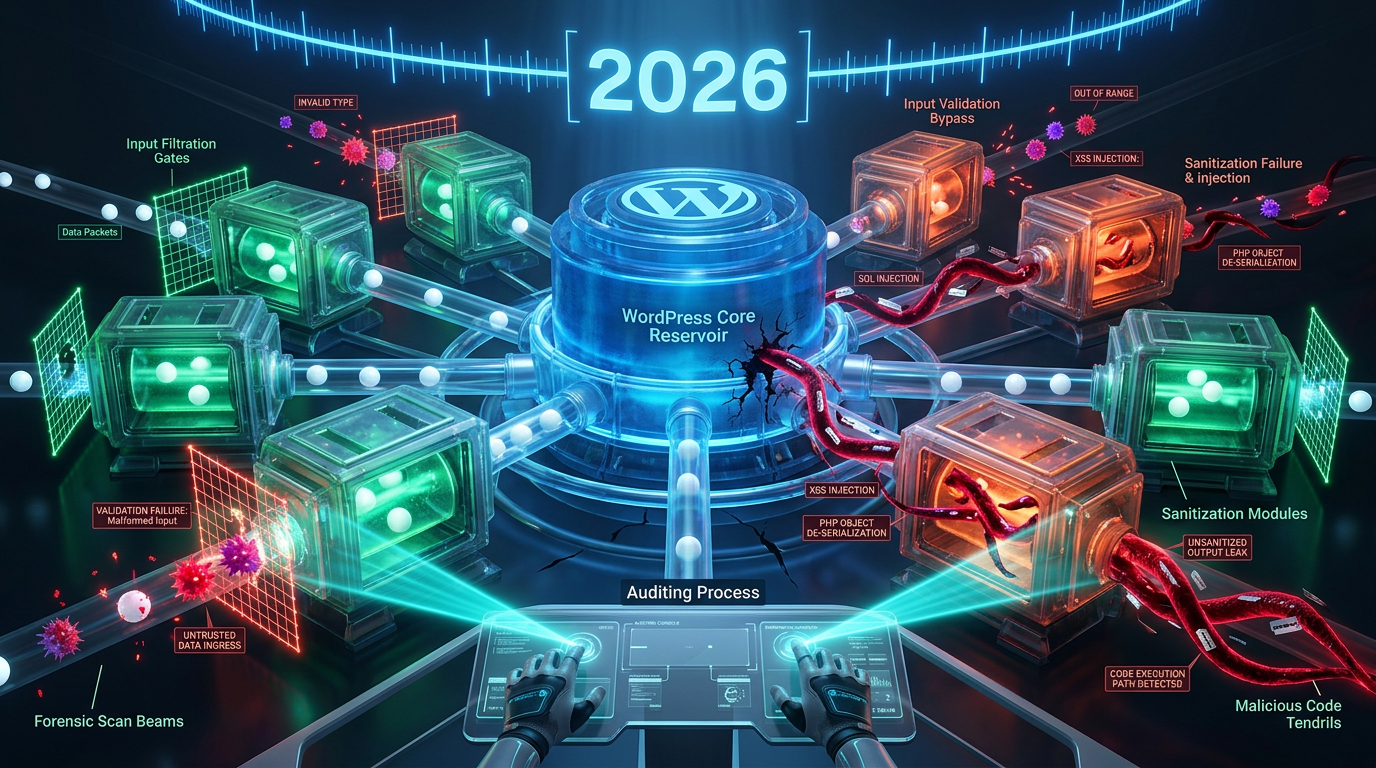
While the benefits of leveraging WordPress advanced browser APIs are significant, their implementation through plugins introduces potential risks that users and developers must be aware of in 2026. Security vulnerabilities, performance degradation, and compatibility issues are critical areas of concern. For more detailed insights into security, consider exploring resources from a leading cybersecurity organization like the Open Web Application Security Project (OWASP).
Outdated Code and Insecure Configurations
A common threat lies in plugins using outdated API implementations or insecure configurations. Browser APIs often evolve, and plugins that don't keep pace can expose vulnerabilities. For instance, improper handling of user permissions for Geolocation or MediaStream access could lead to privacy breaches. Regular plugin updates are crucial for mitigating these risks.
Excessive Permissions and Third-Party Dependencies
Some plugins might request broader browser permissions than strictly necessary for their stated functionality. Users should be vigilant about such requests. Furthermore, many plugins rely on third-party JavaScript libraries or external services to implement advanced browser API features. These dependencies can introduce additional security risks if they are not well-maintained or originate from untrustworthy sources. Developers must carefully vet all external components.
Performance Overheads and Compatibility Issues
While browser APIs are designed for efficiency, poorly optimized plugin code can lead to significant performance issues. Excessive API calls, large data storage in Web Storage, or inefficient Service Worker implementations can slow down page loading and consume more resources. Compatibility across different browsers and their varying API implementations also remains a challenge. Thorough testing is paramount to ensure a consistent user experience. These performance issues can impact SEO semantics and site architecture.
Best Practices for Utilizing WordPress Advanced Browser APIs in Plugins
To harness the power of WordPress advanced browser APIs responsibly, developers and site administrators should adhere to best practices. This ensures security, optimizes performance, and maintains compatibility across diverse user environments.
For Developers: Secure and Efficient Implementations
- Principle of Least Privilege: Always request the minimum necessary browser permissions and release them when no longer needed.
- Input Validation and Sanitization: Rigorously validate and sanitize all data received from browser APIs before using it, especially when interacting with the server.
- Error Handling and Fallbacks: Implement robust error handling for API failures and provide graceful fallbacks for browsers that do not support certain APIs.
- Performance Optimization: Minimize API calls, optimize data payloads, and use browser developer tools to profile and improve client-side performance.
- Stay Updated: Keep abreast of browser API changes and security standards. Regularly update third-party libraries and dependencies.
For Site Administrators: Vigilance and Maintenance
- Choose Reputable Plugins: Opt for plugins from trusted sources with a strong track record of security and regular updates. Resources like the official WordPress Plugin Directory are a good starting point.
- Review Permissions: Be mindful of the browser permissions requested by plugins, especially those accessing sensitive resources like location or camera.
- Regular Updates: Keep all WordPress core, themes, and plugins updated to their latest versions to patch known vulnerabilities.
- Performance Monitoring: Utilize tools to monitor website performance and identify any plugins causing slowdowns due to excessive client-side processing.
- Security Scans: Conduct regular security scans to detect potential threats introduced by plugin dependencies or insecure configurations.
The Future of WordPress Advanced Browser APIs in Client-Side Development
Looking ahead in 2026, the integration of WordPress advanced browser APIs into plugins is only set to deepen. We anticipate further advancements in areas like WebAssembly for near-native performance within the browser, more sophisticated WebGL applications for immersive experiences, and even greater adoption of WebXR for virtual and augmented reality directly on WordPress sites. The line between traditional web applications and native applications will continue to blur, driven by these powerful browser capabilities. As these technologies mature, the responsibility of ensuring secure, performant, and user-centric implementations will remain paramount for the WordPress ecosystem. This evolution also impacts how plugins become micro-orchestrators of Edge AI Inference, further enhancing client-side capabilities.
By understanding both the immense potential and the crucial considerations, WordPress users and developers can effectively leverage these silent virtuosos – the plugins orchestrating advanced browser APIs – to build the next generation of dynamic and engaging websites.
Frequently Asked Questions

Written by Aras Akıncılar
Uzun yıllara dayanan WordPress deneyimine sahip bir siber güvenlik uzmanı olarak, eklenti ekosisteminin derinlemesine analizine odaklanıyorum. Güvenlik açıkları, performans düşüşleri ve uyumluluk sorunları üzerine hazırladığım makalelerle, WordPress kullanıcılarının sitelerini daha güvenli ve verimli hale getirmelerine yardımcı olmayı hedefliyorum.