WordPress Multilingual Plugin Security: Safeguarding Your Global Site
In the increasingly interconnected digital landscape of 2026, reaching a global audience is paramount for any successful online venture. WordPress, dominating over 43% of all websites, offers robust solutions through its extensive ecosystem of multilingual and localization plugins. However, this convenience comes with a critical caveat: ensuring robust WordPress multilingual plugin security. These powerful tools, while essential for expanding your website’s reach, can introduce significant vulnerability risks if not properly managed, potentially compromising data integrity, user privacy, and overall site stability.
The Critical Importance of WordPress Multilingual Plugin Security
Multilingual plugins are not merely about content translation. They often handle complex data structures, user sessions, and integrations with other services. Their deep hooks into the WordPress core and database make them prime targets for malicious actors. Neglecting WordPress multilingual plugin security can, therefore, lead to a cascade of problems. These range from data breaches and defacement to SEO penalties and a significant loss of user trust. As the digital threat landscape continues to evolve rapidly, understanding and mitigating these risks is more important than ever in 2026. For a deeper dive into how plugins define functionality, consider Unmasking WordPress Plugins as Micro-CMSs & Their Security Footprint in 2026.
Common Security Vulnerabilities in Multilingual Plugins
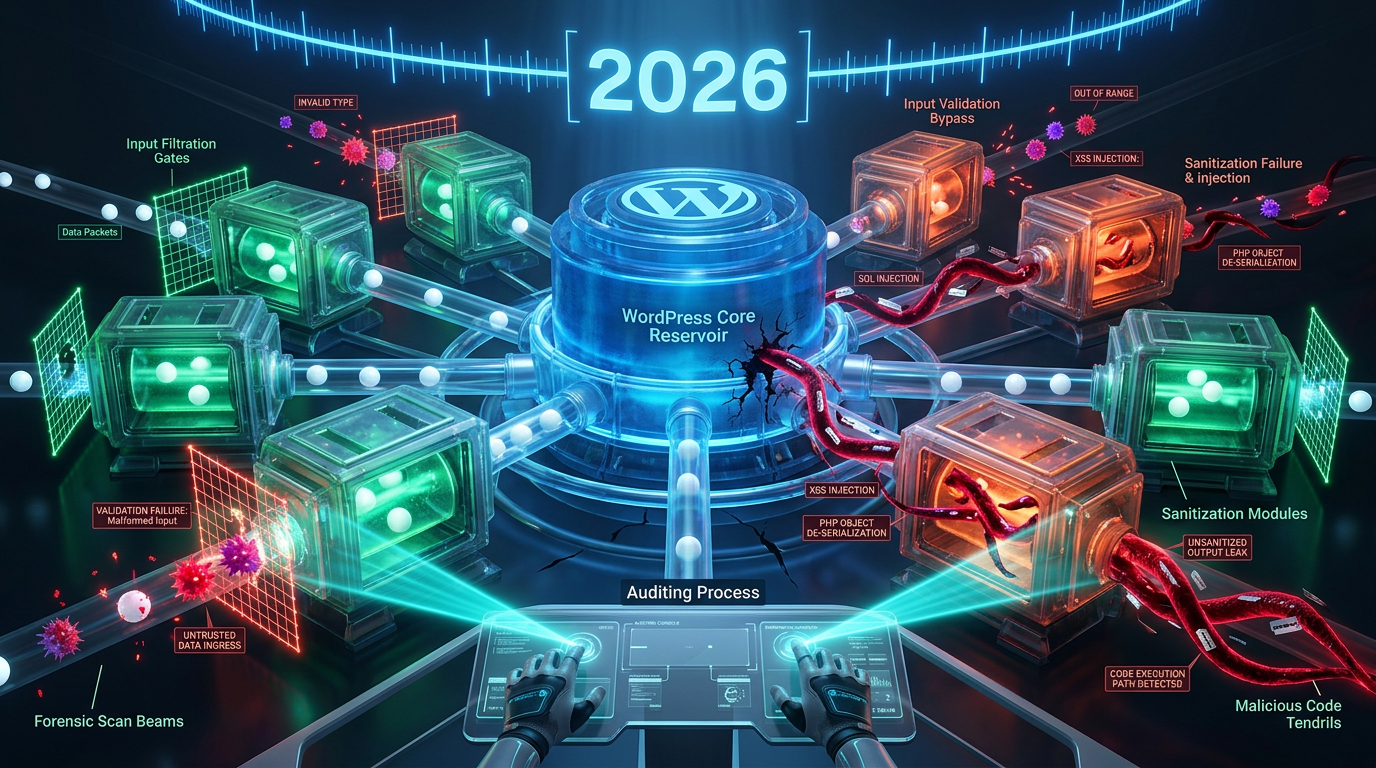
Several common security vulnerabilities can expose your website when using multilingual plugins. Being aware of these helps in proactively securing your site and strengthening your WordPress multilingual plugin security.
- Injection Flaws: SQL injection and cross-site scripting (XSS) remain prevalent. Attackers commonly exploit these to manipulate database queries or inject malicious client-side scripts, compromising user data or defacing websites. For more on this, read about The Silent Script Kiddies: Unmasking Injection Vulnerabilities in WordPress Plugin Hooks (2026).
- Broken Authentication and Session Management: Weaknesses here allow attackers to impersonate legitimate users or administrators. This leads to unauthorized access to sensitive areas of your site.
- Insecure Direct Object References (IDOR): If improperly implemented, multilingual plugins might allow unauthorized users to access, modify, or delete resources. This happens by manipulating parameter values referring to database objects.
- Security Misconfigurations: Default credentials, open directory listings, and unnecessarily enabled features can all be exploited if not securely configured.
The Impact of Compromised Localization Tools
Beyond the direct security implications, a compromised multilingual plugin can severely damage a website's localization efforts. Incorrect translations, data manipulation for specific locales, or even the injection of phishing content designed to target users in different languages can erode trust. This can consequently damage brand reputation faster than ever in today's fast-paced news cycles. The ripple effect can be devastating, especially for businesses relying heavily on international engagement, impacting everything from Search Engine Visibility to user trust. More details on the broader implications of plugin behavior can be found in this article on Unmasking Digital Pollution from WordPress Plugins in 2026.
Identifying and Mitigating Risks in Multilingual Plugins
The first crucial step toward strengthening WordPress multilingual plugin security is the proactive identification of potential risks. Therefore, regular security audits and staying informed about known vulnerabilities are non-negotiable. Developers and site administrators must work collaboratively to ensure the integrity of their website's linguistic layers.
Choosing Secure Multilingual Solutions
When selecting a multilingual plugin in 2026, prioritize security from the outset. Look for plugins with a strong reputation for security, regular updates, and transparent vulnerability disclosure. A thorough review of their security practices and development methodologies should certainly be part of your evaluation process.
- Reputation and Reviews: Check user reviews and community discussions regarding the plugin's security track record.
- Active Development: Plugins that are regularly updated and maintained are inherently less likely to harbor unpatched vulnerabilities.
- Security Audits: Does the plugin undergo independent security audits? Transparency about these audits is always a good sign of commitment to strong WordPress multilingual plugin security.
- Support for Best Practices: Does the plugin consistently follow WordPress coding standards and security best practices?
Regular Updates and Patch Management
Outdated plugins are a primary vector for attacks. Ensure that your multilingual plugins, along with all other WordPress components, are kept consistently up-to-date. Developers frequently release patches for newly discovered vulnerabilities. Delaying these updates leaves your site significantly exposed. It is therefore critical to implement a robust update strategy that includes regular backups before applying any updates. Understanding the WordPress Plugin Maintenance & Obsolescence is crucial here for maintaining optimal WordPress multilingual plugin security.
Best Practices for Enhancing WordPress Multilingual Plugin Security
Maintaining a secure multilingual WordPress site requires a multi-faceted approach. This combines careful plugin selection with ongoing vigilance and adherence to crucial security best practices. Integrating robust security measures should be an integral part of your website's lifecycle, not merely an afterthought, especially concerning WordPress multilingual plugin security.
Implementing Layered Security Measures
Beyond plugin-specific security, employ site-wide security measures that provide additional layers of protection. This includes using strong passwords, two-factor authentication (2FA), and limiting user permissions to the absolute minimum necessary. Furthermore, a Web Application Firewall (WAF) can effectively help filter malicious traffic before it reaches your server, offering a crucial front-line defense against known attack patterns.
- Strong Passwords and 2FA: Enforce complex passwords and enable two-factor authentication for all user roles, especially administrators.
- Principle of Least Privilege: Grant users only the permissions they absolutely need to perform their tasks.
- Firewall Protection: Implement a WAF (e.g., Cloudflare, Sucuri) to block malicious requests and shield your site from common attack vectors. You can learn more about general web application security best practices from reputable sources like OWASP Top 10.
- Regular Backups: Maintain a consistent schedule of full website backups. In the event of a breach, a recent backup can be a lifesaver for your WordPress multilingual plugin security.
Monitoring and Incident Response
Proactive monitoring of your WordPress site for suspicious activity is crucial. Security plugins can help detect anomalies, malware, and unauthorized changes. It is essential to have an incident response plan in place to quickly address any security breaches involving your multilingual implementation. This ensures minimal downtime and data loss. Timely detection and response are absolutely key to mitigating the damage from any security incident. Resources like CISA's Incident Response guidance offer valuable insights for developing such plans, further enhancing your WordPress multilingual plugin security.
The Future of WordPress Multilingual Plugin Security in 2026 and Beyond
As AI and machine learning become more integrated into translation and localization processes, new security challenges and opportunities will undoubtedly emerge. Developers of multilingual plugins will, therefore, need to continually adapt their security protocols to address these evolving threats. The focus will increasingly shift towards highly secure APIs, secure data handling for translated content, and resilient architecture that can withstand sophisticated attacks, all contributing to stronger WordPress multilingual plugin security.
Emerging Threats and Proactive Defenses
The rise of automated attacks and sophisticated phishing campaigns targeting specific language groups means that WordPress multilingual plugin security must become even more intelligent. Machine learning can be leveraged to detect unusual translation patterns or content injections indicative of a compromise. Furthermore, secure coding practices and developer education will remain paramount to prevent new vulnerabilities from being introduced. For cutting-edge insights into future threats and defenses, consider research from organizations like the European Union Agency for Cybersecurity (ENISA).
In conclusion, while WordPress multilingual plugins are indispensable tools for global outreach in 2026, their security cannot be overlooked. By understanding the risks, choosing reputable plugins, maintaining vigilant updates, and implementing comprehensive security measures, site owners can confidently leverage these powerful extensions. This allows them to serve a worldwide audience without compromising their website's integrity or their users' trust. The continuous effort to bolster WordPress multilingual plugin security is an ongoing commitment to a safer, more reliable global web.
Frequently Asked Questions

Written by Aras Akıncılar
Uzun yıllara dayanan WordPress deneyimine sahip bir siber güvenlik uzmanı olarak, eklenti ekosisteminin derinlemesine analizine odaklanıyorum. Güvenlik açıkları, performans düşüşleri ve uyumluluk sorunları üzerine hazırladığım makalelerle, WordPress kullanıcılarının sitelerini daha güvenli ve verimli hale getirmelerine yardımcı olmayı hedefliyorum.