The Silent Conductors: How Your WordPress Plugin Digital Footprint Shapes Your Site's Future
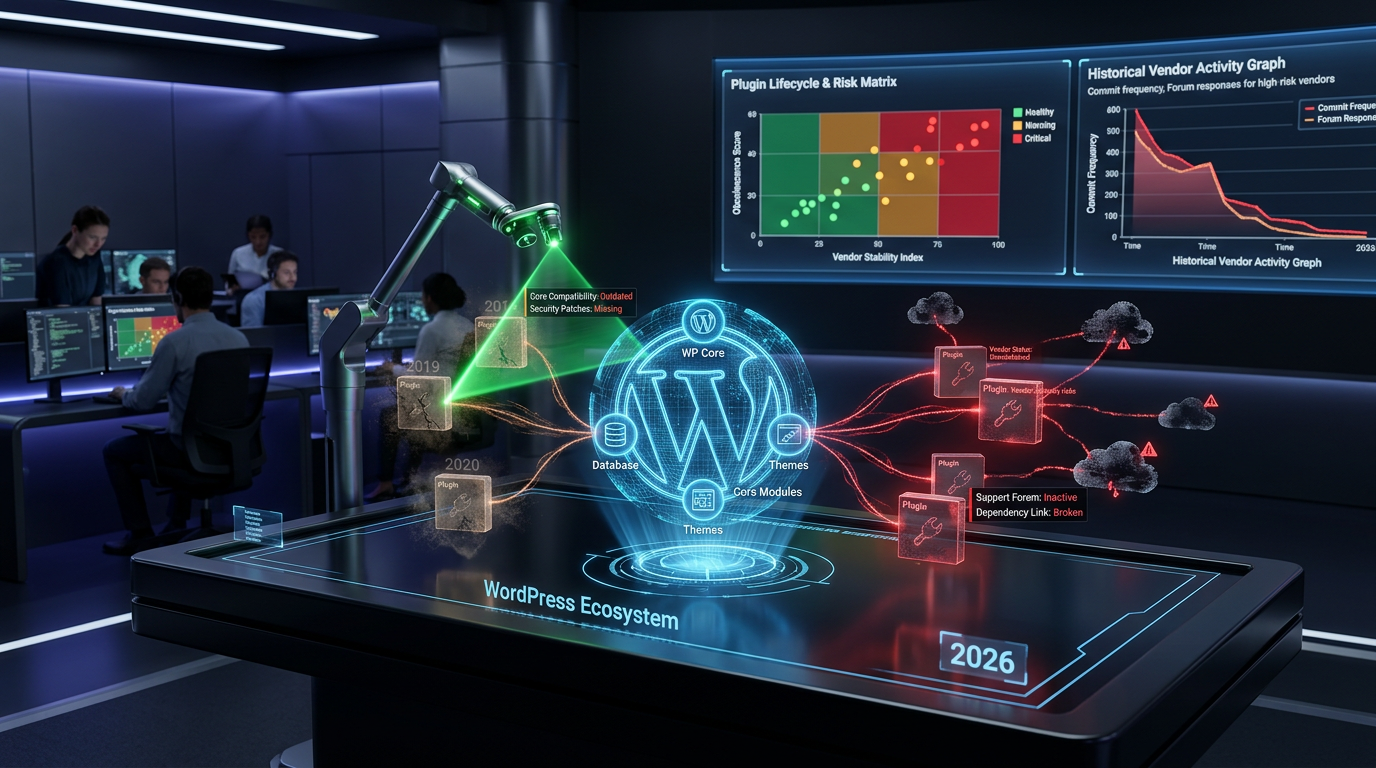
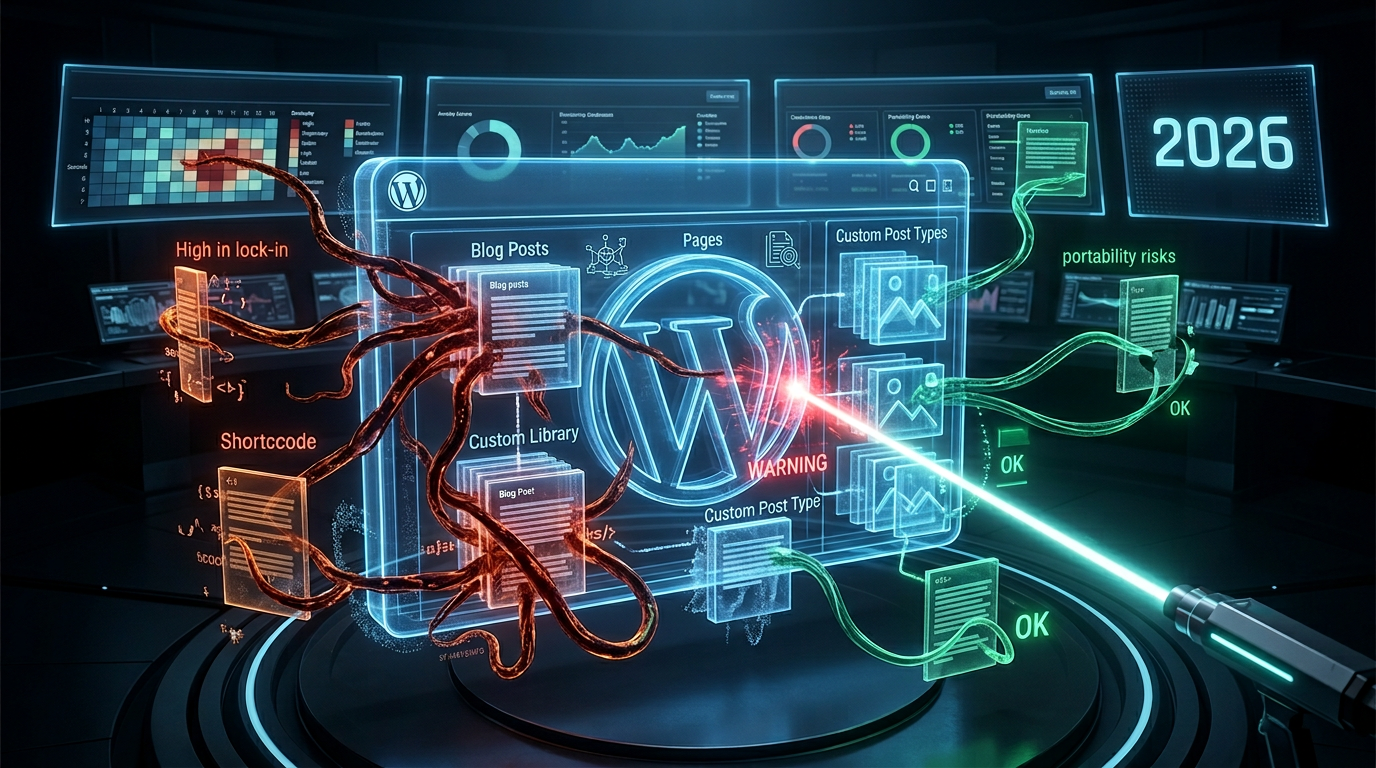
In the vast digital landscape of 2026, every website leaves a trace, a cumulative impact often referred to as its digital footprint. For WordPress users, a significant portion of this impact stems directly from their chosen plugins. Understanding your WordPress plugin digital footprint is no longer just about performance or security; it's also increasingly about your site's environmental responsibility and long-term sustainability. This article delves into how these powerful extensions silently conduct your site's presence, for better or worse, and provides strategies for managing their influence effectively.
Deconstructing the WordPress Plugin Digital Footprint
The term "digital footprint" encompasses a broad range of data and energy consumption associated with online activities. Specifically, for a WordPress site, the WordPress plugin digital footprint refers to the collective impact of all installed and active plugins. This impact includes factors like server resource usage, database queries, external API calls, third-party script loading, and even the resulting energy consumption for data transfer and storage.
Every plugin, from a simple contact form to a complex e-commerce solution, often adds layers to your website. These layers contribute to the overall size, complexity, and resource demands of your site. Ignoring this cumulative effect can inevitably lead to slower loading times, security vulnerabilities, and an unnecessarily large environmental impact.
What Constitutes a Plugin's Footprint?
- Code Volume: This refers to the sheer amount of code a plugin adds to your site. More code can often mean more processing.
- Database Interactions: Consider how frequently and efficiently a plugin reads from and writes to your database. Excessive queries can surely bog down your server. For deeper insights into database efficiency, explore The Silent Archaeologists: Unearthing Latent Plugin Legacy & Database Schema Evolution in WordPress (2026).
- External Dependencies: These include scripts, stylesheets, or services loaded from third-party sources like CDNs, analytics, and social media embeds. Furthermore, these increase network requests.
- Server Resource Consumption: This covers the CPU, RAM, and bandwidth explicitly used by the plugin's operations.
- Caching Behavior: Evaluate how well (or poorly) a plugin integrates with caching mechanisms.
The Environmental and Performance Impact of Your WordPress Plugin Digital Footprint
As we navigate 2026, concerns about climate change and energy consumption are front and center. Your website, and specifically your WordPress plugin digital carbon footprint, plays a crucial role. Each kilobyte of data transferred, each server request processed, and each bit of storage utilized consumes energy. Consequently, a bloated website with inefficient plugins contributes more to data center energy usage and associated carbon emissions, exacerbating the overall environmental impact of digital technologies.
Beyond environmental concerns, a heavy plugin footprint directly impacts performance. Users consistently expect fast-loading websites. Studies in 2026 continue to show that even a one-second delay in page load time can decrease conversions by up to 7%. Clearly, slow sites lead to higher bounce rates and poorer search engine rankings.
Performance Bottlenecks Created by Plugins
Plugins can introduce various performance woes. For instance, these include:
- Render-Blocking Resources: JavaScript or CSS files that prevent the page from rendering until they are fully loaded.
- Excessive HTTP Requests: Each additional file (image, script, stylesheet) requires a separate request to the server, consequently increasing load time.
- Poorly Optimized Database Queries: Inefficient database access can undoubtedly bring your server to its knees, especially under high traffic.
- Unnecessary Features: Plugins often come with features you don't use, yet they still load their associated code and resources.
Security Implications of an Unmanaged WordPress Plugin Digital Footprint
Security remains a paramount concern for any website owner in 2026. An unmanaged WordPress plugin digital footprint is a significant vector for potential security threats. Each plugin you install introduces a new set of code and potential vulnerabilities that can be exploited by malicious actors. In essence, the more plugins you have, the larger your attack surface becomes. For a deeper dive into protecting your site, consider consulting resources on web application security best practices.
Common plugin-related threats include outdated code, insecure configurations, excessive permissions, and vulnerabilities within third-party dependencies. If a plugin isn't regularly updated or maintained by its developer, it can undeniably become a ticking time bomb, waiting for a discovered flaw to be exploited. Understanding these risks is crucial for maintaining your site's integrity, as highlighted in articles like The Silent Compilers: Unmasking Cross-Compilation & Binary Injection Risks in WordPress Plugins (2026).
Key Plugin Security Risks
Be aware of these vulnerabilities that contribute to a negative WordPress plugin digital footprint. These risks encompass:
- Outdated Code: Old plugins frequently contain known vulnerabilities that have been patched in newer versions.
- Insecure Configurations: Default settings might be insecure, or users might configure plugins incorrectly, thus opening doors for attackers.
- Excessive Permissions: Some plugins request more access than they genuinely need, thereby increasing the risk if compromised.
- Third-Party Dependencies: A vulnerability in a library or framework used by a plugin can subtly affect your entire site.
- Malicious or Nulled Plugins: Plugins obtained from unofficial sources may contain hidden backdoors or malware.
Best Practices for Minimizing Your WordPress Plugin Digital Footprint
Proactive management is undeniably key to maintaining a lean, secure, and environmentally friendly WordPress plugin digital footprint. By adopting best practices, you can ensure your website remains performant, secure, and contributes positively to the broader digital ecosystem.
Strategic Plugin Management
- Audit Regularly: Periodically review all installed plugins. Deactivate and delete any that are not actively used or are redundant. This is essential for effective digital forensics and incident response.
- Choose Wisely: Before installing, therefore, research plugins thoroughly. Look for:
- Active development and regular updates.
- Good reviews and support.
- A clear understanding of its features and permissions.
- Prefer Lightweight Solutions: Opt for plugins that offer specific functionality without unnecessary bloat.
- Consolidate Functions: Sometimes, one robust plugin can skillfully replace several smaller, less efficient ones.
- Always Update: Keep all plugins, themes, and WordPress core up to date. This is crucial for security patches and performance improvements.
Technical Optimization Techniques
- Implement Caching: Use caching plugins to serve static versions of your pages, significantly reducing server load.
- Minify and Combine: Combine and minify CSS and JavaScript files to reduce the number of HTTP requests and file sizes.
- Optimize Images: Use image optimization plugins to compress images without losing quality.
- Lazy Loading: Implement lazy loading for images and videos so they only load when they enter the user's viewport.
- Utilize a CDN: A Content Delivery Network can deliver your static assets faster by serving them from a server geographically closer to your users.
By consistently applying these best practices, you can significantly reduce your WordPress plugin digital footprint, leading to a faster, more secure, and environmentally responsible website. In 2026, this proactive approach is not just recommended, it's absolutely essential.
Frequently Asked Questions

Written by Aras Akıncılar
Uzun yıllara dayanan WordPress deneyimine sahip bir siber güvenlik uzmanı olarak, eklenti ekosisteminin derinlemesine analizine odaklanıyorum. Güvenlik açıkları, performans düşüşleri ve uyumluluk sorunları üzerine hazırladığım makalelerle, WordPress kullanıcılarının sitelerini daha güvenli ve verimli hale getirmelerine yardımcı olmayı hedefliyorum.