WordPress Plugin Licensing: Negotiating Copyright & Mitigating Risks in 2026
Understanding WordPress plugin licensing is paramount for developers, website owners, and anyone operating within the WordPress ecosystem. In 2026, navigating the complex landscape of copyright, usage rights, and potential risks associated with plugins has become more critical than ever. This comprehensive guide will delve into the intricacies of licensing agreements, help you identify common pitfalls, and provide best practices for maintaining a secure and legally compliant WordPress website.
The Foundations of WordPress Plugin Licensing: GPL and Beyond
The vast majority of WordPress plugins adhere to the GNU General Public License (GPL). This open-source license is at the heart of WordPress itself and extends to many of its components. Understanding the GPL is fundamental to grasping how WordPress plugin licensing works.
The GPL allows users the freedom to run, study, modify, and distribute the software. This transparency fosters innovation and collaboration within the community. However, even with such a permissive license, certain nuances and interpretations exist that can impact usage and development.
What is GPL v2 and v3?
- GPL v2: The version under which WordPress core is licensed. It ensures the freedom to use, modify, and distribute the software, provided derived works are also released under GPL.
- GPL v3: A newer version with additional clauses addressing patent protection and digital rights management (DRM). While not as commonly used for WordPress core, many plugins opt for GPL v3.
The "Copyleft" Principle
GPL is a "copyleft" license, meaning that any derivative work based on GPL-licensed software must also be licensed under the GPL. This ensures that the freedoms granted by the license are preserved downstream. For WordPress plugin developers, this means that if their plugin incorporates GPL code, their own plugin must also be GPL-compatible.
This principle is crucial for maintaining the open-source spirit of WordPress. It prevents developers from taking GPL code, modifying it, and then releasing it under a restrictive proprietary license.
Decoding Different Licensing Models for WordPress Plugins
While GPL is dominant, not all WordPress plugins are solely GPL. Some integrate proprietary code or rely on hybrid models, which introduces more complexity into WordPress plugin licensing. It's essential to scrutinize the license agreement for every plugin you install.
Many premium plugins offer their core code as GPL but bundle proprietary design assets, support, or additional services under a separate commercial license. This dual-licensing approach is common and generally acceptable, provided the user understands their rights for each component. For a deeper dive into how plugins dictate backend logic, read about WordPress Plugins Dictating Backend Workflow Automation & Business Logic in 2026.
Freemium vs. Premium Licenses
- Freemium: These plugins offer a basic version for free (often GPL) and a "pro" version with advanced features and dedicated support, usually under a commercial license. Users must understand what parts are open-source and what requires a paid subscription.
- Premium: Entirely paid plugins often use a commercial license for the features, support, and updates. While the PHP code itself might be GPL-compatible due to its interaction with WordPress, front-end assets (JavaScript, CSS, images) or bundled services may fall under a more restrictive license.
Proprietary Add-ons and Extensions
Some GPL-licensed plugins offer proprietary add-ons or extensions that are sold separately. These add-ons may carry their own licensing terms that need careful review. Ignoring these terms can lead to legal issues or loss of functionality if licenses aren't maintained.
Always check the 'readme.txt' file within a plugin's directory or its official documentation for explicit licensing information. Don't assume a plugin is entirely GPL just because it's listed in the WordPress.org repository.
Navigating Copyright Risks and Legal Compliance in 2026
Ignoring WordPress plugin licensing can expose you to significant copyright risks. In the increasingly digital and litigious landscape of 2026, understanding and adhering to licensing terms is not just good practice – it's a legal necessity.
Using a plugin without proper licensing can lead to cease-and-desist letters, legal disputes, and financial penalties. Beyond the legal ramifications, it undermines the trust and integrity of the open-source community that WordPress thrives on.
Pirated Plugins: A Major Risk
Downloading "nulled" or pirated versions of premium plugins is a critical mistake. These versions often come with hidden malware, backdoors, and security vulnerabilities that can compromise your entire website. They also violate copyright outright, making you liable for infringement. For example, considering the potential impact on your site's SEO link graph and ranking potential, using compromised plugins can be devastating.
- Security Breaches: Nulled plugins are a primary vector for website hacks and data breaches.
- No Support/Updates: You won't receive critical security updates or official support, leaving your site exposed.
- Legal Ramifications: Direct copyright infringement can lead to severe legal penalties.
Always purchase premium plugins directly from the developer's official website or reputable marketplaces. The small cost of a license is a worthwhile investment in security and legal compliance.
Attribution and Derivative Works
If you modify a GPL-licensed plugin, you are generally free to do so, but you must make the source code of your modified version available under the GPL. This ensures that the "copyleft" principle is upheld. Proper attribution, even if not explicitly required by the GPL for modification, is a good ethical practice.
When creating a derivative work, be clear about your changes and provide appropriate credit to the original author. This transparency benefits both the community and your reputation as a developer.
Best Practices for Managing Your WordPress Plugin Licensing in 2026
Effective management of your plugin licenses is crucial for security, performance, and legal compliance. As websites become more complex and reliant on multiple plugins, a proactive approach is essential.
Consider implementing a system to track all plugin licenses, expiry dates, and support renewal schedules. This becomes increasingly important for agencies managing multiple client websites.
Audit Your Plugin Inventory Regularly
- Review Active Plugins: Identify all installed plugins and verify their licensing terms. Look for any outdated or revoked licenses.
- Check for Unused Plugins: Deactivate and delete any plugins that are no longer in use to reduce potential attack vectors and simplify license management.
- Verify Sources: Ensure all plugins were obtained from official and reputable sources. Remove any suspicious installations immediately.
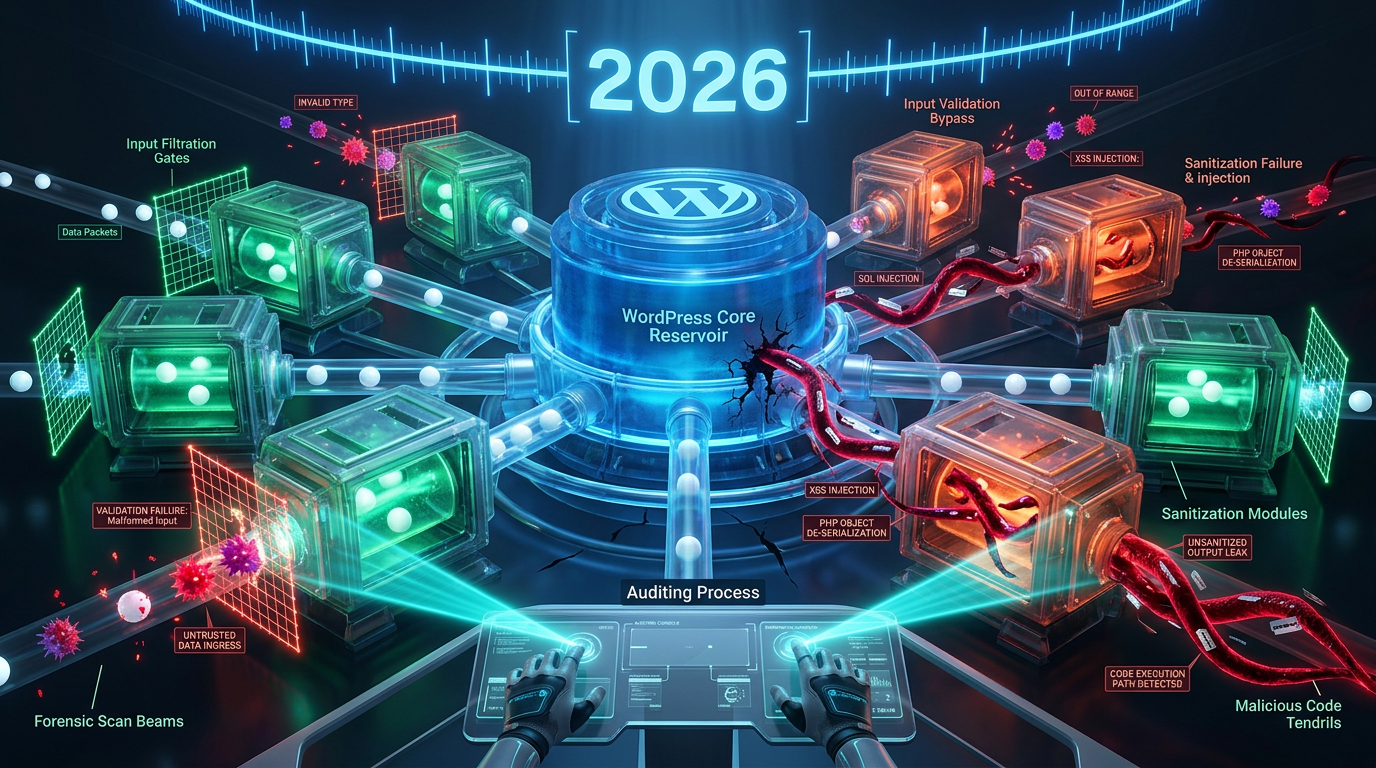
A regular audit, ideally on a quarterly basis in 2026, can help identify compliance issues before they escalate. For more insights on plugin-related risks, explore discussions around supply chain integrity in WordPress plugins. Documenting your plugin inventory is a simple yet powerful step.
Prioritize Security and Updates
Paid licenses often come with dedicated support and, more importantly, regular security updates. Timely updates patch vulnerabilities, add new features, and ensure compatibility with the latest WordPress versions.
Neglecting updates due to an expired license or using a nulled plugin is an open invitation for hackers. In 2026, with increasing cyber threats, maintaining up-to-date plugins with active licenses is non-negotiable for website security. For information on current cybersecurity trends, visit CISA's 2026 Cybersecurity Threat Landscape.
Understand Support Agreements
Many premium plugins bundle support within their licensing fees. This support can be invaluable when troubleshooting issues, ensuring compatibility, or leverage advanced features. An active license means access to these critical resources.
Ensure you understand what is covered by your support agreement. Some licenses offer priority support, while others provide basic assistance for a limited period. This is part of the value proposition of legitimate WordPress plugin licensing.
Conclusion: The Future of WordPress Plugin Licensing
As WordPress continues to evolve, so too will the nuances of plugin licensing. In 2026, the emphasis on security, legal compliance, and ethical development is stronger than ever. For developers, adhering to GPL and clear communication about additional terms builds trust and fosters a healthy ecosystem. To learn more about ethical considerations in software development, refer to resources like the Free Software Foundation's explanation of free software.
For website owners, diligent research, purchasing from official sources, and proactive license management are key to a secure, high-performing, and legally sound online presence. Embrace the principles of responsible WordPress plugin licensing, and your website will benefit immensely.
Frequently Asked Questions

Written by Aras Akıncılar
Uzun yıllara dayanan WordPress deneyimine sahip bir siber güvenlik uzmanı olarak, eklenti ekosisteminin derinlemesine analizine odaklanıyorum. Güvenlik açıkları, performans düşüşleri ve uyumluluk sorunları üzerine hazırladığım makalelerle, WordPress kullanıcılarının sitelerini daha güvenli ve verimli hale getirmelerine yardımcı olmayı hedefliyorum.