WordPress Plugin Redundancy: Unmasking Overlap & Optimizing Performance in 2026
In the fast-evolving digital landscape of 2026, maintaining a high-performing and secure WordPress website is paramount. One often-overlooked challenge that silently cripples many sites is WordPress plugin redundancy. This refers to the situation where multiple plugins are installed, performing identical or overlapping functions. This overlap often leads to unnecessary resource consumption, potential conflicts, and increased security risks. Therefore, understanding and addressing this redundancy is crucial for any WordPress administrator aiming for optimal site health and efficiency. For a deeper dive into overall WordPress security, explore WordPress Plugin Security: Fundamental Risks and Precautions.
Understanding WordPress Plugin Redundancy and its Impact
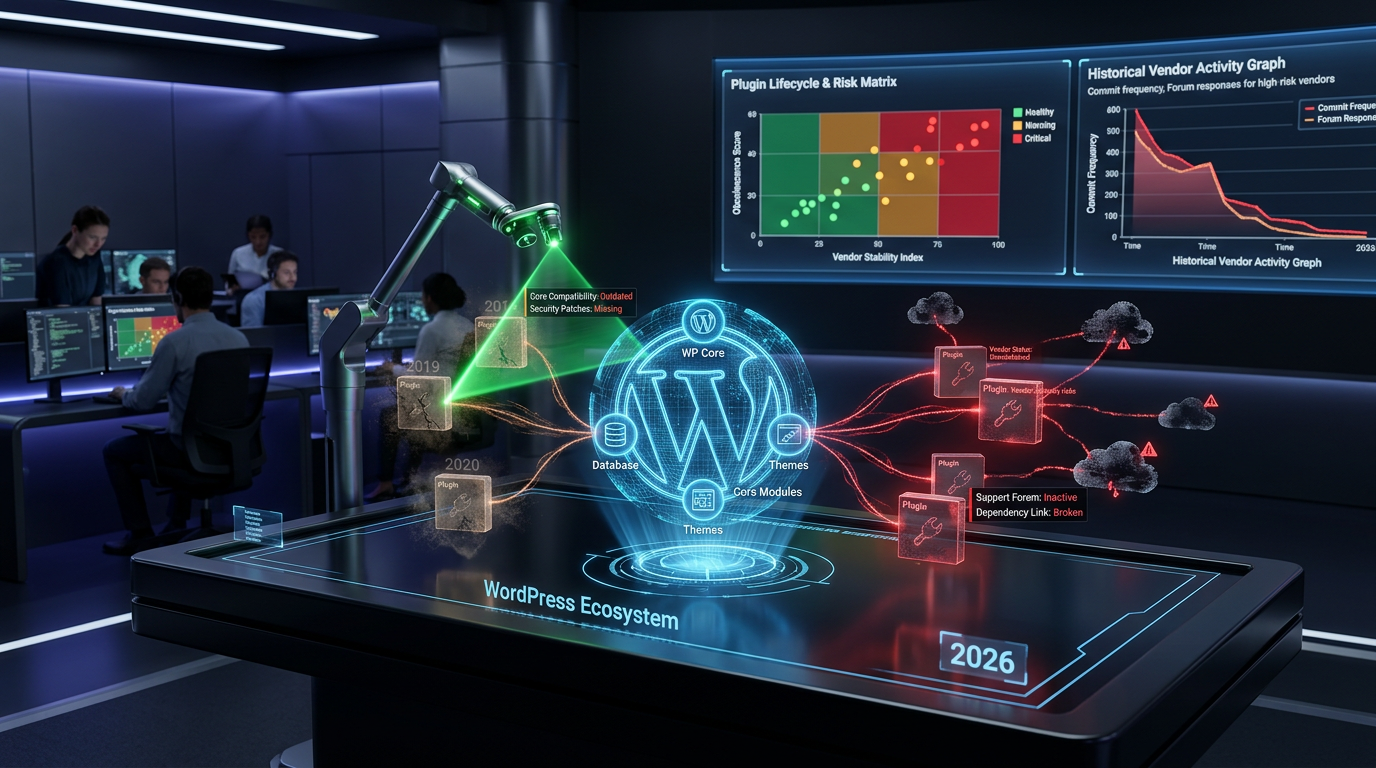
WordPress plugin redundancy isn't just about having two plugins that do the exact same thing; it also encompasses situations where plugins offer overlapping features, even if their primary functions differ. For instance, you might have one plugin dedicated to SEO and another for image optimization, yet both might include a caching feature. This overlap, while seemingly innocent, can compound system load, create performance bottlenecks, and introduce unexpected compatibility issues that are difficult to diagnose. These issues are often exacerbated by hidden plugin dependencies, which can create a complex web of interactions.
The impact of unchecked WordPress plugin redundancy, moreover, extends beyond just site speed. It can lead to a more bloated WordPress installation, making backups larger and more unwieldy. Debugging becomes significantly harder when multiple plugins are vying for the same system resources or attempting to modify the same core WordPress functions. Ultimately, these issues can culminate in a subpar user experience and even contribute to a lower search engine ranking due to slow loading times. This also touches upon the broader topic of how WordPress plugins shape user experience and SEO.
The Hidden Costs of Plugin Overlap
- Performance Degradation: Each active plugin, especially redundant ones, adds to the server's workload, consequently slowing down your website. Learn more about identifying and addressing CPU hogs and memory leaks in WordPress plugins.
- Increased Security Vulnerabilities: More plugins inevitably mean a larger attack surface. Redundant plugins essentially double your risk for a given functionality. This is a critical aspect of digital supply chain risks in WordPress plugins.
- Compatibility Conflicts: Plugins performing similar tasks can indeed clash, leading to errors, broken features, or even a complete "white screen of death."
- Maintenance Headaches: Updating and managing a large, overlapping plugin ecosystem is time-consuming and also prone to errors.
Identifying and Diagnosing WordPress Plugin Redundancy
The first step in combating WordPress plugin redundancy is effective identification. This requires a systematic approach to auditing your site's installed plugins and understanding their individual functionalities. Simply looking at plugin names can be misleading, as many powerful plugins offer a suite of features that might overlap with other single-purpose plugins you have installed. Therefore, it's essential to delve into the settings and documentation of each plugin. For a comprehensive approach, consider implementing essential plugin auditing strategies for 2026.
A good starting point, moreover, is to list all your active plugins and categorize them by their primary function (e.g., SEO, security, caching, forms, e-commerce). Then, carefully review the features offered by each plugin within those categories. You might be surprised to find that your dedicated image optimization plugin also purges cache, or your contact form plugin includes basic spam protection already handled by another security suite. Both tools and manual checks are crucial here. Understanding the silent language of updates and versioning strategies can also help in discerning plugin capabilities over time.
Tools and Techniques for Redundancy Detection
- Manual Plugin Audit: Go through each active plugin, read its description, check its settings, and understand all its features.
- Plugin Feature Comparison Charts: For common functionalities (like caching or SEO), search for comparison charts online to see which plugins offer what.
- Developer Documentation: Refer to the official documentation for each plugin to get a comprehensive list of its capabilities.
- Staging Environment Testing: Deactivate plugins one by one or in groups on a staging site to see if core functionalities remain intact, indicating potential WordPress plugin redundancy.
Common Areas of WordPress Plugin Redundancy in 2026
As of 2026, certain plugin categories are particularly prone to WordPress plugin redundancy due to the vast array of options available and the constant expansion of plugin features. These often include performance optimization, security, SEO, and backup solutions. A common scenario involves users installing a dedicated caching plugin, then later installing a performance suite that also offers robust caching, creating an immediate overlap. This highlights the importance of making informed choices to avoid performance and security trade-offs.
Another frequent area for redundancy is image optimization. While a dedicated plugin is often beneficial, many general performance plugins or even some CDN services now include image optimization features. Similarly, security suites often incorporate firewalls, malware scanning, and login protection, making separate single-purpose security plugins redundant. Staying informed about the latest trends and features in the WordPress ecosystem is key to avoiding these pitfalls before they arise. Consulting reputable sources like the official WordPress Plugin Directory can assist in researching new plugins.
Key Areas to Watch for Overlap
- Caching: Dedicated caching plugins vs. caching built into performance suites or CDN integrations.
- Image Optimization: Specific image optimizers vs. features within general performance or media management plugins.
- SEO: Comprehensive SEO plugins (like Yoast or Rank Math) vs. additional plugins for sitemaps, schema, or broken link checking.
- Security: All-in-one security suites vs. separate plugins for firewalls, spam protection, or login hardening.
- Backup Solutions: Multiple backup plugins, or backup features within hosting panels conflicting with plugin-based solutions.
Strategies to Prevent and Resolve WordPress Plugin Redundancy
Preventing WordPress plugin redundancy starts with a mindful installation process. Before adding any new plugin, ask yourself: "Does my site already have a plugin that offers this functionality, either as its primary role or as a secondary feature?" Always research new plugins thoroughly, reading their descriptions, reviews, and looking for comprehensive feature lists. Prioritize multi-functional, well-maintained plugins from reputable developers over multiple single-purpose plugins when appropriate, as this can often reduce your overall plugin count. Alternatively, for bespoke needs, consider outsourcing plugin development and maintenance.
For existing sites, resolving WordPress plugin redundancy involves a careful evaluation and consolidation strategy. Once identified, you'll need to decide which plugin to keep and which to remove. This often means choosing the plugin that is more robust, better supported, or more essential to your core business functions. Always perform these changes on a staging site first, and back up your live site before deploying any changes. A clean and lean plugin architecture, undoubtedly, is a hallmark of a healthy WordPress site. Remember to address digital residues and zombie processes from deactivated plugins to truly clean up your site.
Best Practices for Plugin Management
- Adopt a "Less is More" Philosophy: Only install plugins that are absolutely essential for your site's functionality.
- Thorough Research: Before installing, investigate a plugin's features to avoid WordPress plugin redundancy from the outset.
- Regular Audits: Conduct quarterly or semi-annual plugin audits to re-evaluate necessity and check for newly developed overlaps.
- Consolidate Features: If one powerful plugin can replace several smaller ones, consider making the switch.
- Staging Environment First: Always test plugin changes, removals, or replacements on a staging site to prevent live site issues.
- Backup Reliably: Ensure you have recent, working backups before making any significant changes to your plugin ecosystem.
The Future of WordPress Plugin Management and Redundancy in 2026
Looking ahead to the rest of 2026 and beyond, the discussion around WordPress plugin redundancy will only grow more significant. As WordPress continues to evolve, and its core functionalities expand, the lines between what's needed as a plugin and what's built into the core will blur further. Furthermore, AI-powered tools for site analysis and optimization may become more prevalent, potentially offering automated suggestions for identifying and resolving plugin overlaps.
The emphasis will be on smarter plugin selection, more integrated solutions, and continuous monitoring. Developers and users alike will increasingly seek out plugins that are modular and efficient, allowing for fine-grained control over features to prevent unnecessary bloat. Best practices for secure and performant WordPress sites will consistently highlight the importance of minimizing plugin count and actively managing for redundancy. This proactive approach will be key to staying competitive and secure in the dynamic digital environment. Keeping an eye on industry trends, such as those discussed on leading WordPress news sites like WP Tavern, can provide valuable insights.
Evolving Trends in Plugin Optimization
- AI-Driven Site Audits: Expect more sophisticated tools that can automatically identify redundant functionalities.
- Core WordPress Enhancements: As WordPress itself gains more features, certain plugins may become entirely obsolete. Consider the implications of reviving core WordPress functionality with strategic plugin replacement.
- Headless WordPress & API Integrations: A move towards headless architectures can influence how plugins are used, potentially reducing front-end redundancy.
- Containerization and Microservices: Advanced deployments might isolate plugin functionality more effectively, though the principle of avoiding internal WordPress plugin redundancy remains.
- Community Best Practices: A stronger community focus on lean and efficient plugin setups will guide new developers and users.
Frequently Asked Questions

Written by Aras Akıncılar
Uzun yıllara dayanan WordPress deneyimine sahip bir siber güvenlik uzmanı olarak, eklenti ekosisteminin derinlemesine analizine odaklanıyorum. Güvenlik açıkları, performans düşüşleri ve uyumluluk sorunları üzerine hazırladığım makalelerle, WordPress kullanıcılarının sitelerini daha güvenli ve verimli hale getirmelerine yardımcı olmayı hedefliyorum.