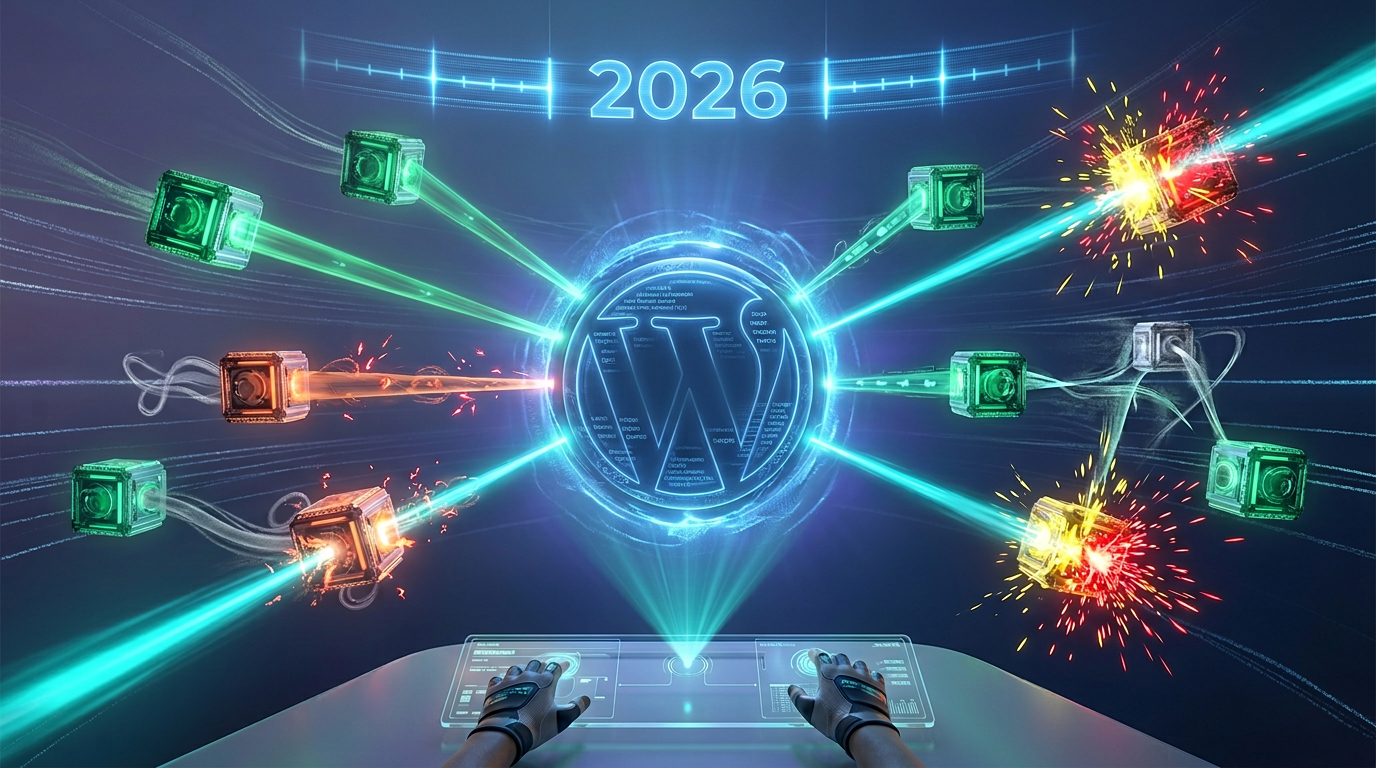
WordPress Plugin Resource Management: Optimize Performance
In the intricate ecosystem of WordPress websites, the pursuit of optimal performance and stability often hinges on effective WordPress plugin resource management. While plugins are indispensable for extending functionality, they can also become silent auctioneers, covertly bidding for and consuming precious server resources. As we navigate 2026, understanding how to monitor, identify, and mitigate resource-hungry plugins is more critical than ever for maintaining a secure, fast, and reliable online presence.
Understanding the Impact of Poor WordPress Plugin Resource Management
Every WordPress website relies on server resources like CPU, memory, and database I/O to function. Each plugin introduced to your site makes demands on these resources. When not managed effectively, this can lead to slow loading times, database errors, and even complete site crashes.
Furthermore, the cumulative effect of multiple inefficient plugins can quickly overwhelm even robust hosting environments. The deeper challenge lies in the fact that many plugins, even popular ones, may not be optimized for resource efficiency. Without proper monitoring tools and a proactive approach, these issues can go unnoticed until they escalate, significantly impacting user experience and SEO rankings. This can also lead to digital pollution from WordPress plugins, contributing to a larger environmental footprint.
Common Resource-Hogging WordPress Plugins
Certain types of plugins are more prone to consuming significant server resources. Identifying these categories can help you be more vigilant:
- Image Optimization Plugins: While crucial for performance, poorly configured image optimizers can consume vast amounts of CPU during processing.
- Backup Plugins: Running full backups during peak traffic hours can cripple server performance due to intensive database and file operations.
- Security Scanners: Frequent, deep scans, though necessary, can be resource-intensive if not scheduled appropriately. For comprehensive security, refer to discussions on unmasking hidden authentication bypasses in WordPress plugins.
- E-commerce Extensions: Complex e-commerce features with real-time inventory updates and numerous product variations often demand significant database resources.
- Analytics and Tracking Tools: Excessive tracking scripts and database writes can often slow down page generation.
Identifying Resource-Intensive WordPress Plugins for Better Management
Successfully implementing WordPress plugin resource management strategies begins with accurately identifying which plugins are consuming the most resources. This isn't always straightforward, as the impact can vary based on your site's traffic, hosting environment, and plugin configuration. However, several methods and tools can help pinpoint the culprits.
It's important to ignore the temptation to simply deactivate plugins based on a hunch. Instead, a systematic approach will provide data-driven insights, allowing you to make informed decisions and ensure your website remains performant without sacrificing essential functionality in 2026. This ties into the broader challenge of unmasking WordPress plugin overlap and redundancy, which often contributes to unnecessary resource consumption.
Diagnostic Tools and Techniques for WordPress Plugin Resource Management
Utilizing the right tools is essential for effective diagnosis:
- Hosting Provider Metrics: Most reputable hosting providers offer cPanel or custom dashboards with detailed resource usage statistics. Pay attention to CPU usage, memory consumption, and MySQL queries, as spikes often correlate with automated plugin activities.
- Debugging Plugins: Tools like Query Monitor offer invaluable insights into database queries, HTTP API calls, and PHP errors generated by your themes and plugins. This can effectively identify inefficient database operations causing resource strain.
- Application Performance Monitoring (APM): For more advanced users, APM tools like New Relic or Kinsta's APM provide deep insights into individual PHP functions, database transactions, and external requests, effectively showing you the resource footprint of each part of your WordPress installation. For a deeper understanding of monitoring, consider exploring external resources on what is APM by New Relic.
- Server Logs: Error logs and access logs can reveal frequent errors or slow requests directly linked to specific plugin actions, giving crucial clues about performance bottlenecks.
Best Practices for Effective WordPress Plugin Resource Management in 2026
Proactive WordPress plugin resource management is key to maintaining a high-performing website. Implementing a set of best practices can significantly reduce the likelihood of resource-related issues and ensure your site runs smoothly, even with a robust set of functionalities. These practices extend beyond just identifying problems; they encompass smart installation, configuration, and maintenance routines.
By adopting these strategies, you can prevent many common performance pitfalls associated with plugins. This ensures a better experience for your users and less overhead for your server infrastructure, a critical consideration in today's competitive online landscape. It also contributes to better environmental management and resource consumption of WordPress plugins.
Optimizing WordPress Plugin Usage for Peak Performance
Smart plugin management involves several key actions:
- Limit Plugin Count: While tempting to install a plugin for every desired feature, every additional plugin adds overhead. Consolidate functionalities where possible and only install what's absolutely necessary.
- Choose Lightweight Alternatives: When selecting plugins, prioritize those known for their efficiency and clean code. User reviews and developer reputation can offer valuable insights into a plugin's quality and resource demands.
- Configure Wisely: Many plugins come with numerous settings. Disable features you don't use, optimize schedules for resource-intensive tasks (e.g., backups at off-peak hours), and avoid excessive logging.
- Keep Plugins Updated: Developers frequently release updates that include performance improvements and bug fixes. Running outdated plugins can lead to inefficiencies, security vulnerabilities, and compatibility problems. Consider practices around WordPress plugin maintenance and obsolescence for long-term health.
- Regularly Review and Audit: Periodically audit your installed plugins. Deactivate and remove any plugins that are no longer needed or haven't been updated recently. This proactive approach to WordPress plugin resource management helps declutter your site.
- Staging Environments: Always test new plugins or major updates in a staging environment before deploying them to your live site. This allows you to identify any resource contention or conflicts without impacting your production environment.
Mitigating Risks: Beyond Resource Consumption in WordPress Plugin Resource Management
While WordPress plugin resource management primarily focuses on server performance, it's crucial to remember that plugins introduce other significant risks, including security vulnerabilities and compatibility issues. An inefficient plugin often signals poor development practices that can extend to security loopholes or conflicts with other components of your WordPress ecosystem.
In 2026, the landscape of cyber threats is ever-evolving. A plugin that is a resource hog might also be an older, unmaintained one, making it a prime target for attackers or a source of incompatibility with newer WordPress versions or PHP standards. This highlights the importance of understanding digital supply chain risks in WordPress plugins.
Addressing Security and Compatibility in WordPress Plugin Management
Proactive measures are vital to mitigate broader risks:
- Security Audits: Regularly scan your site for vulnerabilities using reputable security plugins or services. Be especially wary of plugins with known CVEs (Common Vulnerabilities and Exposures). For more details, explore resources like MITRE's CVE List.
- Permission Management: Understand the permissions requested by plugins. Overly broad permissions can be a red flag. Restrict file and directory permissions where appropriate. This is key to addressing excessive permissions in WordPress plugins.
- Third-Party Dependencies: Many plugins rely on external libraries or services. Ensure these dependencies are also secure and up-to-date. Outdated dependencies can introduce significant vulnerabilities.
- Compatibility Checks: Before updating core WordPress or other major plugins, verify compatibility with your existing plugin stack. Use tools like WP Health Check & Troubleshooting to isolate conflicts effectively.
- Database Load: Some plugins perform excessive database queries or create numerous unnecessary database tables. Monitor your database size and query performance, considering tools that can optimize or clean your database effectively.
Mastering WordPress plugin resource management is an ongoing process, not a one-time fix. By understanding how plugins impact your server resources, actively identifying inefficient components, and applying best practices for installation and maintenance, you can ensure your WordPress website remains fast, secure, and resilient throughout 2026 and beyond. Ultimately, a well-managed plugin ecosystem is the bedrock of a successful online presence.
Frequently Asked Questions

Written by Aras Akıncılar
Uzun yıllara dayanan WordPress deneyimine sahip bir siber güvenlik uzmanı olarak, eklenti ekosisteminin derinlemesine analizine odaklanıyorum. Güvenlik açıkları, performans düşüşleri ve uyumluluk sorunları üzerine hazırladığım makalelerle, WordPress kullanıcılarının sitelerini daha güvenli ve verimli hale getirmelerine yardımcı olmayı hedefliyorum.