The Silent Bioreactors: How WordPress Plugins Metabolize & Excrete Server Configurations in 2026
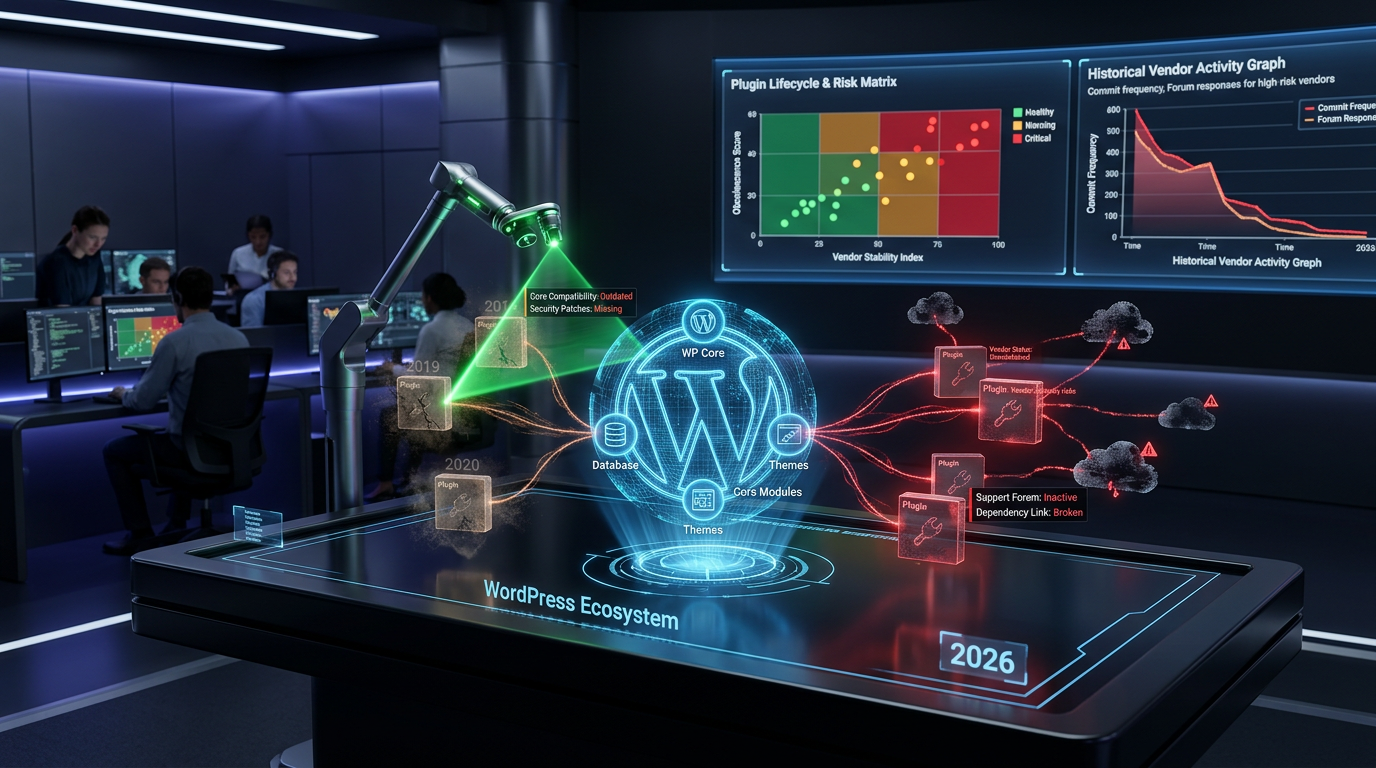
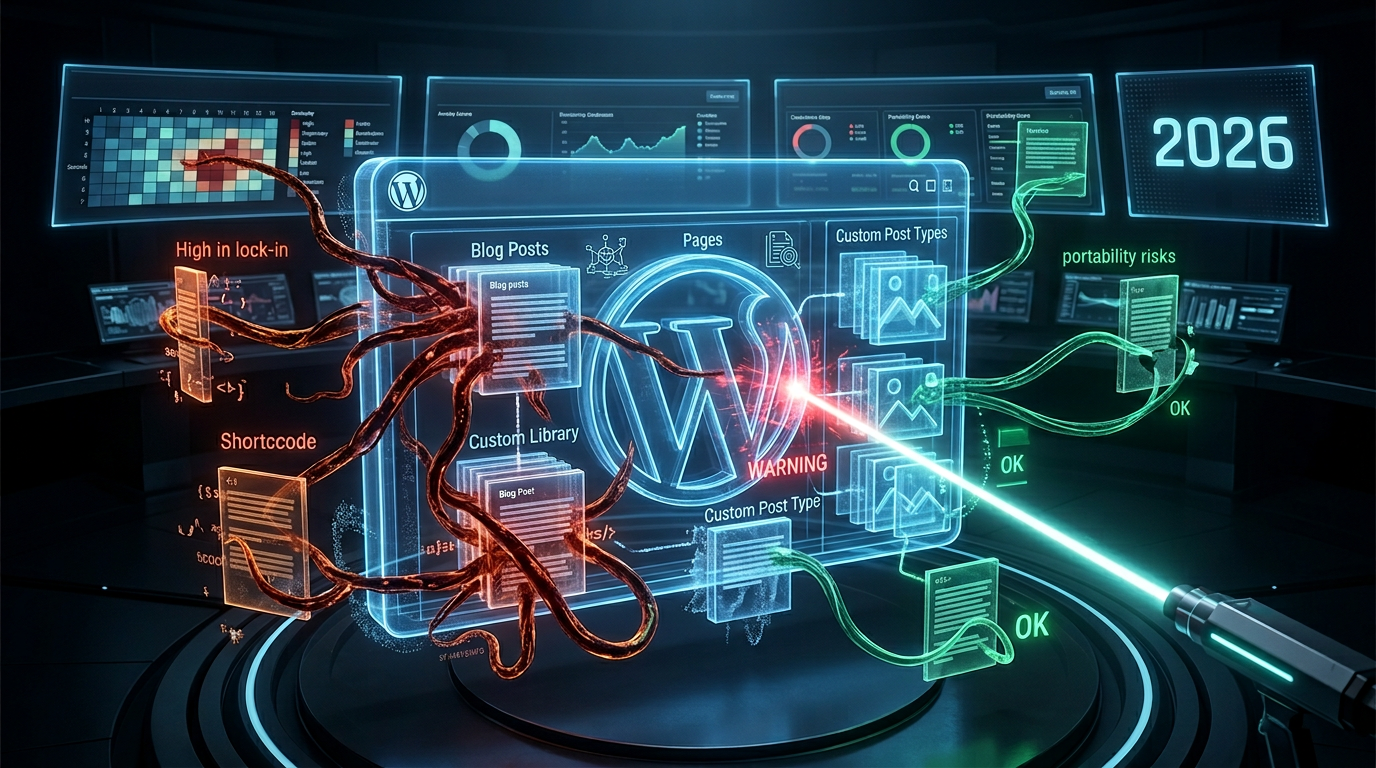
In the intricate world of web development, understanding the interplay between a website's core and its extensions is paramount. This deep dive focuses specifically on WordPress plugin server configurations – a critical, yet often overlooked, aspect of maintaining a healthy and high-performing WordPress site. As we navigate the evolving digital landscape of 2026, the way plugins interact with and sometimes dictate server settings has become more nuanced than ever. These "silent bioreactors" constantly metabolize server resources and, in doing so, can excrete various configurations that profoundly impact security, performance, and stability.
For more insights into how plugins silently influence various aspects of your site, explore articles like The Silent Conductors: How WordPress Plugins Dictate Your Site's Digital Footprint & Environmental Impact in 2026.
Understanding WordPress Plugin Server Configurations Today
The vast ecosystem of WordPress plugins offers unparalleled functionality, from e-commerce solutions to SEO optimization and security enhancements. However, each plugin brings its own set of requirements and, often, modifies the underlying server environment. These modifications, or WordPress plugin server configurations, can range from simple .htaccess rules to complex database schemas and cron job schedules. Recognizing the impact of these configurations is the first step towards proactive website management.
The Spectrum of Server Interaction
Plugins don't just sit idly; they actively engage with the server. This interaction can be categorized into several forms:
- File System Modifications: Creating directories, writing to log files, or modifying core WordPress files (though ideally, plugins should avoid the latter).
- Database Operations: Establishing new tables, altering existing ones, and regularly querying data.
- Resource Consumption: Utilizing CPU, RAM, and network bandwidth, particularly during complex tasks or heavy traffic.
- Configuration Overwrites: Directly influencing server behavior through PHP settings, .htaccess rules, or Nginx configurations (via server blocks).
Ignoring these interactions can lead to bottlenecks, security holes, and often, critical system failures. It's essential to monitor how your WordPress plugin server configurations evolve with each new installation. To understand related risks, consider reading The Silent Auditors: Unmasking Digital Forensics & Incident Response in WordPress Plugins (2026).
The 2026 Landscape: Evolving Server Demands
With greater emphasis on real-time functionality, AI integrations, and demanding user experiences, current-year 2026 sees plugins pushing server capabilities further than before. Serverless functions and containerization are also beginning to play a role in how specialized plugins are deployed, further complicating the traditional understanding of server configurations. Developers must now be even more astute about optimizing their configurations.
Potential Risks Stemming from Inappropriate WordPress Plugin Server Configurations
While plugins enhance website functionality, they also introduce potential vulnerabilities, especially when their server configurations are not properly managed or understood. These risks can severely impact your site's health.
Security Vulnerabilities
Poorly configured plugins can open doors for malicious actors. Common security threats include:
- Outdated Code: Plugins with unpatched vulnerabilities can be exploited, giving attackers access to your server.
- Insecure Configurations: Default or weak configurations can inadvertently expose sensitive information or allow unauthorized access.
- Excessive Permissions: Plugins requesting unnecessarily broad file or database permissions can be leveraged for deeper system compromise.
- Third-Party Dependencies: Vulnerabilities within libraries or external services used by a plugin can also compromise your server via their inherited WordPress plugin server configurations.
Regular security audits and keeping all plugins, themes, and WordPress core up to date are non-negotiable best practices. For more on advanced security concerns, see The Silent Cryptographers: Unmasking WordPress Plugins and Next-Gen Encryption in 2026.
Performance Issues and Resource Hogging
Every plugin adds overhead. Some, however, are notoriously inefficient in their WordPress plugin server configurations, leading to:
- Slow Page Load Times: Excessive database queries, large file inclusions, or redundant scripts can bog down your site.
- High CPU Usage: Complex calculations or constant background tasks can exhaust server resources, leading to slow response times or even server crashes.
- Memory Leaks: Poorly coded plugins can consume increasing amounts of RAM, eventually causing out-of-memory errors.
Understanding resource consumption metrics is crucial for identifying and rectifying performance bottlenecks arising from specific plugin configurations.
Compatibility Problems and Conflicts
The vastness of the WordPress ecosystem means that plugins from different developers sometimes clash, particularly when they attempt to modify the same server configurations or global variables. This can lead to:
- Broken Functionality: Parts of your site or other plugins might stop working correctly.
- White Screen of Death (WSOD): Critical errors can lead to a complete site outage.
- Database Corruption: In severe cases, conflicting database operations can corrupt your valuable data.
Thorough testing of new plugins in a staging environment is vital before deploying them to a live site, specifically to observe their interaction with existing WordPress plugin server configurations.
Best Practices for Managing WordPress Plugin Server Configurations
Proactive management of plugin-related server settings is essential for a stable and secure website. Adhering to best practices can mitigate many of the risks discussed.
Strategic Plugin Selection and Auditing
Before installing any plugin, consider its reputation, active installations, last update date, and developer support. Perform regular audits of your existing plugins. Remove any that are unused, outdated, or known to have security issues. Always evaluate how a new plugin might alter your existing WordPress plugin server configurations. Consider alternatives that are lightweight and focused.
Server Optimizations and Monitoring
Optimize your server environment to handle plugin demands. This includes:
- PHP Version: Ensure you are running a supported and optimized PHP version (currently PHP 8.x is recommended for performance and security).
- Caching Solutions: Implement robust caching (server-side, object caching, page caching) to reduce database load and improve response times.
- Database Optimization: Regularly clean and optimize your WordPress database.
- Resource Monitoring: Utilize server monitoring tools to track CPU, RAM, and disk I/O usage. This helps pinpoint resource-intensive plugins and their associated WordPress plugin server configurations.
Setting up alerts for unusual resource spikes can help you identify issues before they escalate. For a broader view on optimization, delve into PHP FPM configuration for Nginx.
Security Hardening Beyond Plugins
While securing plugins is important, overall server security is paramount. Implement a Web Application Firewall (WAF), enforce strong passwords, use two-factor authentication, and limit login attempts. Regularly back up your entire website, including both files and databases, to safeguard against data loss due to plugin conflicts or security breaches related to specific WordPress plugin server configurations. A good starting point for enhancing overall server security is by reviewing WordPress web server hardening recommendations.
The Future of WordPress Plugin Server Configurations in 2026
Looking ahead in 2026, the interaction between WordPress plugins and server configurations continues to evolve dynamically. New technologies and methodologies are shaping how we perceive and manage these critical relationships.
Headless WordPress and Decoupled Architectures
The rise of headless WordPress is changing the game. With the front-end decoupled from the WordPress backend, some plugins might have a reduced impact on the delivery server, shifting their primary interaction to the API server or backend infrastructure. This paradigm requires a different approach to managing WordPress plugin server configurations, focusing more on API performance and backend resource allocation. Consider how this aligns with The Silent Virtuosos: Unmasking WordPress Plugins Orchestrating Advanced Network Protocols & Communication in 2026.
Containerization and Serverless Functions
More sophisticated plugins, particularly those with complex or isolated functionalities, are beginning to leverage containerization (e.g., Docker) or serverless functions (e.g., AWS Lambda, Google Cloud Functions). This allows specific plugin components to run in isolated, scalable environments, abstracting away some traditional server configuration challenges but introducing new ones related to deployment and orchestration. Managing these distributed WordPress plugin server configurations will require specialized knowledge.
AI-Powered Performance and Security Monitoring
Artificial intelligence and machine learning are increasingly integrated into monitoring and optimization tools. In 2026, AI is assisting in proactively identifying performance bottlenecks caused by specific plugins, predicting potential security vulnerabilities based on configuration patterns, and even suggesting optimal WordPress plugin server configurations based on traffic and usage patterns. This promises a more intelligent approach to managing the entire WordPress ecosystem.
Conclusion: Mastering Plugin Server Configurations
The efficiency and security of your WordPress website in 2026 heavily hinge on how effectively you manage its plugins and their intricate relationships with server configurations. By understanding the diverse ways plugins interact with the server, recognizing potential risks, and adopting robust best practices, you can ensure a stable, high-performing, and secure online presence. Treat your plugins not just as features, but as "silent bioreactors" whose "metabolism" of server resources and "excretion" of configurations must be carefully monitored and controlled. Proactive management of WordPress plugin server configurations is not just a technical task; it's a strategic imperative for any successful WordPress project.
Frequently Asked Questions

Written by Aras Akıncılar
Uzun yıllara dayanan WordPress deneyimine sahip bir siber güvenlik uzmanı olarak, eklenti ekosisteminin derinlemesine analizine odaklanıyorum. Güvenlik açıkları, performans düşüşleri ve uyumluluk sorunları üzerine hazırladığım makalelerle, WordPress kullanıcılarının sitelerini daha güvenli ve verimli hale getirmelerine yardımcı olmayı hedefliyorum.